LICENSED   |   BONDED  |   INSURED

618-235-3202

Don’t Panic: A Guide to Water Damage Restoration in Your Home

March 30, 2024
When your home is faced with water damage, it is easy to become overwhelmed. Your initial stress will probably result from the fact that your pipe just burst and your basement is flooding, or that your faucet has been leaking for weeks without your knowledge and you can’t possibly wrap your head around how you didn’t notice.

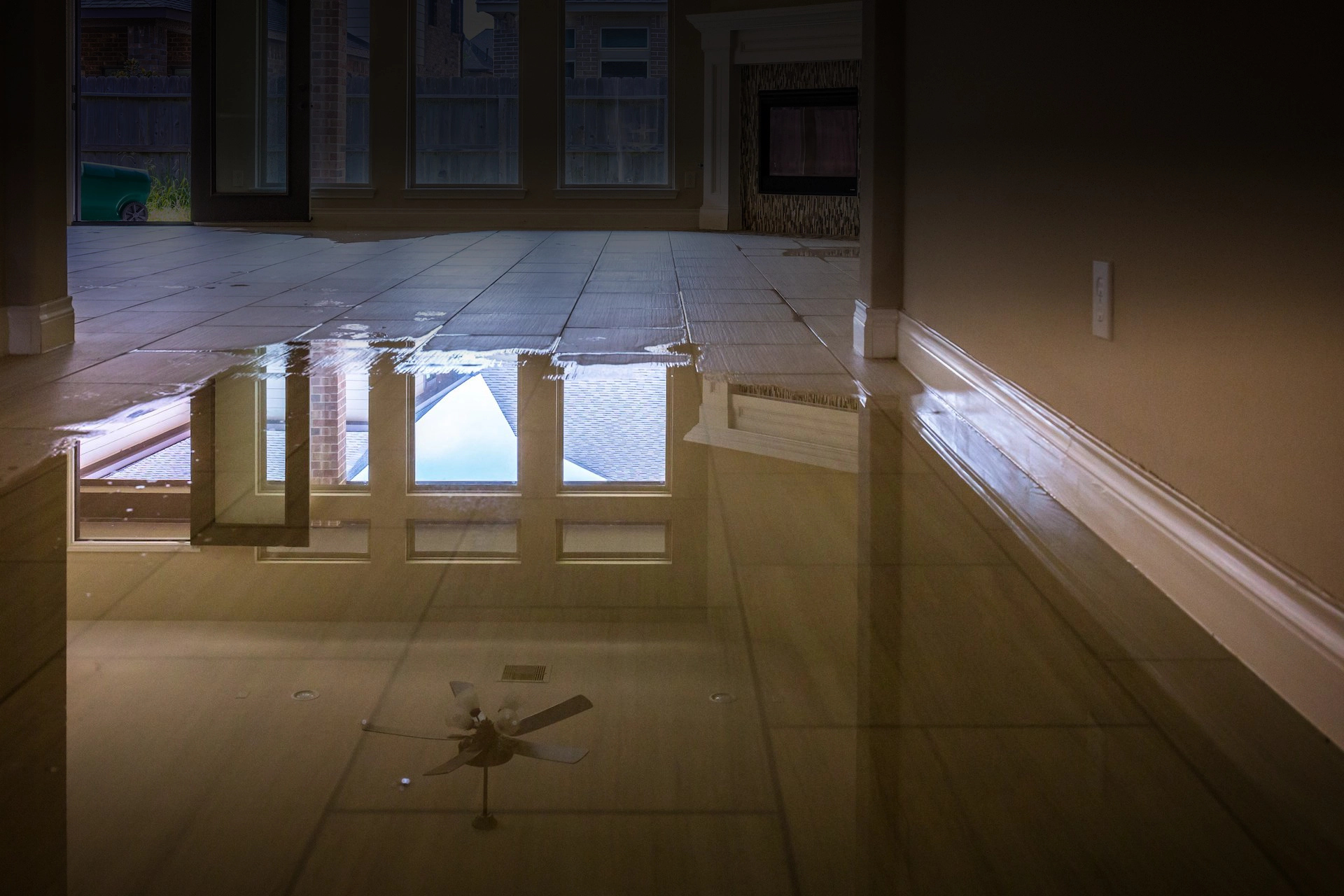
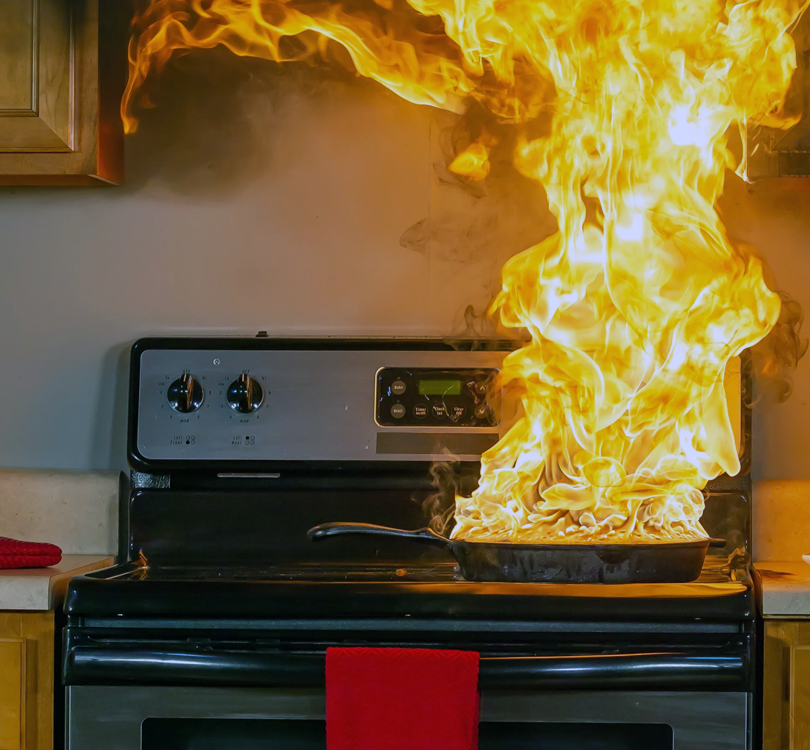
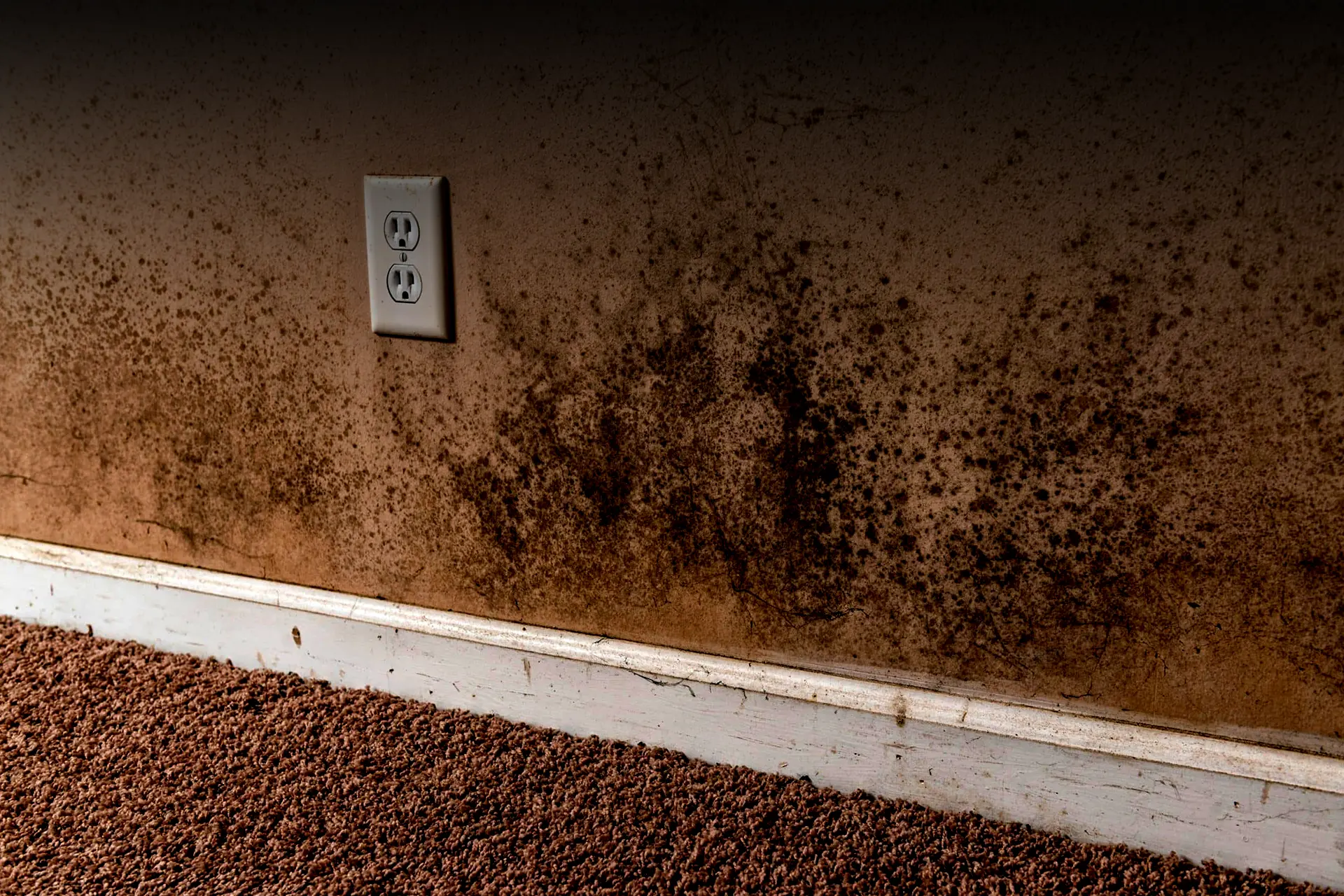
If you've been devastated by watermoldfire, and/or smoke damage, know that your cherished possessions, your home or business, can all be restored to pre-damage condition; bringing back your peace of mind.

Whether water, mold, fire, or smoke causes damage to your home or business, the effects are heartbreaking and often life-changing. We at All Clean Restoration understand the devastation and pain these events can cause. We also understand that quick and proper action is crucial to prevent further damage, red tape, and cost.

Call us any time, day or night:

1-800-4223944

Related Topics:

When your home is faced with water damage, it is easy to become overwhelmed. Your initial stress will probably result from the fact that your pipe just burst and your basement is flooding, or that your faucet has been leaking for weeks without your knowledge and you can’t possibly wrap your head around how you didn’t notice. After that initial stress sinks in, further stress arrives around damage control, as you scramble around your house trying to reduce the harm currently being done to your home. While a million different thoughts are running around in your head, it can be difficult to focus on what you should be doing. In order to know what you should be doing, it is important to identify what type of water leak you have.

Assess What Type of Water Leak You Have

Non-Damaging — But Costly

These types of leaks, while inconvenient, do not cause much significant damage to your home. Instead of costing you damage to your home, they will most likely cost you more time, energy, and money to resolve. Consider the last time you saw a sprinkler spouting straight up into the air as opposed to watering the grass or the last time you went into your bathroom to hear the toilet running even though it hadn’t been used recently.


Minimal Damage — But Will Worsen Over Time

Minimal damage leaks may not look like a huge issue at first, but if left unattended to, will result in more significant damage in the future. These leaks often go unnoticed, such as a leak in your wall, a leak in a faucet or shower, or a drip from an appliance. Occasionally, these leaks occur in more dangerous areas of your home, such as in a boiler or a hot water heater.

Significant Damage — Act Now

Hopefully, a leak in your home never falls into this category, as these leaks can cause a great deal of harm upon your home. Significant damage leaks are fairly easy to identify, as your home is most likely being flooded with water. Leaks such as burst and frozen pipes have the potential to result in this type of leak that requires immediate attention.

Non-Damaging Water Leaks — What to Do

  1. Turn Off All Faucets, Showers, and Hoses – Shut off all sources of water so that you can determine if there is an issue with the water supply in your home. If water is still running around the house, it could complicate your efforts to locate the source of the leak.
  2. Check Your Water Meter – After all water sources are shut down, check if your water is still running. You can do this by locating the low-flow indicator on your water meter. Typically, the low-flow indicator is in the shape of a small triangle, star or gear.  If the low-flow indicator is still spinning, that means that water is still running and you can confirm that you have a leak.
  3. Shut Down Your Toilets – The most common culprit of non-damaging water leaks in your toilet. Try shutting down your toilets, one at a time, and checking your low-flow indicator after every shutdown. If the low-flow indicator stops spinning after you shut down a toilet, you have found your leak. If it continues to spin, try shutting down another toilet until the low-flow indicator stops spinning.
  4. Shut Down Other Appliances One by One – If shutting down all of your toilets does not result in a static low-flow indicator, it means that your leak is coming from somewhere else. In order to find the leak, you can either shut down appliances one by one and continuously check the low-flow indicator, or you can simply call a plumber to identify the leak.

Minimal Damage Water Leaks — What to Do


  1. Turn Off Water in Home – It is important to locate your water meter and turn off the water in your home before the leak results in more damage.
  2. Clean Up Mess – If you catch the leak early enough, it is important to clean up the mess immediately. Failure to clean up a water leak can result in mold and mildew and present more problems down the road. For this reason, it is important to disinfect anything the water has touched. Be sure to be conscientious of what you are touching, and wear protective clothing such as gloves, boots, dust, and eye masks if possible.
  3. Fix Issue that Resulted in Leak – If the leak cannot be fixed on your own, call a plumber to resolve the issue as soon as possible.
  4. Call us for help! All Clean Restoration specializes in water damage remediation.

Significant Damage Water Leaks— Act Now by calling All Clean Restoration 618-235-3202

  1. Turn Off Water in Home – Locate your water meter and turn off the water to prevent any more flooding than what has already occurred. If you cannot turn off the water by yourself, contact a plumber immediately to help you turn it off.
  2. Document Damage – Document the damage the water has done to your home. If possible, try to take photos and/or videos of the damage before you undertake any clean-up efforts.
  3. Call Insurance Company – It is important to notify your insurance company within a reasonable amount of time after the leak so that they are aware of the issue and can take action to help you.
  4. Identify Source of Damage – Try and identify the source of the leak yourself, if possible. However, if you are unable to identify the source of the leak, you may need to call a plumber.
  5. Remediate Other Issues – Help eliminate mold and mildew or to repair damaged drywall. However, do not make permanent repairs before you have approval from your insurance company! If you do not wait for approval, you may not be compensated for repairs.
Recent Blog Articles:

Severe weather and storm damage is a fact of life in Southern Illinois and Missouri. The bi-state metro area sits in a region that experiences some of the most climatically diverse and severe weather in the United States: powerful spring and summer thunderstorms with high winds, hail, and torrential rain; periodic tornadoes; winter ice storms and blizzards; and flooding events from the Mississippi and Missouri river systems that can impact communities across the region. When severe weather strikes, homes bear the brunt of the assault — and water is almost always part of the damage.

Storm Damage and Water in Your Home: What to Do When the Weather Wins

Severe weather and storm damage is a fact of life in Southern Illinois and Missouri. The bi-state metro area sits in a region that experiences some of the most climatically diverse and severe weather in the United States: powerful spring and summer thunderstorms with high winds, hail, and torrential rain; periodic tornadoes; winter ice storms and blizzards; and flooding events from the Mississippi and Missouri river systems that can impact communities across the region. When severe weather strikes, homes bear the brunt of the assault — and water is almost always part of the damage.
Water in your walls is hidden from view, often undetected for extended periods, and silently causes progressive structural damage and mold growth that can ultimately compromise the integrity of your home and the health of everyone living in it. By the time most homeowners discover water in their walls, significant damage has already occurred — and it could have been prevented or significantly reduced with earlier detection and professional response.

Water in Your Walls: The Silent Destroyer You Can’t Afford to Ignore

Water in your walls is hidden from view, often undetected for extended periods, and silently causes progressive structural damage and mold growth that can ultimately compromise the integrity of your home and the health of everyone living in it. By the time most homeowners discover water in their walls, significant damage has already occurred — and it could have been prevented or significantly reduced with earlier detection and professional response.
Attic water damage occurs through several distinct pathways. Roof leaks are the most common and most direct: water penetrating a damaged or deteriorated roof system enters the attic at the point of failure and spreads from there. The exact failure point may be a few missing or damaged shingles, failed flashing at a chimney, pipe boot, or ridge cap, ice dam formation at the eaves during winter, or simply the accumulated deterioration of an aging roof system reaching the end of its service life.

Water Damage in Your Attic: Signs, Causes, and What to Do

Attic water damage occurs through several distinct pathways. Roof leaks are the most common and most direct: water penetrating a damaged or deteriorated roof system enters the attic at the point of failure and spreads from there. The exact failure point may be a few missing or damaged shingles, failed flashing at a chimney, pipe boot, or ridge cap, ice dam formation at the eaves during winter, or simply the accumulated deterioration of an aging roof system reaching the end of its service life.
When water damage occurs, most people's first thought is simply to get the water out. And water removal — extraction of standing and surface water — is certainly the critical first action. But water removal alone does not constitute complete water remediation, and understanding the difference between these two concepts is important for any property owner facing a water damage event.

Water Remediation vs. Water Removal: Understanding What Your Property Actually Needs

When water damage occurs, most people's first thought is simply to get the water out. And water removal — extraction of standing and surface water — is certainly the critical first action. But water removal alone does not constitute complete water remediation, and understanding the difference between these two concepts is important for any property owner facing a water damage event.

All Clean Restoration's Other Services

Whether water, mold, fire, or smoke causes damage to your home or business, the effects are heartbreaking and often life-changing. We at All Clean Restoration understand the devastation and pain these events can cause. We also understand that quick and proper action is crucial to prevent further damage, red tape, and cost.

We are honored to help in your time of need.

We are committed to delivering exceptional customer service and restoring homes and businesses to their pre-loss condition. For more than 40 years throughout Southern Illinois, we've prioritized communication with our clients, walking them through the entire restoration process from the moment we arrive to walking back into their restored homes and offices.

618-235-3202

Licensed  |  Bonded  |  Insured