LICENSED   |   BONDED  |   INSURED

618-235-3202
6 New Year’s Resolutions to Keep Your Home Healthy and Water Damage-Free in 2025

December 27, 2024
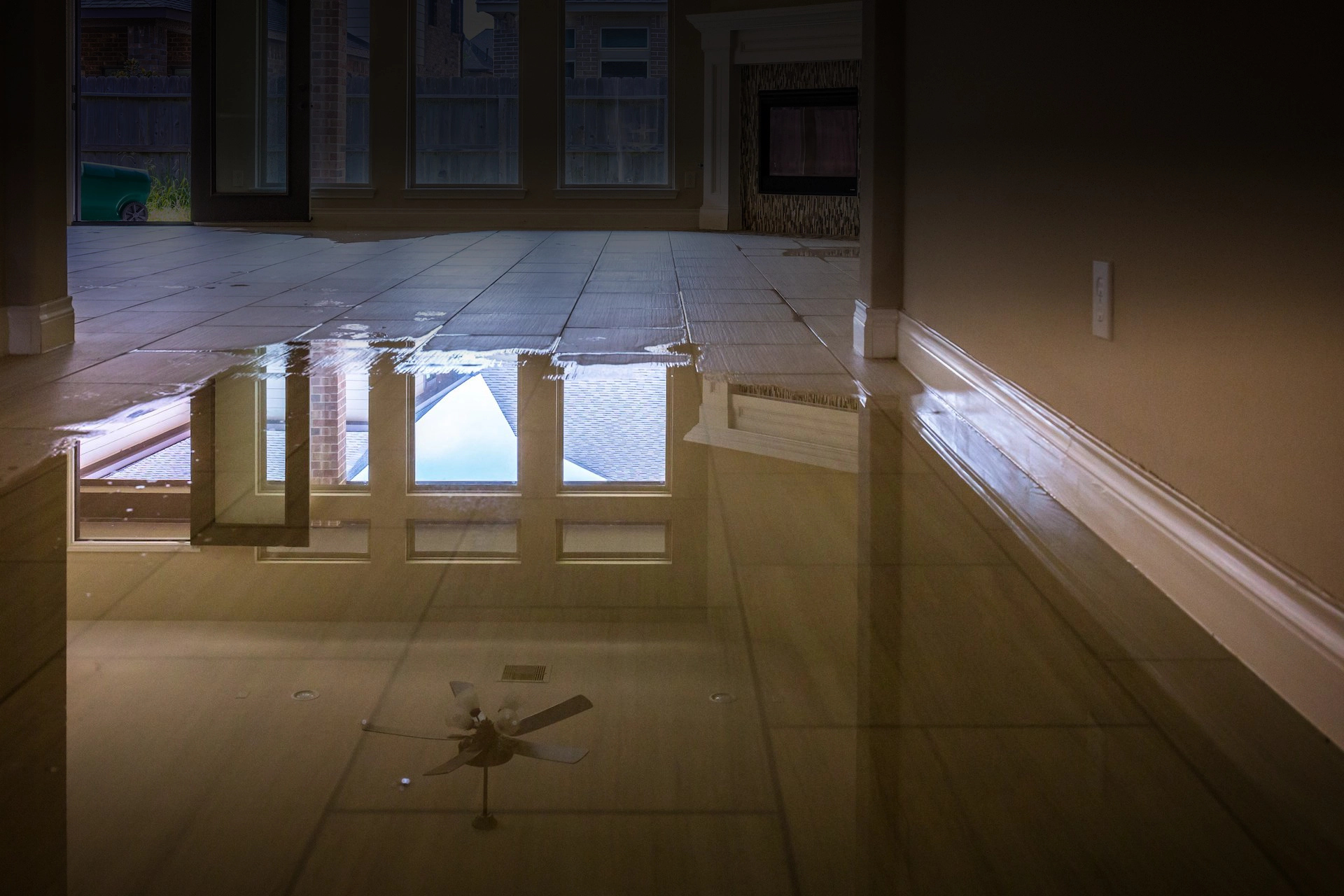
While fitness and healthy eating might be at the top of your New Year's resolution list, consider adding another important goal: protecting your home from water damage. Water damage can be devastating, leading to structural issues, mold growth, and even health problems. But with a little proactive planning, you can prevent these costly and stressful situations.

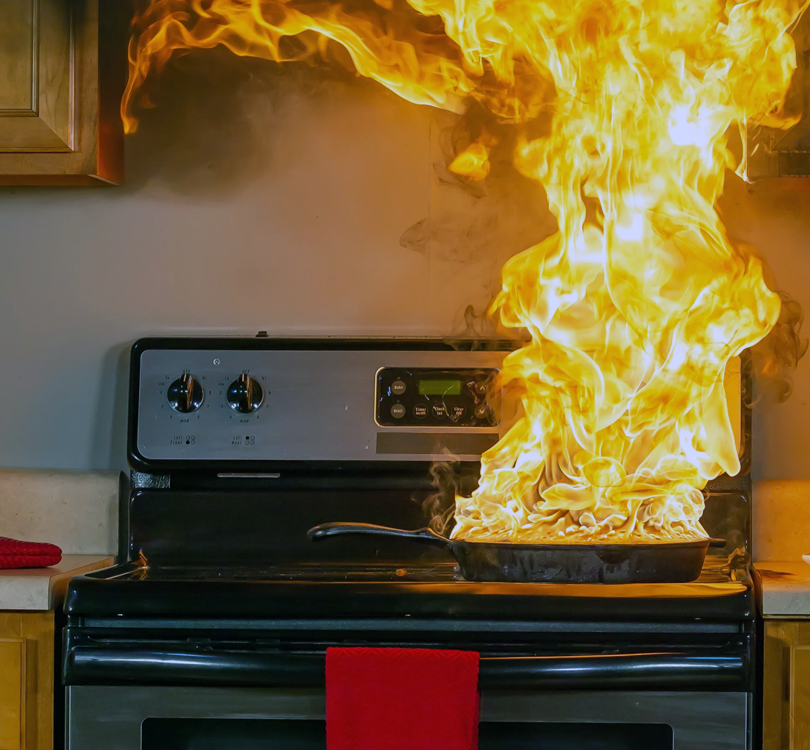
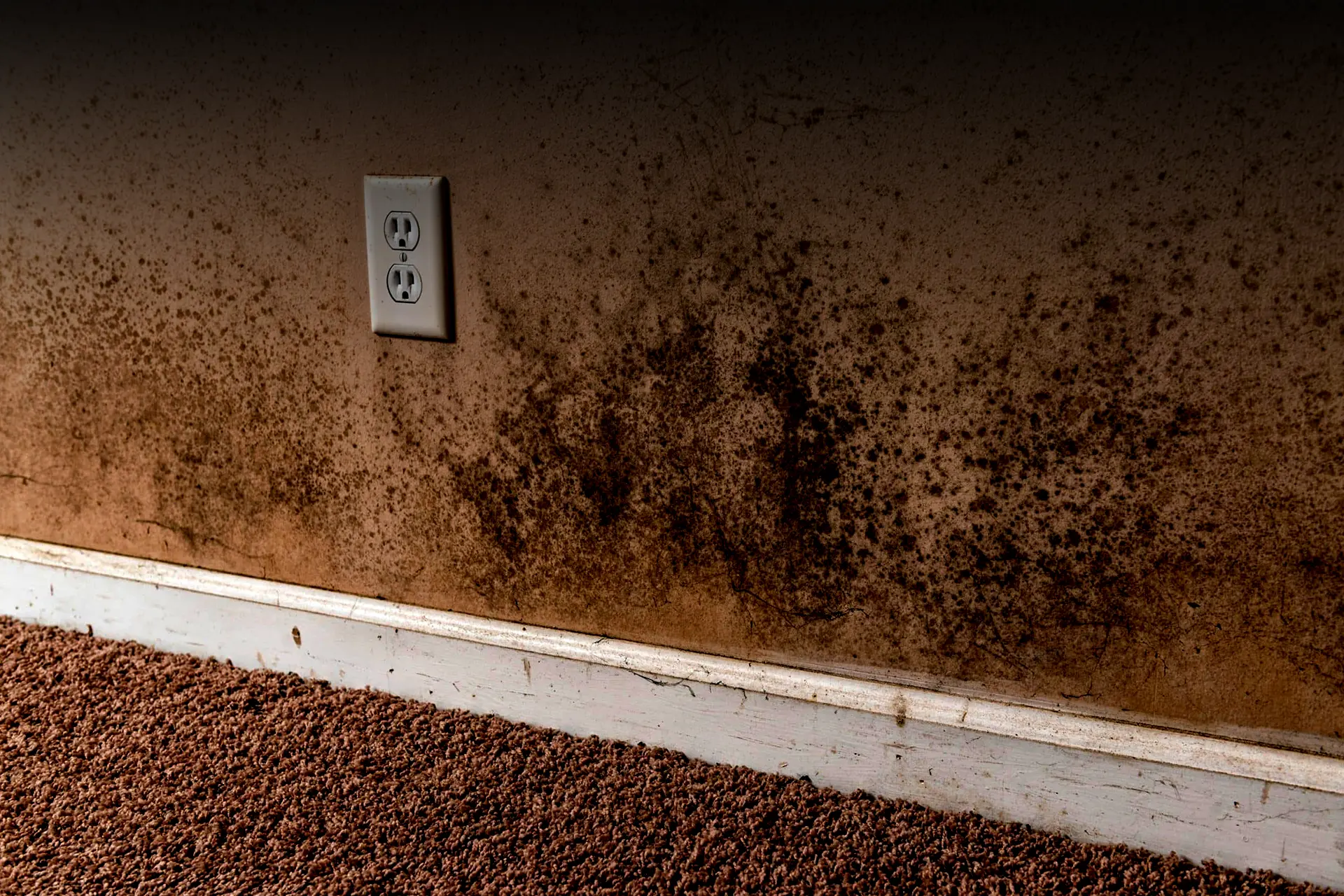
If you've been devastated by watermoldfire, and/or smoke damage, know that your cherished possessions, your home or business, can all be restored to pre-damage condition; bringing back your peace of mind.

Whether water, mold, fire, or smoke causes damage to your home or business, the effects are heartbreaking and often life-changing. We at All Clean Restoration understand the devastation and pain these events can cause. We also understand that quick and proper action is crucial to prevent further damage, red tape, and cost.

Call us any time, day or night:

1-800-4223944

Related Topics:

While fitness and healthy eating might be at the top of your New Year’s resolution list, consider adding another important goal: protecting your home from water damage. Water damage can be devastating, leading to structural issues, mold growth, and even health problems. But with a little proactive planning, you can prevent these costly and stressful situations.

All Clean Restoration, your trusted partner in disaster recovery, offers these 6 resolutions to keep your home healthy and water damage-free throughout the year:

  1. Install a Sump Pump for Peace of Mind: Heavy rains can cause groundwater levels to rise, threatening your basement. A sump pump acts as your home’s shield, pumping excess water away from the foundation and into a safe drainage area.

  2. Prevent Backflow with Backflow Valves: During heavy rainfall or sewage system overflows, contaminated water can back up into your home through drains and pipes. Backflow valves stop this issue in its tracks, protecting your health and preventing costly damage.

  3. Keep Your Gutters Clean, Twice a Year: Clogged gutters lead to overflowing rainwater, which can damage your roof, siding, foundation, and even windows. Resolve to clean your gutters twice a year – once in the spring and again in the fall.

  4. Maintain Your Septic System for Rural Homes: If you have a septic system, proper maintenance is crucial to prevent backups and water damage. This includes avoiding harsh chemicals, using septic-safe toilet paper, and limiting water use during heavy rains. Consider installing a flood alarm for early detection of rising water levels.

  5. Become a Leak Detective: Small leaks can turn into major problems if left unchecked. Make it a habit to inspect your plumbing fixtures and appliances for any signs of leakage at least once a month. Tighten loose connections, replace faulty valves, and repair leaky faucets to prevent water damage before it starts.

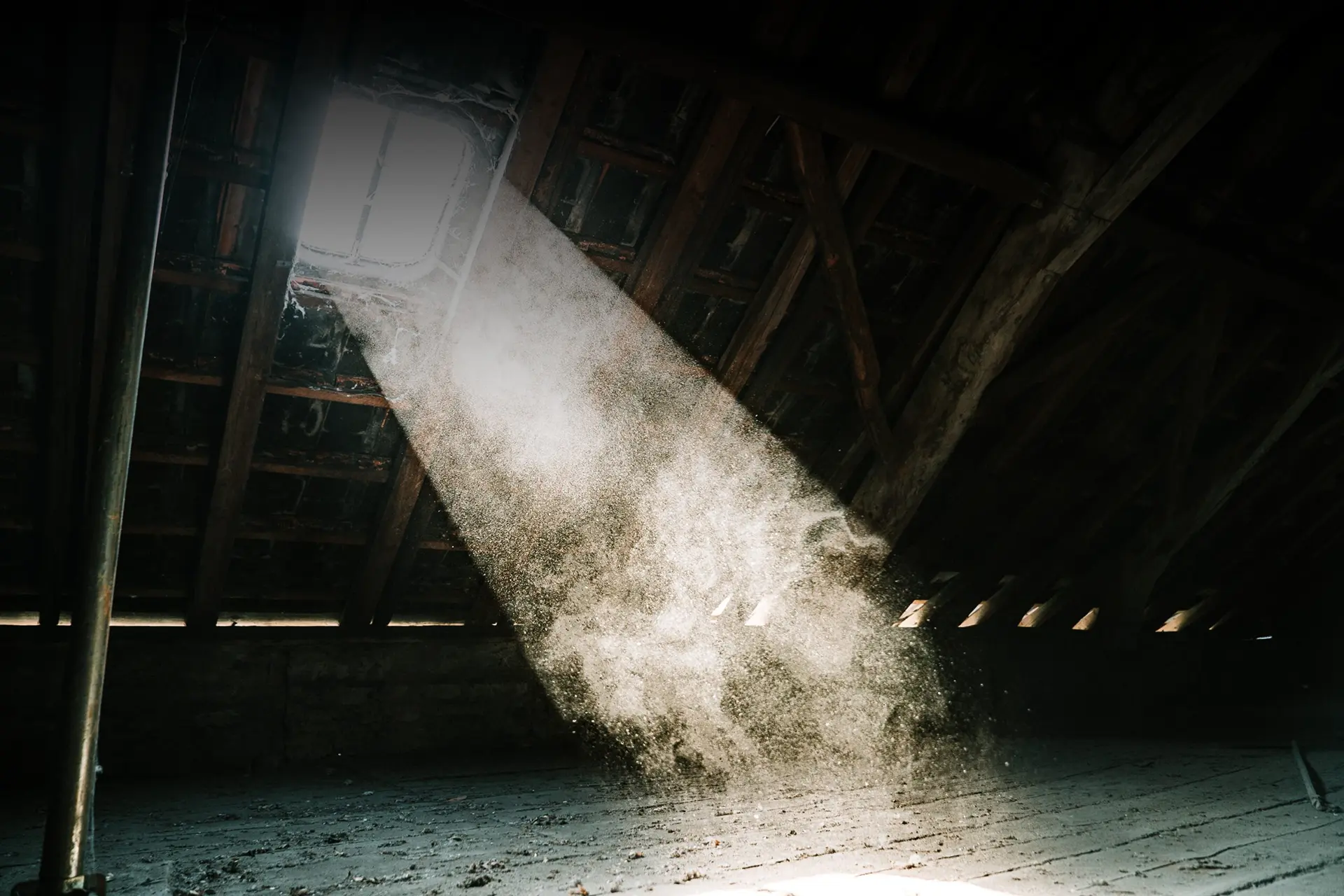
  6. Inspect Your Roof Regularly: Your roof is your home’s first line of defense against the elements. Damaged or missing shingles can lead to leaks and unseen problems in your attic, like mold growth, ruined insulation, and structural damage. Resolve to inspect your roof after every major storm to identify and address any potential issues early on.

Remember, if you suspect water damage in your home, don’t wait! Act quickly to minimize the damage and restore your home to its pre-loss condition. All Clean Restoration is here to help. We are a certified DKI member, the largest network of disaster restoration companies in North America. Our team of water damage restoration experts is available 24/7 to respond to your needs quickly and efficiently.

Contact All Clean Restoration today at 618-235-3202 or 314-454-0442 to learn more about our water damage restoration services and how we can help you keep your home healthy and safe in 2025!

Recent Blog Articles:

Severe weather and storm damage is a fact of life in Southern Illinois and Missouri. The bi-state metro area sits in a region that experiences some of the most climatically diverse and severe weather in the United States: powerful spring and summer thunderstorms with high winds, hail, and torrential rain; periodic tornadoes; winter ice storms and blizzards; and flooding events from the Mississippi and Missouri river systems that can impact communities across the region. When severe weather strikes, homes bear the brunt of the assault — and water is almost always part of the damage.

Storm Damage and Water in Your Home: What to Do When the Weather Wins

Severe weather and storm damage is a fact of life in Southern Illinois and Missouri. The bi-state metro area sits in a region that experiences some of the most climatically diverse and severe weather in the United States: powerful spring and summer thunderstorms with high winds, hail, and torrential rain; periodic tornadoes; winter ice storms and blizzards; and flooding events from the Mississippi and Missouri river systems that can impact communities across the region. When severe weather strikes, homes bear the brunt of the assault — and water is almost always part of the damage.
Water in your walls is hidden from view, often undetected for extended periods, and silently causes progressive structural damage and mold growth that can ultimately compromise the integrity of your home and the health of everyone living in it. By the time most homeowners discover water in their walls, significant damage has already occurred — and it could have been prevented or significantly reduced with earlier detection and professional response.

Water in Your Walls: The Silent Destroyer You Can’t Afford to Ignore

Water in your walls is hidden from view, often undetected for extended periods, and silently causes progressive structural damage and mold growth that can ultimately compromise the integrity of your home and the health of everyone living in it. By the time most homeowners discover water in their walls, significant damage has already occurred — and it could have been prevented or significantly reduced with earlier detection and professional response.
Attic water damage occurs through several distinct pathways. Roof leaks are the most common and most direct: water penetrating a damaged or deteriorated roof system enters the attic at the point of failure and spreads from there. The exact failure point may be a few missing or damaged shingles, failed flashing at a chimney, pipe boot, or ridge cap, ice dam formation at the eaves during winter, or simply the accumulated deterioration of an aging roof system reaching the end of its service life.

Water Damage in Your Attic: Signs, Causes, and What to Do

Attic water damage occurs through several distinct pathways. Roof leaks are the most common and most direct: water penetrating a damaged or deteriorated roof system enters the attic at the point of failure and spreads from there. The exact failure point may be a few missing or damaged shingles, failed flashing at a chimney, pipe boot, or ridge cap, ice dam formation at the eaves during winter, or simply the accumulated deterioration of an aging roof system reaching the end of its service life.
When water damage occurs, most people's first thought is simply to get the water out. And water removal — extraction of standing and surface water — is certainly the critical first action. But water removal alone does not constitute complete water remediation, and understanding the difference between these two concepts is important for any property owner facing a water damage event.

Water Remediation vs. Water Removal: Understanding What Your Property Actually Needs

When water damage occurs, most people's first thought is simply to get the water out. And water removal — extraction of standing and surface water — is certainly the critical first action. But water removal alone does not constitute complete water remediation, and understanding the difference between these two concepts is important for any property owner facing a water damage event.

All Clean Restoration's Other Services

Whether water, mold, fire, or smoke causes damage to your home or business, the effects are heartbreaking and often life-changing. We at All Clean Restoration understand the devastation and pain these events can cause. We also understand that quick and proper action is crucial to prevent further damage, red tape, and cost.

We are honored to help in your time of need.

We are committed to delivering exceptional customer service and restoring homes and businesses to their pre-loss condition. For more than 40 years throughout Southern Illinois, we've prioritized communication with our clients, walking them through the entire restoration process from the moment we arrive to walking back into their restored homes and offices.

618-235-3202

Licensed  |  Bonded  |  Insured