LICENSED | BONDED | INSURED
618-235-3202
Stay Ahead of Winter’s Fury: Essential Tips to Prevent Water Damage for Midwest Property Managers

If you've been devastated by water, mold, fire, and/or smoke damage, know that your cherished possessions, your home or business, can all be restored to pre-damage condition; bringing back your peace of mind.
Whether water, mold, fire, or smoke causes damage to your home or business, the effects are heartbreaking and often life-changing. We at All Clean Restoration understand the devastation and pain these events can cause. We also understand that quick and proper action is crucial to prevent further damage, red tape, and cost.
Call us any time, day or night:
1-800-4223944
Related Topics:
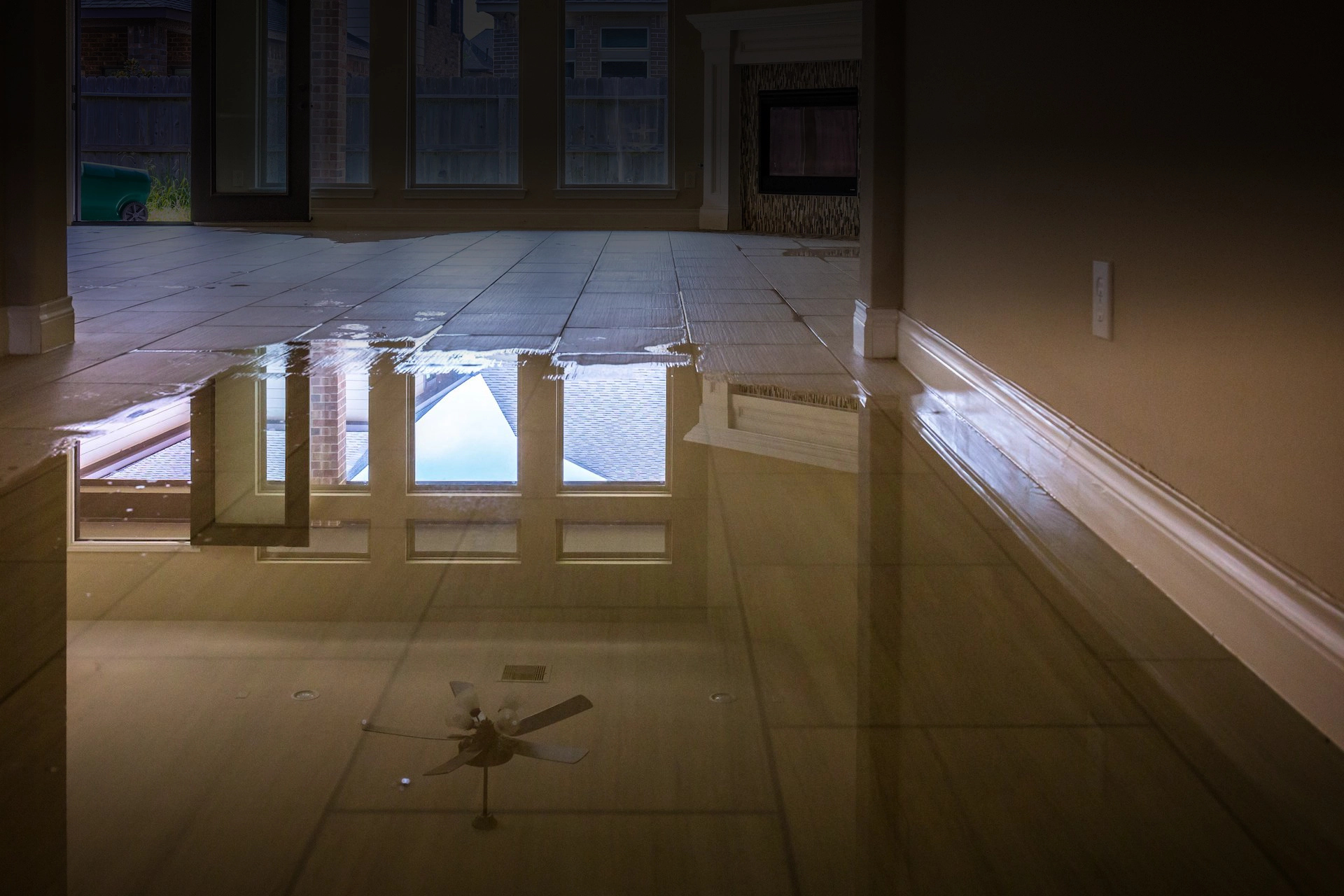
All Clean Restoration understands the unique challenges property managers in the Midwest face when it comes to winter. Brutal blizzards, ice storms, and plunging temperatures can wreak havoc on your properties, leading to burst pipes, roof leaks, and foundation problems. These can not only cause expensive repairs but also disrupt your tenants’ lives and put their safety at risk.
The good news is that by taking proactive steps early on, you can significantly reduce the risk of winter water damage and ensure your properties stay warm, dry, and comfortable all season long. Here are seven key tips from All Clean Restoration to keep your Midwest properties safe from winter’s wrath:
- Shield Exposed Pipes from the Midwest Freeze:
-
- Insulate Vulnerable Pipes: One of the most common culprits behind winter water damage is frozen pipes. Preventative maintenance is key! Insulate exposed pipes, especially those in unheated areas like crawlspaces, attics, and garages. Affordable solutions include foam sleeves or pipe wraps.
- Encourage Smart Winter Practices: Advise your tenants to drip faucets during periods of extreme cold. This slight trickle helps prevent freezing and pressure buildup within the pipes.
- Fortify Your Roof – Your Property’s First Line of Defense
-
- Regular Inspections are Crucial: Don’t wait for leaks to spring a surprise! Schedule regular roof inspections to identify and address weaknesses before winter arrives. Look for missing or damaged shingles, and clear away any debris that can trap moisture and contribute to ice dam formation.
- Prevent Ice Dams: Ice dams occur when melting snow refreezes along the eaves of your roof. To prevent them, ensure proper attic ventilation to regulate temperature and consider adding snow removal services during heavy snowfalls.
- Safeguard Your Foundation from Freeze-Thaw Cycles
-
- Improve Drainage Around the Property: During freeze-thaw cycles, the ground expands and contracts, putting stress on your foundation and potentially causing cracks. To prevent water infiltration, ensure proper drainage by cleaning gutters, extending downspouts, and grading the landscape so water flows away from the foundation. Seal any existing cracks before winter sets in.
- Keep Gutters and Downspouts Clear for Smooth Water Flow
-
- Regular Gutter Maintenance is Essential: Clogged gutters and downspouts can overflow, leading to roof and wall leaks. Regularly clean these areas to ensure proper water drainage throughout the winter. Consider installing gutter guards for an extra layer of protection. Free-flowing gutters also help prevent ice dams and structural issues.
- Control Indoor Humidity to Prevent Moisture Problems
-
- Maintain Ideal Humidity Levels: Excess moisture inside your properties can condense on windows, pipes, and other surfaces, eventually leading to mold growth and structural damage. Aim for a humidity level between 30% and 50% to prevent these issues. Use dehumidifiers and ensure proper ventilation, especially in moisture-prone areas like kitchens, bathrooms, and basements.
- Schedule Regular Inspections to Catch Issues Early
-
- Proactive Maintenance is Key: Regular property inspections are vital for catching minor problems before they snowball into major ones. Inspect pipes, roofs, gutters, and basements for signs of leaks, mold, or damage. Document your inspections and address any concerns promptly to avoid costly repairs down the line.
- Educate Your Team and Tenants for a Unified Effort
-
- Empower Your Team and Tenants: Your staff and tenants are your eyes and ears on the ground. Provide them with clear guidelines on maintaining stable indoor temperatures, spotting leaks, and reporting any issues immediately. By keeping everyone informed and vigilant, you can address minor problems before they become major headaches.
All Clean Restoration: Your Trusted Partner for Winter Emergencies
Even with the most meticulous preventative measures, unforeseen emergencies can arise. That’s where All Clean Restoration comes in. Our team of restoration professionals is available 24/7 to respond quickly to water damage emergencies. We can assess the situation, extract water, dry affected areas, and guide you on long-term prevention strategies. By partnering with All Clean Restoration, you gain a trusted ally to keep your properties safe and minimize winter’s disruptive impact.
By following these simple tips and partnering with a reliable restoration company like All Clean Restoration, you can ensure your Midwest properties stay protected from winter water damage. This allows you to focus on providing your tenants with a comfortable and secure living environment throughout the winter season.
Recent Blog Articles:

In-Place Drying vs. Tear-Out: How Pro Drying Saves Your Home

Wet Carpet After a Flood or Leak: Can It Be Saved?

Winterizing Your Home to Prevent Frozen Pipes in the Metro East

Water Damage to Your Subfloor: The Damage You Can’t See
All Clean Restoration's Other Services
Whether water, mold, fire, or smoke causes damage to your home or business, the effects are heartbreaking and often life-changing. We at All Clean Restoration understand the devastation and pain these events can cause. We also understand that quick and proper action is crucial to prevent further damage, red tape, and cost.

Licensed | Bonded | Insured