LICENSED | BONDED | INSURED
618-235-3202
The Biggest Threat After Water Damage: Why You Should Take Action Immediately

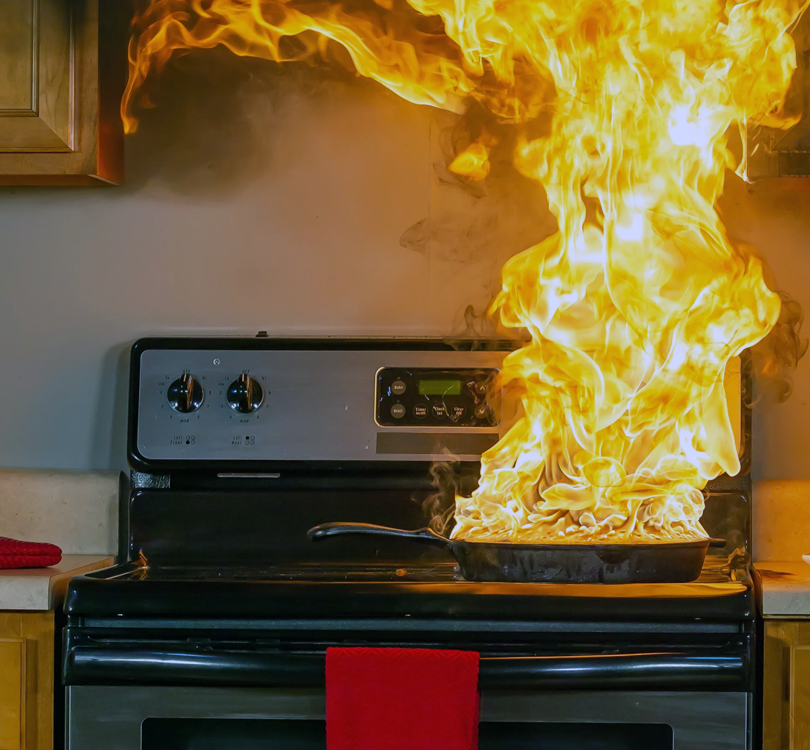
If you've been devastated by water, mold, fire, and/or smoke damage, know that your cherished possessions, your home or business, can all be restored to pre-damage condition; bringing back your peace of mind.
Whether water, mold, fire, or smoke causes damage to your home or business, the effects are heartbreaking and often life-changing. We at All Clean Restoration understand the devastation and pain these events can cause. We also understand that quick and proper action is crucial to prevent further damage, red tape, and cost.
Call us any time, day or night:
1-800-4223944
Related Topics:
Water damage in a home or business can be devastating, leading to significant financial and emotional distress. The effects of water damage extend far beyond just the immediate destruction caused by moisture. It can have long-lasting impacts on a building’s structure and the health of its inhabitants. Understanding the biggest concern with water damage is crucial for property owners to take swift and effective action to mitigate its effects.
Immediate Effects of Water Damage
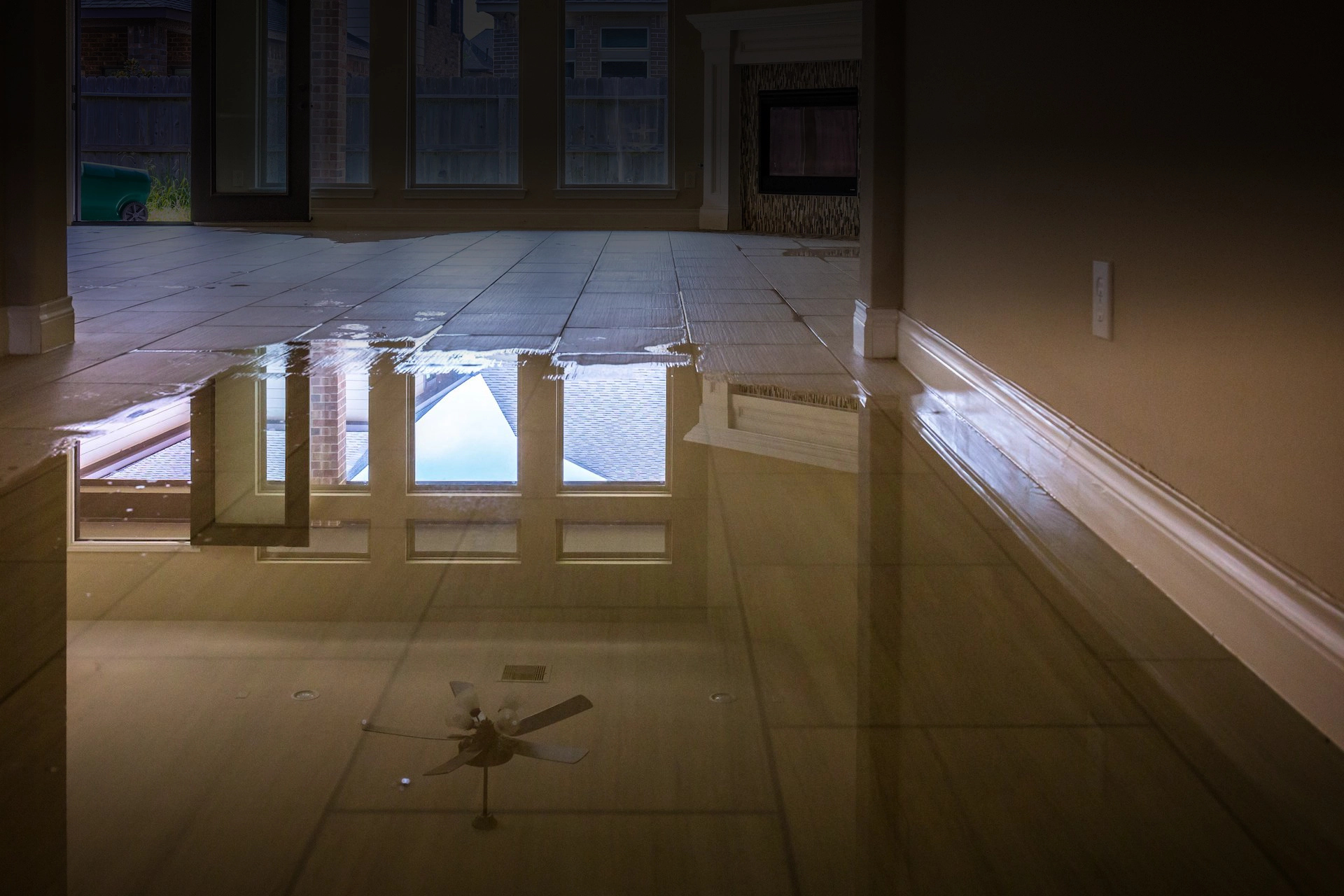
When water invades a property, whether through flooding, leaks, or burst pipes, the immediate concern is the visible damage it causes. Furniture, carpets, and belongings can become soaked, leading to potential ruin. However, the visible effects are just the beginning. Water damage can compromise the structural integrity of a building, causing:
- Structural Damage: Water can weaken foundations, cause walls to bow, and deteriorate support beams. Immediate action is necessary to prevent these potentially catastrophic issues.
- Electrical System Damage: Water and electricity are a dangerous combination. Water damage can lead to short circuits in the electrical wiring, posing serious fire risks and potentially expensive repairs.
The Biggest Threat: Mold and Mildew Growth
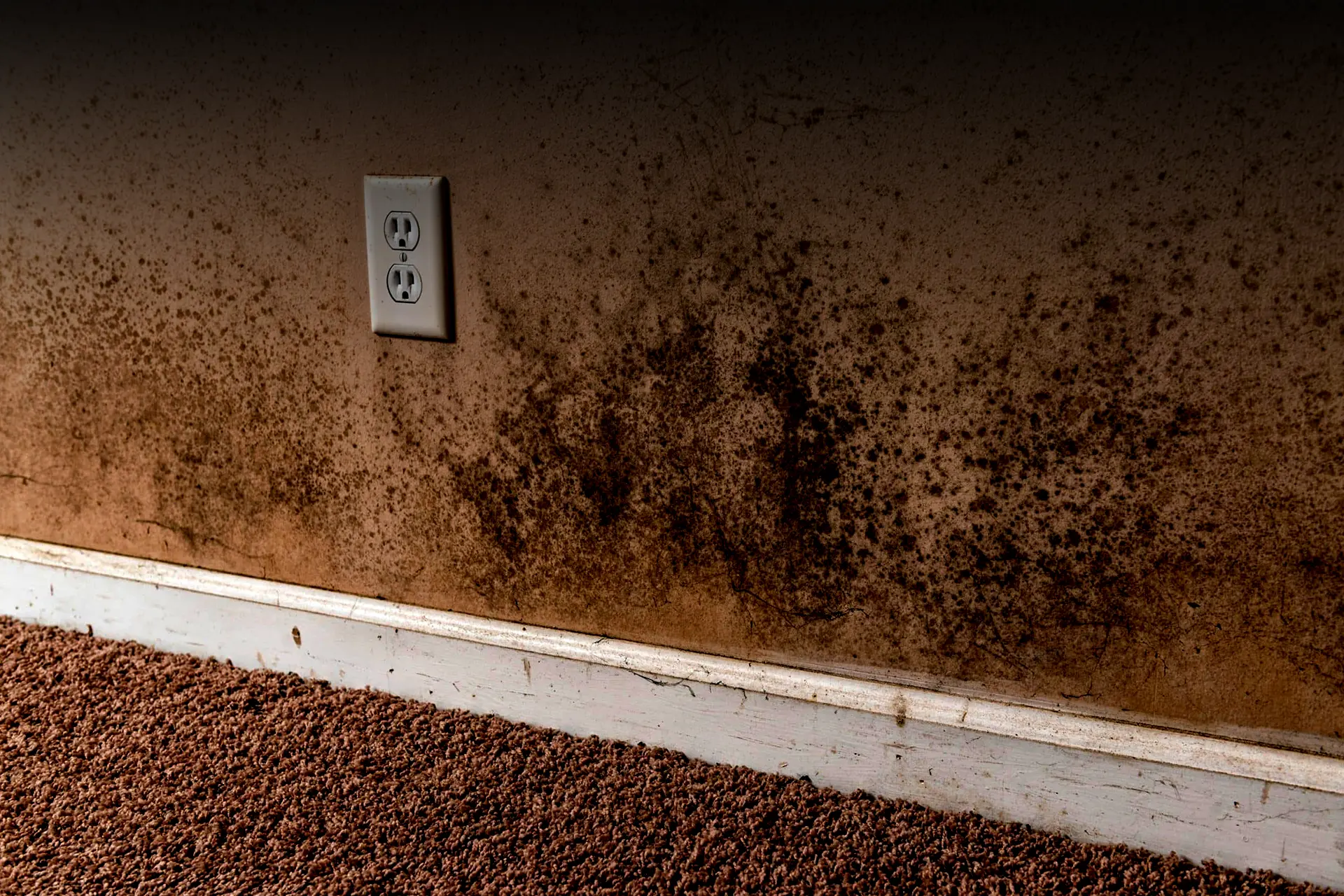
While the immediate effects of water damage are concerning, the biggest and most worrying issue is the growth of mold and mildew. These fungi thrive in moist environments and can start to develop within 24 to 48 hours after water exposure.
Health Risks Associated with Mold
Mold exposure can lead to a variety of health problems, particularly for individuals with respiratory conditions, allergies, or compromised immune systems. Symptoms can range from sneezing, coughing, and throat irritation to more severe allergic reactions and asthma attacks.
Long-Term Property Damage
Mold can also cause long-term damage to a property. It eats away at organic materials like wood and drywall, compromising the structure’s integrity and leading to costly repairs and renovations.
Taking Action to Mitigate Water Damage
Given the severity of water damage, particularly the risk of mold growth, it is crucial to address any water damage immediately. Here’s why you should call All Clean Restoration:
- Comprehensive Water Damage Restoration: We offer a comprehensive solution to water damage, with services designed to handle everything from initial water removal to full restoration and mold remediation.
- Advanced Drying Techniques: We use advanced drying techniques and moisture detection equipment to ensure that all affected areas are thoroughly dried, significantly reducing the risk of mold growth.
Our Water Damage Restoration Services
- Water Removal and Drying: The first step in addressing water damage is removing all standing water and then drying out the premises. This process involves the use of pumps, vacuums, air movers, and dehumidifiers to ensure that no moisture remains.
- Mold Remediation: Should mold growth occur, All Clean Restoration provides mold remediation services. This involves not only removing all visible mold but also addressing the root of the moisture problem to prevent its return.
- Restoration: Once the area is dry and free of mold, the restoration process can begin. This may involve repairing or replacing damaged walls, floors, and other structural elements to bring the property back to its pre-damage condition.
Preventative Measures to Avoid Water Damage
Prevention is key in managing water damage risks. Here are some tips to minimize the risk of water damage:
- Conduct regular inspections of plumbing systems.
- Properly maintain roofs and gutters.
- Promptly repair any leaks.
- Install water detection systems to provide early warnings of potential problems.
Conclusion
The biggest concern with water damage is not just the immediate effects, but the potential for mold and mildew growth, which poses significant health risks and can lead to severe property damage. By understanding these risks and taking immediate action with the help of experts like those at All Clean Restoration, you can mitigate these effects and help maintain a safe, healthy environment for both people and the structure itself.
Call All Clean Restoration today to address your water damage concerns!
Recent Blog Articles:

In-Place Drying vs. Tear-Out: How Pro Drying Saves Your Home

Wet Carpet After a Flood or Leak: Can It Be Saved?

Winterizing Your Home to Prevent Frozen Pipes in the Metro East

Water Damage to Your Subfloor: The Damage You Can’t See
All Clean Restoration's Other Services
Whether water, mold, fire, or smoke causes damage to your home or business, the effects are heartbreaking and often life-changing. We at All Clean Restoration understand the devastation and pain these events can cause. We also understand that quick and proper action is crucial to prevent further damage, red tape, and cost.

Licensed | Bonded | Insured