LICENSED | BONDED | INSURED
618-235-3202
Is That White Dust Mold? Understanding and Tackling White Mold in Your Home

If you've been devastated by water, mold, fire, and/or smoke damage, know that your cherished possessions, your home or business, can all be restored to pre-damage condition; bringing back your peace of mind.
Whether water, mold, fire, or smoke causes damage to your home or business, the effects are heartbreaking and often life-changing. We at All Clean Restoration understand the devastation and pain these events can cause. We also understand that quick and proper action is crucial to prevent further damage, red tape, and cost.
Call us any time, day or night:
1-800-4223944
Related Topics:
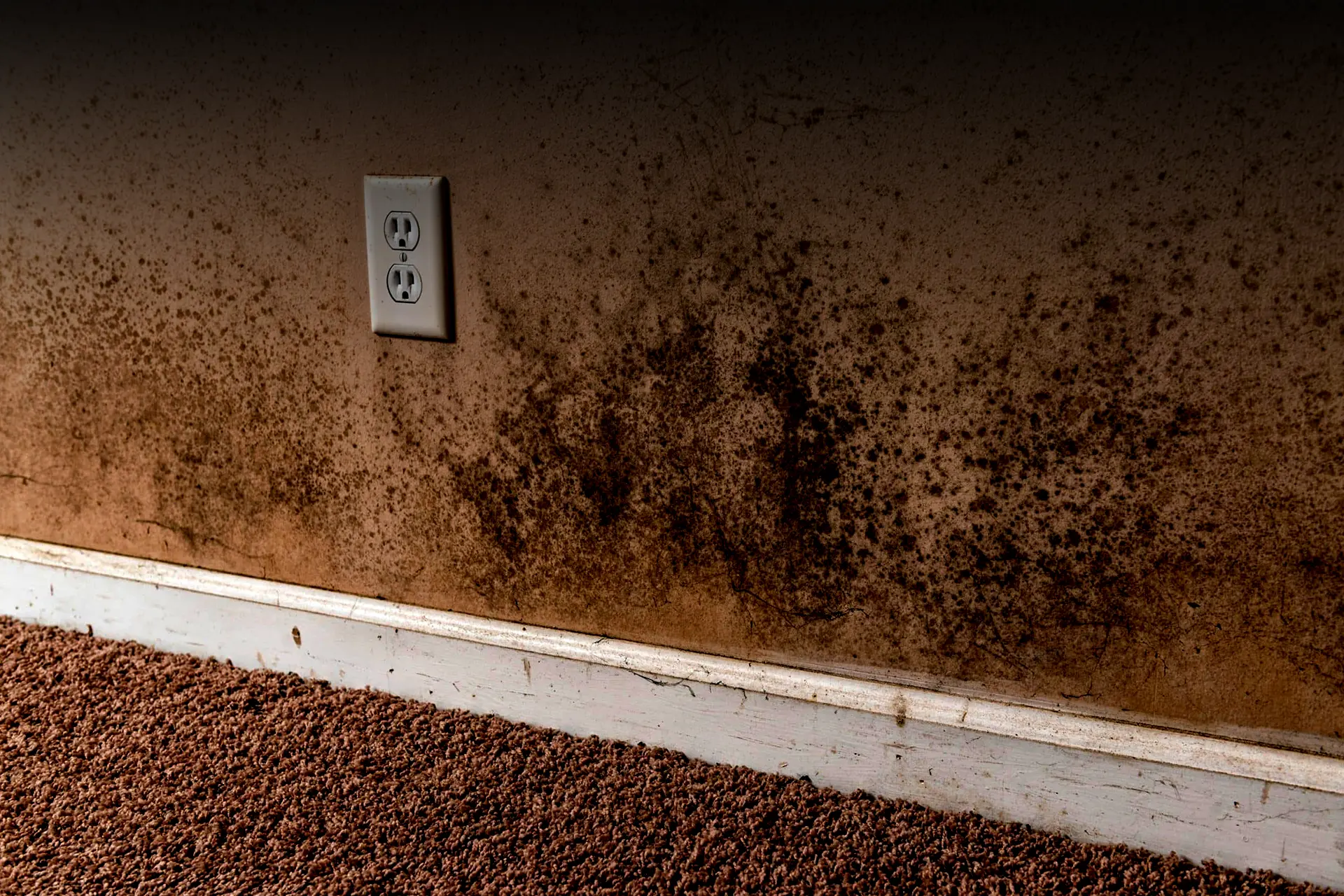
At All Clean Restoration, we understand that discovering any unexpected substance in your home can be unsettling. When that substance is white, fuzzy, or powdery, it often leads to questions about mold. While black mold gets a lot of attention, white mold can be just as problematic. It’s often overlooked due to its subtle appearance, but it can still pose health risks and cause structural damage if left unchecked.
In this post, we’ll dive into the world of white mold, exploring its common causes, how to identify it, and most importantly, how to prevent and remove it. Let’s equip you with the knowledge you need to keep your home healthy and safe.
What Exactly is White Mold?
White mold, like any mold, thrives in damp, humid environments. It can appear as a fuzzy or powdery substance on various surfaces, from walls and ceilings to furniture and even clothing. A common misconception is that white mold is harmless compared to darker molds. However, it can still trigger allergies, respiratory issues, and other health problems, especially for those with pre-existing conditions. Plus, it can weaken the structural integrity of your home over time.
White Mold vs. Efflorescence: Knowing the Difference
One of the biggest challenges with white mold is distinguishing it from efflorescence. Efflorescence is a crystalline salt deposit that often appears on concrete, brick, or stone surfaces. While both can look similar, they have very different origins and implications. Here’s a breakdown to help you tell them apart:
- Appearance:
- White Mold: Fuzzy or powdery, spreads irregularly, and can grow on various materials.
- Efflorescence: Crystalline, powdery deposit, typically on mineral-based surfaces like concrete.
- Location:
- White Mold: Damp, poorly ventilated areas like bathrooms, basements, and attics, or areas with water leaks.
- Efflorescence: Primarily on concrete, brick, and stone surfaces exposed to moisture, like basement walls.
- Texture and Persistence:
- White Mold: Fuzzy or velvety, penetrates porous materials, and reappears if the moisture source is not fixed.
- Efflorescence: Powdery, easily brushed away, but reappears if moisture persists.
- Smell:
- White Mold: Musty or earthy odor, especially in large infestations.
- Efflorescence: Typically odorless.
- Simple Test:
- Apply a few drops of water. If it dissolves, it’s likely efflorescence. If it remains or spreads, it’s likely mold.
By paying close attention to these characteristics, you can better determine whether you’re dealing with white mold or efflorescence.
Taking Action: Prevention and Removal
If you suspect white mold, it’s crucial to address the issue promptly. Here’s what you can do:
- Identify and Eliminate Moisture Sources: Fix leaks, improve ventilation, and reduce humidity levels.
- Clean Affected Areas: For small infestations, use a mold-killing cleaner and thoroughly dry the area.
- Prevent Future Growth: Maintain proper ventilation, control humidity, and regularly inspect for signs of moisture.
- Professional Help: If you’re unsure or dealing with a large infestation, contact All Clean Restoration’s Mold Remediation Professionals. We can provide a thorough assessment and safe, effective removal.
Why Choose All Clean Restoration?
At All Clean Restoration, we understand the complexities of mold remediation. Our experienced professionals can accurately identify the issue, whether it’s white mold or efflorescence, and provide tailored solutions to protect your home and health.
Don’t let white mold compromise your comfort and safety. If you’re concerned about mold in your home, contact us today for a comprehensive assessment and peace of mind.
Recent Blog Articles:

In-Place Drying vs. Tear-Out: How Pro Drying Saves Your Home

Wet Carpet After a Flood or Leak: Can It Be Saved?

Winterizing Your Home to Prevent Frozen Pipes in the Metro East

Water Damage to Your Subfloor: The Damage You Can’t See
All Clean Restoration's Other Services
Whether water, mold, fire, or smoke causes damage to your home or business, the effects are heartbreaking and often life-changing. We at All Clean Restoration understand the devastation and pain these events can cause. We also understand that quick and proper action is crucial to prevent further damage, red tape, and cost.

Licensed | Bonded | Insured