LICENSED | BONDED | INSURED
618-235-3202
Is Your Garbage Disposal a Disaster Waiting to Happen?

If you've been devastated by water, mold, fire, and/or smoke damage, know that your cherished possessions, your home or business, can all be restored to pre-damage condition; bringing back your peace of mind.
Whether water, mold, fire, or smoke causes damage to your home or business, the effects are heartbreaking and often life-changing. We at All Clean Restoration understand the devastation and pain these events can cause. We also understand that quick and proper action is crucial to prevent further damage, red tape, and cost.
Call us any time, day or night:
1-800-4223944
Related Topics:
Your garbage disposal is one of the most hardworking appliances in your kitchen. We rely on it to make cleanup a breeze after a family meal. But when it starts acting up, it can quickly turn from a convenience into a catastrophe.
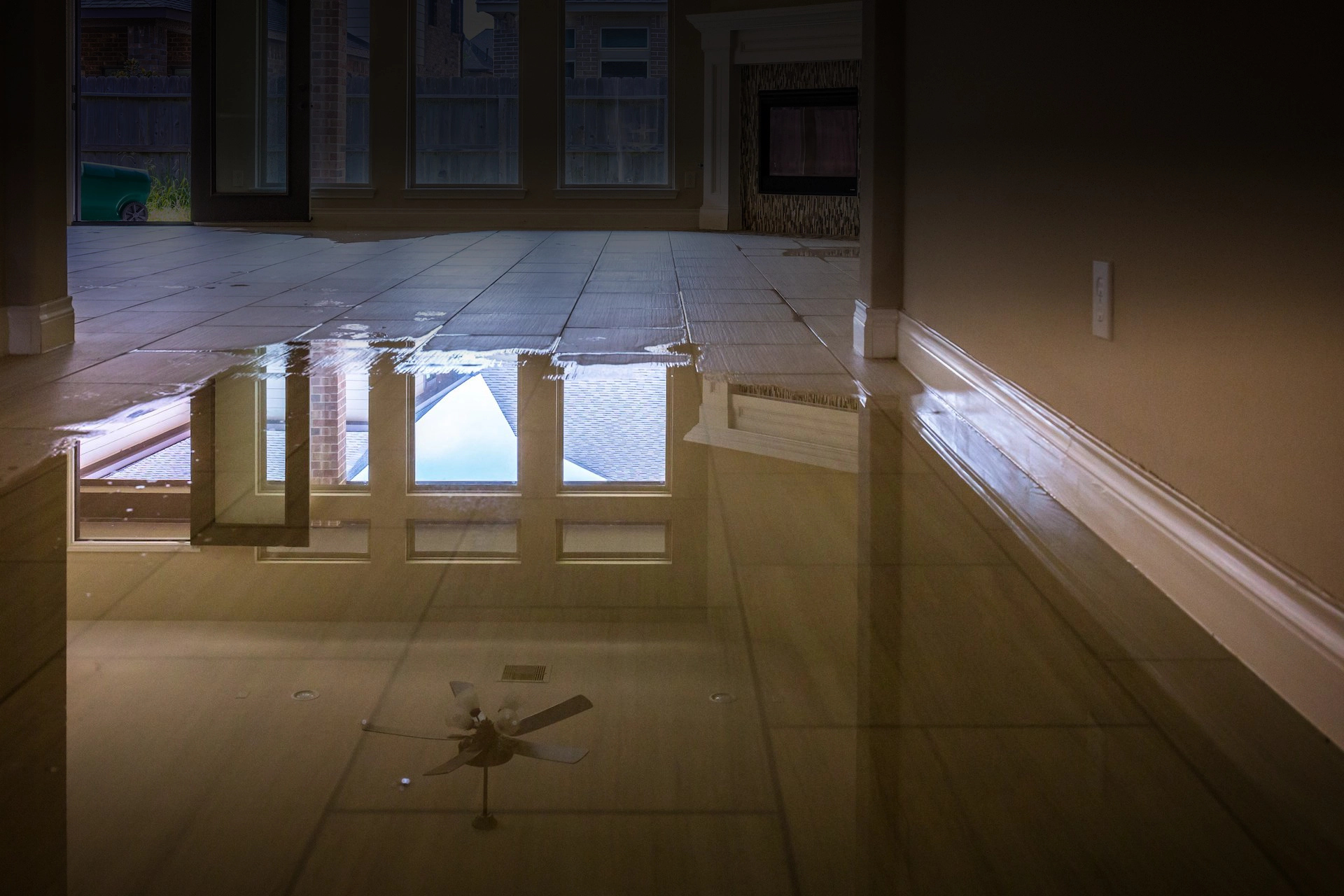
A small leak or a persistent clog might seem like a minor issue, but it can escalate into a serious water damage situation in a matter of hours. These problems can lead to extensive and costly damage to your cabinets, flooring, and even your home’s structure.
At All Clean Restoration, we’ve seen firsthand how a seemingly small garbage disposal issue can lead to significant water damage. We’re here to help homeowners in Missouri and Illinois prevent these disasters before they happen, but when they do, our 24/7 emergency response team is always ready to help.
How a Garbage Disposal Can Cause Major Water Damage
Your disposal is more than just a grinder; it’s a vital part of your home’s plumbing system. A crack in the unit, a loose pipe, or a damaged seal can cause a slow leak that goes unnoticed for weeks. Over time, that tiny drip can lead to:
- Structural Damage: Water can warp your kitchen cabinets, floors, and even the subfloor beneath.
- Mold Growth: Damp, dark spaces under your sink are the perfect breeding ground for mold, which can cause health issues and require professional remediation.
- Electrical Hazards: Water and electricity are a dangerous combination. A leak can compromise outlets and wiring, creating a serious risk.
- Foundation Problems: In severe, long-term cases, prolonged moisture can even affect your home’s foundation.
Common Garbage Disposal Problems to Watch For
Early detection is key to preventing a small problem from becoming a big one. Here are some of the most common signs that your garbage disposal needs attention.
1. Water Leaks
A leak is the most obvious sign of a problem and the number one cause of water damage from a disposal. A leak can occur in a few places:
- Top Leaks: Usually a sign of a loose mounting bolt, a worn gasket, or an issue with the plumber’s putty where the disposal meets the sink.
- Side Leaks: These often come from a loose dishwasher hose or a faulty drain line connection.
- Bottom Leaks: A leak from the bottom of the unit often means the internal seals have failed, and the disposal will need to be replaced.
Emergency Fix: If you notice a leak, immediately turn off the water supply to your sink and unplug the disposal. Don’t wait—contact a professional like All Clean Restoration right away.
2. The Disposal Doesn’t Turn On
If nothing happens when you flip the switch, don’t panic. First, check that the unit is plugged in. Then, look for the small red reset button on the bottom of the disposal. If it’s popped out, press it back in. Also, check your circuit breaker to make sure it hasn’t tripped.
3. A Humming Sound Without Grinding
This is a classic sign of a jam. The motor is trying to run, but something is stuck in the blades. This often happens with fibrous foods like celery or starchy items like potato peels.
Safe Unjamming Process:
- Turn off the power at the breaker.
- Use the hex wrench provided with your disposal (or a ¼-inch Allen wrench) to turn the bolt on the bottom of the unit back and forth until the jam is cleared.
- Remove any visible debris with tongs—never your hands.
- Press the reset button and restore power.
4. Slow Drainage or Backups
If water and food are backing up into your sink, your disposal may have dull blades, or there could be a clog further down the drainpipe. This is often caused by an accumulation of grease and food particles over time.
Tips to Prevent Garbage Disposal Disasters
The best way to deal with a garbage disposal problem is to prevent it from happening in the first place.
What NOT to Put Down Your Disposal
- Grease and Oil: They solidify in pipes and cause serious clogs.
- Fibrous Foods: Celery, corn husks, and artichokes can tangle around the blades.
- Starchy Foods: Rice, pasta, and potato peels swell with water and can create thick blockages.
- Hard Items: Bones, fruit pits, and nutshells can damage the blades and motor.
- Non-Food Items: Sponges, bottle caps, or plastic wrappers should never go down the drain.
Regular Maintenance
- Use Cold Water: Always run cold water before, during, and after using the disposal.
- Run It Regularly: Use your disposal frequently to prevent rust and corrosion.
- Clean It Monthly: Grind up a tray of ice cubes to help clean the blades. For a fresh scent, grind a handful of citrus peels.
When to Call All Clean Restoration
Even with the best care, emergencies can happen. If you encounter any of the following, don’t hesitate to call our 24/7 emergency response team:
- Active flooding from the disposal area
- Standing water that won’t drain
- Visible mold growth under the sink
- A strong, sewage-like odor
- Any signs of an electrical issue, like sparking or a burning smell
At All Clean Restoration, we are your trusted partners for water damage restoration in Missouri and Illinois. Our certified technicians have the expertise and equipment to handle any restoration challenge, from a minor leak to a major flood.
Don’t let a garbage disposal problem turn your kitchen into a disaster zone. Contact All Clean Restoration today for immediate assistance or to learn more about our services.
Recent Blog Articles:

In-Place Drying vs. Tear-Out: How Pro Drying Saves Your Home

Wet Carpet After a Flood or Leak: Can It Be Saved?

Winterizing Your Home to Prevent Frozen Pipes in the Metro East

Water Damage to Your Subfloor: The Damage You Can’t See
All Clean Restoration's Other Services
Whether water, mold, fire, or smoke causes damage to your home or business, the effects are heartbreaking and often life-changing. We at All Clean Restoration understand the devastation and pain these events can cause. We also understand that quick and proper action is crucial to prevent further damage, red tape, and cost.

Licensed | Bonded | Insured