LICENSED | BONDED | INSURED
618-235-3202
Is This One Simple Trick All You Need to Save Your Home from Water Damage?

If you've been devastated by water, mold, fire, and/or smoke damage, know that your cherished possessions, your home or business, can all be restored to pre-damage condition; bringing back your peace of mind.
Whether water, mold, fire, or smoke causes damage to your home or business, the effects are heartbreaking and often life-changing. We at All Clean Restoration understand the devastation and pain these events can cause. We also understand that quick and proper action is crucial to prevent further damage, red tape, and cost.
Call us any time, day or night:
1-800-4223944
Related Topics:
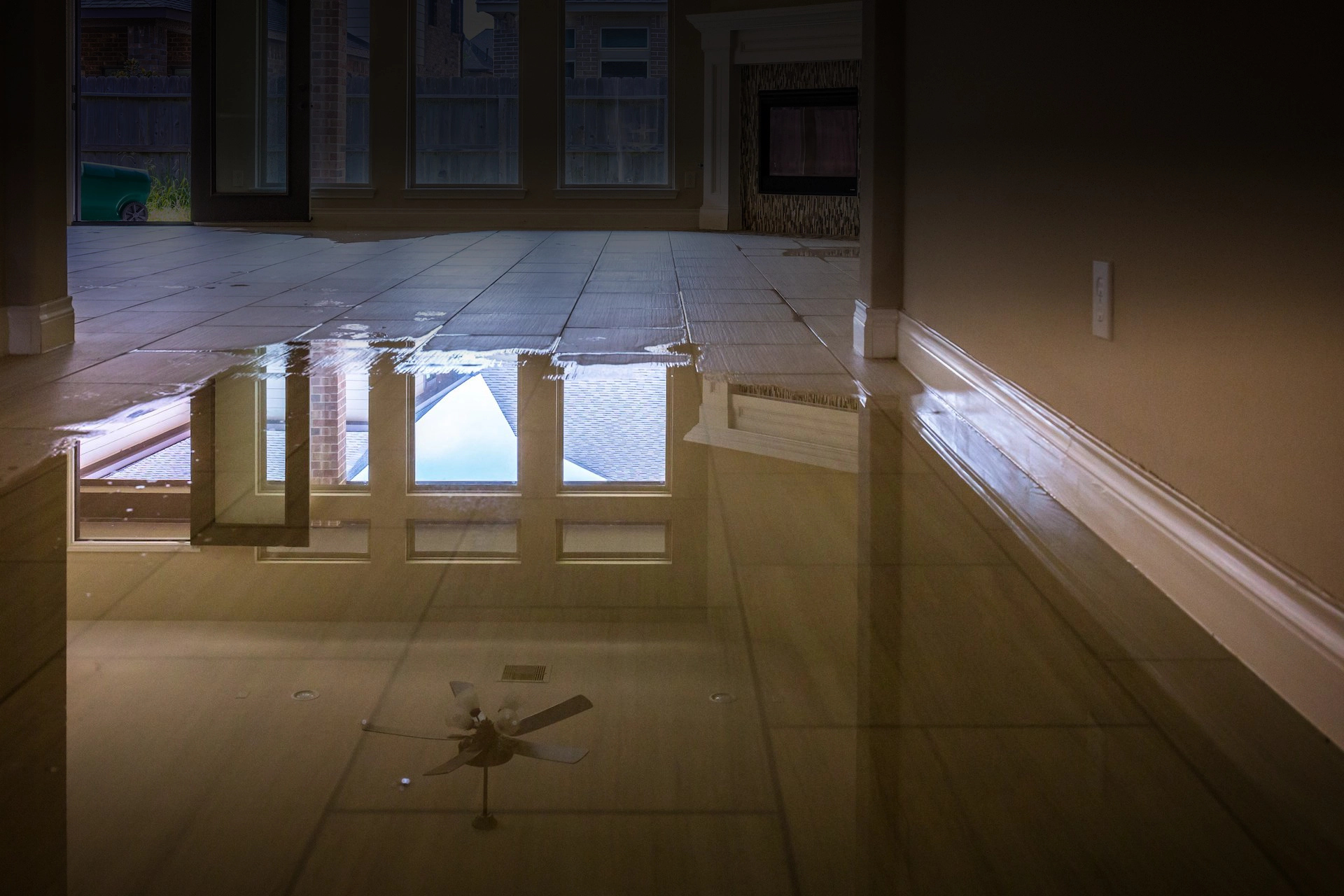
Imagine coming home to a flooded living room after a severe storm. The water isn’t just a surface problem; it’s seeping into your walls, putting your home’s structure and your family’s health at risk. For homeowners in Illinois and Missouri, where storms can be unpredictable, this is a real and terrifying scenario. But there’s a strategic and powerful solution that can make the difference between a total loss and a full recovery: flood cut drywall.
This technique might sound technical, but its purpose is straightforward and essential. A flood cut is the process of removing the bottom section of water-logged drywall. It’s like a surgical procedure for your home, designed to prevent long-term damage and get your life back to normal faster.
The Science Behind the Cut
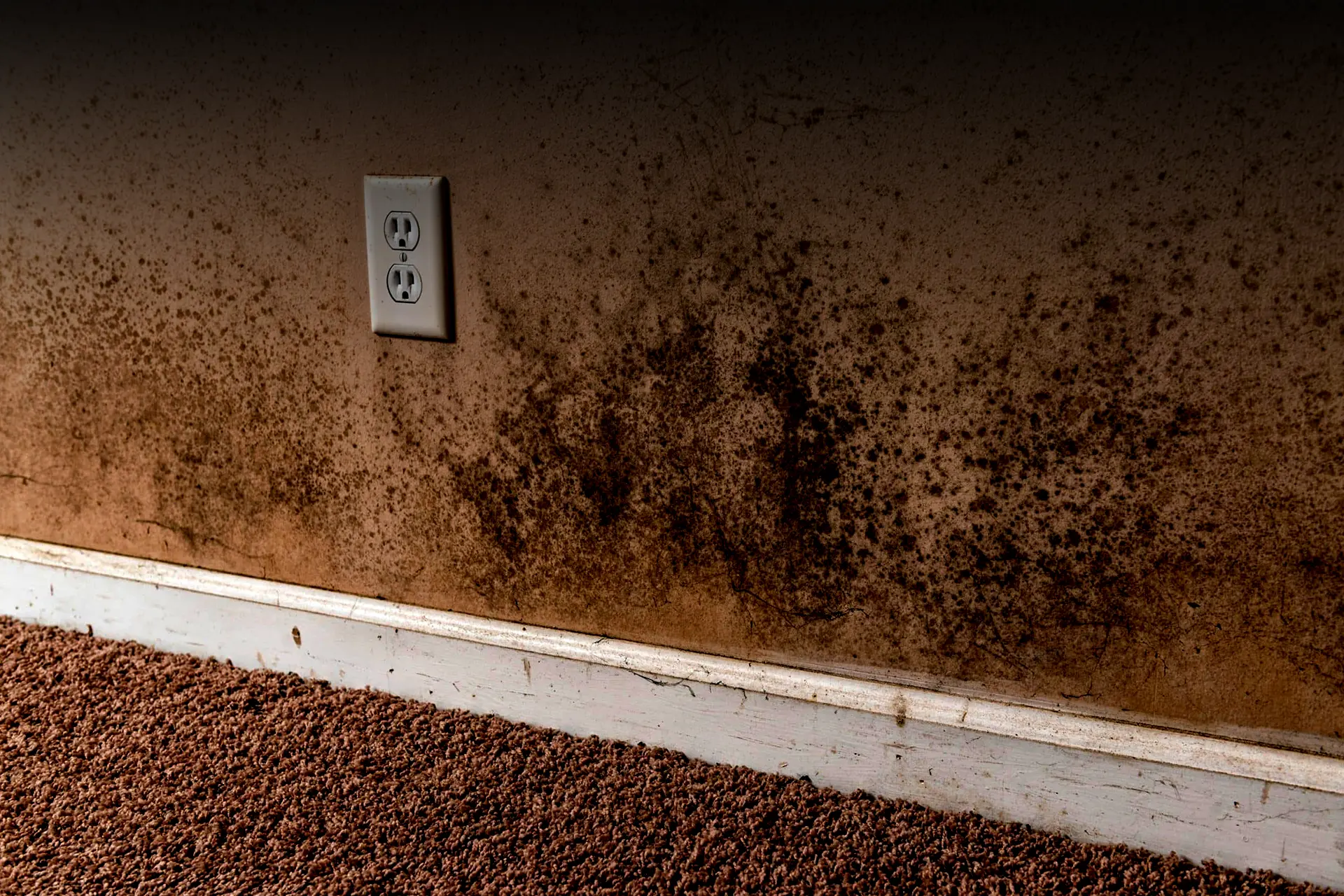
When water saturates drywall, it creates the perfect breeding ground for mold. This isn’t just a cosmetic issue; mold can pose serious health risks, from allergies and respiratory problems to more severe infections. By cutting away the damaged drywall, you’re not just getting rid of the wet material—you’re removing the environment that mold needs to thrive.
Beyond mold, water also weakens the structural integrity of your walls. Over time, this can lead to sagging ceilings, warped floors, and other serious issues. A proper flood cut helps prevent this deterioration, ensuring your home remains safe and structurally sound.
At All Clean Restoration, we understand the science and the urgency. We use specialized equipment to assess the full extent of the water damage and ensure every affected area is addressed. This is a critical step that a DIY approach often misses, which can lead to hidden damage and future problems.
The Process: Why You Need a Pro
While the idea of saving money with a DIY approach is tempting, flood cutting is a job that requires precision and expertise. Without the right tools and knowledge, you risk leaving behind hidden moisture, which can lead to mold and rot later on.
A professional team like All Clean Restoration follows a specific process to guarantee a successful outcome:
- Assessment: We start by identifying the full scope of the damage. We look for visible signs like discoloration and swelling, as well as use moisture meters to find hidden pockets of water.
- Safety First: Before any cutting begins, we ensure the area is safe, using protective gear and containment measures to prevent the spread of dust and potential mold spores.
- The Cut: We make a precise, horizontal cut at least 12-24 inches above the visible water line. This ensures all contaminated material is removed, but we leave enough intact drywall to make the reconstruction process easier.
- Drying and Dehumidification: After the cut is made and the damaged drywall is removed, the real work begins. We use powerful air movers and commercial-grade dehumidifiers to thoroughly dry out the wall cavities and framing. This is the most crucial step in preventing future mold growth.
- Restoration: Once the area is completely dry, we can begin the restoration process, replacing the drywall and restoring your home to its pre-damage condition.
Don’t let water damage overwhelm you. Flood cut drywall is a proven, effective way to reclaim your home from the effects of a flood. If your Illinois or Missouri home has been hit by water damage, trust the experts at All Clean Restoration to handle the job with care and precision. We’ll get your home dry, safe, and ready for a new chapter.
Ready to protect your home and your health? Contact All Clean Restoration today for a professional assessment and swift action.
Recent Blog Articles:

In-Place Drying vs. Tear-Out: How Pro Drying Saves Your Home

Wet Carpet After a Flood or Leak: Can It Be Saved?

Winterizing Your Home to Prevent Frozen Pipes in the Metro East

Water Damage to Your Subfloor: The Damage You Can’t See
All Clean Restoration's Other Services
Whether water, mold, fire, or smoke causes damage to your home or business, the effects are heartbreaking and often life-changing. We at All Clean Restoration understand the devastation and pain these events can cause. We also understand that quick and proper action is crucial to prevent further damage, red tape, and cost.

Licensed | Bonded | Insured