LICENSED | BONDED | INSURED
618-235-3202
Water Damage Under Laminate Flooring: A Homeowner’s Guide for Missouri & Illinois

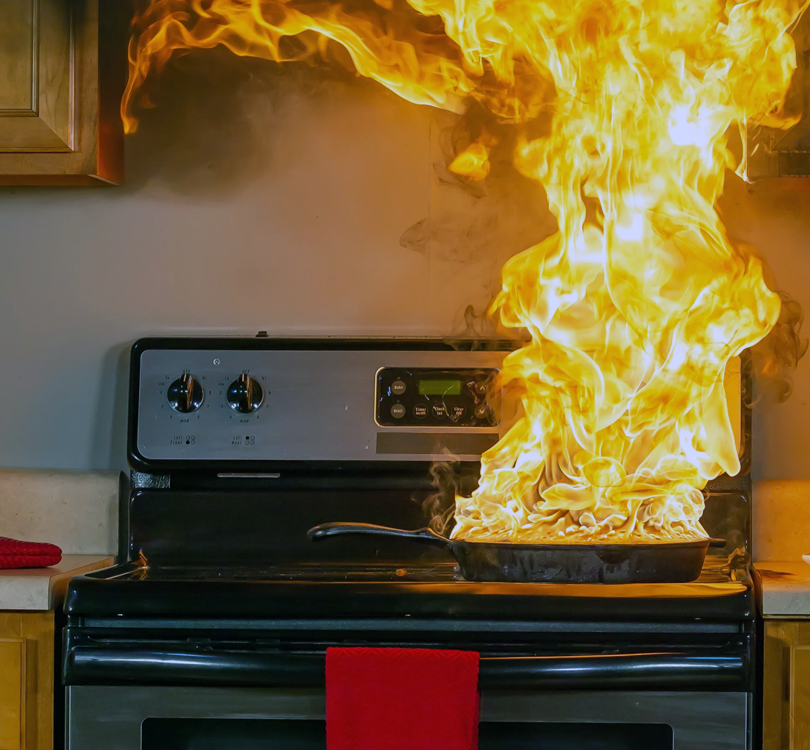
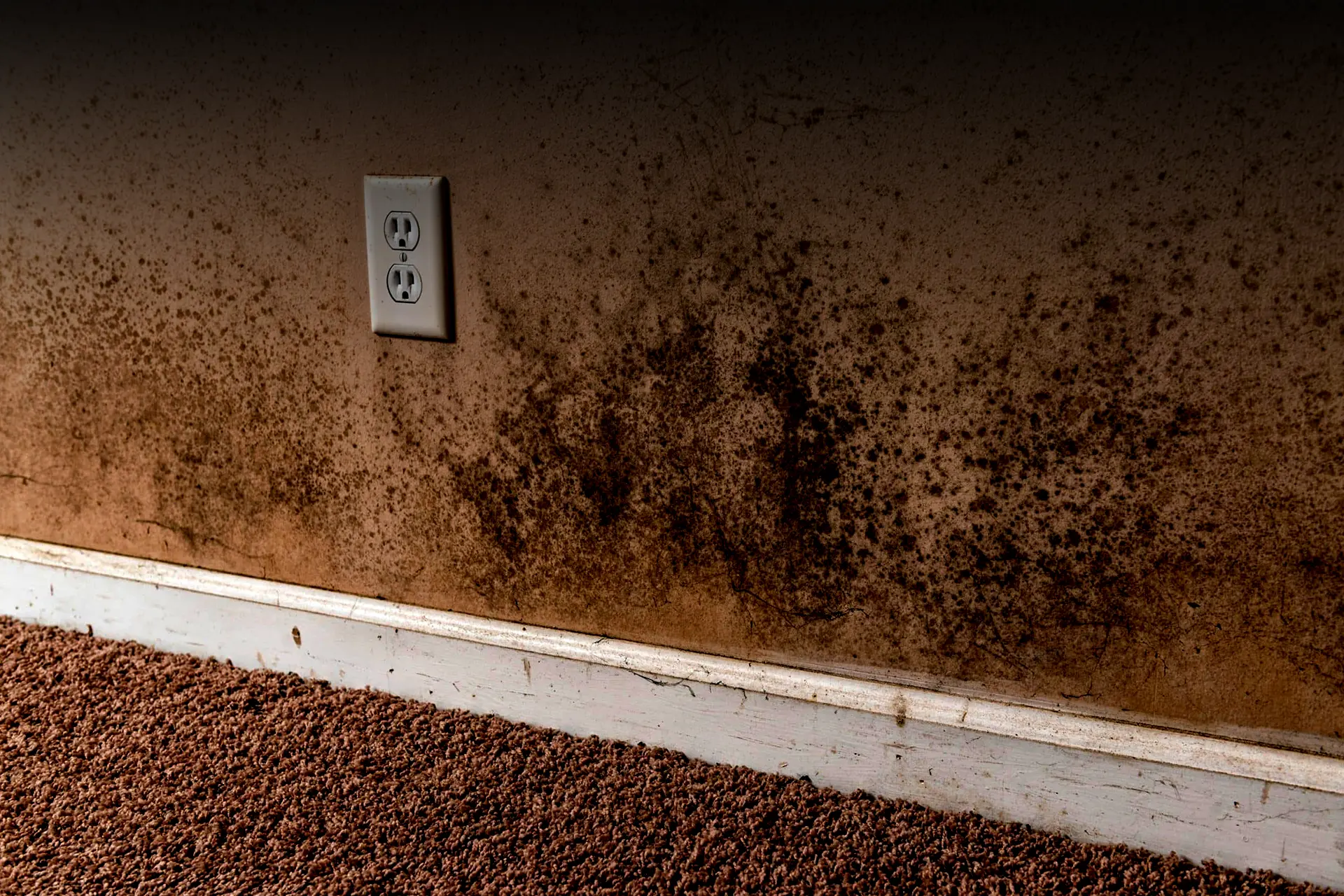
If you've been devastated by water, mold, fire, and/or smoke damage, know that your cherished possessions, your home or business, can all be restored to pre-damage condition; bringing back your peace of mind.
Whether water, mold, fire, or smoke causes damage to your home or business, the effects are heartbreaking and often life-changing. We at All Clean Restoration understand the devastation and pain these events can cause. We also understand that quick and proper action is crucial to prevent further damage, red tape, and cost.
Call us any time, day or night:
1-800-4223944
Related Topics:
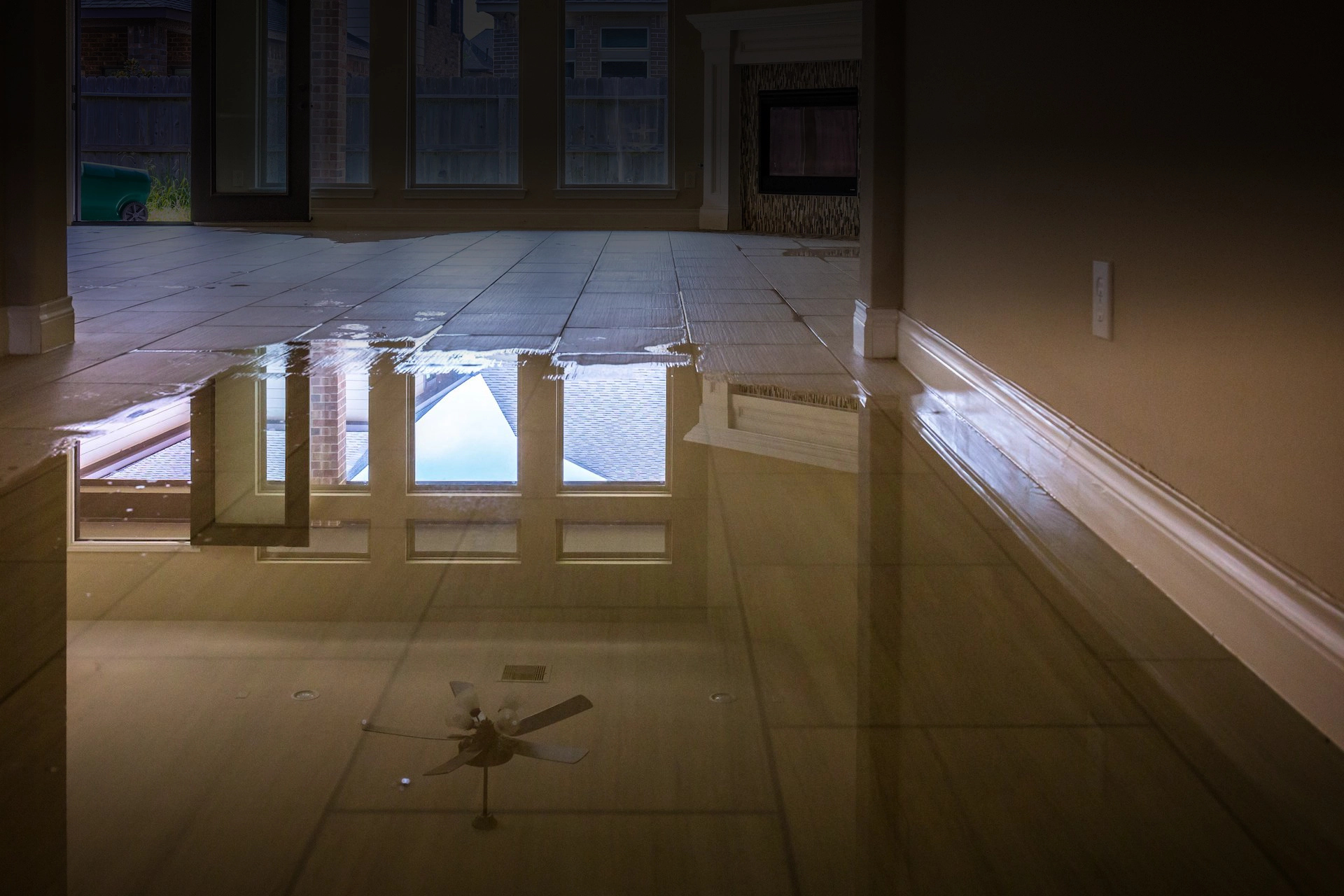
Water damage underneath laminate flooring is a Missouri or Illinois homeowner’s worst nightmare. Whether it comes from a leaky pipe, an appliance overflow, or a simple spill that wasn’t cleaned up quickly, hidden moisture can lead to warping, buckling, mold growth, and costly structural damage.
At All Clean Restoration, we’ve seen how fast water can compromise flooring—and how important quick action is to protect your home.
Key Takeaways
-
Water under flooring can lead to warping, buckling, and mold growth.
-
Common sources include leaky pipes, spills, roof leaks, appliance failures, and flooding.
-
Prompt emergency water removal is essential to prevent further damage.
-
Poor installation can increase the risk of seepage.
-
Ignoring moisture issues can result in expensive repairs, structural issues, and health hazards.
-
Water damage can significantly reduce property value in Missouri and Illinois.
What Happens If Water Gets Under My Flooring?
Water that works its way beneath laminate flooring doesn’t stay contained—it spreads. Over time, moisture can:
-
Cause warping and buckling as flooring materials absorb water
-
Lead to mold and mildew growth, posing potential health risks
-
Damage or rot the subfloor, creating long-term structural problems
In Missouri and Illinois, where heavy seasonal storms and fluctuating humidity are common, homeowners are especially vulnerable to hidden moisture. Spills, plumbing leaks, condensation, and improper installation can all allow water to seep under flooring.
Knowing what to look for—and responding quickly—can prevent major issues.
Signs of Water Under Flooring in Missouri & Illinois Homes
Early detection is key to minimizing damage. Look for:
Visible Changes
-
Dark or discolored spots
-
Warped, swollen, or raised boards
-
Blistering or peeling finish
-
Loose, uneven, or separating planks
Audible or Structural Changes
-
Squeaky or soft spots when walking
-
Sudden unevenness in the floor
Moisture Detection Tools
Using a moisture meter can help confirm whether water has made its way beneath the surface.
The sooner moisture is identified, the easier it is for professionals like All Clean Restoration to mitigate damage.
How to Fix Water Damage Under Different Flooring Types
The process depends on what type of flooring you have, but the general steps remain the same:
-
Identify and stop the water source
-
Remove affected flooring materials
-
Perform thorough structural drying to remove moisture from the subfloor
-
Inspect for mold growth and treat if necessary
-
Repair or replace flooring as needed
Hardwood Flooring
Hardwood is particularly vulnerable. Damaged planks must be removed, the subfloor dried, and in severe cases, large sections may need replacement.
Laminate & Tile Flooring
Laminate often cannot be salvaged once water infiltrates beneath it. Tile may sometimes be saved, but both require removal of affected areas and professional drying to prevent mold and subfloor deterioration.
With expert water damage restoration, homeowners can prevent long-term problems and restore their flooring safely.
How to Prevent Water Damage in Your Missouri or Illinois Home
Protecting your flooring begins with proactive home care:
-
Perform routine inspections for leaks or moisture spots
-
Use mats and rugs in high-moisture areas
-
Clean spills immediately
-
Maintain appliances and plumbing
-
Consider water-resistant flooring options, such as luxury vinyl
-
Ensure proper ventilation and humidity control
Taking preventative measures helps maintain the longevity and beauty of your flooring—while avoiding costly restoration projects.
Restore Your Property with All Clean Restoration in Missouri & Illinois
If you discover water under your flooring, don’t wait. Hidden moisture can spread quickly and cause extensive damage.
All Clean Restoration provides:
-
Emergency water damage restoration
-
Mold remediation
-
Professional structural drying
-
Flooring and subfloor damage assessments
-
Fast, reliable, and compassionate service
Protect your home, your flooring, and your peace of mind.
Contact All Clean Restoration today for a fast, professional assessment and restoration plan.
Recent Blog Articles:

In-Place Drying vs. Tear-Out: How Pro Drying Saves Your Home

Wet Carpet After a Flood or Leak: Can It Be Saved?

Winterizing Your Home to Prevent Frozen Pipes in the Metro East

Water Damage to Your Subfloor: The Damage You Can’t See
All Clean Restoration's Other Services
Whether water, mold, fire, or smoke causes damage to your home or business, the effects are heartbreaking and often life-changing. We at All Clean Restoration understand the devastation and pain these events can cause. We also understand that quick and proper action is crucial to prevent further damage, red tape, and cost.

Licensed | Bonded | Insured