LICENSED   |   BONDED  |   INSURED

618-235-3202
Proactive Steps to Prevent Frozen Pipes in the New Year

December 27, 2025
Preventing water damage due to frozen pipes

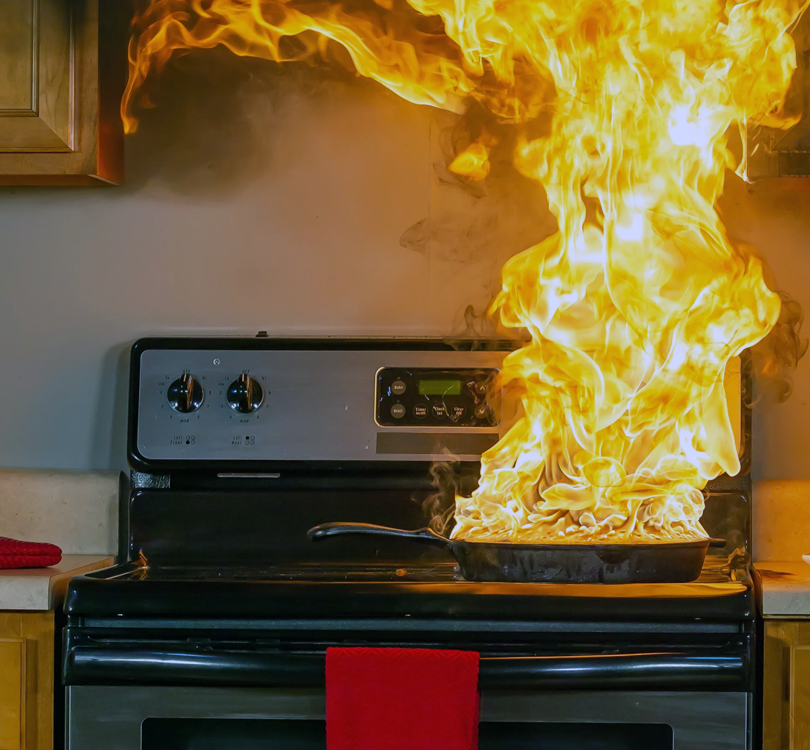
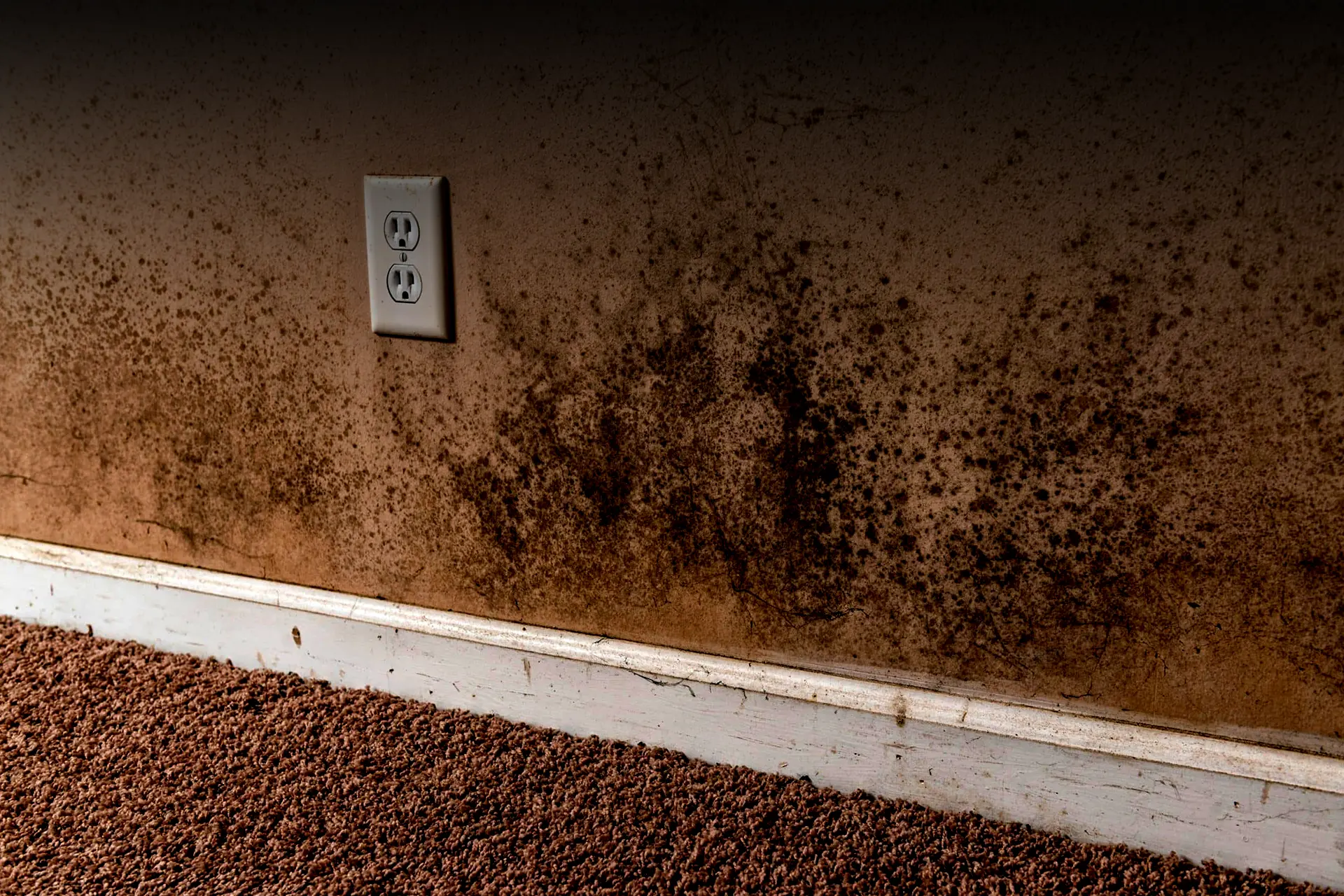
If you've been devastated by watermoldfire, and/or smoke damage, know that your cherished possessions, your home or business, can all be restored to pre-damage condition; bringing back your peace of mind.

Whether water, mold, fire, or smoke causes damage to your home or business, the effects are heartbreaking and often life-changing. We at All Clean Restoration understand the devastation and pain these events can cause. We also understand that quick and proper action is crucial to prevent further damage, red tape, and cost.

Call us any time, day or night:

1-800-4223944

Related Topics:

Preventing water damage due to frozen pipes starts before the temperature drops. Use these tips to keep your water flowing:

  • Insulate Vulnerable Pipes: Apply foam insulation to pipes in unheated areas like basements, attics, and crawlspaces.

  • Use Heat Tape: For high-risk areas, wrap pipes in UL-approved heat tape to provide consistent warmth.

  • Manage Outdoor Faucets: Use indoor shut-off valves to drain water from outdoor lines. At the very least, disconnect all garden hoses to prevent water from backing up into the house and freezing.

  • The “Trickle” Method: During extreme cold, keep a slow drip running from the faucet farthest from your water main. Moving water is much harder to freeze.

  • Open Cabinet Doors: If you have plumbing on an exterior wall, keep the cabinet doors open to allow warm household air to circulate around the pipes.

  • Traveling Tips: If you’re leaving for vacation, keep your thermostat set to at least 55°F. Alternatively, shut off the main water supply and drain the lines by opening the lowest faucet in the house.


What Should I Do if My Pipes Freeze?

If you turn on the tap and nothing comes out, act quickly. The faster you thaw the pipe, the lower the risk of a burst and subsequent water damage.

Safe Thawing Techniques:

  1. Expose the Area: If pipes are behind a drop ceiling or in a closet, open them up to let heat reach the plumbing.

  2. Use a Heat Gun or Hair Dryer: Gently warm the frozen section. Never use a blowtorch or open flame, as this is a fire hazard and can damage the pipes.

  3. Warm Rags: Wrapping the pipe in rags soaked in hot water can provide a slow, safe thaw.

  4. Check Appliances: If water is off for a long time, monitor your water heater and boiler to ensure they aren’t damaged by the lack of flow.


What Should I Do if a Pipe Breaks?

A burst pipe is a true emergency. Water restoration becomes much more difficult the longer the water sits.

  • Shut Off the Water Immediately: You must stop the flow at the source.

  • Locate Your Valves: Familiarize yourself with your curb stop (usually near the property line) and your main interior shut-off valve (usually near the water meter).

  • Maintain Your Valves: Periodically turn older “gate valves” to prevent corrosion. Newer Teflon-coated ball valves are more reliable but should still be checked annually.


Professional Water Restoration Services

Even a small leak can lead to structural rot and mold growth. If you find yourself facing water damage from a frozen pipe, don’t wait.

All Clean Restoration specializes in rapid-response water restoration. We use professional-grade drying equipment to extract moisture and restore your property to its pre-loss condition.

Recent Blog Articles:

Severe weather and storm damage is a fact of life in Southern Illinois and Missouri. The bi-state metro area sits in a region that experiences some of the most climatically diverse and severe weather in the United States: powerful spring and summer thunderstorms with high winds, hail, and torrential rain; periodic tornadoes; winter ice storms and blizzards; and flooding events from the Mississippi and Missouri river systems that can impact communities across the region. When severe weather strikes, homes bear the brunt of the assault — and water is almost always part of the damage.

Storm Damage and Water in Your Home: What to Do When the Weather Wins

Severe weather and storm damage is a fact of life in Southern Illinois and Missouri. The bi-state metro area sits in a region that experiences some of the most climatically diverse and severe weather in the United States: powerful spring and summer thunderstorms with high winds, hail, and torrential rain; periodic tornadoes; winter ice storms and blizzards; and flooding events from the Mississippi and Missouri river systems that can impact communities across the region. When severe weather strikes, homes bear the brunt of the assault — and water is almost always part of the damage.
Water in your walls is hidden from view, often undetected for extended periods, and silently causes progressive structural damage and mold growth that can ultimately compromise the integrity of your home and the health of everyone living in it. By the time most homeowners discover water in their walls, significant damage has already occurred — and it could have been prevented or significantly reduced with earlier detection and professional response.

Water in Your Walls: The Silent Destroyer You Can’t Afford to Ignore

Water in your walls is hidden from view, often undetected for extended periods, and silently causes progressive structural damage and mold growth that can ultimately compromise the integrity of your home and the health of everyone living in it. By the time most homeowners discover water in their walls, significant damage has already occurred — and it could have been prevented or significantly reduced with earlier detection and professional response.
Attic water damage occurs through several distinct pathways. Roof leaks are the most common and most direct: water penetrating a damaged or deteriorated roof system enters the attic at the point of failure and spreads from there. The exact failure point may be a few missing or damaged shingles, failed flashing at a chimney, pipe boot, or ridge cap, ice dam formation at the eaves during winter, or simply the accumulated deterioration of an aging roof system reaching the end of its service life.

Water Damage in Your Attic: Signs, Causes, and What to Do

Attic water damage occurs through several distinct pathways. Roof leaks are the most common and most direct: water penetrating a damaged or deteriorated roof system enters the attic at the point of failure and spreads from there. The exact failure point may be a few missing or damaged shingles, failed flashing at a chimney, pipe boot, or ridge cap, ice dam formation at the eaves during winter, or simply the accumulated deterioration of an aging roof system reaching the end of its service life.
When water damage occurs, most people's first thought is simply to get the water out. And water removal — extraction of standing and surface water — is certainly the critical first action. But water removal alone does not constitute complete water remediation, and understanding the difference between these two concepts is important for any property owner facing a water damage event.

Water Remediation vs. Water Removal: Understanding What Your Property Actually Needs

When water damage occurs, most people's first thought is simply to get the water out. And water removal — extraction of standing and surface water — is certainly the critical first action. But water removal alone does not constitute complete water remediation, and understanding the difference between these two concepts is important for any property owner facing a water damage event.

All Clean Restoration's Other Services

Whether water, mold, fire, or smoke causes damage to your home or business, the effects are heartbreaking and often life-changing. We at All Clean Restoration understand the devastation and pain these events can cause. We also understand that quick and proper action is crucial to prevent further damage, red tape, and cost.

We are honored to help in your time of need.

We are committed to delivering exceptional customer service and restoring homes and businesses to their pre-loss condition. For more than 40 years throughout Southern Illinois, we've prioritized communication with our clients, walking them through the entire restoration process from the moment we arrive to walking back into their restored homes and offices.

618-235-3202

Licensed  |  Bonded  |  Insured