LICENSED | BONDED | INSURED
618-235-3202
The Hidden Dangers of Winter Water Damage After the Storm

If you've been devastated by water, mold, fire, and/or smoke damage, know that your cherished possessions, your home or business, can all be restored to pre-damage condition; bringing back your peace of mind.
Whether water, mold, fire, or smoke causes damage to your home or business, the effects are heartbreaking and often life-changing. We at All Clean Restoration understand the devastation and pain these events can cause. We also understand that quick and proper action is crucial to prevent further damage, red tape, and cost.
Call us any time, day or night:
1-800-4223944
Related Topics:
When the winter temperatures drop and the snow starts to pile up, most people think about hot cocoa and cozy nights by the fire. However, for many property owners, winter brings a different set of challenges: frozen pipes, ice dams, and the devastating aftermath of water damage.
At All Clean Restoration, we have seen firsthand how a single winter storm can cause thousands of dollars in property damage. Whether it’s a burst pipe in a crawlspace or water seepage from an ice dam on your roof, the key to saving your property—and your sanity—is acting fast.
Here is expert advice on how to handle water and ice damage this winter.
The Hidden Dangers of Winter Water Damage
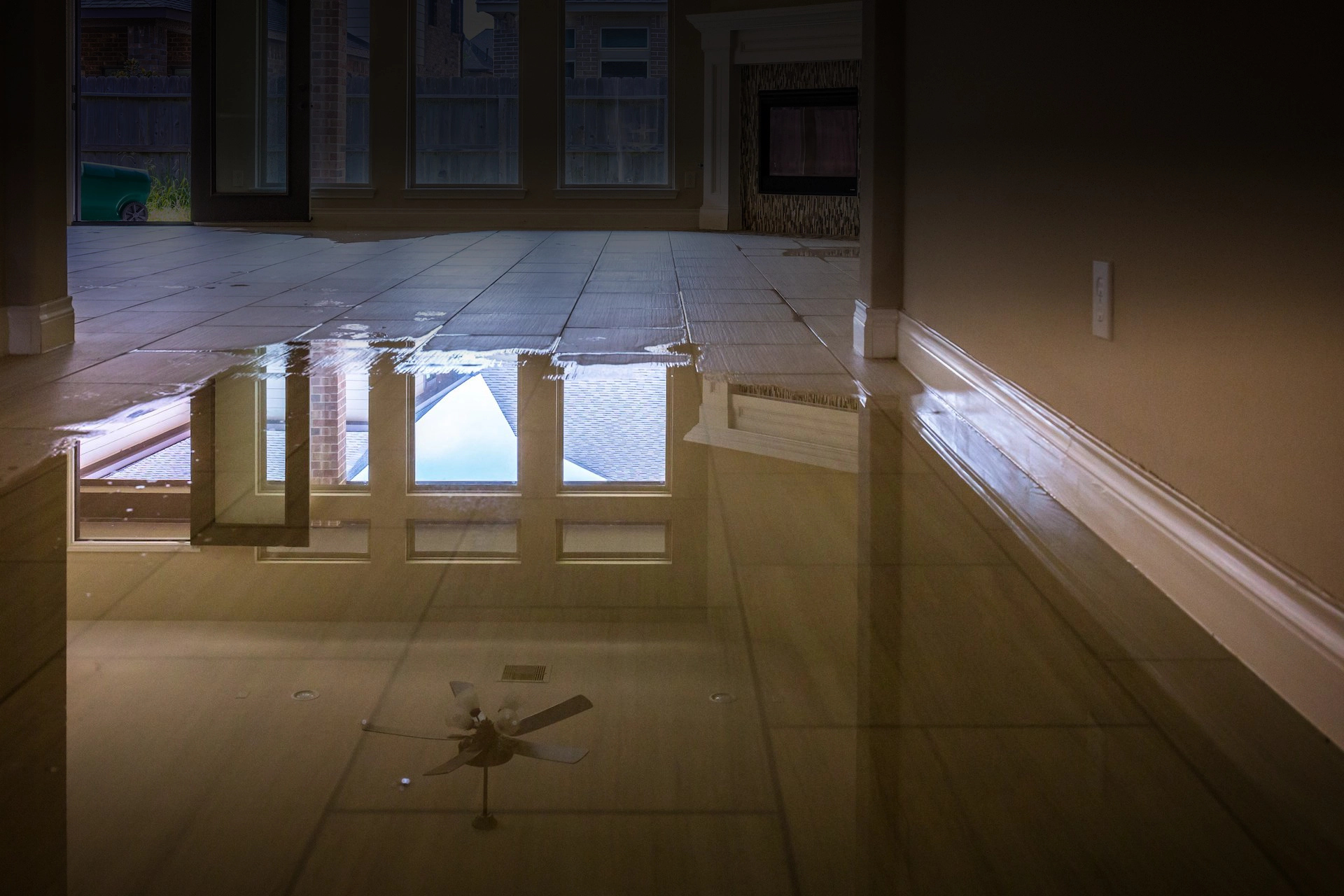
Winter water damage is unique because it often happens in places you can’t see until it’s too late.
-
Frozen & Burst Pipes: When water freezes in your pipes, it expands, causing the pipe to crack. Once the ice thaws, the water flows freely into your walls, ceilings, and floors.
-
Ice Dams: Snow on your roof can melt and refreeze at the gutters, creating a “dam.” This forces melting water under your shingles and into your attic, leading to ceiling water damage and wall water damage.
-
Sump Pump Failure: Heavy snowmelt can overwhelm your drainage system. If your sump pump fails or loses power, your basement is at high risk for flooding.
Expert Steps to Take After a Winter Storm
If you discover a leak or standing water after a storm, follow these steps immediately to mitigate the damage:
1. Prioritize Safety
Before entering a flooded area, ensure the power is off. Water and electricity are a deadly combination. If you cannot reach the breaker safely, call your utility provider.
2. Stop the Source
If you have a broken pipe, locate your main water shut-off valve and turn it off immediately. This is the single most important step in preventing a small leak from becoming a total loss.
3. Document the Damage
Before you start cleaning, take photos and videos of the affected areas and items. As an insurance carrier preferred company, All Clean Restoration works directly with your adjusters. Having clear documentation will help streamline your insurance claim.
4. Professional Water Extraction
Standing water causes continuous damage to building materials. Standard shop-vacs often aren’t enough. Our team uses industrial-grade water extraction equipment to remove standing water quickly, preventing it from seeping deeper into your subfloors and structural elements.
5. Structural Drying & Dehumidification
Even after the water is gone, moisture remains trapped in drywall, hardwood floors, and insulation. We utilize high-powered air movers and professional-grade dehumidifiers for structural drying. Without this, you are at high risk for mold growth, which can begin in as little as 24–48 hours.
Why Choose All Clean Restoration?
With over 40 years of expertise, All Clean Restoration is the trusted name for residential and commercial property restoration. Our IICRC certified technicians are available 24/7 for emergency water removal.
We specialize in:
-
Hardwood Floor Drying: Saving your beautiful floors from warping and cupping.
-
Sewage Backup Cleanup: Safely sanitizing your property after a backup.
-
Mold Remediation: Ensuring your indoor air quality remains safe after a water event.
-
Insurance Claim Assistance: We take the stress out of the process by working directly with your insurance agent and adjuster.
Don’t Wait for the Thaw!
If your home or business has been impacted by winter weather, time is of the essence. All Clean Restoration provides rapid response to minimize your financial loss and get your life back on track.
Need help now? Contact us today for a free estimate or call our 24/7 Emergency Hotline!
Serving the St. Louis and Metro East areas with expert restoration services you can count on.
Recent Blog Articles:

In-Place Drying vs. Tear-Out: How Pro Drying Saves Your Home

Wet Carpet After a Flood or Leak: Can It Be Saved?

Winterizing Your Home to Prevent Frozen Pipes in the Metro East

Water Damage to Your Subfloor: The Damage You Can’t See
All Clean Restoration's Other Services
Whether water, mold, fire, or smoke causes damage to your home or business, the effects are heartbreaking and often life-changing. We at All Clean Restoration understand the devastation and pain these events can cause. We also understand that quick and proper action is crucial to prevent further damage, red tape, and cost.

Licensed | Bonded | Insured