LICENSED | BONDED | INSURED
618-235-3202
Attic Mold: The Result of Failed Roof Repairs and Poor Venting

If you've been devastated by water, mold, fire, and/or smoke damage, know that your cherished possessions, your home or business, can all be restored to pre-damage condition; bringing back your peace of mind.
Whether water, mold, fire, or smoke causes damage to your home or business, the effects are heartbreaking and often life-changing. We at All Clean Restoration understand the devastation and pain these events can cause. We also understand that quick and proper action is crucial to prevent further damage, red tape, and cost.
Call us any time, day or night:
1-800-4223944
Related Topics:
Attic Mold: The Result of Failed Roof Repairs and Poor Venting
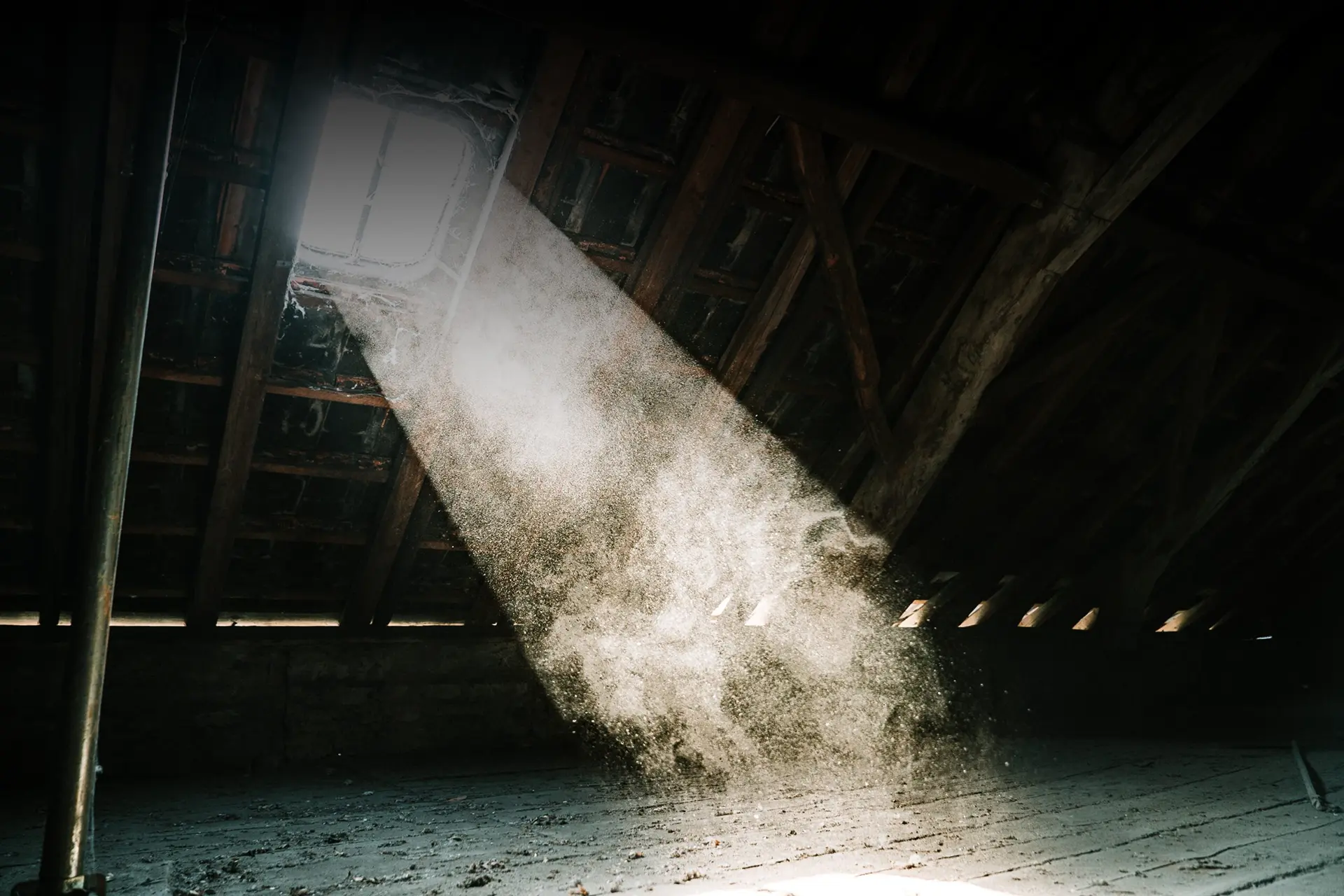
The attic is often “out of sight, out of mind” for most homeowners. Yet, it is one of the most common places for mold to take hold. Because attics are rarely visited and are subject to extreme temperature fluctuations, a small moisture problem can transform into a massive mold colony before anyone notices.
At All Clean Restoration, we specialize in attic mold removal, but more importantly, we focus on identifying the “why” behind the mold. Removing the mold is only half the job; ensuring it never returns requires a deep understanding of attic ventilation and moisture dynamics.
The Two Primary Culprits: Leaks and Airflow
Attic mold is almost always caused by one of two issues:
- Roof Failures: This isn’t always a gaping hole in the roof. Often, it’s a slow, “seeping” leak around a chimney flashing, a valley, or a plumbing vent pipe. These leaks might not even cause a drip on your ceiling; instead, the water runs down the rafters, keeping the wood just damp enough for mold to thrive.
- Improper Ventilation (The “Hidden” Cause): This is perhaps the most common cause of attic mold in the Midwest. When bathroom exhaust fans or dryer vents are “vented” into the attic rather than through the roof, they pump gallons of warm, moist air into a cold space. In the winter, this moisture condenses on the cold roof sheathing, essentially “watering” the mold spores that live on the wood.
The Dangers of Attic Mold
While you may not spend time in your attic, the air in your attic does spend time in your home. Through a phenomenon known as the “Stack Effect,” air naturally rises through your home and escapes through the attic. However, pressure changes can also cause attic air to be drawn down into the living spaces. If your attic is filled with mold spores, they can affect the air quality of your entire home, leading to respiratory issues and allergic reactions.
Furthermore, mold is a wood-destroying organism. Over time, it can weaken the roof sheathing and rafters, leading to structural integrity issues that are incredibly expensive to repair.
The Clinical Remediation Process
All Clean Restoration follows a rigorous, multi-step process for attic mold remediation:
- Containment and Negative Air: Before we start, we seal off the attic access and use high-volume air scrubbers to create negative pressure. This ensures that spores are pulled into our HEPA filters and out of your house, rather than settling in your bedrooms.
- HEPA Vacuuming: We remove the surface spores using specialized vacuums.
- Abrasive Cleaning or Media Blasting: Depending on the severity, we may use “dry ice blasting” or specialized sanding to remove mold that has grown into the “pores” of the wood.
- Antimicrobial Treatment: We apply professional-grade sealants that kill any remaining spores and provide a moisture-resistant barrier to prevent future growth.
- Insulation Management: Often, attic mold is accompanied by “matted” or contaminated insulation. We provide professional insulation removal and replacement to ensure your attic is clean and energy-efficient.
Conclusion: A Scientific Approach to Attic Health
Don’t let a hidden attic problem threaten your home’s value or your family’s health. At All Clean Restoration, we bring 45 years of experience to every attic we inspect. We don’t just clean mold; we solve moisture problems.
Suspect an attic mold problem? Call us today for a professional assessment and a permanent solution.
- Illinois: 618-235-3202
Missouri: 314-454-0442
Recent Blog Articles:

How Long Does Water Damage Restoration Take?

The Fire Damage Restoration Process, Step by Step

Hidden Threats: Is Mold Growing Inside Your Walls?

Reconstruction After Water Damage: What Happens Once the Drying Is Done
All Clean Restoration's Other Services
Whether water, mold, fire, or smoke causes damage to your home or business, the effects are heartbreaking and often life-changing. We at All Clean Restoration understand the devastation and pain these events can cause. We also understand that quick and proper action is crucial to prevent further damage, red tape, and cost.

Licensed | Bonded | Insured