LICENSED | BONDED | INSURED
618-235-3202
Basement Flooding After Heavy Rain? Causes, Solutions, and How All Clean Restoration Can Help

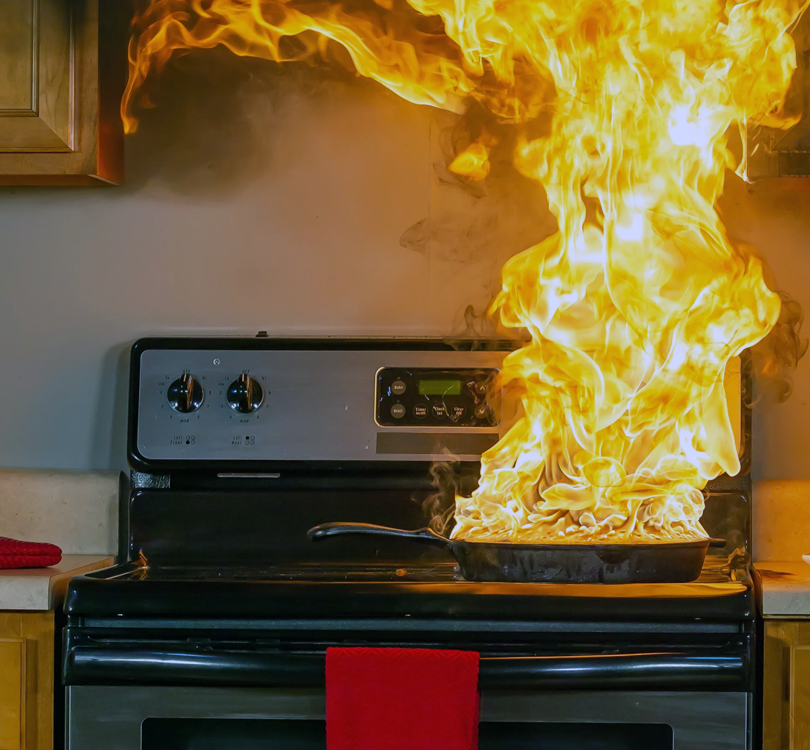
If you've been devastated by water, mold, fire, and/or smoke damage, know that your cherished possessions, your home or business, can all be restored to pre-damage condition; bringing back your peace of mind.
Whether water, mold, fire, or smoke causes damage to your home or business, the effects are heartbreaking and often life-changing. We at All Clean Restoration understand the devastation and pain these events can cause. We also understand that quick and proper action is crucial to prevent further damage, red tape, and cost.
Call us any time, day or night:
1-800-4223944
Related Topics:
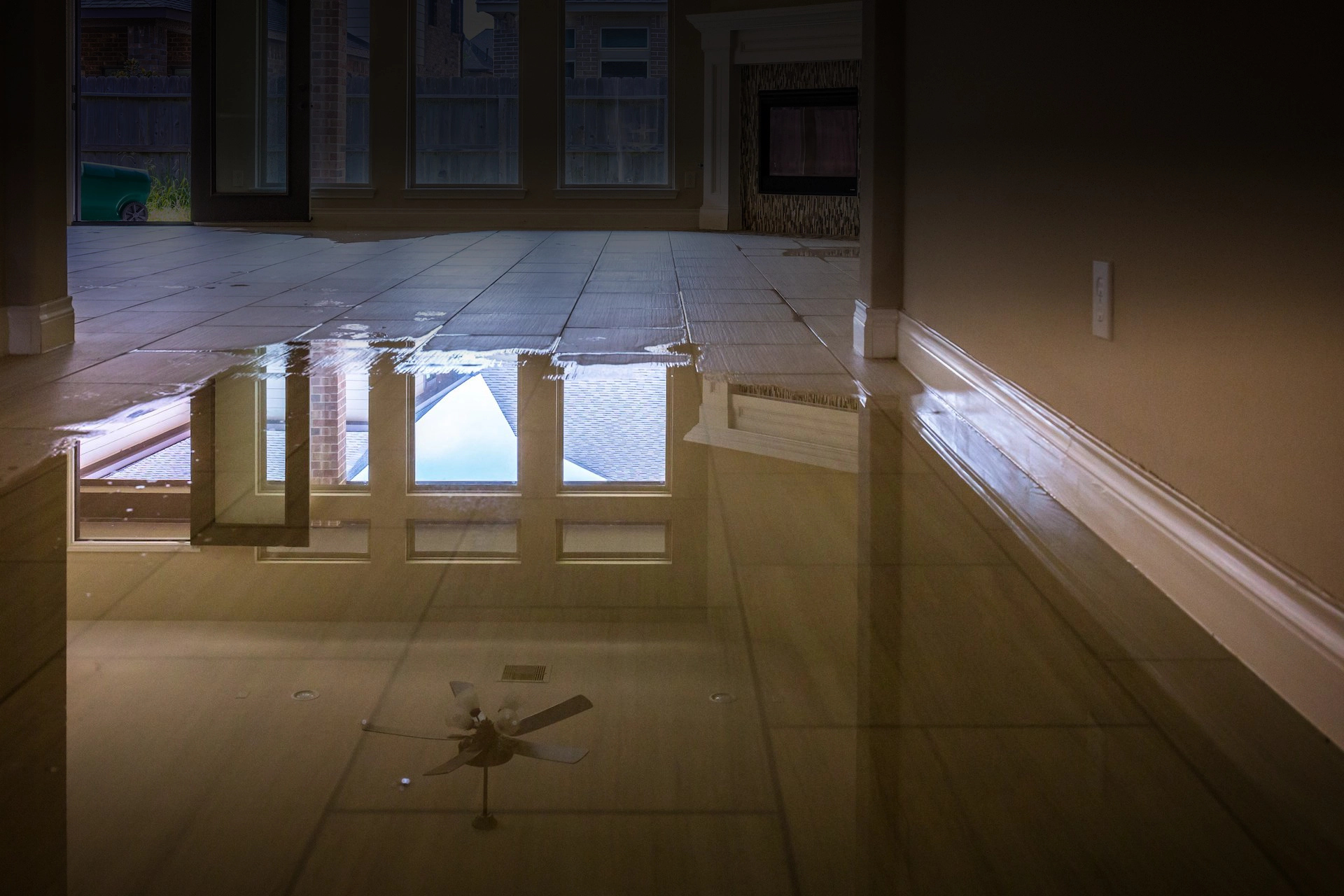
At All Clean Restoration, we are experts in water damage restoration and mold remediation. We frequently help homeowners deal with basement flooding caused by severe storms, burst pipes, and drainage backups. Understanding why this happens is the first step toward preventing future damage and protecting your biggest investment—your home.
Common Causes of Basement Flooding
To stop the water, you have to know where it’s coming from. Here are the most common culprits behind a wet basement.
1. Poor Drainage Around the Foundation
Improper drainage is one of the leading causes of water damage. If rainwater isn’t directed away from your home effectively, it pools around the foundation and eventually seeps inside.
-
The Fix: Check for clogged or broken gutters, insufficient downspouts, or landscaping that slopes toward your house rather than away from it.
2. Cracks in the Foundation
Over time, your home’s foundation settles, creating small cracks. While they may look harmless, these cracks are open doors for water during periods of heavy rainfall.
-
The Risk: Saturated soil creates pressure that forces water through these tiny gaps, leading to significant accumulation in your basement.
3. Sump Pump Failure
Many homes rely on a sump pump to keep the basement dry. However, power outages during storms or mechanical failures can leave your home vulnerable right when you need protection the most.
-
Maintenance Tip: Regular testing and maintenance are crucial. Without a working pump, basement flooding is almost inevitable during a storm.
4. Sewer or Drain Backup
When heavy rain overwhelms the municipal drainage system, it can cause backups in your home’s sewer lines. This results in sewage and wastewater flowing into your basement through floor drains.
-
Health Warning: This creates a hazardous, unsanitary environment. All Clean Restoration specializes in sewage cleanup, which requires professional-grade equipment to ensure safety and sanitation.
5. Hydrostatic Pressure
After a heavy storm, the ground becomes saturated. This groundwater exerts “hydrostatic pressure” against your foundation walls. This force can push water through concrete, even if there are no visible cracks. Over time, this pressure can compromise your home’s structural integrity.
How to Prevent Basement Flooding
While you can’t control the weather, you can take steps to reduce the risk of water damage:
-
Improve Drainage Systems: Ensure gutters are clean and downspouts direct water at least 10 feet away from your foundation.
-
Seal Foundation Cracks: Inspect your exterior and interior walls. Seal cracks with professional waterproofing material to block seepage.
-
Maintain Your Sump Pump: Test your pump regularly. We highly recommend installing a battery backup system so your pump keeps running even if the power goes out.
-
Invest in Professional Waterproofing: Services like those offered by All Clean Restoration are an excellent investment for long-term protection.
-
Install a Backwater Valve: This device automatically blocks the flow of sewage into your basement when the city sewer system becomes overwhelmed.
What To Do If Your Basement Floods
If you are already standing in water, time is of the essence. Acting fast minimizes damage and reduces restoration costs.
-
Prioritize Safety (Turn Off Power): Water and electricity are a deadly combination. Do not enter a flooded basement until the power to that area has been shut off.
-
Call the Professionals: Contact All Clean Restoration immediately. We have the specialized equipment to handle emergency water extraction, cleanup, and drying efficiently.
-
Remove Water Quickly: The longer water sits, the more damage it causes to drywall, flooring, and furniture. Professional pumps and industrial dehumidifiers are necessary to dry the structure completely.
-
Clean and Disinfect: Standing water—especially from backups—can lead to mold growth within 24 to 48 hours. Proper disinfection is critical to prevent health risks.
-
Inspect for Structural Damage: Water weakens foundations. Have a professional inspect your home to ensure it is safe and structurally sound.
Conclusion
Basement flooding is stressful, but you don’t have to face it alone. Whether the issue is caused by poor drainage, foundation cracks, or a sump pump failure, All Clean Restoration is here to help with expert water extraction, cleanup, and restoration services.
Don’t wait until the next storm hits—take proactive steps today to safeguard your home.
Need immediate help with basement flooding or water damage? Contact All Clean Restoration today for 24/7 Emergency Service.
Recent Blog Articles:

Steps To Take When Your Home Is Affected By Water Damage

What To Expect With Mold Removal And Mold Remediation

What You Should Know About Water Damage In St. Louis and Illinois

Need Black Mold Removal Or Remediation in St Louis?
- « Previous
- 1
- …
- 29
- 30
- 31
All Clean Restoration's Other Services
Whether water, mold, fire, or smoke causes damage to your home or business, the effects are heartbreaking and often life-changing. We at All Clean Restoration understand the devastation and pain these events can cause. We also understand that quick and proper action is crucial to prevent further damage, red tape, and cost.

Licensed | Bonded | Insured