LICENSED | BONDED | INSURED
618-235-3202
Basement Flooding in Southern Illinois: Causes, Consequences, and What to Do Right Now

If you've been devastated by water, mold, fire, and/or smoke damage, know that your cherished possessions, your home or business, can all be restored to pre-damage condition; bringing back your peace of mind.
Whether water, mold, fire, or smoke causes damage to your home or business, the effects are heartbreaking and often life-changing. We at All Clean Restoration understand the devastation and pain these events can cause. We also understand that quick and proper action is crucial to prevent further damage, red tape, and cost.
Call us any time, day or night:
1-800-4223944
Related Topics:
The basement is one of the most vulnerable spaces in any Southern Illinois home — and basement flooding is one of the most disruptive, expensive, and emotionally overwhelming property emergencies a homeowner can face. Whether it happened from a torrential spring rainstorm, a failed sump pump, a burst pipe, or a backed-up floor drain, a flooded basement demands fast, expert action.
At All Clean Restoration, basement water removal and flood cleanup are among the most common calls we receive throughout Belleville, Edwardsville, O’Fallon, Collinsville, and the greater Metro East region. Here’s what you need to know about why basements flood, what the risks are, and how to respond effectively.
Why Basements Flood in Southern Illinois
The geology, climate, and infrastructure of Southern Illinois create a perfect recipe for basement flooding risk:
Heavy Rainfall and Stormwater Runoff The Metro East region regularly experiences significant rainfall events, particularly in spring and early summer. When soil becomes saturated and stormwater runoff overwhelms drainage systems, hydrostatic pressure builds against basement walls and floors — driving water in through foundation cracks, floor joints, and utility penetrations.
Sump Pump Failure Sump pumps are the first line of defense for most Southern Illinois basements — and they fail. Power outages during the same storms that produce flooding are common, as are mechanical failures in aging pumps. Without a battery backup system, a failed sump pump can mean hundreds of gallons of water entering your basement in hours.
Sewer and Floor Drain Backups When municipal sewer systems are overwhelmed by heavy rain, sewage can back up through floor drains and basement toilets. This is a Category 3 water event — highly contaminated water carrying raw sewage — and it requires specialized cleanup protocols and professional handling. Do not attempt to clean up sewage backup yourself.
Burst or Leaking Pipes Frozen pipe failures are common in Illinois winters. A single burst 3/4-inch supply line can discharge 50+ gallons of water per minute. In a basement, this can mean feet of standing water in a matter of hours.
Foundation Cracks and Waterproofing Failures Over time, foundation walls develop cracks that allow groundwater infiltration, particularly during wet seasons. Aging waterproofing membranes fail. Window wells fill up and allow water to enter around basement windows.
The Hidden Dangers of Basement Flooding
Beyond the obvious physical damage, a flooded basement presents serious health and safety risks that many homeowners underestimate:
Electrical Hazards: Standing water and electricity are a deadly combination. Never enter a flooded basement until the power has been shut off at the breaker — and if you’re unsure whether the panel was affected by the flooding, call an electrician before entering.
Structural Damage: Prolonged water exposure to poured concrete foundations, block walls, and wood framing can cause serious structural deterioration. Foundation walls can bow and crack under sustained hydrostatic pressure.
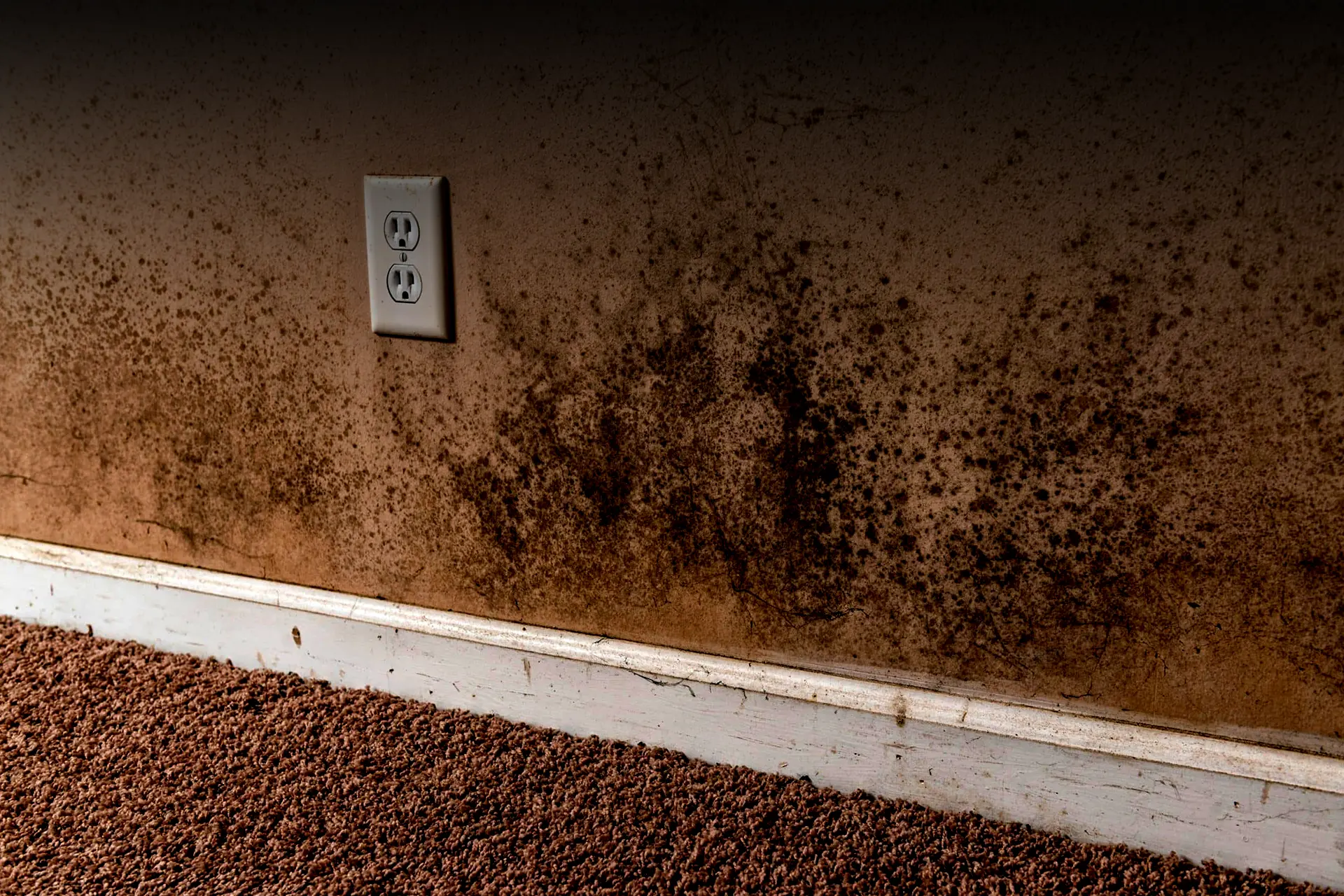
Mold Growth: A flooded basement provides everything mold needs — moisture, organic material, and darkness. Without professional drying, mold can begin colonizing wet materials within 24–48 hours. Basement mold is particularly problematic because it affects the air quality of the entire home through the stack effect — air from your basement circulates throughout your living spaces.
Contamination: Depending on the water source, a flooded basement may contain sewage, chemicals from stored containers, fuel oil (especially in homes with oil heat), and other hazardous materials.
What to Do Immediately When Your Basement Floods
- Stop the water source if possible. Shut off the main water supply if a pipe has burst. If it’s stormwater or a sewer backup, the source cannot be stopped — focus on the next steps.
- Cut power to the basement. If the electrical panel is not in the flooded area and you can do so safely, turn off the circuit breakers for the basement. If the panel is in the basement or you’re unsure, call an electrician.
- Do not enter contaminated water. If there is any possibility of sewage contamination or hazardous chemicals in the water, do not wade through it without proper protective equipment.
- Call All Clean Restoration immediately: 618-235-3202. Available 24/7, our crew will be on-site within 30 minutes. While you wait, move valuables to higher ground if you can do so safely and without contact with contaminated water.
- Document everything before cleanup begins. Take photos and video of the water level, affected contents, and visible damage. This is important for your insurance claim.
- Do not run your HVAC system. Running the heat or air conditioning in a flooded home can distribute contaminated air, accelerate mold spread, and complicate the drying process.
How All Clean Restoration Handles Basement Flooding
When we arrive at your flooded basement, our team:
- Assesses water category and contamination level
- Extracts all standing water with industrial-grade extraction equipment
- Removes wet flooring, carpet, and saturated insulation as needed
- Sets up commercial air movers and dehumidifiers for structural drying
- Treats all affected surfaces with antimicrobial agents
- Documents the full scope of damage for your insurance claim
- Coordinates with your adjuster to ensure the claim is complete and accurate
We serve homeowners throughout the Metro East, including Alton, Bethalto, Godfrey, Highland, Mascoutah, Red Bud, and Wood River.
For basement flooding in Southern Illinois, there’s only one call to make: All Clean Restoration at 618-235-3202.
Recent Blog Articles:

Toilet Overflow Cleanup: When “Just a Little Water” Isn’t

Your Water Heater Just Failed: A First-Hour Playbook

Water in Your Crawl Space: The Hidden Threat Under Your Home

Ceiling Water Damage: What That Brown Stain Really Means
All Clean Restoration's Other Services
Whether water, mold, fire, or smoke causes damage to your home or business, the effects are heartbreaking and often life-changing. We at All Clean Restoration understand the devastation and pain these events can cause. We also understand that quick and proper action is crucial to prevent further damage, red tape, and cost.


Licensed | Bonded | Insured