LICENSED | BONDED | INSURED
618-235-3202
Basement Leakage 101: Identifying the Real Problem Before It Destroys Your Home

If you've been devastated by water, mold, fire, and/or smoke damage, know that your cherished possessions, your home or business, can all be restored to pre-damage condition; bringing back your peace of mind.
Whether water, mold, fire, or smoke causes damage to your home or business, the effects are heartbreaking and often life-changing. We at All Clean Restoration understand the devastation and pain these events can cause. We also understand that quick and proper action is crucial to prevent further damage, red tape, and cost.
Call us any time, day or night:
1-800-4223944
Related Topics:
When you discover water in your basement, your first instinct might be to grab a mop, set up a fan, and hope it doesn’t happen again. But basement water damage is rarely a simple, one-time event. It’s almost always a symptom of a deeper problem—one that will continue causing damage, costing you money, and threatening your home’s structural integrity until you identify and address the root cause.
At All Clean Restoration, we’ve responded to thousands of basement flooding emergencies throughout Belleville, Western Illinois, and the St. Louis Metropolitan area over the past 45 years. The homeowners who fare best aren’t necessarily those who catch the problem earliest—they’re the ones who understand that effective basement water damage restoration requires finding and fixing the source, not just cleaning up the symptom.
Understanding Basement Water: Where It Comes From
Not all basement water problems are created equal. The source of your water determines everything: what damage it’s causing, what health risks it poses, how to remove it effectively, and most importantly, how to prevent it from happening again.
External Water Sources
Groundwater Intrusion – Heavy rains or snowmelt saturate the soil around your foundation. Water seeks the path of least resistance—often directly through your basement walls or floor. This is particularly common in Edwardsville, O’Fallon, and Collinsville where clay-heavy soil doesn’t drain well.
Surface Water Runoff – Improper grading around your home, clogged gutters, or downspouts that discharge too close to your foundation direct water straight to your basement. What starts as rain on your roof ends up pooling against your foundation and seeping through cracks.
Hydrostatic Pressure – When groundwater levels rise after storms, they create pressure against your foundation walls and floor. This pressure forces water through any weak point—cracks, joints, or porous concrete. Even foundations without visible cracks can experience seepage under sufficient pressure.
Window Well Leaks – Basement windows sit in wells that can fill with water during heavy rain. Without proper drainage, that water finds its way inside through window frames or cracks around the opening.
Internal Water Sources
Sump Pump Failure – Your sump pump is the last line of defense against basement flooding. When it fails—due to power outages, mechanical breakdown, or overwhelmed capacity—water that should be pumped away accumulates in your basement instead. This is especially critical in Fairview Heights and Glen Carbon during severe weather.
Plumbing Leaks – Burst pipes, leaking water heaters, failed washing machine hoses, or broken water supply lines can flood your basement rapidly. Unlike slow seepage, plumbing failures often create standing water measured in inches within hours.
Sewage Backup – When municipal sewer systems become overwhelmed during heavy rain, sewage can back up through your basement drains. This creates not just water damage but a hazardous contamination situation requiring immediate professional sewage backup cleanup.
HVAC Condensate Issues – Air conditioner condensate lines can clog or disconnect, causing water to accumulate near your furnace or in floor drains. While less dramatic than flooding, this chronic moisture creates perfect conditions for mold growth.
Why DIY Diagnosis Usually Fails
Most homeowners approach basement water problems like detectives with a flashlight, looking for “the” leak. They find a crack in the foundation, seal it with hydraulic cement, and consider the problem solved—until water appears again three months later, seemingly from nowhere.
The reality is that basement water problems are almost never caused by a single, simple source. They’re systems-level issues involving your home’s drainage, your foundation’s integrity, local water table fluctuations, soil composition and grading, your sump pump capacity and function, and your plumbing infrastructure.
Finding one crack doesn’t mean you’ve found the problem—it means you’ve found one symptom of a larger issue. Without professional assessment using specialized equipment and expertise, you’re essentially guessing. And every guess that proves wrong costs you more money in repeated damage and inadequate repairs.
The True Cost of Misdiagnosis
Consider the Highland homeowner who spent $800 having a foundation crack professionally sealed, only to discover water entering through an entirely different location six weeks later. Or the Waterloo family who installed a new sump pump to address flooding, not realizing their real problem was a broken sewer line creating sewage backup. Or the Troy resident who waterproofed their basement walls while missing the fact that their gutters were dumping thousands of gallons directly against their foundation.
These aren’t unusual cases—they’re the standard outcome of attempting to diagnose basement water problems without professional expertise. According to industry data, 67% of homeowners paid significantly more because they delayed professional mitigation or attempted inadequate DIY repairs.
But beyond the financial cost is the ongoing damage. Every time water enters your basement:
- Concrete absorbs moisture, weakening over time
- Mold colonies establish and spread
- Wood framing and floor joists begin to rot
- Stored belongings suffer repeated damage
- Your home’s resale value decreases
- Indoor air quality deteriorates
The $300 you save by not calling professionals can easily become $15,000 in compounded damage over two years of recurring problems.
Professional Assessment: What Actually Happens
When you call All Clean Restoration at 618-235-3202 for basement water damage, we don’t just show up with a wet vacuum and send you a bill. Our IICRC-certified technicians conduct comprehensive assessment designed to identify not just where water is entering, but why.
Visual Inspection – We examine your entire basement, foundation, and exterior drainage system. We look for obvious issues like cracks, but also subtle indicators like efflorescence (white mineral deposits), water stains, rust patterns, and differential settlement that suggest deeper problems.
Moisture Mapping – Using professional moisture meters and thermal imaging cameras, we create a detailed map of moisture throughout your basement. This reveals hidden water damage behind walls, under floors, and in areas that appear dry to the naked eye.
Drainage Evaluation – We assess your home’s exterior grading, gutter system, downspout discharge points, and yard drainage patterns. Often, the “foundation problem” is actually a drainage problem that’s entirely fixable without expensive foundation work.
Sump Pump Analysis – We test your sump pump’s functionality, capacity, and discharge system. We measure pit water levels, check float switches, verify power sources, and ensure your pump can handle your home’s drainage needs during peak demand.
Plumbing Investigation – We inspect visible plumbing for leaks, test floor drains, examine your water heater, and check appliance connections. Hidden plumbing failures are more common than homeowners realize.
Structural Assessment – We evaluate foundation walls for cracks, bowing, or settlement issues that could allow water intrusion. We examine floor joists and support beams for water damage and rot that could compromise structural integrity.
This comprehensive approach ensures we’re addressing the actual problem, not just the most visible symptom.
Emergency Water Removal: Speed Matters
Once we’ve identified how and why water is entering your basement, we begin immediate emergency water removal—because every hour that standing water remains in your basement causes exponential damage.
Rapid Water Extraction – Using industrial-grade water extraction equipment, we remove standing water quickly and completely. Our pumps and vacuums can handle thousands of gallons, extracting water far more effectively than shop vacs or mops.
Moisture Detection and Removal – Water extraction removes standing water, but moisture remains absorbed in concrete, drywall, insulation, and wood. We use commercial dehumidifiers and air movers positioned strategically to pull moisture from materials before mold can establish.
Content Protection – We move and protect salvageable items, document damaged belongings for insurance purposes, and separate items that require specialized drying or restoration.
Sewage Contamination Protocol – If your basement flooding involved sewage backup, we implement strict contamination protocols. This isn’t just water damage cleanup—it’s hazardous material remediation requiring specialized equipment, antimicrobial treatments, and safe disposal of contaminated materials.
Continuous Monitoring – We don’t extract water, set up equipment, and leave. We monitor moisture levels continuously, adjusting equipment placement and drying strategies as conditions change. This ensures complete drying without over-drying, which can cause secondary damage.
The Mold Timeline: Why 24-48 Hours Is Critical
Here’s a fact that should concern every homeowner with basement water damage: mold begins colonizing wet materials within 24-48 hours of water exposure.
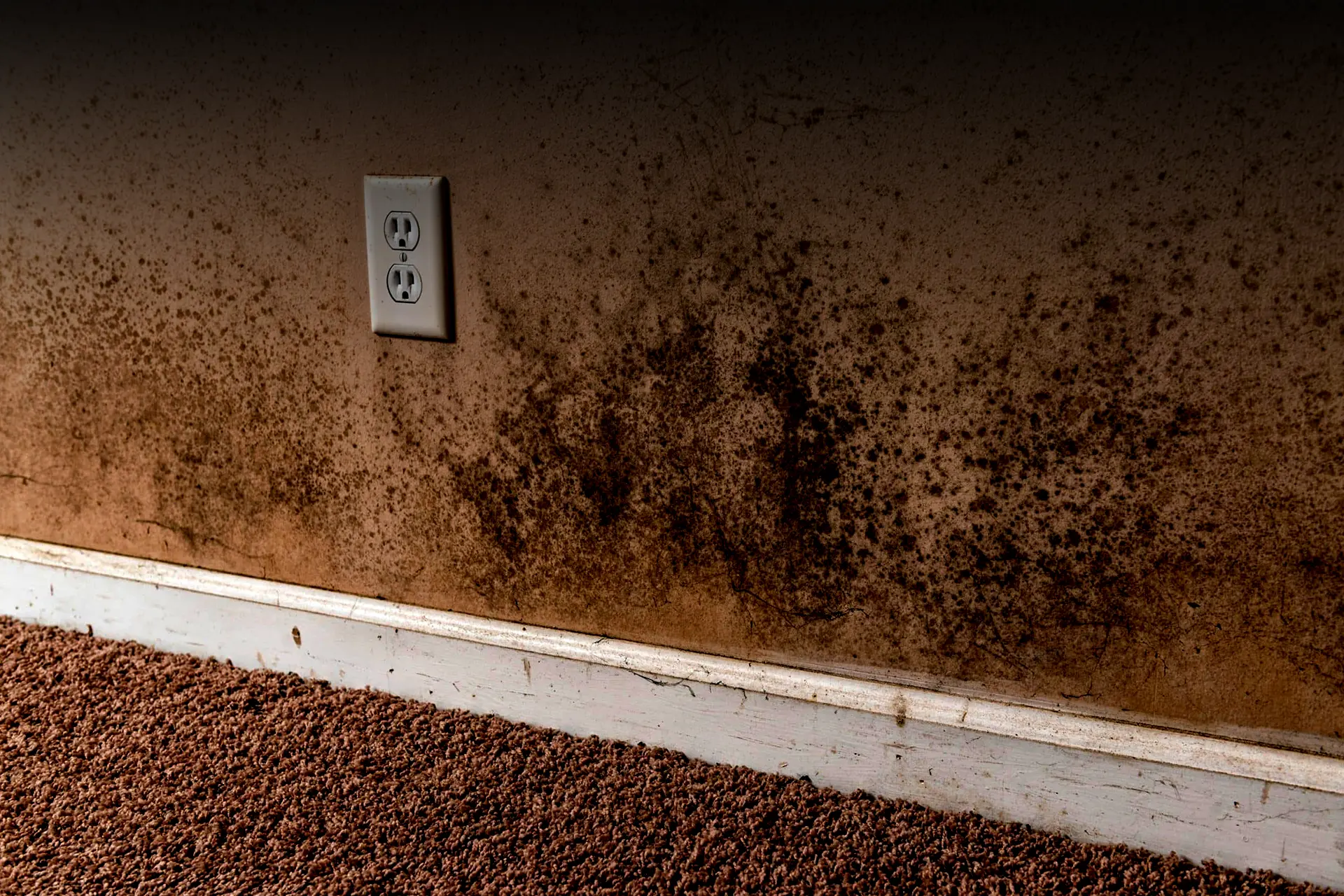
Your basement, with its typically poor ventilation and cooler temperatures, is already prone to moisture issues. Add water damage, and you’ve created ideal conditions for rapid mold growth. By the time you notice that musty smell or see visible mold, you’re no longer dealing with just water damage—you’re facing combined water damage and mold remediation.
This is why All Clean Restoration provides 24/7 emergency response. We answer calls or return them within 30 minutes, day or night, because we understand that basement flooding at 2 AM requires the same urgent response as basement flooding at 2 PM. The mold timeline doesn’t care what time water entered your home—it only cares how quickly that water is removed and materials are dried.
Call 618-235-3202 the moment you discover basement water. Every hour of delay increases the likelihood you’ll need extensive mold removal services in addition to water damage restoration.
Common Basement Water Scenarios We See Daily
The Spring Thaw Flood – Mascoutah and Shiloh homeowners know this scenario well. Snow melts rapidly, saturating the ground faster than it can drain. Groundwater levels rise dramatically, overwhelming sump pumps and pushing through foundation walls. What was a dry basement yesterday is under three inches of water today.
The Thunderstorm Surge – Intense rainfall overwhelms gutters and saturates soil around your foundation. Surface water runs directly against your basement walls. Your sump pump runs continuously but can’t keep up. Water begins seeping through floor-wall joints and any foundation cracks.
The Sewer Backup Nightmare – Heavy rain overwhelms municipal sewer systems in Granite City or Wood River. Sewage backs up through your basement floor drains, creating not just flooding but contamination. This requires immediate professional sewage damage cleanup—not something any homeowner should attempt themselves.
The Frozen Pipe Burst – A cold snap freezes pipes running through your basement or crawlspace. When temperatures rise, pipes burst, releasing hundreds of gallons before you even realize there’s a problem. You discover basement flooding that’s been ongoing for hours or days.
The Slow, Chronic Seepage – Not dramatic flooding, but persistent dampness. Water appears after every rain, creating ongoing basement water damage that homeowners often dismiss as “just how basements are.” This chronic moisture is actually more dangerous than occasional flooding because it creates perfect conditions for mold growth and wood rot that progresses unnoticed for years.
In every scenario, professional assessment identifies whether you’re dealing with groundwater issues, drainage problems, plumbing failures, or sewer system problems—and implements the right solution for your specific situation.
Why Your Insurance Company Wants You to Call Professionals
Many homeowners hesitate to call professional water damage restoration because they assume it will be expensive or worry about insurance implications. The reality is exactly opposite: insurance companies strongly prefer you call professionals immediately.
Here’s why: All Clean Restoration, as a trusted insurance carrier provider company throughout the bi-state metro area, documents everything properly from day one. We take photos, measure moisture levels, catalog damaged items, identify source and scope of damage, and provide detailed reports that satisfy insurance requirements.
When you attempt DIY cleanup, you often lack this documentation. Insurance adjusters then question the extent of original damage, whether you took appropriate mitigation steps, what was actually damaged versus poor cleanup attempts, and whether the claim even qualifies for coverage.
We work directly with your insurance company, providing the professional assessment and documentation they need to process your claim quickly. We have established relationships with major insurers and adjusters who trust our evaluations. We advocate for you throughout the claims process, ensuring you receive the coverage you’re entitled to.
The cost of professional restoration often ends up being partially or fully covered by insurance—but only if you call professionals who know how to document and present your claim correctly.
Beyond Water Removal: Complete Basement Restoration
Emergency water removal is just the beginning. True basement water damage restoration means returning your basement to its pre-damage condition while addressing the underlying problem that allowed water to enter.
Structural Repairs – We repair or replace damaged drywall, insulation, baseboards, and flooring. If water damage compromised floor joists or support beams, we address structural issues before cosmetic restoration.
Mold Remediation – If mold has developed, we implement our highly specialized mold removal process. This isn’t spraying bleach on visible spots—it’s comprehensive remediation including containment, safe removal, antimicrobial treatment, and air quality verification.
Source Correction – We don’t just clean up water; we help you address why it entered. This might mean recommending exterior drainage improvements, sump pump upgrades, plumbing repairs, or foundation waterproofing. Our goal is preventing recurrence, not just responding to symptoms.
Content Restoration – Items damaged by basement flooding often have significant value—both monetary and sentimental. We provide content restoration services for salvageable belongings, from furniture and appliances to documents and photographs.
Odor Elimination – Basement water damage creates persistent odors that air fresheners can’t mask. We use professional deodorization techniques that eliminate odor sources rather than covering them up.
Crawlspace Water Damage: The Problem Below Your Basement
Many homes in Columbia, Maryville, and Millstadt have crawlspaces rather than full basements. Homeowners often ignore crawlspace water damage because “it’s just a crawlspace,” but water in your crawlspace creates serious problems:
- Mold growth that spreads spores throughout your home via HVAC systems
- Wood rot in floor joists that compromises your home’s structural integrity
- Increased humidity throughout your entire house
- Pest infestations attracted to moisture
- Foundation settlement from saturated soil
- Decreased home value and failed home inspections
All Clean Restoration provides comprehensive crawlspace water damage services including water extraction, structural drying, mold remediation, and vapor barrier installation. We understand that what happens in your crawlspace directly impacts your entire home’s health and safety.
The Sump Pump Backup Scenario
Your sump pump is your basement’s primary defense against flooding. When it fails, results can be catastrophic. Common failure causes include:
Power Outages – Storms that create flooding also knock out power, leaving your sump pump useless exactly when you need it most.
Mechanical Failure – Float switches stick, motors burn out, impellers clog, or pumps simply age beyond reliable function.
Overwhelmed Capacity – Your pump might work perfectly under normal conditions but can’t keep up with extreme rainfall or rapid snowmelt.
Discharge Line Problems – Frozen discharge lines, clogged outlets, or improper drainage cause water to return to your sump pit instead of being carried away.
If you’re experiencing sump pump backup, you need immediate professional help. All Clean Restoration responds to these emergencies 24/7 because we know that sump pump failure during storms creates rapidly escalating flood conditions. Call 618-235-3202 immediately if your sump pump isn’t functioning—don’t wait to see how bad it gets.
When to Call Immediately vs. When to Monitor
Not every drop of basement moisture constitutes an emergency requiring immediate professional response. But how do you know when to call?
Call 618-235-3202 Immediately If:
- You have standing water measuring more than 1/4 inch deep
- Water is actively entering your basement
- You suspect sewage contamination
- Your sump pump has failed during rainfall
- You discover water from a burst pipe or plumbing failure
- Basement flooding is affecting utilities or electrical systems
- You smell sewage or notice dark-colored water
- Mold is visible or musty odors are strong
Monitor and Call During Business Hours If:
- You notice slight dampness after heavy rain
- There’s minor condensation on walls or pipes
- You suspect slow seepage but can’t locate the source
- Your basement has a persistent musty smell
- You want assessment before finishing your basement
- Previous water damage was never professionally evaluated
When in doubt, call. Our team can provide guidance over the phone and help you determine whether you need immediate emergency response or can schedule a standard assessment. There’s no penalty for calling—we’d rather talk you through a minor issue than have you wait until it becomes a major disaster.
The Regional Challenges of Metro St. Louis Basements
Basements in the Belleville and St. Louis Metropolitan area face unique challenges due to our regional characteristics:
Clay-Heavy Soil – Our soil doesn’t drain well, causing water to pool around foundations and creating persistent hydrostatic pressure.
High Water Tables – Many areas experience seasonally high water tables that push groundwater directly into basements.
Aging Infrastructure – Homes in Alton, Bethalto, and Red Bud often have aging foundations with deteriorating waterproofing and outdated drainage systems.
Severe Weather Patterns – We experience both heavy thunderstorms and rapid snowmelt, creating extreme water management challenges.
Combined Sewer Systems – Some municipalities use combined sewer systems that overflow during heavy rain, causing sewage backup into basements.
All Clean Restoration has been serving this region for more than 45 years. We understand these specific challenges and know what solutions work in our climate, soil conditions, and infrastructure environment. We’re not applying generic basement waterproofing solutions—we’re implementing strategies proven effective for homes exactly like yours in communities exactly like yours.
Prevention: Protecting Your Investment
While All Clean Restoration is available 24/7 for basement flooding emergencies, our ultimate goal is helping you avoid emergencies altogether. Based on 45 years of experience, here are the most effective prevention strategies:
Maintain Your Sump Pump – Test it quarterly, install a battery backup system, consider a secondary pump for redundancy, and ensure discharge lines direct water far from your foundation.
Improve Exterior Drainage – Keep gutters clean, extend downspouts at least 10 feet from your foundation, grade soil away from your house, and install French drains if needed.
Address Foundation Issues Early – Seal small cracks before they become large problems, monitor for new cracks or settlement, and have professional assessment if you notice concerning changes.
Install a Backwater Valve – If you’re in an area prone to sewage backup, a backwater valve prevents sewage from flowing back into your basement.
Maintain Interior Humidity – Use dehumidifiers to keep basement humidity below 50%, ensure proper ventilation, and address any sources of moisture.
Regular Professional Inspection – Have your basement professionally assessed every few years, especially before finishing or after any water incidents.
Prevention is always cheaper than restoration. But when prevention fails, having All Clean Restoration’s number saved in your phone means you can respond immediately to minimize damage.
What Sets All Clean Restoration Apart
For more than 45 years, families throughout the bi-state metro area have trusted All Clean Restoration for basement water damage because we provide:
True 24/7 Emergency Response – We answer calls or return them within 30 minutes, day or night, every day of the year. When you call 618-235-3202 at 3 AM because your basement is flooding, a real person answers—not a recording.
IICRC Certification – Our technicians are certified by the Institute of Inspection Cleaning and Restoration Certification, ensuring they follow industry-leading standards for water damage restoration and mold remediation.
Comprehensive Services – From initial emergency water removal through complete restoration and prevention strategies, we handle every aspect of your basement water problem.
Insurance Expertise – We work directly with insurance companies, providing documentation and advocacy that maximizes your coverage and minimizes your out-of-pocket costs.
Local Knowledge – As a family-owned and operated company based in Belleville, we’re not a national franchise following corporate protocols. We’re your neighbors who understand local challenges and care about our community.
Advanced Equipment – We invest in professional-grade water extraction equipment, commercial dehumidifiers, thermal imaging cameras, moisture meters, and specialized drying systems that deliver results DIY equipment can’t match.
Complete Transparency – We explain what we’re finding, why it matters, what needs to be done, and what it will cost. No surprises, no hidden fees, no technical jargon designed to confuse you.
Your Next Steps
If you’re reading this because you currently have basement water damage, your next step is simple: call 618-235-3202 right now. Every hour of delay allows more water absorption into materials, increases mold risk, and compounds damage that will ultimately cost more to repair.
If you’re reading this because you’ve had previous basement water problems or want to prevent future issues, schedule a professional assessment. We’ll evaluate your basement’s vulnerabilities, identify potential problems before they cause damage, and provide recommendations for protecting your investment.
If you’re reading this at 2 AM because you just discovered your basement flooding and you’re panicking, take a deep breath and call us. We’re standing by to help, and within 30 minutes, you’ll have guidance, a plan, and a team on the way to stop the damage and start the restoration.
The Bottom Line on Basement Water Damage
Basement water problems don’t resolve themselves. That small amount of seepage after rain will continue, probably worsen, and eventually cause significant damage. That one-time flood might seem like a fluke, but it’s almost always indicating a systemic problem that will recur.
The choice isn’t whether to address basement water damage—it’s whether you’ll address it now, on your terms, with professional help, or later, after thousands of dollars in compounded damage, mold remediation, and possible structural repairs.
All Clean Restoration has helped thousands of homeowners throughout Belleville, Western Illinois, and the St. Louis Metro area protect their largest investment from water damage. We’ve seen every type of basement water problem imaginable, and we know what works.
Don’t wait until minor basement water damage becomes major catastrophe. Call 618-235-3202 for immediate help or professional assessment.
We answer or return calls within 30 minutes, 24 hours a day, 7 days a week. Because when it comes to basement water damage, the most expensive decision is always the decision to wait.
All Clean Restoration Licensed | Bonded | Insured | IICRC Certified Family-Owned and Operated Since 1981
24/7 Emergency Response: 618-235-3202
Serving Belleville, Alton, Bethalto, Collinsville, Columbia, Edwardsville, East Alton, Fairview Heights, Glen Carbon, Godfrey, Granite City, Highland, Maryville, Mascoutah, Millstadt, O’Fallon, Red Bud, Shiloh, St. Louis, Troy, Waterloo, Wood River, and the entire bi-state metropolitan area.
Recent Blog Articles:

🍽️ The Dreaded Thanksgiving Flush: Tips to Avoid a Septic System Disaster

🦃 A Holiday Disaster? Don’t Let Water Damage Ruin Your Thanksgiving

Preventing Winter Water Damage in Illinois and Missouri: Taking Prevention Seriously this Fall

Sewage Backup? Why You Need All Clean Restoration in Illinois and Missouri
All Clean Restoration's Other Services
Whether water, mold, fire, or smoke causes damage to your home or business, the effects are heartbreaking and often life-changing. We at All Clean Restoration understand the devastation and pain these events can cause. We also understand that quick and proper action is crucial to prevent further damage, red tape, and cost.

Licensed | Bonded | Insured