LICENSED | BONDED | INSURED
618-235-3202

Can Mold Grow Behind Siding in Illinois and Missouri? A Guide from All Clean Restoration

If you've been devastated by water, mold, fire, and/or smoke damage, know that your cherished possessions, your home or business, can all be restored to pre-damage condition; bringing back your peace of mind.
Whether water, mold, fire, or smoke causes damage to your home or business, the effects are heartbreaking and often life-changing. We at All Clean Restoration understand the devastation and pain these events can cause. We also understand that quick and proper action is crucial to prevent further damage, red tape, and cost.
Call us any time, day or night:
1-800-4223944
Related Topics:
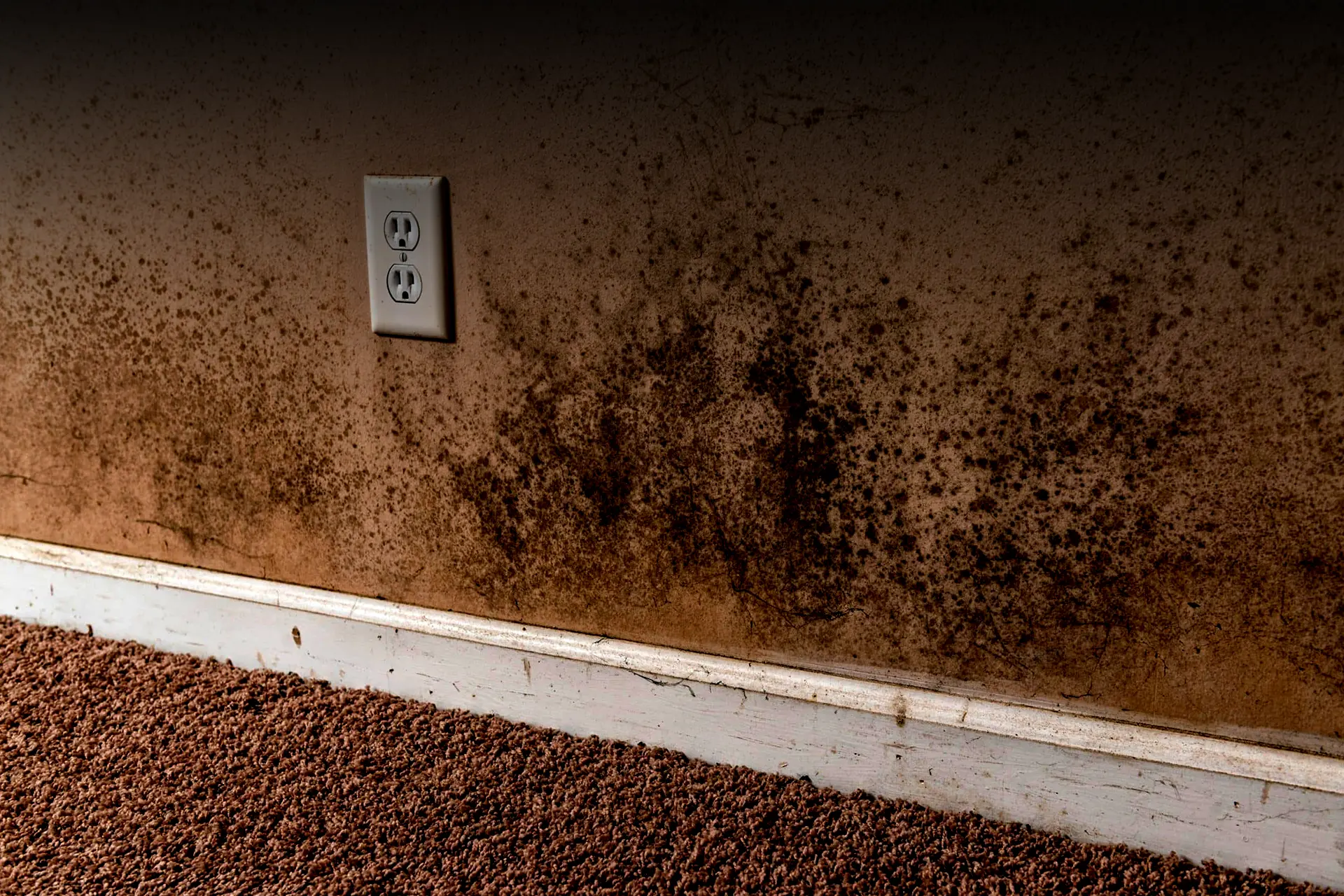
Mold is a type of fungi that thrives in humid, warm, and damp places. It can be found both inside and outside homes. If the exterior conditions are right, mold can grow on a house’s surface and move under the siding. This can cause a number of problems, making professional mold remediation and cleanup a necessity.
Mold growing behind siding can harm a home’s structure and the health of those living there. It’s important for homeowners to know how mold grows to help prevent it.
Key Takeaways
- Mold growth is facilitated by humid, warm, and damp conditions in Illinois and Missouri.
- Mold can start growing on the exterior of homes and spread underneath the siding.
- Growth behind siding can lead to structural and health issues, requiring professional restoration and repair.
- Preventive measures can be taken by understanding the conditions that facilitate mold growth.
- Regular inspection of siding can help in the early detection of mold.
Understanding Mold Growth Behind Siding
It’s important to understand why mold grows behind siding to stop it and fix it. Mold can sneak in through cracks, tears, or gaps in the siding, which may require professional mitigation services.
Causes of Mold Growth in Illinois and Missouri
Many things can cause mold to grow behind siding.
Bad flashing and poor gutters are big problems. If flashing is damaged or not set right, water can get behind the siding. This is perfect for mold to grow.
Also, if gutters don’t work well, water can build up near the home’s base. This water can then get into the siding. It’s key to check gutters and downspouts often to stop mold.
Here are the main reasons mold grows behind siding:
- Cracks or tears in the siding
- Damaged or improperly installed flashing
- Poor gutter systems or downspouts
- Inadequate ventilation or airflow
Knowing these causes helps Illinois and Missouri homeowners stop mold before it starts. Regular checks and upkeep are vital to catch problems early.
Detecting and Addressing Mold Behind Siding
Finding mold behind siding requires a sharp eye and knowledge of its signs. A big clue is siding that looks different in color or texture. Homeowners should check their siding often for these changes.
Other signs of mold include more moisture, musty smells, and peeling paint. If you see these, act fast to get professional water damage and mold remediation services.
Removing Mold from Siding
Getting rid of mold on siding is a careful job. It’s done to remove mold without harming the siding. Experts use soft washing with safe cleaners to gently take off mold and mildew.
- Soft washing is used to protect the siding.
- Safe cleaners are chosen for the environment.
- Keeping gutters clean and trimming trees helps stop mold.
It’s just as important to stop mold from growing as it is to remove it. Keeping gutters clear and trimming trees can help a lot. This reduces the chance of mold growing behind siding on your Illinois or Missouri home.
Conclusion: Protecting Your Home from Hidden Mold
Keeping your home safe from hidden mold starts with knowing why it grows. Mold thrives behind siding when moisture builds up. Regular checks and upkeep are key to stopping mold.
To stop mold from growing behind siding, homeowners should ensure siding is installed right. Keeping your home clean and fixing water damage fast also helps. Being proactive can lower mold risks and health problems.
It’s important to know that mold can hide behind siding to keep your home healthy. By taking steps to prevent mold and watching for signs, you can protect your home. This way, you avoid the harm hidden mold can cause.
Restore with Confidence—Choose All Clean Restoration in Illinois and Missouri
When disaster strikes, All Clean Restoration brings fast, efficient, and trustworthy cleanup and repair from water, fire, and mold damage. Regain your peace of mind—contact us now for a 24/7 emergency response and free consultation!
Recent Blog Articles:

In-Place Drying vs. Tear-Out: How Pro Drying Saves Your Home

Wet Carpet After a Flood or Leak: Can It Be Saved?

Winterizing Your Home to Prevent Frozen Pipes in the Metro East

Water Damage to Your Subfloor: The Damage You Can’t See
All Clean Restoration's Other Services
Whether water, mold, fire, or smoke causes damage to your home or business, the effects are heartbreaking and often life-changing. We at All Clean Restoration understand the devastation and pain these events can cause. We also understand that quick and proper action is crucial to prevent further damage, red tape, and cost.



Licensed | Bonded | Insured