LICENSED | BONDED | INSURED
618-235-3202
Can My Belongings Be Saved After Water Damage?

If you've been devastated by water, mold, fire, and/or smoke damage, know that your cherished possessions, your home or business, can all be restored to pre-damage condition; bringing back your peace of mind.
Whether water, mold, fire, or smoke causes damage to your home or business, the effects are heartbreaking and often life-changing. We at All Clean Restoration understand the devastation and pain these events can cause. We also understand that quick and proper action is crucial to prevent further damage, red tape, and cost.
Call us any time, day or night:
1-800-4223944
Related Topics:
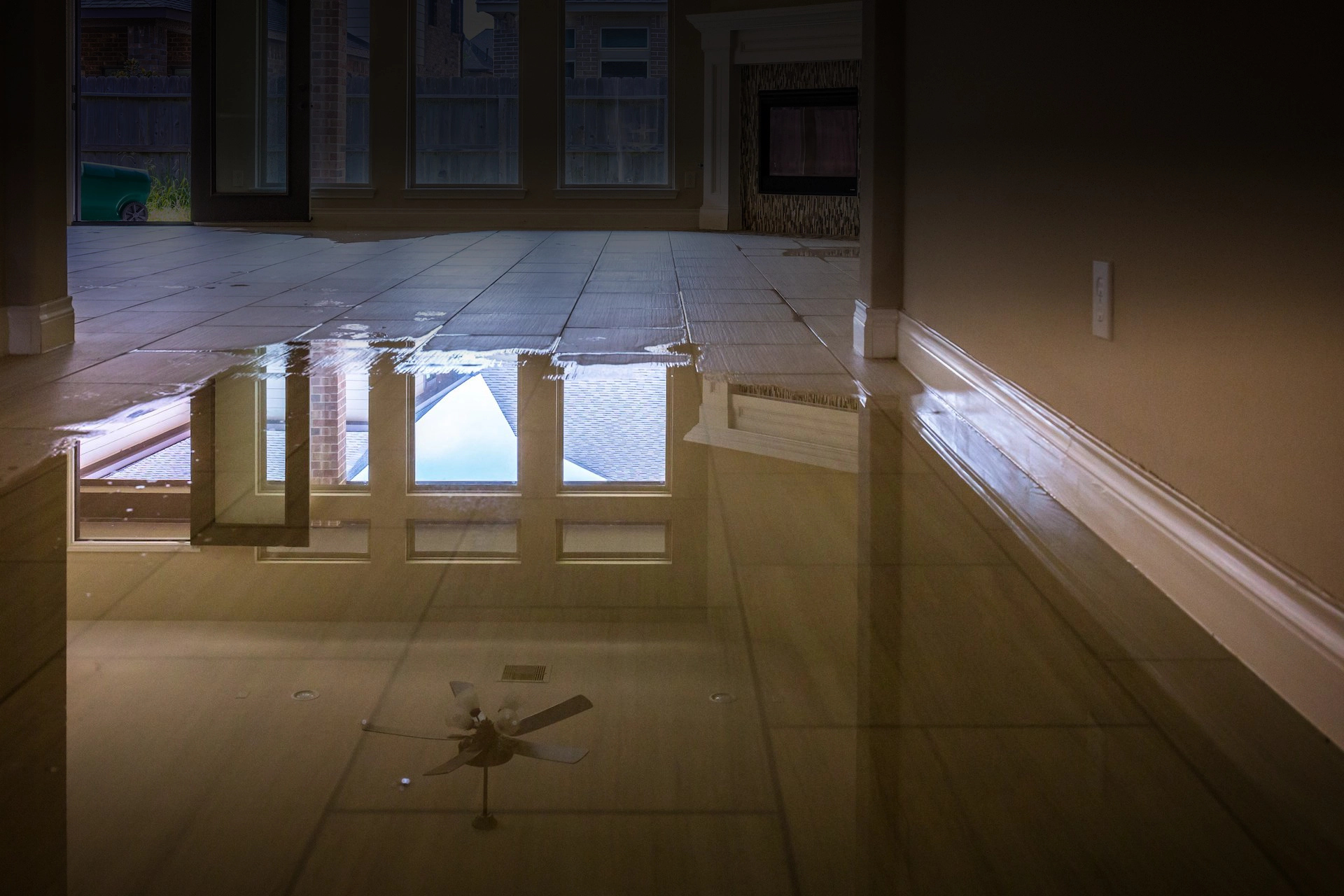
Once the water is out, the next question hits harder than the first. You look at the soaked furniture, the boxes of photos, the electronics on the floor, and you wonder how much of your life just got ruined. This is where contents restoration comes in — and the answer is better than most people fear.
Not everything survives water damage. But far more can be saved than homeowners assume, especially with a fast response. Across Belleville, Maryville, and the St. Louis Metro, we help families recover the things that matter, not just the structure around them.
What Contents Restoration Actually Means
Contents restoration is the cleaning, drying, and recovery of your personal belongings after a loss. Restoration of your home covers the walls and floors. Contents restoration covers what’s inside them.
It’s a distinct process with its own methods — and often its own line in your insurance claim. Knowing the difference helps you recover more of what you own.
What Can Usually Be Saved
Speed is the deciding factor. The sooner items are treated, the more come back.
Often salvageable
- Solid wood furniture, if dried before it warps and delaminates.
- Electronics, if powered off immediately and professionally dried.
- Documents and photos, through specialized drying and freeze-drying.
- Dishes, glassware, and metal items, with cleaning and sanitizing.
- Some textiles and clothing, through laundering and antimicrobial treatment.
Harder to save
- Upholstered furniture and mattresses soaked in contaminated water.
- Particleboard and laminate furniture, which swells and crumbles.
- Porous items exposed to Category 3 contaminated water.
Contaminated water changes the math. When sewage or floodwater is involved, health and safety come before sentiment — and we tell you that honestly.
Why the First Hours Matter So Much
Water damage to belongings is a race against time. The same 24–48 hour window that drives structural drying applies to your things.
Wet paper cockles and inks run within hours. Electronics corrode from the inside. Wood warps as it dries unevenly. Textiles and leather grow mold. The IICRC standards that guide our structural work apply to contents too — measure the damage, act fast, and document everything.
How We Recover Your Belongings
We treat your things like they’re ours. The process is careful, tracked, and coordinated with your claim.
We inventory and photograph every item for your insurer. Salvageable contents are cleaned, dried, deodorized, and sanitized — sometimes on-site, sometimes at our facility. We handle the structural side too, from water extraction and drying to full restoration and reconstruction, so one team manages the entire loss. We also document contents for your claim and coordinate with your adjuster — see how insurance works.
We help homeowners recover across the Metro East and Missouri, from Highland and Columbia to St. Louis. Confirm your town on our service area page.
Before you throw anything out, let us tell you what can be saved. All Clean Restoration restores water-damaged homes and belongings — cleaned, dried, and documented for your claim. We answer 24/7, every single day of the year, including weekends and holidays. One team, from extraction to final walkthrough, since 1981. Illinois: 618-235-3202 · Missouri: 314-454-0442 · Se Habla Español: 618-792-3633 Or contact us online for a free estimate.
Recent Blog Articles:

Your Complete Water Damage Restoration Guide: From the First Drop to the Final Coat of Paint

Water Damage Prevention: 15 Things Every Southern Illinois Homeowner Should Do Right Now

Sewage Backup Cleanup: The Most Dangerous Water Damage You Can Face

Water Damage Insurance Claims in Illinois: What You Need to Know Before You File
All Clean Restoration's Other Services
Whether water, mold, fire, or smoke causes damage to your home or business, the effects are heartbreaking and often life-changing. We at All Clean Restoration understand the devastation and pain these events can cause. We also understand that quick and proper action is crucial to prevent further damage, red tape, and cost.

Licensed | Bonded | Insured