LICENSED | BONDED | INSURED
618-235-3202
Can You Live in Your House During Mold Remediation?

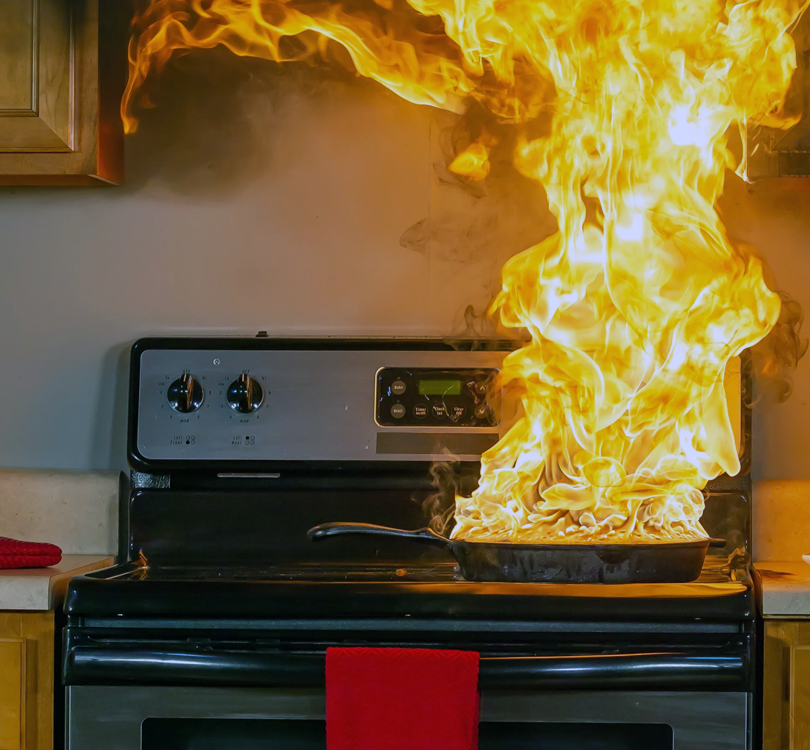
If you've been devastated by water, mold, fire, and/or smoke damage, know that your cherished possessions, your home or business, can all be restored to pre-damage condition; bringing back your peace of mind.
Whether water, mold, fire, or smoke causes damage to your home or business, the effects are heartbreaking and often life-changing. We at All Clean Restoration understand the devastation and pain these events can cause. We also understand that quick and proper action is crucial to prevent further damage, red tape, and cost.
Call us any time, day or night:
1-800-4223944
Related Topics:
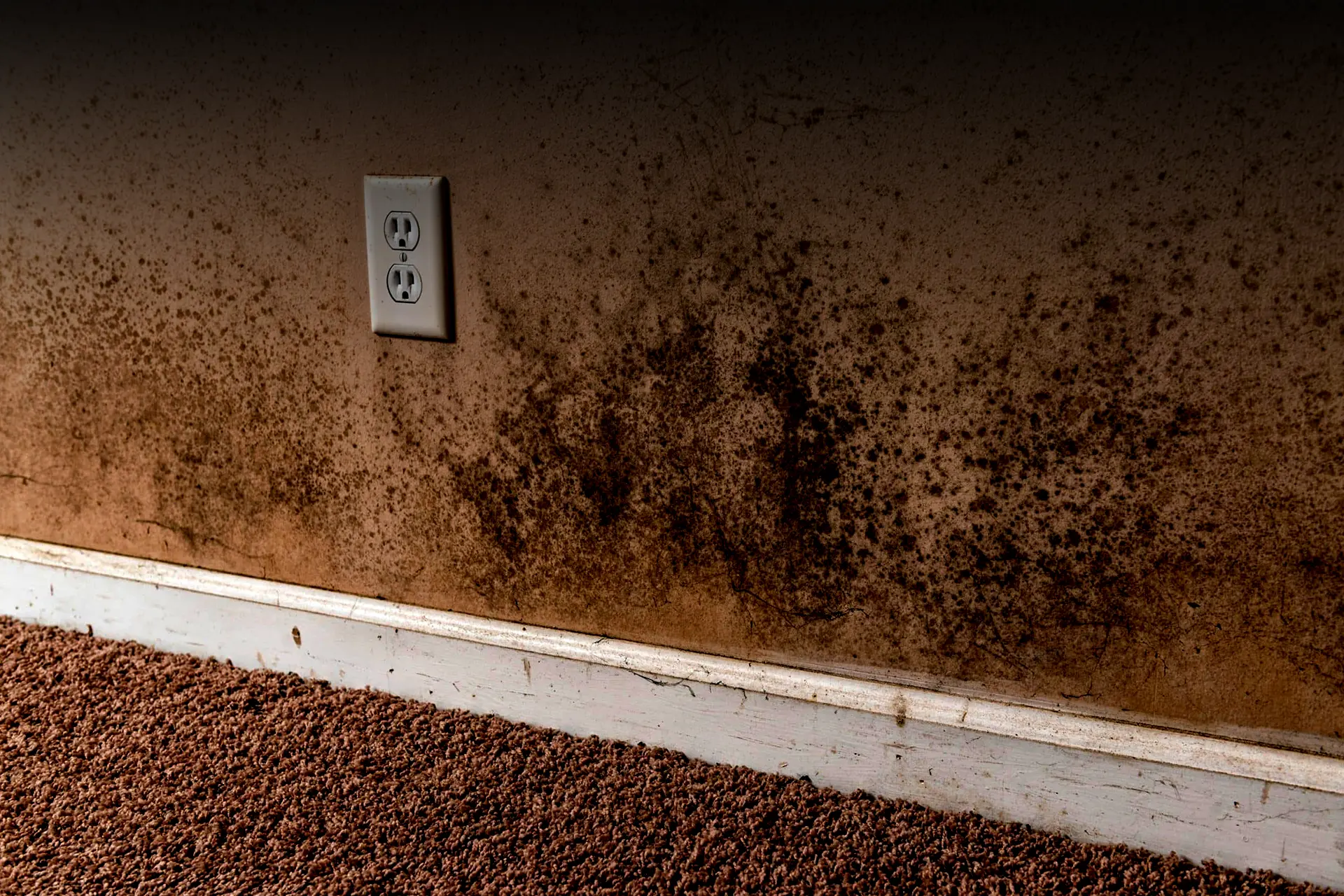
The inspector confirmed mold, remediation is scheduled, and now you’re facing a very practical question: do we need to pack up and leave, or can we stay?
Here’s the honest answer. Whether you can live in your house during mold remediation depends on how much mold there is and where it’s growing. For a small, contained job, most families stay. For larger work, or mold in shared air, leaving for a few days is often the safer call. All Clean Restoration tells you straight which situation you’re in.
When Can You Stay Home?
Plenty of remediation jobs let you stay in the house. You can usually remain if:
- The affected area is small and in one room.
- The work zone can be fully contained and sealed off.
- The mold isn’t in your HVAC, so it isn’t spreading through the home.
- You can avoid the work area entirely during the job.
We seal the work zone with barriers and negative air pressure, so the rest of the home stays clean while we work.
When Should You Leave?
Some situations call for temporary relocation. It’s worth leaving when:
- The mold is widespread across multiple rooms or a whole level.
- It’s in the HVAC system, which shares air with the entire house.
- Someone in the home is high-risk — infants, older adults, or anyone with asthma or a weak immune system.
- The work is extensive and disruptive, with major demolition.
The CDC advises extra caution for people with allergies, asthma, or compromised immune systems. When in doubt for a vulnerable family member, we recommend stepping away for a few days.
How Do You Keep the Rest of the House Safe?
Containment is the whole point. A professional job keeps mold from spreading beyond the work zone.
We build physical barriers around the area, run negative air pressure so spores can’t escape, and use HEPA filtration throughout. This is the difference between remediation and a DIY attempt that spreads mold through the house. Our full mold remediation process is built around protecting the parts of your home we aren’t working on.
How Long Will You Be Displaced, If at All?
Most jobs are shorter than people fear. A contained, single-room remediation often takes one to three days. Larger jobs with demolition and reconstruction take longer.
We give you a realistic timeline before we start, so you can plan. If relocation makes sense, we tell you early — not the morning we arrive.
Will Insurance Cover Temporary Housing?
It might. If the mold stems from a covered event and your policy includes loss-of-use coverage, temporary housing may be reimbursed.
We document the cause and the scope, which is what your adjuster needs. You can read how we handle that on our insurance FAQ.
We walk homeowners through this decision across the Metro East and St. Louis, from Edwardsville to Maryville. See the service area or talk with our team.
Not sure whether to stay or go? We’ll tell you honestly. Call All Clean Restoration for a mold assessment and a clear plan. A real person answers 24/7, 365 days a year — holidays and weekends included. Licensed. Bonded. Insured. IICRC-certified. BBB A+. Serving Southern Illinois and the St. Louis Metro since 1981. Illinois: 618-235-3202 · Missouri: 314-454-0442 · Se Habla Español: 618-792-3633
Recent Blog Articles:

The Biggest Threat After Water Damage: Why You Should Take Action Immediately

Mold Remediation or Removal – What is the Difference?

When DIY Water Damage Restoration Isn’t Enough: Why Call in the Professionals

Stay Ahead of Winter’s Fury: Essential Tips to Prevent Water Damage for Midwest Property Managers
All Clean Restoration's Other Services
Whether water, mold, fire, or smoke causes damage to your home or business, the effects are heartbreaking and often life-changing. We at All Clean Restoration understand the devastation and pain these events can cause. We also understand that quick and proper action is crucial to prevent further damage, red tape, and cost.

Licensed | Bonded | Insured