LICENSED   |   BONDED  |   INSURED

618-235-3202
Condensation Mold on Cold Walls and Behind Furniture

November 16, 2026
Condensation mold on walls appears behind furniture on cold exterior walls in winter. Learn why, and how All Clean Restoration removes it in Metro East IL

If you've been devastated by water, mold, fire, and/or smoke damage, know that your cherished possessions, your home or business, can all be restored to pre-damage condition; bringing back your peace of mind.

Whether water, mold, fire, or smoke causes damage to your home or business, the effects are heartbreaking and often life-changing. We at All Clean Restoration understand the devastation and pain these events can cause. We also understand that quick and proper action is crucial to prevent further damage, red tape, and cost.

Call us any time, day or night:

1-800-4223944

Related Topics:

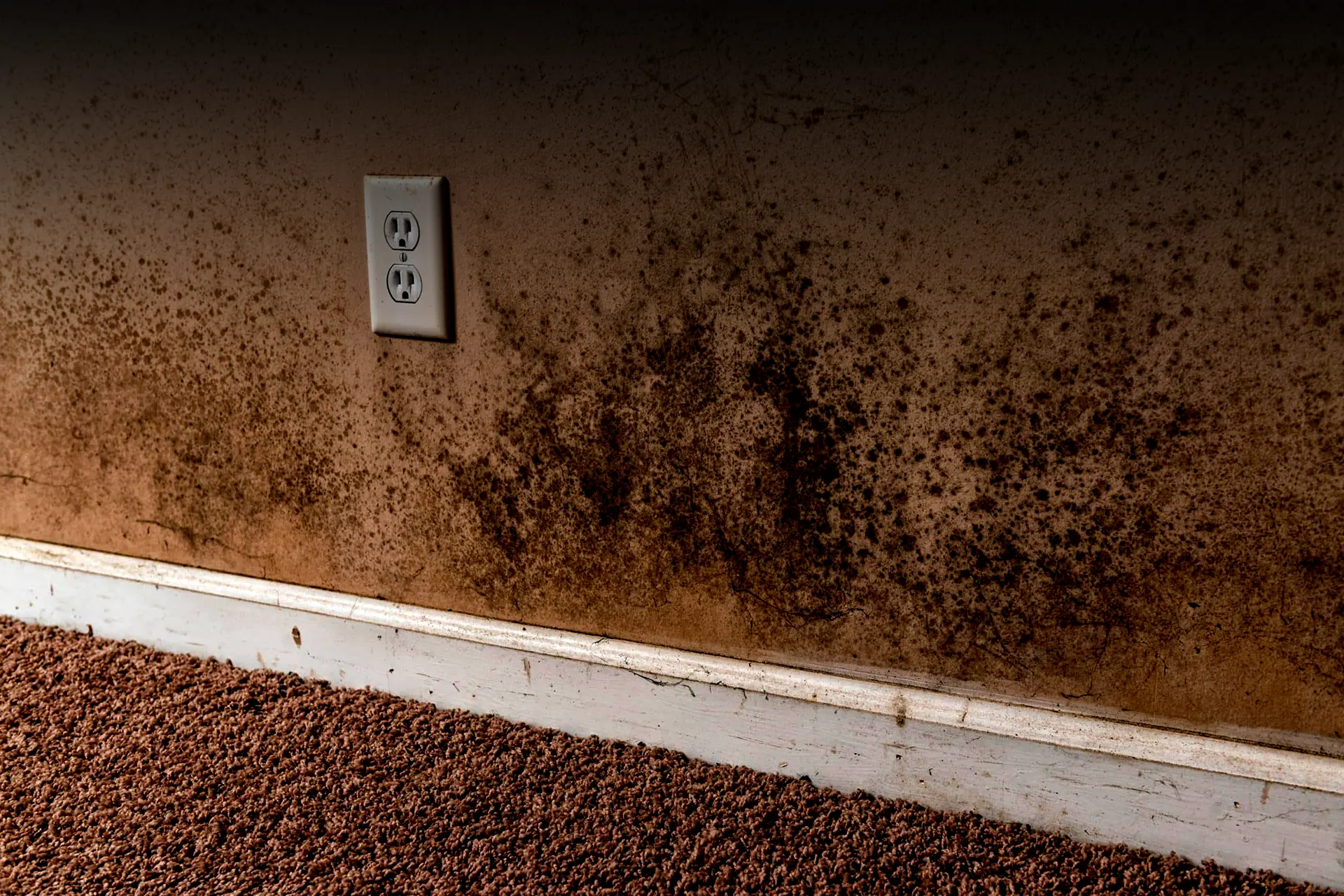
You slide the dresser away from the bedroom wall and find a patch of black, fuzzy growth you never knew was there. Condensation mold on walls forms in the coldest, least-ventilated spots in your home, and winter is when it takes hold.

This is not a leak. The water comes out of the air itself, right on the surface of a cold wall.

Why do cold walls grow mold?

An exterior wall in winter is cold on the back side. When warm, humid indoor air touches it, moisture condenses on the surface, the same way a glass of ice water sweats.

Put a bookshelf or bed against that wall and you block the airflow that would dry it. The trapped moisture sits there, and mold moves in.

Where should you look?

  • Behind beds, dressers, and sofas on outside walls.
  • In corners where two exterior walls meet.
  • Inside closets against an exterior wall.
  • Low on the wall, near the cold floor line.

How do you deal with it?

Small surface spots can be cleaned, but the conditions have to change or it returns.

  1. Lower the humidity. Aim for 30 to 50 percent with a dehumidifier and exhaust fans.
  2. Create airflow. Pull furniture a few inches off exterior walls.
  3. Clean small spots with the right method, not just bleach on the surface.
  4. Call a pro for anything larger. Mold spreading across a wall usually means moisture inside it too.

If the growth covers more than a couple of square feet or keeps returning, our mold remediation team removes it and addresses the moisture behind it. When condensation has soaked into the wall, our wall and cabinet drying service dries the cavity properly. The CDC links damp indoor conditions to mold growth and recommends prompt cleanup (CDC on mold).

We serve homeowners in Bethalto, Godfrey, and across the Metro East and St. Louis area.

Found mold behind the furniture? Call All Clean Restoration today. We handle mold removal, mold remediation, and restoration across Illinois and Missouri. Someone answers 24/7, every day of the year — including weekends and holidays. Illinois: 618-235-3202 · Missouri: 314-454-0442 · Se Habla Español: 618-792-3633

Recent Blog Articles:

Mold is not just a cosmetic problem or a musty smell. It is a living biological organism that actively degrades the materials it grows on, releases spores and mycotoxins into the air, and poses documented health risks to everyone who occupies the affected space.

Mold Damage: What It Is, What Causes It, and How to Eliminate It for Good

Mold damage is not just a cosmetic problem or a musty smell. It is a living biological organism that actively degrades the materials it grows on, releases spores and mycotoxins into the air, and poses documented health risks to everyone who occupies the affected space.
Severe weather and storm damage is a fact of life in Southern Illinois and Missouri. The bi-state metro area sits in a region that experiences some of the most climatically diverse and severe weather in the United States: powerful spring and summer thunderstorms with high winds, hail, and torrential rain; periodic tornadoes; winter ice storms and blizzards; and flooding events from the Mississippi and Missouri river systems that can impact communities across the region. When severe weather strikes, homes bear the brunt of the assault — and water is almost always part of the damage.

Storm Damage and Water in Your Home: What to Do When the Weather Wins

Severe weather and storm damage is a fact of life in Southern Illinois and Missouri. The bi-state metro area sits in a region that experiences some of the most climatically diverse and severe weather in the United States: powerful spring and summer thunderstorms with high winds, hail, and torrential rain; periodic tornadoes; winter ice storms and blizzards; and flooding events from the Mississippi and Missouri river systems that can impact communities across the region. When severe weather strikes, homes bear the brunt of the assault — and water is almost always part of the damage.
Water in your walls is hidden from view, often undetected for extended periods, and silently causes progressive structural damage and mold growth that can ultimately compromise the integrity of your home and the health of everyone living in it. By the time most homeowners discover water in their walls, significant damage has already occurred — and it could have been prevented or significantly reduced with earlier detection and professional response.

Water in Your Walls: The Silent Destroyer You Can’t Afford to Ignore

Water in your walls is hidden from view, often undetected for extended periods, and silently causes progressive structural damage and mold growth that can ultimately compromise the integrity of your home and the health of everyone living in it. By the time most homeowners discover water in their walls, significant damage has already occurred — and it could have been prevented or significantly reduced with earlier detection and professional response.
Attic water damage occurs through several distinct pathways. Roof leaks are the most common and most direct: water penetrating a damaged or deteriorated roof system enters the attic at the point of failure and spreads from there. The exact failure point may be a few missing or damaged shingles, failed flashing at a chimney, pipe boot, or ridge cap, ice dam formation at the eaves during winter, or simply the accumulated deterioration of an aging roof system reaching the end of its service life.

Water Damage in Your Attic: Signs, Causes, and What to Do

Attic water damage occurs through several distinct pathways. Roof leaks are the most common and most direct: water penetrating a damaged or deteriorated roof system enters the attic at the point of failure and spreads from there. The exact failure point may be a few missing or damaged shingles, failed flashing at a chimney, pipe boot, or ridge cap, ice dam formation at the eaves during winter, or simply the accumulated deterioration of an aging roof system reaching the end of its service life.

All Clean Restoration's Other Services

Whether water, mold, fire, or smoke causes damage to your home or business, the effects are heartbreaking and often life-changing. We at All Clean Restoration understand the devastation and pain these events can cause. We also understand that quick and proper action is crucial to prevent further damage, red tape, and cost.

We are honored to help in your time of need.

We are committed to delivering exceptional customer service and restoring homes and businesses to their pre-loss condition. For more than 40 years throughout Southern Illinois, we've prioritized communication with our clients, walking them through the entire restoration process from the moment we arrive to walking back into their restored homes and offices.

618-235-3202

Licensed  |  Bonded  |  Insured