LICENSED | BONDED | INSURED
618-235-3202
Cupping, Buckling, and Stains: Can Your Water-Damaged Hardwood Floor Be Saved?

If you've been devastated by water, mold, fire, and/or smoke damage, know that your cherished possessions, your home or business, can all be restored to pre-damage condition; bringing back your peace of mind.
Whether water, mold, fire, or smoke causes damage to your home or business, the effects are heartbreaking and often life-changing. We at All Clean Restoration understand the devastation and pain these events can cause. We also understand that quick and proper action is crucial to prevent further damage, red tape, and cost.
Call us any time, day or night:
1-800-4223944
Related Topics:
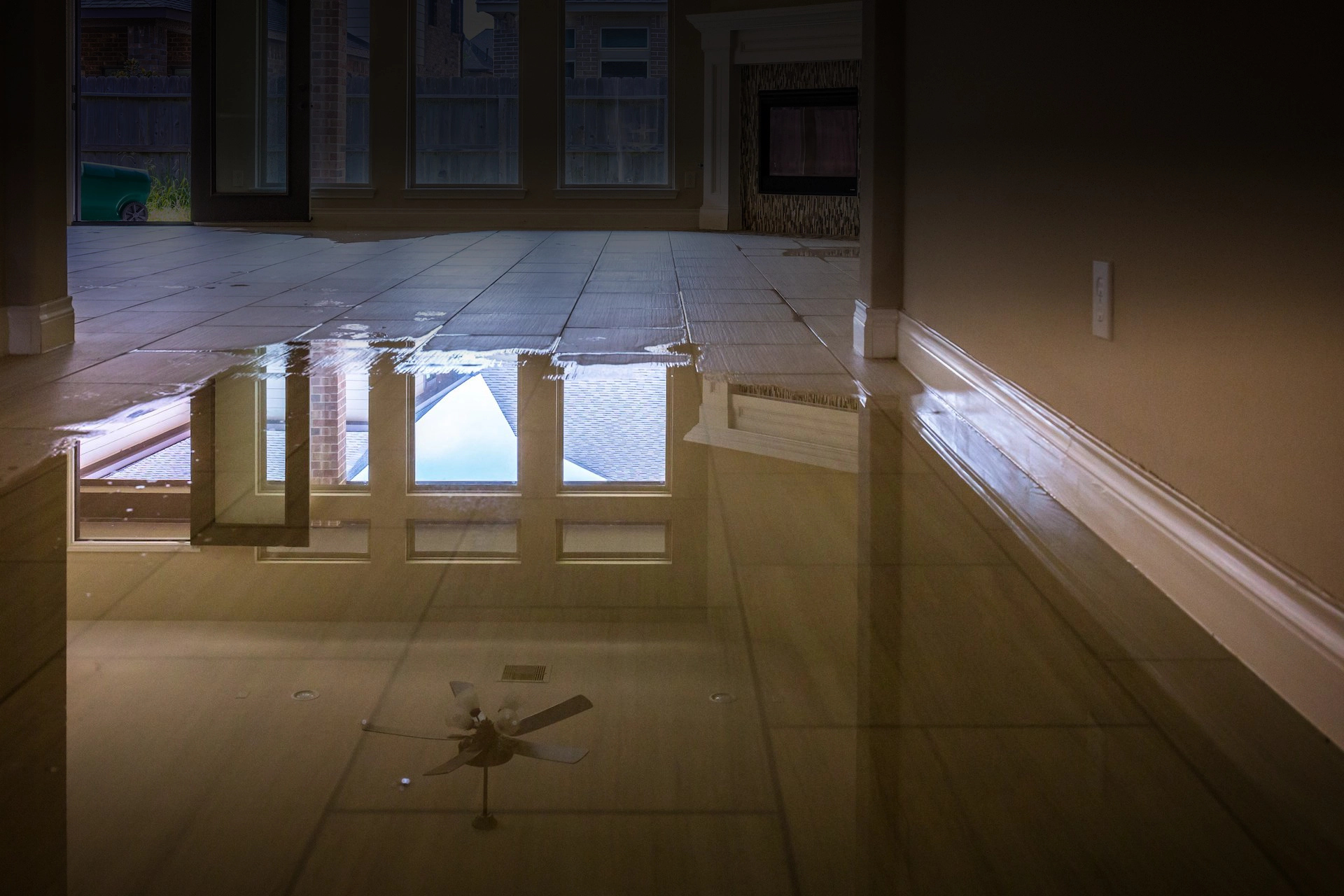
Hardwood floors are one of the most beautiful—and most expensive—features in a home. So when a pipe leaks, a dishwasher overflows, or a basement floods onto wood floors, the homeowner’s first fear is usually the same: Do I have to tear all of this out and replace it?
The answer, more often than people expect, is no—if you act fast. At All Clean Restoration, our specialized wood floor drying service has saved countless hardwood floors across the Bi-State Metro that homeowners assumed were a total loss. Here’s how it works, and why timing makes all the difference.
Why Hardwood Reacts So Dramatically to Water
Wood is hygroscopic—it constantly absorbs and releases moisture from its environment. When a hardwood floor gets wet, the planks absorb water and swell. That swelling produces the telltale signs of water damage:
- Cupping: the edges of each plank rise higher than the center, creating a washboard texture.
- Crowning: the center of the plank rises above the edges (often after improper drying).
- Buckling: in severe cases, planks lift completely off the subfloor.
- Staining and discoloration: dark spots and white “cloudy” patches in the finish.
Here’s the key insight: cupping by itself is not a death sentence. Wood that has swollen with moisture can often be brought back to its original “dry standard” and flatten back out—if the water is removed before the damage becomes permanent.
The 24-Hour Window Is Everything
The single biggest factor in whether your floor can be saved is how quickly the drying begins. Within roughly 24 hours of exposure, cupping starts. If the floor is left wet for 48 to 72 hours, the wood can reach what restorers call a “permanent set”—the cellular structure changes in ways drying can’t reverse, and replacement becomes the only option.
This is why “wait and see” is the most expensive choice a homeowner can make. By the time you’ve decided the floor looks bad enough to call someone, the window may have closed.
How Professional Wood Floor Drying Works
You can’t save a hardwood floor with box fans. Standard fans dry only the surface while water remains trapped in the subfloor and the wood’s underside, which actually worsens cupping and invites mold.
Professional wood floor drying uses specialized systems—often called Injectidry or floor-drying mats—that create a vacuum seal over the wood. These high-pressure mats pull moisture directly through the wood grain and out of the subfloor beneath, drawing the water out the way it came in. Our technicians monitor the moisture content of the wood daily with meters, slowly bringing it back to its dry standard rather than forcing it and cracking the planks.
Done correctly, this controlled process can return many “ruined-looking” floors to a flat, sound condition—saving you the enormous cost of demolition, materials, and reinstallation.
When Replacement Really Is the Answer
We’re always honest about what can and can’t be saved. A floor may need replacement if:
- It sat wet for several days before anyone intervened
- The water was contaminated (sewage or Category 3 “black water”)
- The subfloor itself has rotted or delaminated
- Mold has penetrated the wood structure
Even then, getting a professional assessment first means you’ll know for certain—and you’ll have the documentation your insurance company needs.
Water Floors Are Rarely the Only Problem
Water that reaches your hardwood has usually touched other materials too. Our broader water damage restoration service handles the full picture—extraction, structural drying, and dehumidification—while our wall and cabinet drying team protects adjacent built-ins. And because trapped moisture always carries a mold risk, our mold remediation crew is ready if growth has begun.
Don’t Write Off Your Floors—Call First
If your hardwood floors have been hit by water anywhere across our service area—from Edwardsville and Glen Carbon to Belleville and St. Louis—call us before you assume the worst. The sooner we start drying, the better your odds of saving them.
Call All Clean Restoration for emergency wood floor drying:
- Illinois: 618-235-3202
- Missouri: 314-454-0442
- Se Habla Español: 618-792-3633
Or contact us online for a free estimate. With cupped floors, hours matter.
Recent Blog Articles:

Can You Live in Your House During Mold Remediation?

Slab Leaks: The Hidden Water Damage Under Your Floor

How Long Does Water Damage Restoration Take?

The Fire Damage Restoration Process, Step by Step
All Clean Restoration's Other Services
Whether water, mold, fire, or smoke causes damage to your home or business, the effects are heartbreaking and often life-changing. We at All Clean Restoration understand the devastation and pain these events can cause. We also understand that quick and proper action is crucial to prevent further damage, red tape, and cost.

Licensed | Bonded | Insured