LICENSED | BONDED | INSURED
618-235-3202
Don’t Just Mop! The 3 Types of Water Damage That Could Be Hiding in Your Home

If you've been devastated by water, mold, fire, and/or smoke damage, know that your cherished possessions, your home or business, can all be restored to pre-damage condition; bringing back your peace of mind.
Whether water, mold, fire, or smoke causes damage to your home or business, the effects are heartbreaking and often life-changing. We at All Clean Restoration understand the devastation and pain these events can cause. We also understand that quick and proper action is crucial to prevent further damage, red tape, and cost.
Call us any time, day or night:
1-800-4223944
Related Topics:
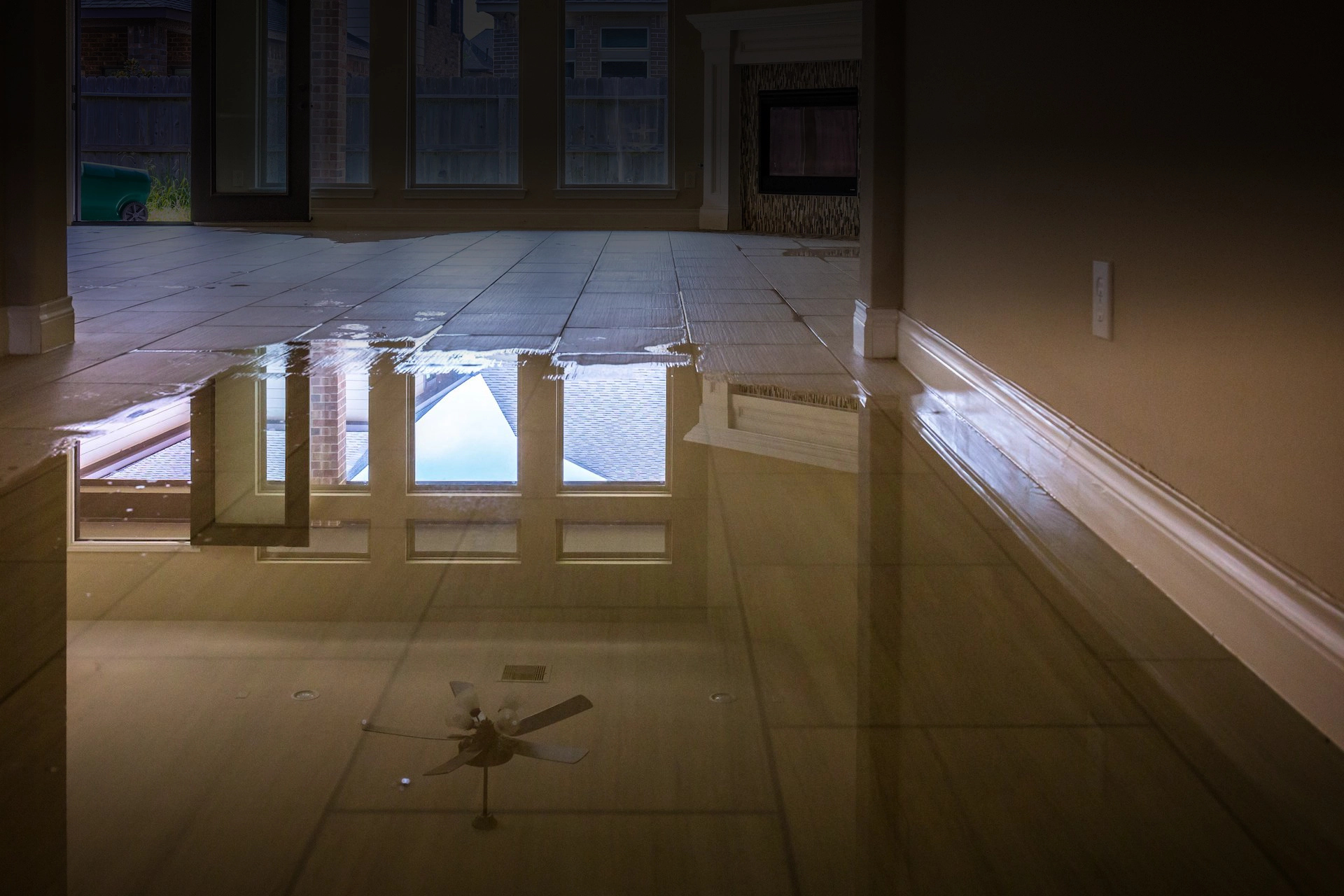
From a surprise dishwasher flood in your kitchen to a basement leak after a sudden thunderstorm, water damage is a common and stressful headache for Illinois and Missouri home and business owners. But did you know that the water flooding your floor isn’t all the same? To a restoration professional, the source of the water is the most critical piece of information.
Restoration experts classify water damage into three categories based on contamination levels. Understanding the difference can be crucial for protecting your family’s health and your home’s value, and it’s the main reason a professional assessment for any water damage restoration in Illinois and Missouri is so important.
Category 1: “Clean Water” – The Deceptively Simple Leak
The least hazardous type of water damage is caused by what we call Category 1 or “Clean Water.” This is water that comes from a sanitary source and is safe for human contact.
Common Scenarios for Clean Water Damage:
- A burst pipe during a winter freeze.
- An overflowing bathtub or sink (without soap or waste).
- A leaking supply line to your refrigerator or dishwasher.
- Rainwater coming through a clean roof.
While it starts clean, the real danger of Category 1 water is time. Once it soaks into materials like drywall, carpet, and wood, it begins to collect bacteria. After 24–48 hours, what started as a simple leak can degrade into a more hazardous Category 2 situation. This is why immediate emergency water removal is critical, even for what seems like a minor problem.
Category 2: “Gray Water” – When Caution is Key
Category 2 or “Gray Water” is water that is significantly contaminated with chemical or biological agents and has the potential to cause illness. This water requires more careful handling and thorough disinfection.
Common Scenarios for Gray Water Damage:
- Water from an overflowing washing machine (containing detergent and dirt).
- A dishwasher leak that includes food waste and soap.
- Water from a failed sump pump.
- A toilet overflow that contains only urine.
When your property requires water restoration from a gray water source, our certified technicians take extra precautions. The goal isn’t just to dry the area, but to ensure it is properly cleaned and sanitized to prevent future microbial growth.
Category 3: “Black Water” – A Serious Health Hazard
The most dangerous and destructive type is Category 3 or “Black Water.” This water is grossly contaminated with harmful pathogens, toxins, and bacteria, and it poses a serious risk to your health.
Common Scenarios for Black Water Damage:
- Sewage backup cleanup is the most common cause.
- Toilet overflows containing feces.
- Any flooding from external sources, like a river or storm runoff, which picks up pesticides, chemicals, and waste.
A black water event is not a DIY situation. Safely handling it requires professional personal protective equipment (PPE). Any porous materials—like carpet, drywall, upholstery, and insulation—that have been contaminated by black water must be removed and disposed of according to strict guidelines. This is the most intensive type of flood cleanup Illinois and Missouri homeowners can face.
Why These Categories Matter for Your Illinois or Missouri Home
Understanding the type of water damage in your home or business directly impacts the entire restoration process.
- Safety: It determines the safety protocols needed to protect your family, your employees, and our technicians.
- Procedure: It dictates the scope of work, from simple drying to the complete removal and replacement of materials.
- Mold Prevention: A proper response to the water category is essential for preventing mold growth, which can thrive in the Midwest’s climate long after the water is gone.
- Insurance: Correctly identifying and documenting the water source is a crucial step for your water damage insurance claims.
For Any Type of Water Damage, Call All Clean Restoration
No matter the source of your water damage, the key to a successful restoration is a fast and knowledgeable response. Guessing about the contamination level puts your health and property at risk. The certified technicians at All Clean Restoration have the training and equipment to accurately assess the situation and implement a safe, effective plan.
If you’re facing a leak, flood, or backup, don’t wait. Call All Clean Restoration immediately for a professional assessment and 24/7 emergency service.
Frequently Asked Questions About Water Damage
Q: Can I clean up minor water damage myself?
A: If it’s a very small spill from a clean water (Category 1) source and you can dry it completely within 24 hours, you might be able to handle it. However, for anything larger, or if the water is gray (Category 2) or black (Category 3), it’s always safest to call a professional to prevent mold growth and ensure proper sanitization.
Q: How long does it take for mold to grow after water damage?
A: Mold can begin to grow in as little as 24 to 48 hours in the damp, humid conditions left behind by a water leak. A rapid response is the best way to prevent a mold problem.
Q: Will my homeowner’s insurance cover all types of water damage?
A: Most standard insurance policies cover sudden and accidental damage (like a burst pipe). However, gradual leaks, sewer backups, and overland flooding often require separate coverage or add-ons. It’s important to review your specific policy and contact your insurance agent to understand what is covered.
Q: What does the water damage restoration process involve?
A: The process typically includes an initial inspection, water extraction using powerful pumps, drying and dehumidifying the area with specialized equipment, cleaning and sanitizing all affected surfaces, and finally, restoring any damaged materials like drywall or flooring. All Clean Restoration has a detailed process they follow to make sure your home or business recovers quickly and safely.
Recent Blog Articles:

Steps To Take When Your Home Is Affected By Water Damage

What To Expect With Mold Removal And Mold Remediation

What You Should Know About Water Damage In St. Louis and Illinois

Need Black Mold Removal Or Remediation in St Louis?
- « Previous
- 1
- …
- 29
- 30
- 31
All Clean Restoration's Other Services
Whether water, mold, fire, or smoke causes damage to your home or business, the effects are heartbreaking and often life-changing. We at All Clean Restoration understand the devastation and pain these events can cause. We also understand that quick and proper action is crucial to prevent further damage, red tape, and cost.

Licensed | Bonded | Insured