LICENSED | BONDED | INSURED
618-235-3202
Don’t Let Fall Rain Ruin Your Home: How to Stop Water Damage Before It Starts

If you've been devastated by water, mold, fire, and/or smoke damage, know that your cherished possessions, your home or business, can all be restored to pre-damage condition; bringing back your peace of mind.
Whether water, mold, fire, or smoke causes damage to your home or business, the effects are heartbreaking and often life-changing. We at All Clean Restoration understand the devastation and pain these events can cause. We also understand that quick and proper action is crucial to prevent further damage, red tape, and cost.
Call us any time, day or night:
1-800-4223944
Related Topics:
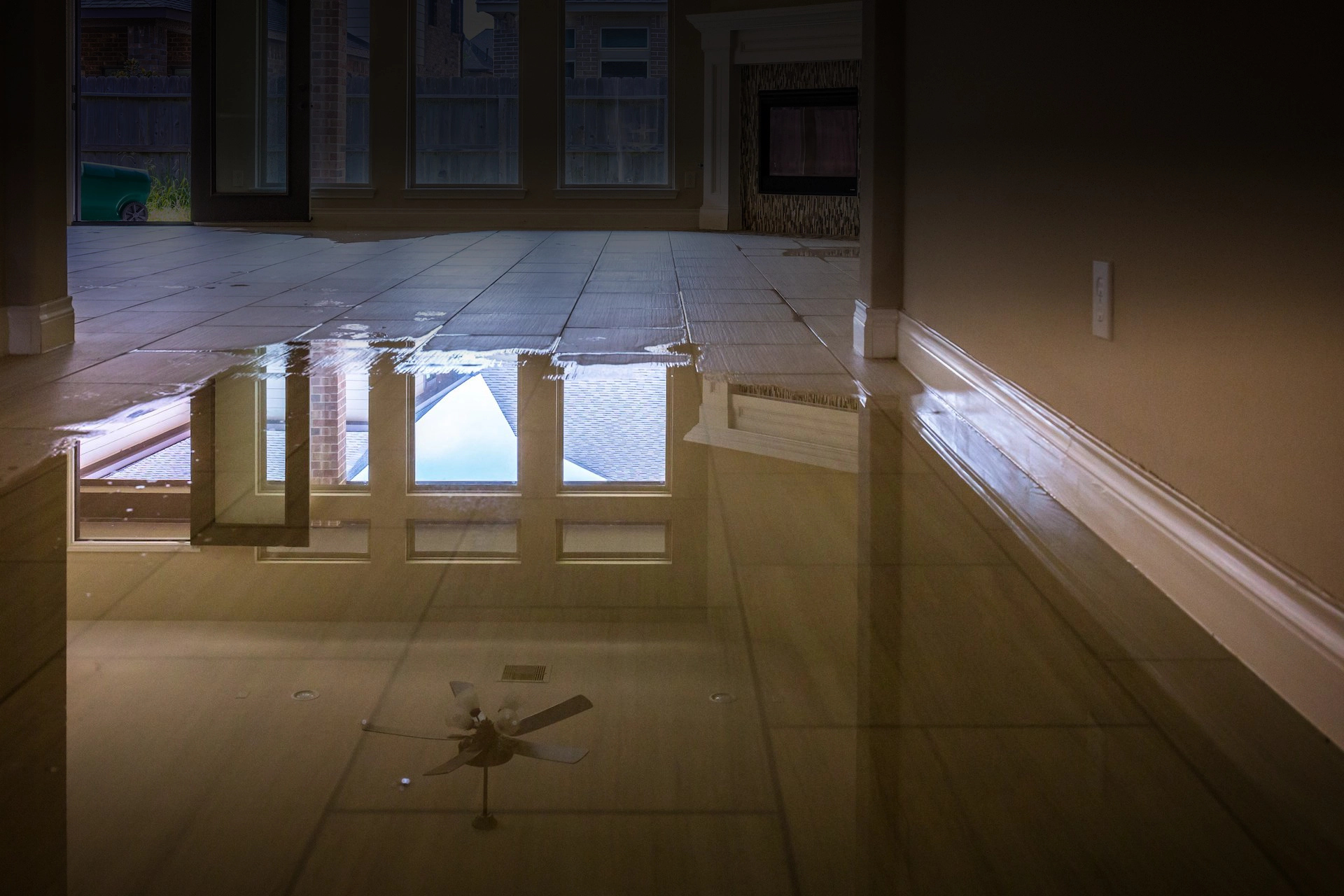
The crisp air and changing leaves of fall are a welcome sight across Illinois and Missouri, but they often bring a steady stream of rain and possible water damage. This seasonal dampness is more than just a nuisance; it’s a silent threat to your home. Small cracks, forgotten gutters, and dark basements become prime entry points for moisture, which can quietly cause serious damage over time.
A little dampness might not seem like a big deal, but it can lead to bigger problems, like softened wood, peeling paint, and that unmistakable musty odor. By the time you see these signs, the damage is often already extensive and expensive to fix. The good news is that with a little proactive work, you can protect your home and avoid costly repairs.
Here are five key areas to focus on this fall.
1. Seal Problem Areas Outside
Before the weather takes a turn for the worse, take a walk around your home. Look for cracked caulk around windows and doors and loose shingles or flashing on your roof. Even a tiny gap can let rain seep in and cause damage.
Don’t forget to clear your gutters! Clogged gutters can cause water to overflow and run down your siding or pool near your foundation, leading to serious issues. If your downspouts empty too close to your home, add extensions to direct water farther away.
2. Keep Indoor Humidity in Check
As the days get shorter, you’ll likely close up your home, trapping damp air inside. Basements, crawlspaces, and spare rooms are especially prone to retaining moisture. A high-quality dehumidifier is your best defense. The Dri-Eaz Revolution LGR Dehumidifier is a professional-grade unit that can remove over 100 pints of water from the air daily, keeping floors, cabinets, and trim from warping and making it difficult for mold to grow.
3. Watch Crawlspaces and Basements
Cool, low areas are a magnet for moisture. Consider laying a plastic vapor barrier over bare dirt in your crawlspace to prevent moisture from rising. If you notice condensation on the walls or that damp, earthy smell, run a dehumidifier. Insulating walls and wrapping pipes can also help reduce dampness when the temperatures drop.
4. Improve Airflow in Tight Spaces
Stagnant air allows moisture to settle and accumulate. Using an air mover, such as the Dri-Eaz Velo Pro, can help. These units push dry air into hard-to-reach spots like corners, behind furniture, and along baseboards, helping them stay dry even without direct sunlight.
5. Get a Professional Moisture Checkup
Some leaks are easy to miss, hiding out of sight in walls or ceilings. Moisture meters and thermal cameras are advanced tools that can find these hidden leaks before they become visible. A professional fall checkup can reveal a roof leak, a plumbing drip, or a ventilation issue before it causes significant damage.
Moisture damage is far cheaper to prevent than it is to repair. A little time and the right equipment can protect your home all season long.
If you want to make sure your home is prepared for the season, All Clean Restoration is here to help. We provide professional moisture control services and fast, reliable help with water damage throughout Illinois and Missouri. Our team has the expertise and equipment to protect your home and give you peace of mind this fall. Give us a call today!
Recent Blog Articles:

In-Place Drying vs. Tear-Out: How Pro Drying Saves Your Home

Wet Carpet After a Flood or Leak: Can It Be Saved?

Winterizing Your Home to Prevent Frozen Pipes in the Metro East

Water Damage to Your Subfloor: The Damage You Can’t See
All Clean Restoration's Other Services
Whether water, mold, fire, or smoke causes damage to your home or business, the effects are heartbreaking and often life-changing. We at All Clean Restoration understand the devastation and pain these events can cause. We also understand that quick and proper action is crucial to prevent further damage, red tape, and cost.

Licensed | Bonded | Insured