LICENSED   |   BONDED  |   INSURED

618-235-3202
Don’t Let Winter Weather Catch Your Home Off Guard: Essential Tips for Illinois and Missouri

February 2, 2024
Illinois and Missouri winters. We all know the drill: one year might be cool and sunny, while the next throws blizzards and ice storms our way. But here's the secret: even those seemingly harmless mild winters can wreak havoc on your precious home. Don't underestimate the sneaky power of mild winter weather!

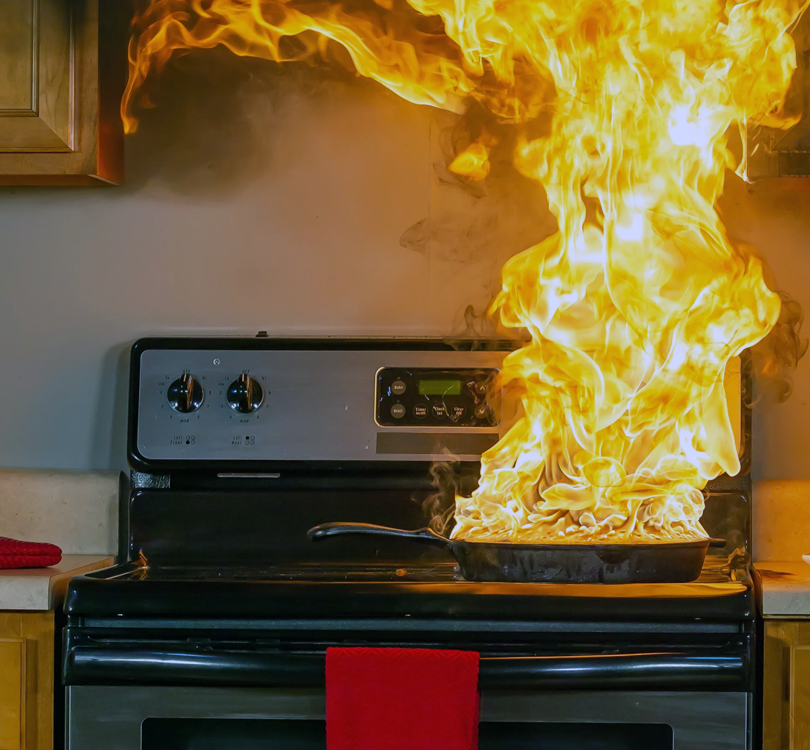
If you've been devastated by watermoldfire, and/or smoke damage, know that your cherished possessions, your home or business, can all be restored to pre-damage condition; bringing back your peace of mind.

Whether water, mold, fire, or smoke causes damage to your home or business, the effects are heartbreaking and often life-changing. We at All Clean Restoration understand the devastation and pain these events can cause. We also understand that quick and proper action is crucial to prevent further damage, red tape, and cost.

Call us any time, day or night:

1-800-4223944

Related Topics:

Illinois and Missouri winters. We all know the drill: one year might be cool and sunny, while the next throws blizzards and ice storms our way. But here’s the secret: even those seemingly harmless mild winters can wreak havoc on your precious home. Don’t underestimate the sneaky power of mild winter weather!

So, set aside the hot cocoa and grab your toolbox, because we’re about to embark on a crash course in winter-proofing your Illinois or Missouri home sanctuary. We’ll cover the top four threats from the chilly season and equip you with the knowledge to keep your castle cozy and secure.

1. The Wrath of the Wind:

Think a gentle breeze can’t do any harm? Think again! Even mild wind gusts can send tree limbs crashing onto your roof, leaving behind costly repairs. They can also whisk away precious heat, sending your utility bills skyrocketing. And let’s not forget the gutter gremlins: leaves are carried in the wind, clogging up your gutters and paving the way for water to leak into your home, potentially damaging ceilings, walls, and flooding basements or even cracking foundations as freezing and thawing occurs.

2. The Weight of the White Stuff:

Snow might look serene and magical, but for your roof, it’s a heavy burden. Excessive snowfall can strain your roof structure, leading to leaks and even collapse. And when the snow melts, the fun doesn’t stop there. Meltwater can seep into basements, causing flooding and foundation issues. So, keep an eye on the forecast and be prepared to shovel your way out of trouble!

3. The Icy Grip of Winter:

Ice is the ultimate villain in the winter weather drama. It can turn seemingly harmless tree branches into battering rams, capable of splitting in half and damaging your home or other structures. Even worse, ice can wreak havoc on your foundation, causing cracks that open the door to leaks, mold growth, and even ruined carpets.

4. The Chilling Call of Mold:

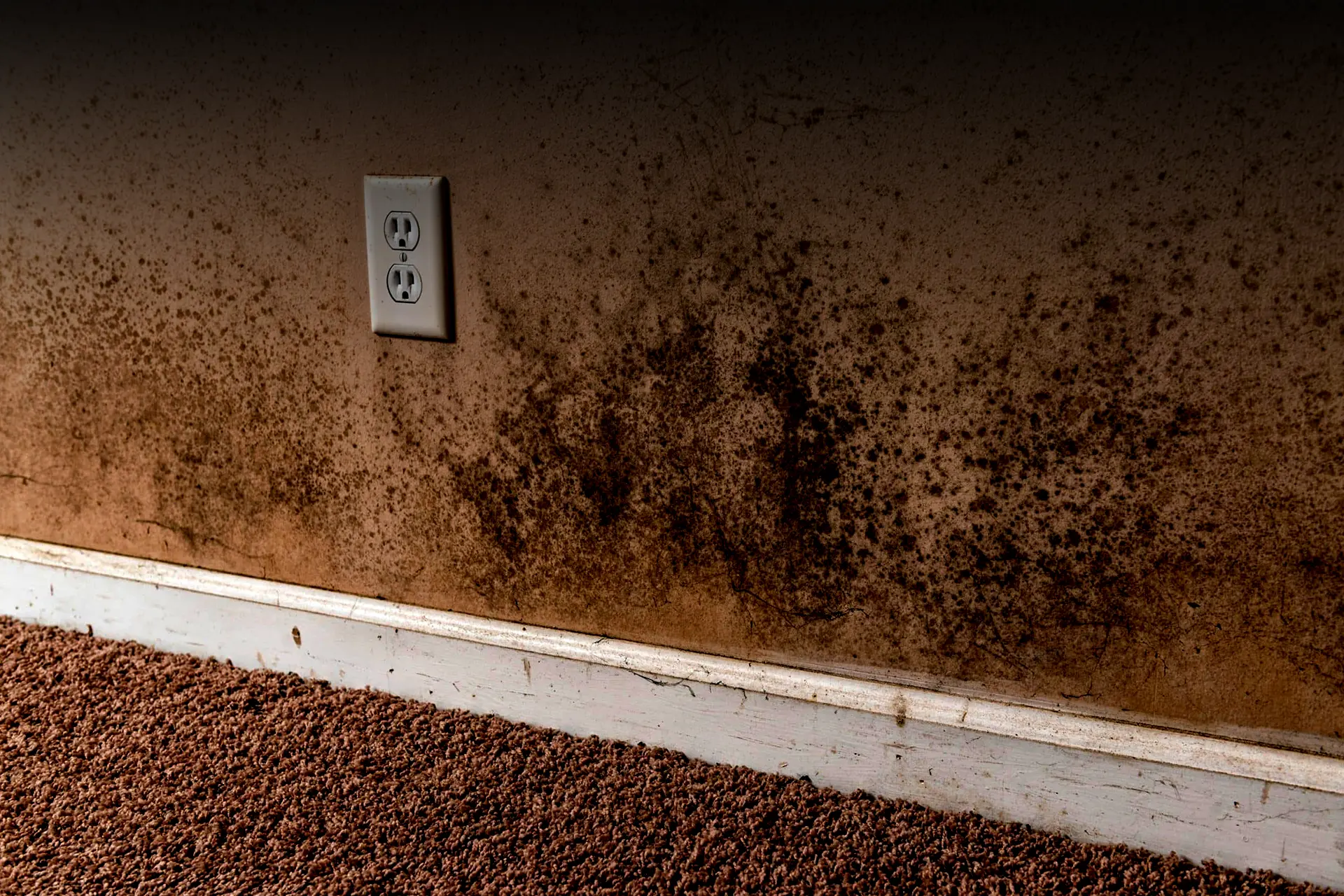
Sure, we crank up the heat to stay warm, but that trapped, moist air inside can become a breeding ground for mold. If you don’t have proper ventilation, those microscopic fuzzy spores will be slowly collecting on your walls and belongings.

Now that you’re armed with this winter weather intel, you can take action! Here are some bonus tips to keep your home safe and sound:

  • Trim tree branches regularly: This reduces the risk of them falling on your house during windy or icy conditions.
  • Clean your gutters: Keep those leaves and debris at bay to prevent water from backing up and causing leaks.
  • Insulate your attic and crawl space: Proper insulation prevents ice dams and keeps your pipes from freezing.
  • Disconnect hoses and sprinkler systems: Drain and store them to avoid burst pipes when temperatures plummet.
  • Install a sump pump with a backup battery: This ensures your basement stays dry even if the power goes out.
  • Ventilate your home regularly: Open windows and doors for a few minutes each day to let fresh air circulate and prevent mold growth.

Remember, a little winter preparedness goes a long way in protecting your Illinois or Missouri home. So, stay informed, stay vigilant, and most importantly, stay cozy! After all, winter may come knocking, but with these tips, you’ll be ready to answer the door with confidence.

Recent Blog Articles:

Severe weather and storm damage is a fact of life in Southern Illinois and Missouri. The bi-state metro area sits in a region that experiences some of the most climatically diverse and severe weather in the United States: powerful spring and summer thunderstorms with high winds, hail, and torrential rain; periodic tornadoes; winter ice storms and blizzards; and flooding events from the Mississippi and Missouri river systems that can impact communities across the region. When severe weather strikes, homes bear the brunt of the assault — and water is almost always part of the damage.

Storm Damage and Water in Your Home: What to Do When the Weather Wins

Severe weather and storm damage is a fact of life in Southern Illinois and Missouri. The bi-state metro area sits in a region that experiences some of the most climatically diverse and severe weather in the United States: powerful spring and summer thunderstorms with high winds, hail, and torrential rain; periodic tornadoes; winter ice storms and blizzards; and flooding events from the Mississippi and Missouri river systems that can impact communities across the region. When severe weather strikes, homes bear the brunt of the assault — and water is almost always part of the damage.
Water in your walls is hidden from view, often undetected for extended periods, and silently causes progressive structural damage and mold growth that can ultimately compromise the integrity of your home and the health of everyone living in it. By the time most homeowners discover water in their walls, significant damage has already occurred — and it could have been prevented or significantly reduced with earlier detection and professional response.

Water in Your Walls: The Silent Destroyer You Can’t Afford to Ignore

Water in your walls is hidden from view, often undetected for extended periods, and silently causes progressive structural damage and mold growth that can ultimately compromise the integrity of your home and the health of everyone living in it. By the time most homeowners discover water in their walls, significant damage has already occurred — and it could have been prevented or significantly reduced with earlier detection and professional response.
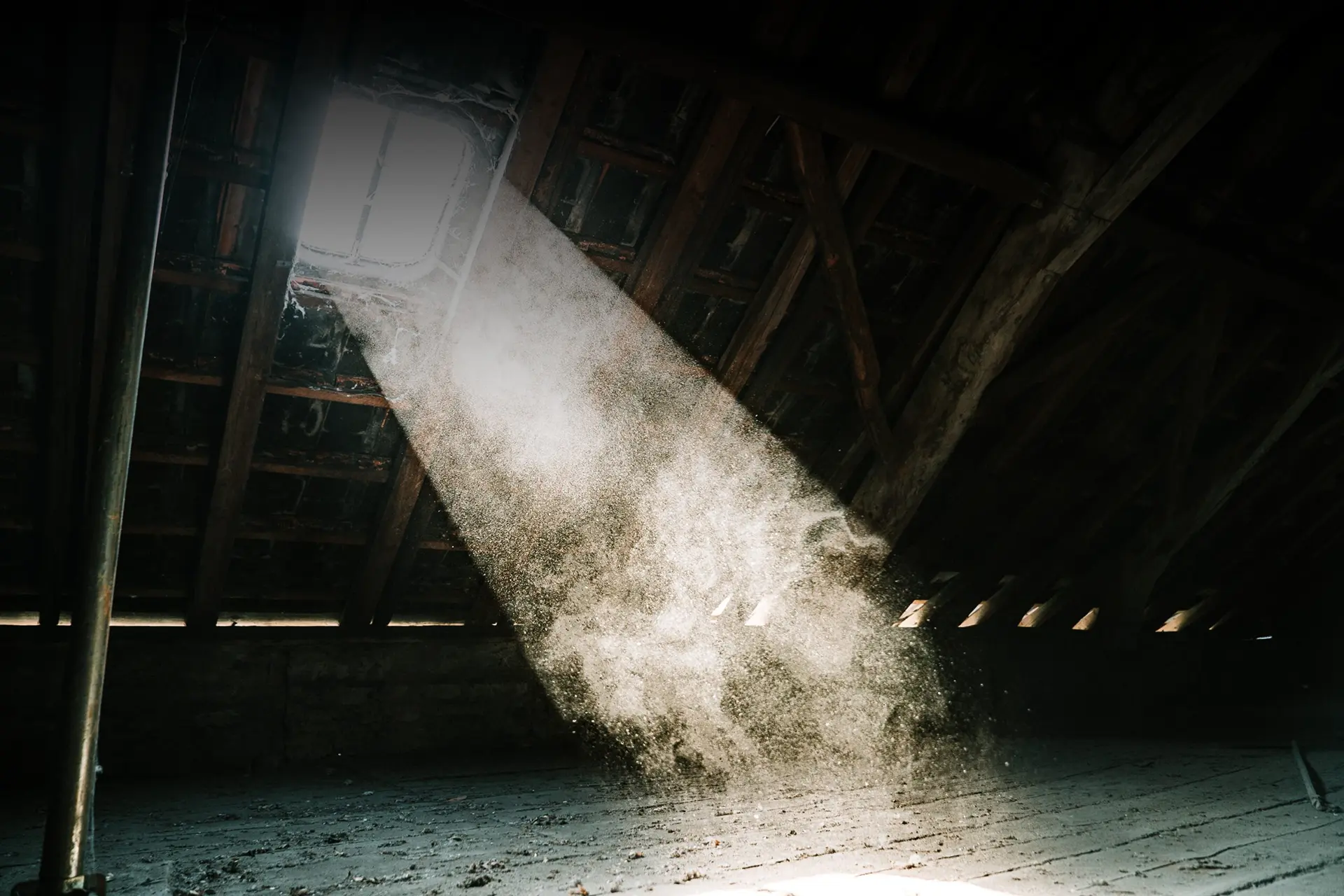
Attic water damage occurs through several distinct pathways. Roof leaks are the most common and most direct: water penetrating a damaged or deteriorated roof system enters the attic at the point of failure and spreads from there. The exact failure point may be a few missing or damaged shingles, failed flashing at a chimney, pipe boot, or ridge cap, ice dam formation at the eaves during winter, or simply the accumulated deterioration of an aging roof system reaching the end of its service life.

Water Damage in Your Attic: Signs, Causes, and What to Do

Attic water damage occurs through several distinct pathways. Roof leaks are the most common and most direct: water penetrating a damaged or deteriorated roof system enters the attic at the point of failure and spreads from there. The exact failure point may be a few missing or damaged shingles, failed flashing at a chimney, pipe boot, or ridge cap, ice dam formation at the eaves during winter, or simply the accumulated deterioration of an aging roof system reaching the end of its service life.
When water damage occurs, most people's first thought is simply to get the water out. And water removal — extraction of standing and surface water — is certainly the critical first action. But water removal alone does not constitute complete water remediation, and understanding the difference between these two concepts is important for any property owner facing a water damage event.

Water Remediation vs. Water Removal: Understanding What Your Property Actually Needs

When water damage occurs, most people's first thought is simply to get the water out. And water removal — extraction of standing and surface water — is certainly the critical first action. But water removal alone does not constitute complete water remediation, and understanding the difference between these two concepts is important for any property owner facing a water damage event.

All Clean Restoration's Other Services

Whether water, mold, fire, or smoke causes damage to your home or business, the effects are heartbreaking and often life-changing. We at All Clean Restoration understand the devastation and pain these events can cause. We also understand that quick and proper action is crucial to prevent further damage, red tape, and cost.

We are honored to help in your time of need.

We are committed to delivering exceptional customer service and restoring homes and businesses to their pre-loss condition. For more than 40 years throughout Southern Illinois, we've prioritized communication with our clients, walking them through the entire restoration process from the moment we arrive to walking back into their restored homes and offices.

618-235-3202

Licensed  |  Bonded  |  Insured