LICENSED   |   BONDED  |   INSURED

618-235-3202

Don’t Panic: A Guide to Water Damage Restoration in Your Home

March 30, 2024
When your home is faced with water damage, it is easy to become overwhelmed. Your initial stress will probably result from the fact that your pipe just burst and your basement is flooding, or that your faucet has been leaking for weeks without your knowledge and you can’t possibly wrap your head around how you didn’t notice.

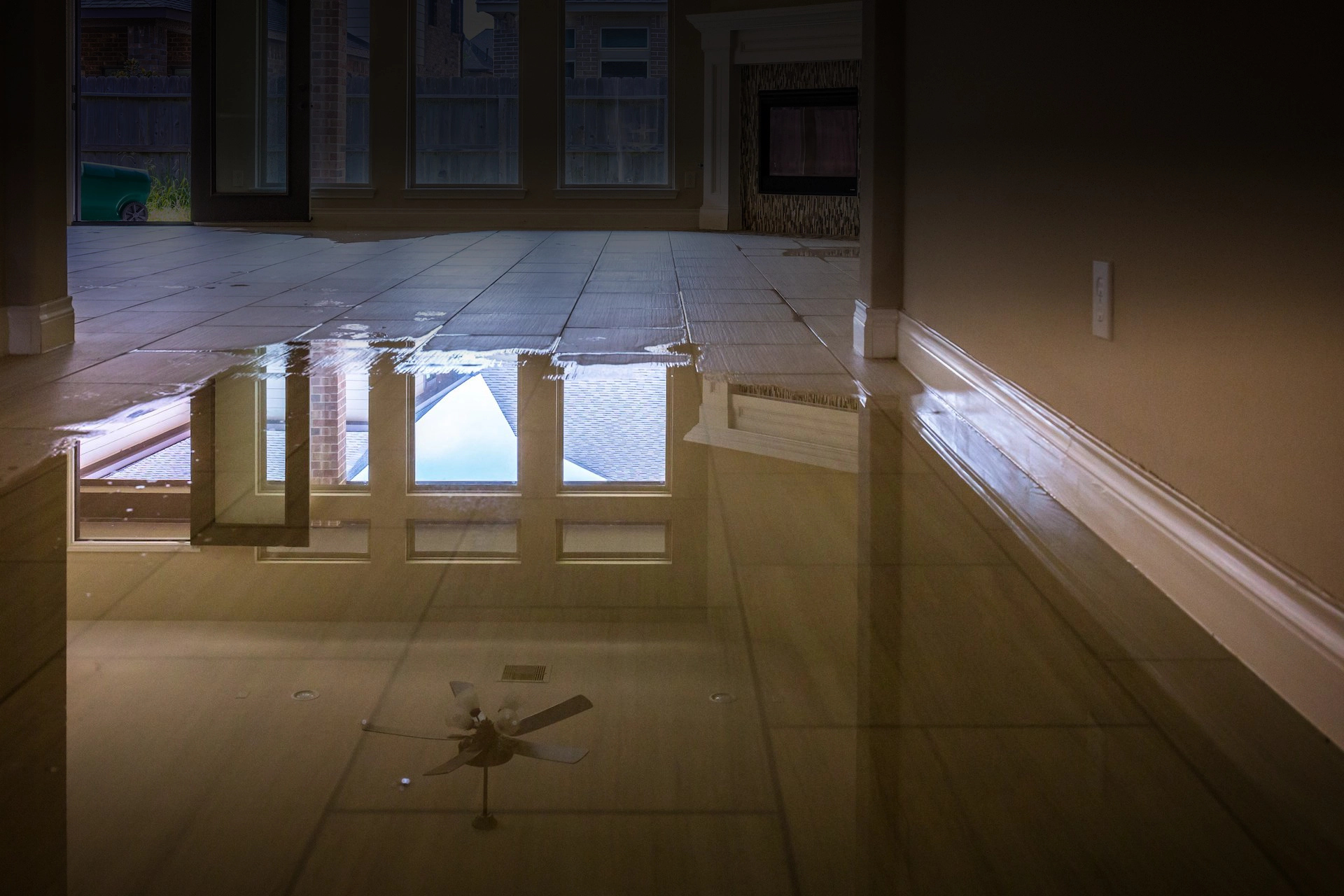
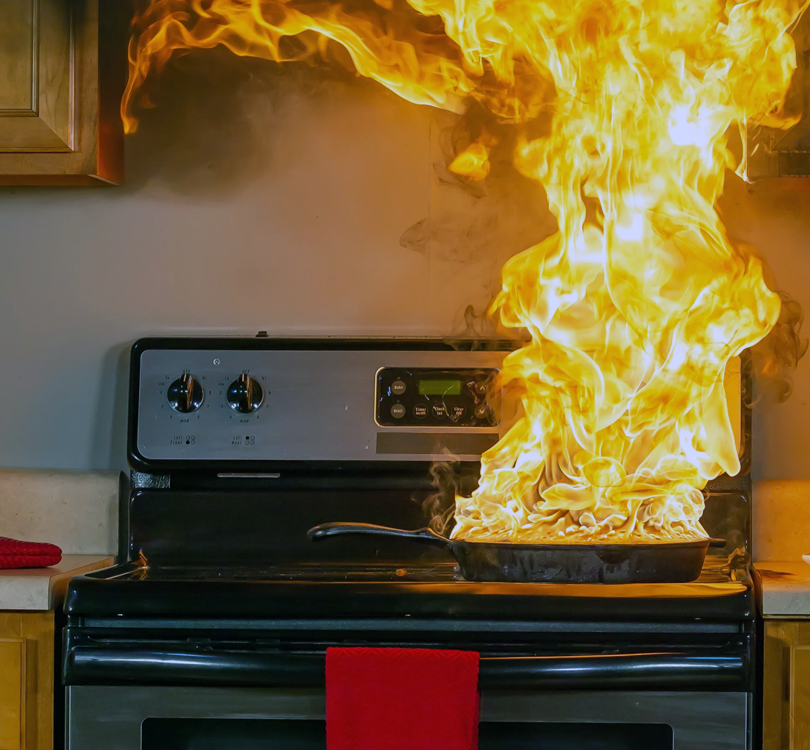
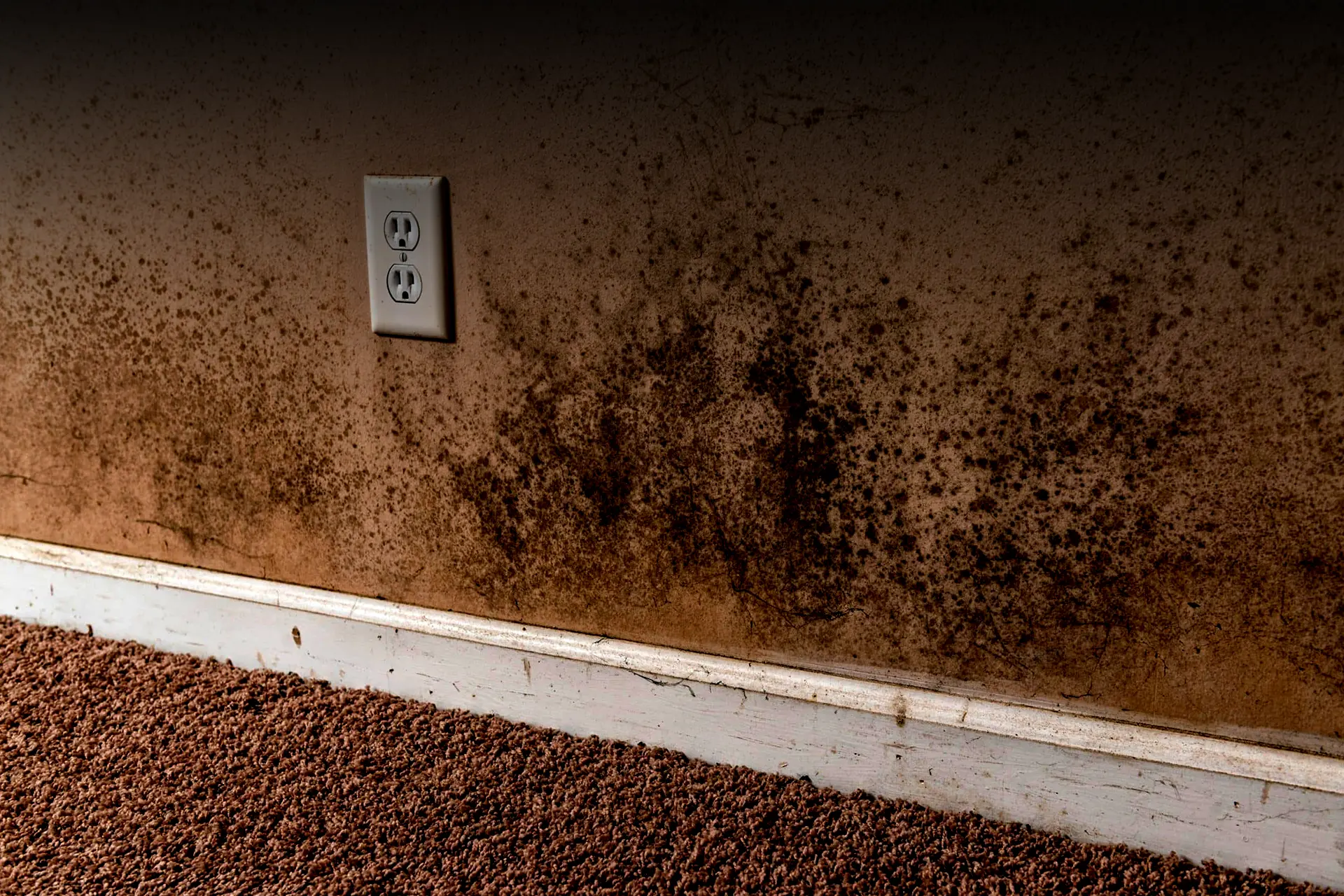
If you've been devastated by watermoldfire, and/or smoke damage, know that your cherished possessions, your home or business, can all be restored to pre-damage condition; bringing back your peace of mind.

Whether water, mold, fire, or smoke causes damage to your home or business, the effects are heartbreaking and often life-changing. We at All Clean Restoration understand the devastation and pain these events can cause. We also understand that quick and proper action is crucial to prevent further damage, red tape, and cost.

Call us any time, day or night:

1-800-4223944

Related Topics:

When your home is faced with water damage, it is easy to become overwhelmed. Your initial stress will probably result from the fact that your pipe just burst and your basement is flooding, or that your faucet has been leaking for weeks without your knowledge and you can’t possibly wrap your head around how you didn’t notice. After that initial stress sinks in, further stress arrives around damage control, as you scramble around your house trying to reduce the harm currently being done to your home. While a million different thoughts are running around in your head, it can be difficult to focus on what you should be doing. In order to know what you should be doing, it is important to identify what type of water leak you have.

Assess What Type of Water Leak You Have

Non-Damaging — But Costly

These types of leaks, while inconvenient, do not cause much significant damage to your home. Instead of costing you damage to your home, they will most likely cost you more time, energy, and money to resolve. Consider the last time you saw a sprinkler spouting straight up into the air as opposed to watering the grass or the last time you went into your bathroom to hear the toilet running even though it hadn’t been used recently.


Minimal Damage — But Will Worsen Over Time

Minimal damage leaks may not look like a huge issue at first, but if left unattended to, will result in more significant damage in the future. These leaks often go unnoticed, such as a leak in your wall, a leak in a faucet or shower, or a drip from an appliance. Occasionally, these leaks occur in more dangerous areas of your home, such as in a boiler or a hot water heater.

Significant Damage — Act Now

Hopefully, a leak in your home never falls into this category, as these leaks can cause a great deal of harm upon your home. Significant damage leaks are fairly easy to identify, as your home is most likely being flooded with water. Leaks such as burst and frozen pipes have the potential to result in this type of leak that requires immediate attention.

Non-Damaging Water Leaks — What to Do

  1. Turn Off All Faucets, Showers, and Hoses – Shut off all sources of water so that you can determine if there is an issue with the water supply in your home. If water is still running around the house, it could complicate your efforts to locate the source of the leak.
  2. Check Your Water Meter – After all water sources are shut down, check if your water is still running. You can do this by locating the low-flow indicator on your water meter. Typically, the low-flow indicator is in the shape of a small triangle, star or gear.  If the low-flow indicator is still spinning, that means that water is still running and you can confirm that you have a leak.
  3. Shut Down Your Toilets – The most common culprit of non-damaging water leaks in your toilet. Try shutting down your toilets, one at a time, and checking your low-flow indicator after every shutdown. If the low-flow indicator stops spinning after you shut down a toilet, you have found your leak. If it continues to spin, try shutting down another toilet until the low-flow indicator stops spinning.
  4. Shut Down Other Appliances One by One – If shutting down all of your toilets does not result in a static low-flow indicator, it means that your leak is coming from somewhere else. In order to find the leak, you can either shut down appliances one by one and continuously check the low-flow indicator, or you can simply call a plumber to identify the leak.

Minimal Damage Water Leaks — What to Do


  1. Turn Off Water in Home – It is important to locate your water meter and turn off the water in your home before the leak results in more damage.
  2. Clean Up Mess – If you catch the leak early enough, it is important to clean up the mess immediately. Failure to clean up a water leak can result in mold and mildew and present more problems down the road. For this reason, it is important to disinfect anything the water has touched. Be sure to be conscientious of what you are touching, and wear protective clothing such as gloves, boots, dust, and eye masks if possible.
  3. Fix Issue that Resulted in Leak – If the leak cannot be fixed on your own, call a plumber to resolve the issue as soon as possible.
  4. Call us for help! All Clean Restoration specializes in water damage remediation.

Significant Damage Water Leaks— Act Now by calling All Clean Restoration 618-235-3202

  1. Turn Off Water in Home – Locate your water meter and turn off the water to prevent any more flooding than what has already occurred. If you cannot turn off the water by yourself, contact a plumber immediately to help you turn it off.
  2. Document Damage – Document the damage the water has done to your home. If possible, try to take photos and/or videos of the damage before you undertake any clean-up efforts.
  3. Call Insurance Company – It is important to notify your insurance company within a reasonable amount of time after the leak so that they are aware of the issue and can take action to help you.
  4. Identify Source of Damage – Try and identify the source of the leak yourself, if possible. However, if you are unable to identify the source of the leak, you may need to call a plumber.
  5. Remediate Other Issues – Help eliminate mold and mildew or to repair damaged drywall. However, do not make permanent repairs before you have approval from your insurance company! If you do not wait for approval, you may not be compensated for repairs.
Recent Blog Articles:

Water damage has no time limit. It's 2:47 AM when you hear it—that sound that doesn't belong. Water dripping. Not the gentle patter of rain on the roof, but something closer, something wrong.

When Water Damage Invades Your Safe Haven: Finding Peace in the Chaos

Water damage has no time limit. It's 2:47 AM when you hear it—that sound that doesn't belong. Water dripping. Not the gentle patter of rain on the roof, but something closer, something wrong.
Frozen pipes represent one of the most deceptive forms of water damage. The danger doesn't occur when the pipe freezes—it happens when it thaws. As water freezes inside your plumbing, it expands with tremendous force, creating microscopic cracks or even catastrophic ruptures in the pipe walls. You might not notice anything wrong until temperatures rise and water begins flowing again, only to discover it's now flooding your basement, crawlspace, or walls. The most vulnerable pipes are those in unheated areas: exterior walls, attics, basements, and crawlspaces. In older homes throughout Collinsville, Edwardsville, and O'Fallon, inadequate insulation leaves these pipes exposed to freezing conditions night after night. Modern homes aren't immune either—a single uninsulated section can lead to a broken pipe and extensive water damage.

Your Pipes May Be Freezing Right Now: The $10,000 Mistake Most Homeowners Make This Winter

Frozen pipes represent one of the most deceptive forms of water damage. The danger doesn't occur when the pipe freezes—it happens when it thaws. As water freezes inside your plumbing, it expands with tremendous force, creating microscopic cracks or even catastrophic ruptures in the pipe walls. You might not notice anything wrong until temperatures rise and water begins flowing again, only to discover it's now flooding your basement, crawlspace, or walls. The most vulnerable pipes are those in unheated areas: exterior walls, attics, basements, and crawlspaces. In older homes throughout Collinsville, Edwardsville, and O'Fallon, inadequate insulation leaves these pipes exposed to freezing conditions night after night. Modern homes aren't immune either—a single uninsulated section can lead to a broken pipe and extensive water damage.
From a tiny, rhythmic drip-drip-drip on the ceiling to a full-scale structural disaster, water damage moves with terrifying speed. What starts as a small discoloration on your drywall can evolve into a costly emergency in just a matter of hours. Here is a look at the timeline of a leak and expert advice on how to stop a disaster in its tracks. At All Clean Restoration, we have spent over 45 years helping homeowners and business owners navigate the devastation and pain these events can cause. We know that when it comes to water, every second counts. The Anatomy of a Disaster: How Fast Does Water Damage Spread? Water is the "universal solvent," and it begins destroying building materials the moment it makes contact. The First Minutes: Water saturates carpets, upholstery, and insulation. It seeps into crevices in hardwood floors and begins wicking up drywall. The First 24 Hours: Drywall begins to swell and disintegrate. Metal surfaces may start to tarnish, and furniture can begin to crack or stain. Most importantly, mold and mildew can begin to colonize in as little as 24 to 48 hours. The First Week: Structural integrity is compromised. Wood swells and warps, and the musty odor of microbial growth becomes overwhelming. At this stage, the cost of property restoration skyrockets. Expert Advice: What to Do When You Spot a Leaky Roof A roof leak is often the silent precursor to a "black water" event or massive ceiling collapse. If you notice a stain or an active drip, follow these steps immediately: 1. Contain the Flow Place a bucket or waterproof container under the drip. To prevent splashing (which can damage nearby flooring), pin a piece of string to the ceiling and let the water travel down the string into the bucket. 2. Release the Pressure If you see a "bubble" forming in your ceiling paint, the water is pooling behind the drywall. Carefully use a small pin or screwdriver to puncture the center of the bubble. This releases the weight of the water, preventing the entire ceiling section from collapsing. 3. Protect Your Assets Move furniture, electronics, and valuables to a dry area immediately. If items are too heavy to move, use plastic sheeting to cover them. 4. Call for Professional Water Extraction Don't wait for the storm to stop. All Clean Restoration provides 24/7 emergency response. Our IICRC certified technicians use state-of-the-art moisture detection tools and infrared cameras to find where the water is hiding behind your walls and under your floors. Why All Clean Restoration? We aren't just a cleanup crew; we are a full-service residential and commercial property restoration company. We specialize in: Structural Drying: Using industrial-grade air movers and dehumidifiers to save your walls and framing. Hardwood Floor Drying: Specialized equipment designed to save your expensive flooring from "cupping" or warping. Insurance Claim Assistance: As an insurance carrier preferred company, we work directly with your adjuster to document the damage and streamline the claims process, reducing your stress. Don't Let a Drip Become a Disaster If your home or business has suffered water damage, you need a team that understands the science of drying. We serve the St. Louis and Metro East areas with rapid, professional service designed to get your life back to normal. Contact All Clean Restoration today for a free estimate or call our 24/7 Emergency Hotline at 1-800-422-3944!

The Anatomy of a Disaster: How Fast Does Water Damage Spread?

Here is a look at the timeline of a leak and expert advice on how to stop a disaster in its tracks. At All Clean Restoration, we have spent over 45 years helping homeowners and business owners navigate the devastation and pain these events can cause. We know that when it comes to water, every second counts.
Finding a patch of mold in your home or business can be a heart-stopping moment. For many, the first instinct is to grab a bottle of bleach and a scrub brush. However, what begins as a DIY weekend project often turns into a stressful, overwhelming ordeal that can actually make the problem worse.

The Hidden Stress of DIY Mold Removal

Finding a patch of mold in your home or business can be a heart-stopping moment. For many, the first instinct is to grab a bottle of bleach and a scrub brush. However, what begins as a DIY weekend project often turns into a stressful, overwhelming ordeal that can actually make the problem worse.

All Clean Restoration's Other Services

Whether water, mold, fire, or smoke causes damage to your home or business, the effects are heartbreaking and often life-changing. We at All Clean Restoration understand the devastation and pain these events can cause. We also understand that quick and proper action is crucial to prevent further damage, red tape, and cost.

We are honored to help in your time of need.

We are committed to delivering exceptional customer service and restoring homes and businesses to their pre-loss condition. For more than 40 years throughout Southern Illinois, we've prioritized communication with our clients, walking them through the entire restoration process from the moment we arrive to walking back into their restored homes and offices.

618-235-3202

Licensed  |  Bonded  |  Insured