LICENSED | BONDED | INSURED
618-235-3202
Emergency Water Removal: The 30-Minute Window That Determines Everything

If you've been devastated by water, mold, fire, and/or smoke damage, know that your cherished possessions, your home or business, can all be restored to pre-damage condition; bringing back your peace of mind.
Whether water, mold, fire, or smoke causes damage to your home or business, the effects are heartbreaking and often life-changing. We at All Clean Restoration understand the devastation and pain these events can cause. We also understand that quick and proper action is crucial to prevent further damage, red tape, and cost.
Call us any time, day or night:
1-800-4223944
Related Topics:
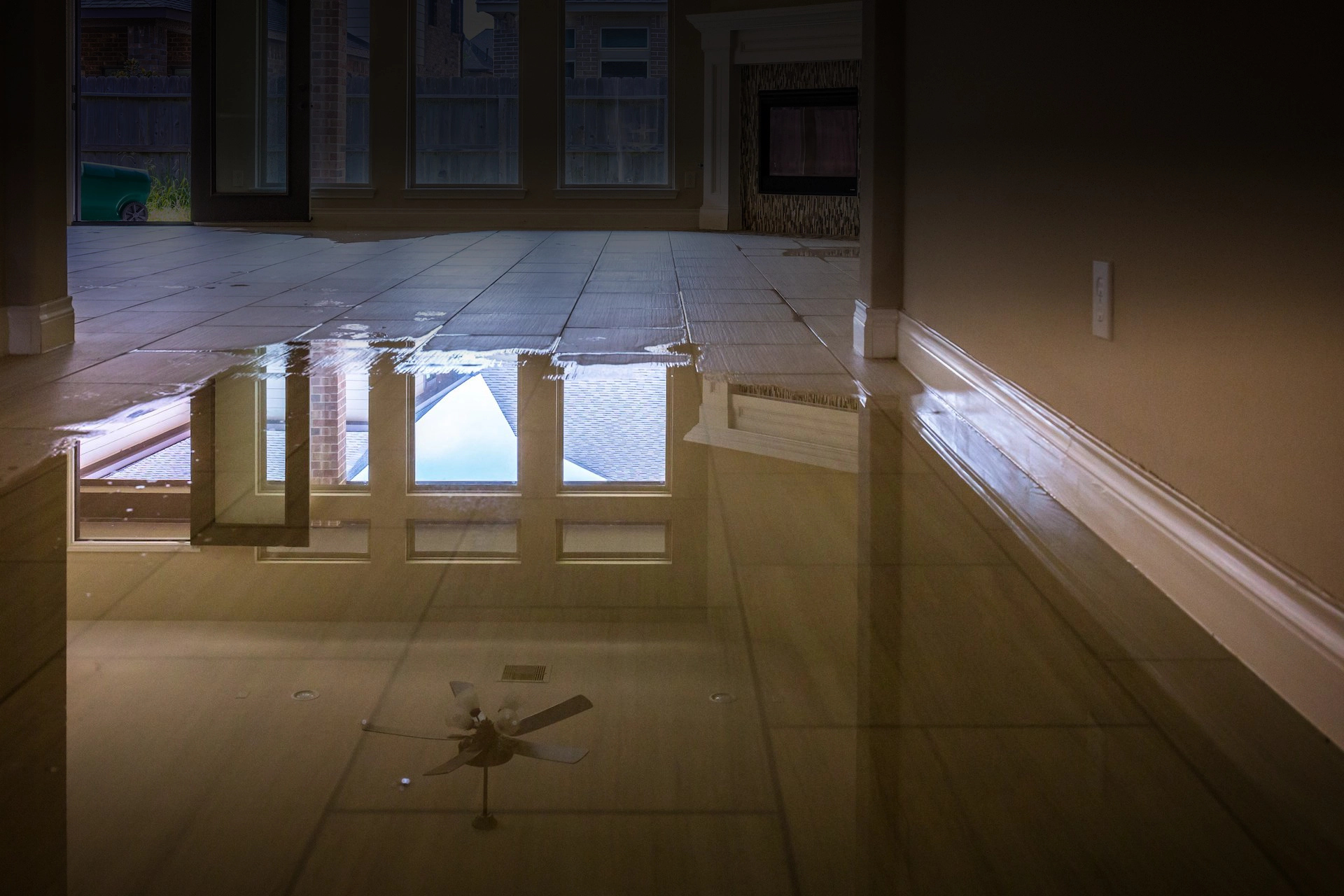
Your basement just flooded. Your water heater burst at 2 a.m. A pipe froze and split, and now water is pouring into your kitchen wall. In moments like these, the decisions you make in the next 30 minutes will determine whether this becomes a manageable cleanup or a months-long nightmare.
At All Clean Restoration, emergency water removal is our specialty, our calling, and something our team has been doing for over 45 years across Belleville, IL, and the greater St. Louis Metro East region. Here’s what you need to know about why speed matters so much — and what happens when professional water extraction is done right.
The Water Damage Timeline: Why Every Hour Counts
Water doesn’t sit still and wait for business hours. It migrates through any path available — through flooring, into wall cavities, under cabinets, into insulation, and along structural members. The Federal Emergency Management Agency (FEMA) consistently notes that water intrusion is one of the fastest-evolving property damage scenarios homeowners face.
Here’s a rough timeline of what happens after uncontrolled water enters your home:
Within 1–2 hours:
- Furniture begins to swell and bleed dye
- Drywall absorbs moisture and begins to lose integrity
- Flooring finishes are compromised
- Electronics and paper documents suffer irreversible damage
- Subfloor materials begin absorbing moisture
Within 24 hours:
- Mold spores that are naturally present in every home begin to germinate on wet organic surfaces (EPA Mold Guidelines)
- Metal surfaces begin to corrode
- Wood begins to swell and deform
- Odors from microbial activity begin to develop
- Structural wood members start absorbing moisture
Within 48–72 hours:
- Active mold growth is underway on wet porous materials
- Structural damage to subfloors, walls, and framing compounds
- Contents that could have been saved become total losses
- Remediation costs increase substantially
Within one week:
- Mold colonies are established
- Wood rot and structural compromise deepen
- Biohazard conditions may develop in Category 2 or 3 water situations
- The gap between what insurance will pay and what repairs cost can widen
This is why All Clean Restoration’s 30-minute response time is not a marketing slogan — it’s a service commitment built around the science of water damage.
What Professional Emergency Water Removal Actually Looks Like
When All Clean Restoration arrives at your property, here’s what our certified technicians do — quickly, systematically, and thoroughly:
Step 1: Safety Assessment Before any equipment is deployed, we assess for electrical hazards, structural instability, and water contamination classification. Category 3 (sewage/floodwater) situations require full PPE and containment protocols from the first moment.
Step 2: Industrial Water Extraction We deploy truck-mounted and portable extraction units capable of removing hundreds of gallons of standing water per hour. This is not a wet-vac from the hardware store — this is commercial extraction equipment designed to pull water from carpet, hardwood, tile, and structural voids efficiently.
Step 3: Structural Moisture Mapping Using thermal imaging cameras and calibrated moisture meters, we map exactly where water has migrated — including inside walls, under floors, and in ceiling cavities that show no visible signs of damage from the surface.
Step 4: Industrial Drying Equipment Placement Commercial-grade air movers and LGR dehumidifiers are placed according to a calculated drying plan — not randomly positioned and forgotten. The number, type, and placement of equipment is determined by the square footage, materials, and psychrometric conditions of your specific space.
Step 5: Monitoring and Adjustment We return daily (or as required) to monitor drying progress with moisture meters and adjust equipment placement. Drying is not complete until every affected material reaches its target moisture content — verified by measurement, not assumption.
Burst Pipes, Flooded Basements, and Appliance Failures
The most common calls we receive for emergency water removal in Southern Illinois and St. Louis come from:
- Burst and frozen pipes, especially during Illinois winters — frozen pipe damage can release hundreds of gallons in minutes
- Sump pump failures during heavy rains, which can leave basements with several feet of standing water
- Water heater failures — a 50-gallon water heater fully draining can saturate an entire basement floor
- Washing machine supply line failures — one of the most common sources of significant home water damage
- Sewage backups — requiring specialized sewage cleanup protocols due to contamination risks
- Roof leaks following storms — water entering from above can travel surprisingly far before appearing visibly
In all of these scenarios, the same rule applies: the faster water is extracted and drying begins, the lower the total damage and restoration cost.
DIY Extraction: Why It Falls Short
Renting a wet-vac or a consumer dehumidifier from a hardware store may feel like you’re taking action — but it creates a dangerous false sense of security. Consumer equipment simply cannot:
- Extract water from within wall cavities or under hardwood floors
- Generate the airflow needed to dry structural materials within the IICRC-recommended 3–5 day drying window
- Detect moisture hidden behind surfaces with thermal imaging
- Create the documentation needed to support a complete insurance claim
The result of DIY extraction that leaves hidden moisture behind? Mold. Structural damage. A much larger problem discovered weeks or months later — often after you’ve already settled or closed an insurance claim.
Call All Clean Restoration — 24/7, 365 Days a Year
When water enters your home or business, All Clean Restoration is ready to move immediately. We serve the entire bi-state metro area, including Alton, Granite City, Highland, Waterloo, Shiloh, and Troy.
Call us now: 618-235-3202 | Available 24/7, 30-minute response, free estimates, and full insurance claim assistance
Recent Blog Articles:

Is Water Around Your Foundation Destroying Your Home?

The Invisible Threat: Is Mold Hiding Inside Your Walls?

The Hidden Rot: Why Finding Wet Cabinets Is a Homeowner’s Emergency

Don’t Wait! 4 Hidden Dangers of Water Damage Under Your Carpet (And How to Save Your Home Today)
All Clean Restoration's Other Services
Whether water, mold, fire, or smoke causes damage to your home or business, the effects are heartbreaking and often life-changing. We at All Clean Restoration understand the devastation and pain these events can cause. We also understand that quick and proper action is crucial to prevent further damage, red tape, and cost.

Licensed | Bonded | Insured