LICENSED | BONDED | INSURED
618-235-3202
From Chaos to Clean: Your Guide to Fire Damage Restoration in Illinois and Missouri

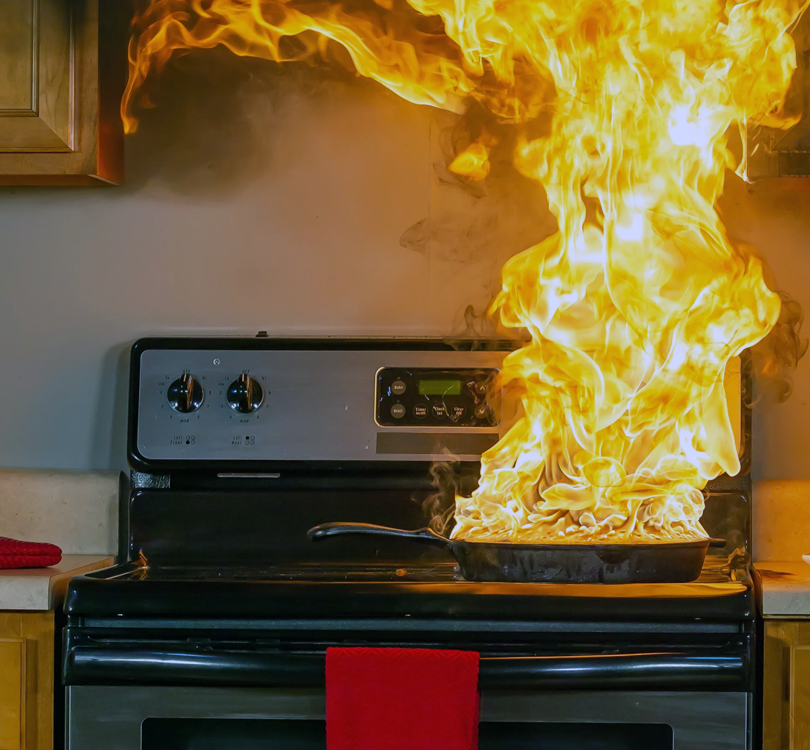
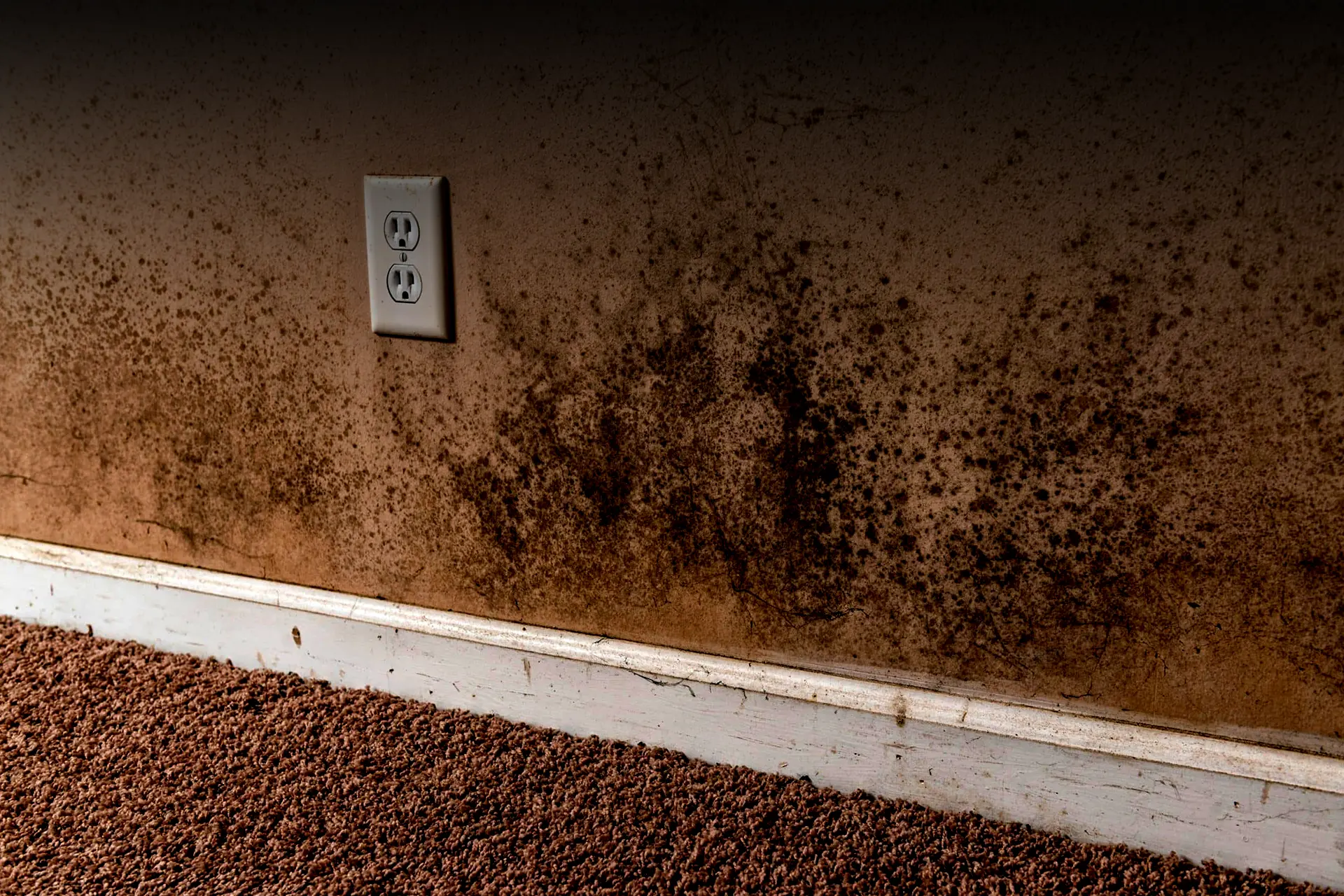
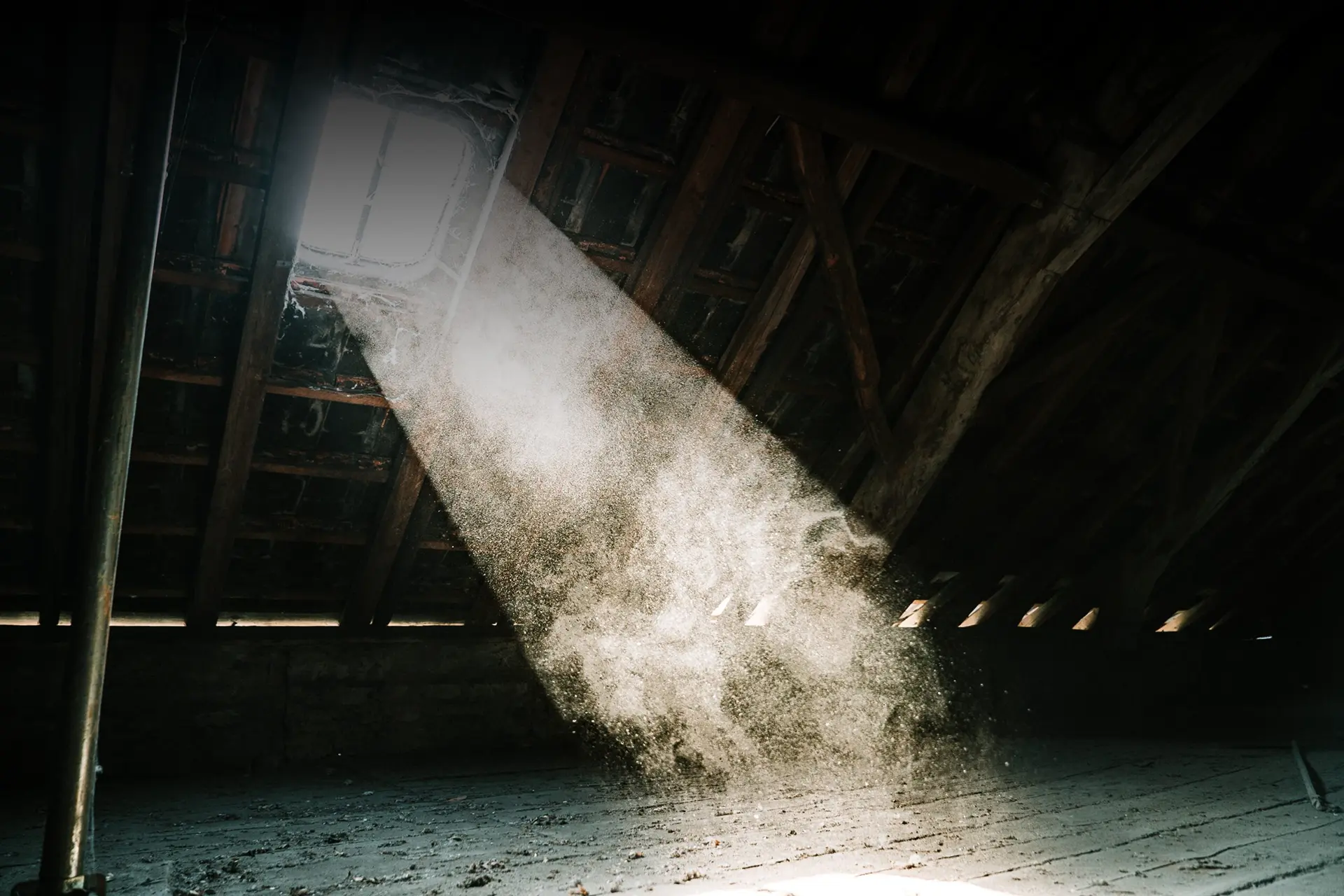
If you've been devastated by water, mold, fire, and/or smoke damage, know that your cherished possessions, your home or business, can all be restored to pre-damage condition; bringing back your peace of mind.
Whether water, mold, fire, or smoke causes damage to your home or business, the effects are heartbreaking and often life-changing. We at All Clean Restoration understand the devastation and pain these events can cause. We also understand that quick and proper action is crucial to prevent further damage, red tape, and cost.
Call us any time, day or night:
1-800-4223944
Related Topics:
From Chaos to Clean: Your Guide to Fire Damage Restoration in Illinois and Missouri
Guide to Fire Damage Restoration. When fire strikes, the aftermath can feel overwhelming. The physical damage to your property is just the beginning; smoke and soot can permeate every surface, leaving behind a lingering odor that seems impossible to remove. In this challenging time, knowing where to begin the cleanup is the hardest part.
That’s where professional fire and smoke damage restoration comes in. For homeowners and business owners in western Illinois and eastern Missouri, All Clean Restoration is the trusted partner you can call to reclaim your property and your peace of mind. Our expert team is equipped to handle the entire process, returning your home or business to its pre-fire condition.
But how long does this process take? The timeline for fire damage restoration varies greatly, depending on several key factors. Here’s a comprehensive look at what to expect and the steps we take to get you back on your feet.
Step-by-Step Restoration Timeline
1. Initial Assessment
The first and most critical step is a thorough evaluation of the damage. Our professionals use advanced tools like thermal imaging, moisture meters, and air quality testing to determine the full extent of the fire, smoke, and soot damage. This phase typically takes a day or two and is the foundation for creating a detailed and effective restoration plan.
2. Securing the Property
Safety is always our top priority. Fire often compromises the structural integrity of a building. To prevent further damage and secure the site, our team may need to board up windows, tarp roofs, and stabilize walls. This critical step can take one to three days, depending on the property’s condition.
3. Water Removal and Drying
If the fire was extinguished with water, a secondary problem arises: excess moisture. This can lead to mold growth and further structural damage. Since we also specialize in water damage restoration, we can expertly handle this issue. Using high-powered fans and dehumidifiers, we ensure the property is completely dry. This crucial process may take three to seven days.
4. Smoke and Soot Cleanup
This is often the most labor-intensive part of the restoration. Our team meticulously cleans smoke residue from walls, ceilings, and personal belongings. Using specialized cleaning agents, we work to deodorize the entire space, ensuring there are no lingering smoke odors. This phase can take one to two weeks, depending on the scope of the damage.
5. Repairing Structural Damage
Once the cleanup is complete, we move to the restoration phase, which involves repairing or replacing fire-damaged walls, ceilings, and flooring. If the damage is extensive, this step could take several weeks. For smaller-scale repairs, the timeline might be closer to a week. Our goal is to restore the property to its safe and fully functional state.
6. Final Inspections and Odor Elimination
Before we consider the job done, we conduct final inspections to ensure all damage has been addressed. We also focus on odor elimination, guaranteeing that your space is free of any smoke smells. This final check adds a few days to the timeline, but it’s essential for a complete restoration.
Factors That Influence the Restoration Timeline
- Severity of the Fire: A minor kitchen fire may only require a few days, while a whole-house fire can take several months.
- Property Size: Larger homes or commercial buildings naturally require more time to clean and repair.
- Insurance Approvals: Delays in insurance claims or approvals can sometimes slow down the process.
- Material Availability: Replacing unique or hard-to-source materials can add time to the schedule.
Fire damage restoration is a multi-step process with a timeline that varies widely. The key to a smooth and efficient restoration lies in partnering with a professional team that can handle every stage, from initial assessment to final inspection. With over 40 years of experience, All Clean Restoration is committed to delivering exceptional customer service and restoring your peace of mind.
If your property has suffered fire damage in western Illinois or eastern Missouri, don’t wait. We offer 24/7 emergency service to begin the cleanup process immediately. Contact All Clean Restoration today and let our skilled team help you reclaim your space.
Recent Blog Articles:

In-Place Drying vs. Tear-Out: How Pro Drying Saves Your Home

Wet Carpet After a Flood or Leak: Can It Be Saved?

Winterizing Your Home to Prevent Frozen Pipes in the Metro East

Water Damage to Your Subfloor: The Damage You Can’t See
All Clean Restoration's Other Services
Whether water, mold, fire, or smoke causes damage to your home or business, the effects are heartbreaking and often life-changing. We at All Clean Restoration understand the devastation and pain these events can cause. We also understand that quick and proper action is crucial to prevent further damage, red tape, and cost.

Licensed | Bonded | Insured