LICENSED | BONDED | INSURED
618-235-3202
Furnace Puffback: Why Your Home Is Suddenly Covered in Soot

If you've been devastated by water, mold, fire, and/or smoke damage, know that your cherished possessions, your home or business, can all be restored to pre-damage condition; bringing back your peace of mind.
Whether water, mold, fire, or smoke causes damage to your home or business, the effects are heartbreaking and often life-changing. We at All Clean Restoration understand the devastation and pain these events can cause. We also understand that quick and proper action is crucial to prevent further damage, red tape, and cost.
Call us any time, day or night:
1-800-4223944
Related Topics:
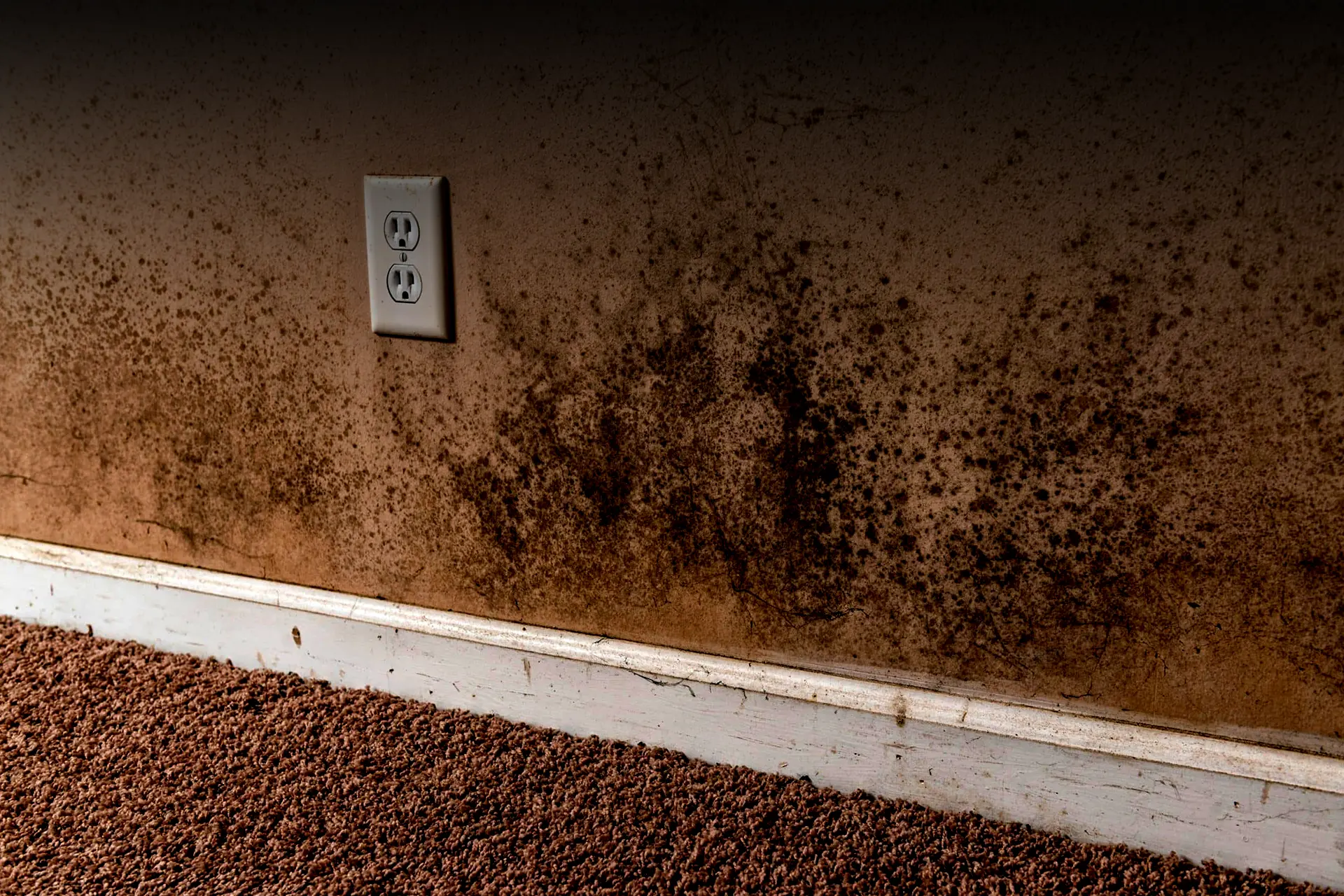
You turn on the heat, hear a muffled thump from the basement, and within minutes there’s a fine black film settling over everything you own. It’s on the walls, the ceilings, the curtains, the dishes. A furnace puffback is one of the most shocking messes a home can suffer — and one of the most misunderstood.
When cold weather hits Belleville, Fairview Heights, and the St. Louis Metro, furnaces and boilers fire up after months of rest. That’s exactly when puffbacks happen. The good news: it looks worse than it is, and it’s fixable.
What Is a Puffback?
A puffback is a small explosion inside your furnace or boiler. Unburned fuel builds up in the combustion chamber, then ignites all at once when the unit fires.
The blast forces oily soot and smoke out through the vents and into your home. In seconds, that soot spreads through the ductwork and coats every surface — the definition of a furnace puffback.
Why Puffback Soot Is So Hard to Clean
This isn’t ordinary dust. Puffback soot is oily, acidic, and staggeringly fine. Those three traits make DIY cleanup a losing battle.
Puffback soot behaves badly:
- It smears. Wipe it with a rag and you grind it into the surface.
- It’s oily. Standard cleaners can’t cut petroleum-based residue.
- It’s corrosive. Left on surfaces, it etches metal, stains, and eats finishes.
- It travels. It rides the airflow into closets, drawers, and rooms far from the furnace.
The IICRC recognizes soot as a specialized restoration challenge for exactly these reasons. The wrong cleaning method sets the stain permanently.
Why “Airing It Out” Won’t Work
Opening windows and running fans spreads the soot further. It does nothing for the oily residue bonded to your surfaces or the smoke odor soaked into porous materials.
Puffback damage needs the same disciplined approach as fire and smoke restoration. Surface-cleaning alone leaves behind residue and odor that resurface for months. Removing soot for good means treating every affected surface and neutralizing the odor at its source, not masking it.
How We Restore a Home After a Puffback
We handle puffbacks like the smoke event they are — methodically, surface by surface.
Our process includes:
- Containment, so soot doesn’t spread further during the work.
- Specialized dry and wet cleaning matched to each surface and each type of soot.
- HVAC and duct cleaning, because the system that spread the soot holds more of it.
- Contents cleaning for salvageable belongings, textiles, and dishes.
- Odor neutralization that treats the smell at the molecular level, not with a cover-up.
This is focused restoration work, and it restores your home to pre-loss condition. If you want the full picture on why smoke and soot need professional handling, our team applies the same rigor described in the science of smoke damage removal. Puffback events are often covered by insurance, and we document the loss for your adjuster — see how the insurance process works.
We respond to puffback and soot emergencies across the Metro East and Missouri, from Wood River and Millstadt to St. Louis. Confirm your town on our service area page.
Don’t wipe it — you’ll set the stain. Call before you touch the soot. All Clean Restoration cleans puffback soot, restores your surfaces and belongings, and removes the odor for good. We answer 24/7, every single day of the year, weekends and holidays included. Licensed, bonded, insured, IICRC-certified, and local since 1981. Illinois: 618-235-3202 · Missouri: 314-454-0442 · Se Habla Español: 618-792-3633 Or contact us online for immediate response.
Recent Blog Articles:

What Is Water Remediation — And Why It’s Not the Same as Just Drying Things Out

Hardwood Floor Water Damage: Can Your Floors Be Saved?

Attic Mold: The Result of Failed Roof Repairs and Poor Venting

Home Repair After Water Infiltration: A Complete Roadmap to Restoration
All Clean Restoration's Other Services
Whether water, mold, fire, or smoke causes damage to your home or business, the effects are heartbreaking and often life-changing. We at All Clean Restoration understand the devastation and pain these events can cause. We also understand that quick and proper action is crucial to prevent further damage, red tape, and cost.

Licensed | Bonded | Insured