LICENSED | BONDED | INSURED
618-235-3202
Hardwood Floor Water Damage: Can Your Floors Be Saved?

If you've been devastated by water, mold, fire, and/or smoke damage, know that your cherished possessions, your home or business, can all be restored to pre-damage condition; bringing back your peace of mind.
Whether water, mold, fire, or smoke causes damage to your home or business, the effects are heartbreaking and often life-changing. We at All Clean Restoration understand the devastation and pain these events can cause. We also understand that quick and proper action is crucial to prevent further damage, red tape, and cost.
Call us any time, day or night:
1-800-4223944
Related Topics:
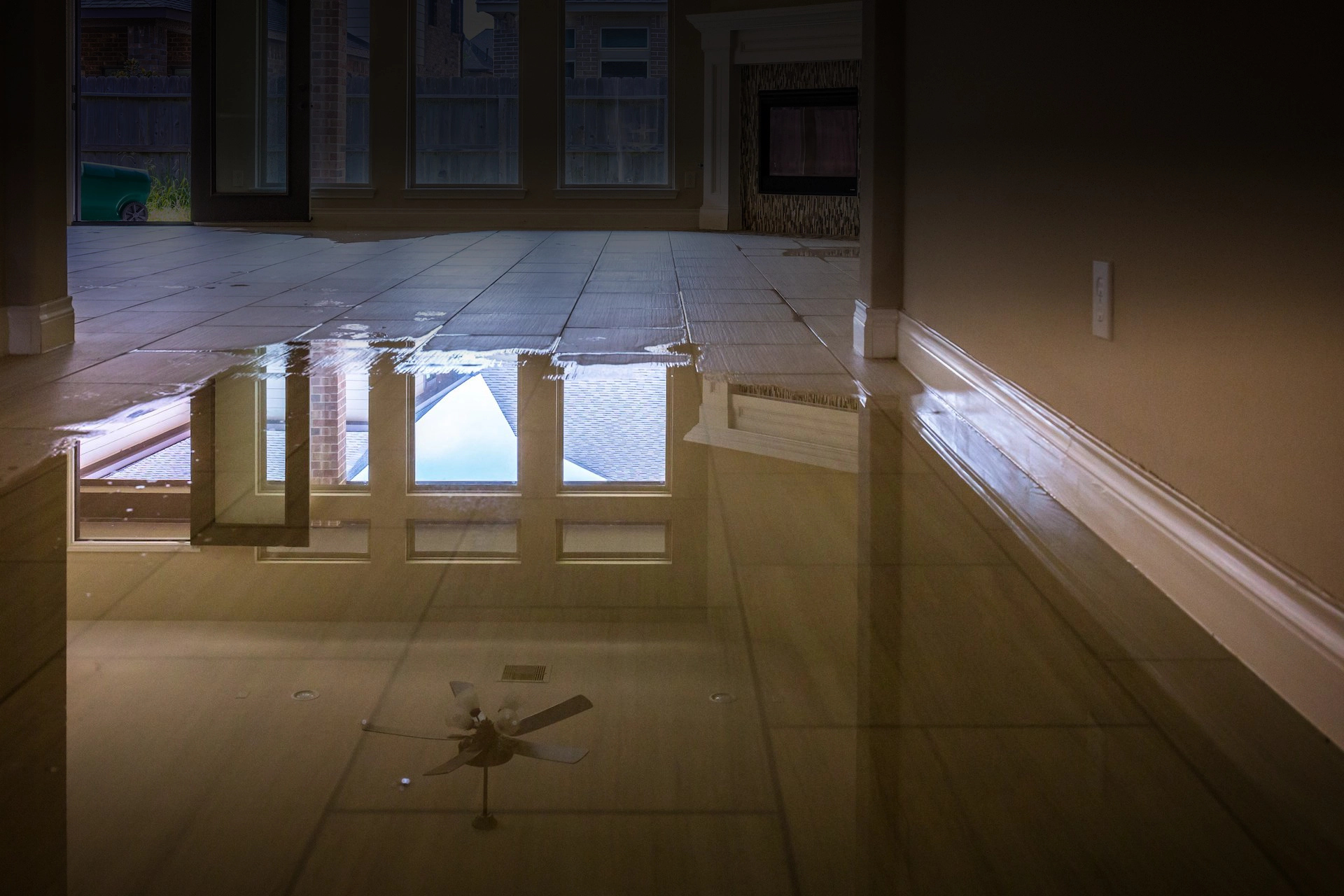
Hardwood floors are one of the most prized features in any home. They’re beautiful, durable, and significant investments — and the thought of losing them to water damage is heartbreaking. The good news? With fast, professional intervention, hardwood floors damaged by water can very often be saved — completely or substantially — without replacement.
The bad news? The window for saving them is short, and the methods that save them require professional equipment that goes far beyond anything available at a hardware store.
At All Clean Restoration, our specialized hardwood floor drying services have saved thousands of square feet of hardwood flooring across Southern Illinois and the St. Louis Metro — floors that lesser remediation companies would have declared total losses.
What Water Does to Hardwood Floors
To understand why professional drying works, it helps to understand exactly what water damage does to hardwood flooring at the material level.
Cupping: When wood absorbs moisture, the individual boards expand. Because the top surface is exposed to the room’s humidity while the bottom absorbs moisture from subfloor contact, the board expands unevenly — creating a concave “cup” shape where the edges are higher than the center. Cupping is the earliest and most common sign of hardwood water damage.
Crowning: The inverse of cupping — when the center of a board is higher than its edges — typically develops when the top surface of the floor absorbs moisture faster than the bottom. This often occurs when surface water dries too quickly while underlying moisture remains.
Buckling/Lifting: In severe cases, boards absorb so much moisture that they expand beyond the confines of the installation and physically lift from the subfloor. Buckling is a sign of significant moisture uptake and typically indicates the situation has progressed beyond early-stage damage.
Swelling at Joints: Tongue-and-groove connections between boards can swell to the point where boards lock, squeeze, or physically push adjacent boards out of position.
Staining and Discoloration: Water carries dissolved minerals, tannins from organic material, and in some cases contaminants that stain wood fibers.
The Golden Window for Floor Saving
Hardwood floors respond to professional drying most favorably when treatment begins within 24–48 hours of water exposure. The wood hasn’t yet fully equilibrated to the higher moisture content, swelling is still reversible, and cupping can be reversed as the drying process returns the wood to its target moisture content.
After 72 hours, the likelihood of saving the floors decreases — though professional drying can still achieve significant results in many cases depending on wood species, finish type, and subfloor conditions.
This is why rapid response is so critical. When you call All Clean Restoration, we prioritize hardwood floor assessment and begin drying equipment deployment immediately.
How We Save Hardwood Floors: Professional Floor Drying Technology
Consumer-grade dehumidifiers and fans move air over the surface of hardwood floors — but they don’t address the moisture that has migrated into the wood itself or into the subfloor below. This is why DIY drying almost always fails for hardwood.
Our wood floor drying services use specialized approaches:
Floor Drying Mats Specialized drying mats are placed directly on the hardwood floor surface and connected to a dehumidifier. The mats create a sealed drying chamber directly against the floor, drawing moisture out of the wood through controlled evaporation at the wood surface — from the top down. This is far more effective than simply blowing air over the surface.
Injectidry Systems For water that has migrated beneath the hardwood into the subfloor, we use Injectidry systems that inject dry, conditioned air directly beneath the flooring through small access points. This dries the subfloor and the underside of the hardwood simultaneously — addressing the full moisture profile of the floor assembly.
Desiccant Dehumidification In cases where very low humidity levels are needed to achieve target wood moisture content, we deploy desiccant dehumidifiers capable of achieving extremely low grain depression — pulling moisture from wood that LGR dehumidifiers alone cannot reach.
Daily Moisture Monitoring We monitor the moisture content of the wood itself daily using calibrated pin and pinless moisture meters. Target moisture content for hardwood flooring is typically 6–9% for most species in Midwest climates. We don’t declare victory until the numbers confirm it.
When Replacement Is Necessary
Not every hardwood floor can be saved — and honesty about this serves our clients better than false hope. Floors that have been submerged for extended periods, floors with severe structural buckling, or floors where the subfloor has been so compromised that the floor assembly no longer has structural integrity may need to be replaced. Floors damaged by Category 3 (sewage) water also typically require replacement due to contamination concerns.
When replacement is necessary, All Clean Restoration handles the full scope — extraction, subfloor drying, removal, and full restoration and reconstruction — so you’re never left coordinating multiple contractors.
Protect Your Investment
If you’re a Southern Illinois homeowner with hardwood floors, the single most important thing you can do is call a professional the moment you discover water on or near your floors. Every hour matters.
Contact All Clean Restoration at 618-235-3202, 24/7. Let us give your hardwood floors every possible chance to be saved.
Recent Blog Articles:

More Than a Bad Smell: The Science of Smoke Damage Removal

Black Mold Removal: What Southern Illinois Homeowners Actually Need to Know

Storm and Flood Cleanup in the Bi-State Metro: Surviving Illinois and Missouri’s Wild Weather

Sump Pump Failure and Basement Flooding: What Every Illinois Homeowner Should Know
All Clean Restoration's Other Services
Whether water, mold, fire, or smoke causes damage to your home or business, the effects are heartbreaking and often life-changing. We at All Clean Restoration understand the devastation and pain these events can cause. We also understand that quick and proper action is crucial to prevent further damage, red tape, and cost.

Licensed | Bonded | Insured