LICENSED | BONDED | INSURED
618-235-3202
Home Repair After Water Infiltration: A Complete Roadmap to Restoration

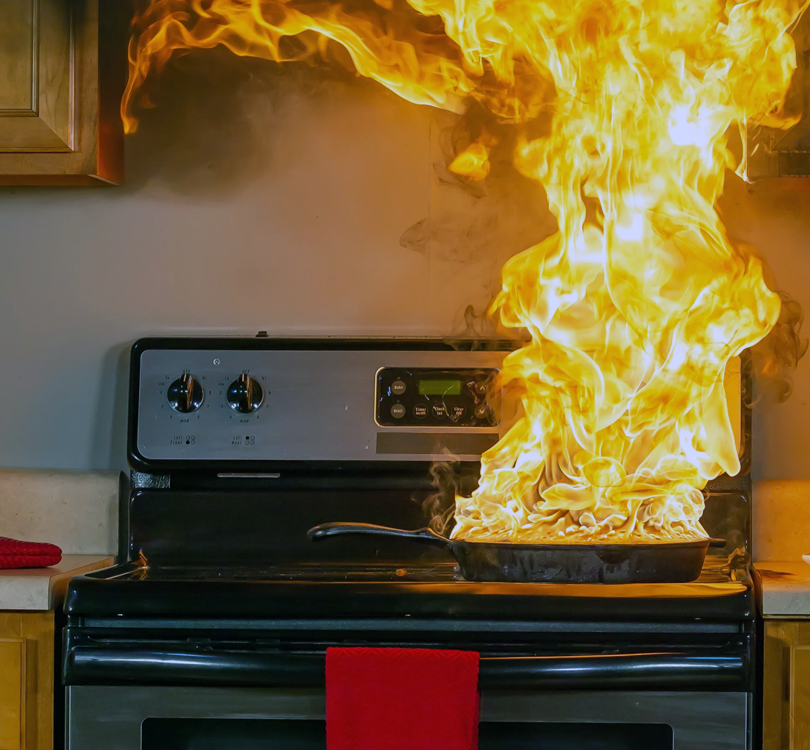
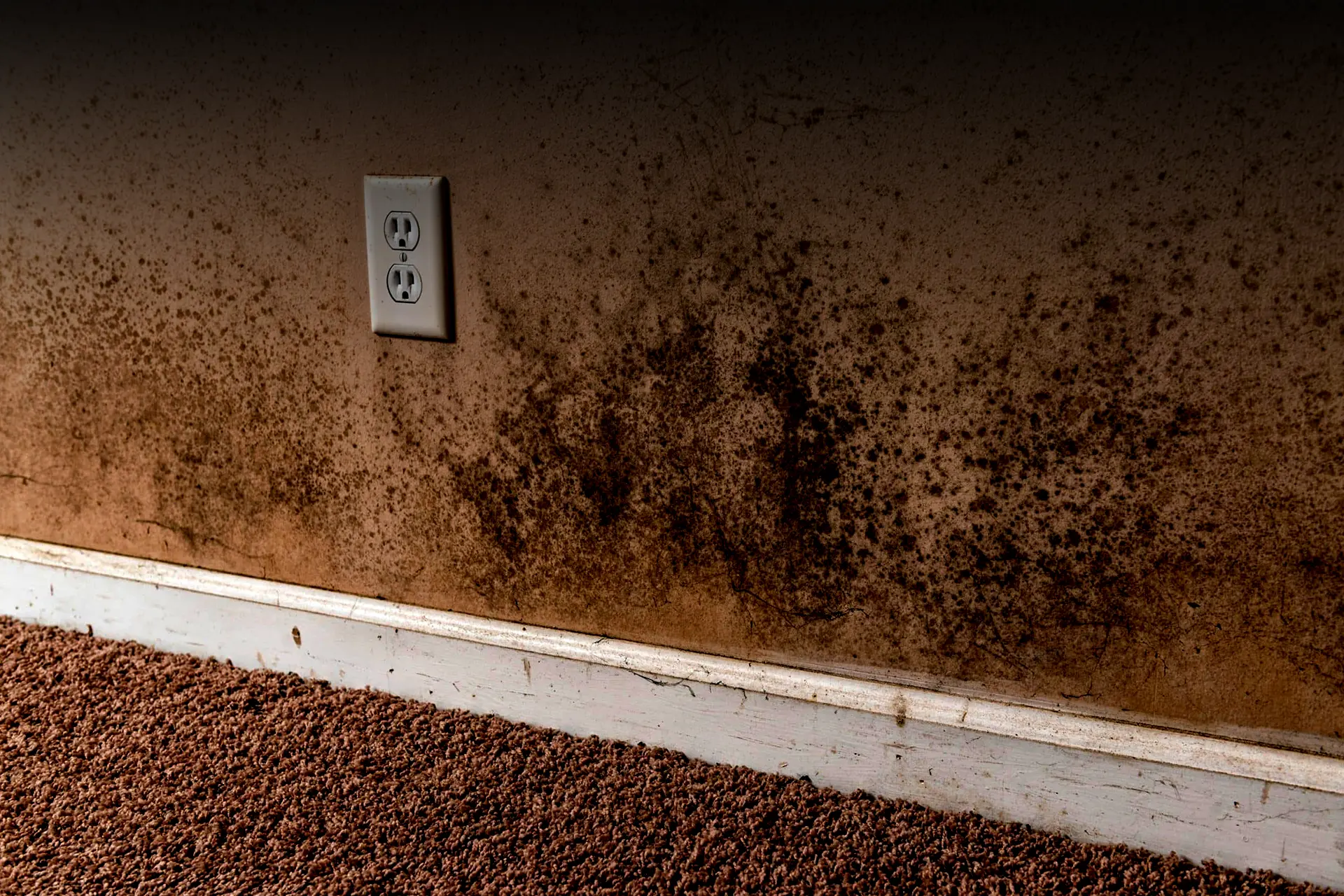
If you've been devastated by water, mold, fire, and/or smoke damage, know that your cherished possessions, your home or business, can all be restored to pre-damage condition; bringing back your peace of mind.
Whether water, mold, fire, or smoke causes damage to your home or business, the effects are heartbreaking and often life-changing. We at All Clean Restoration understand the devastation and pain these events can cause. We also understand that quick and proper action is crucial to prevent further damage, red tape, and cost.
Call us any time, day or night:
1-800-4223944
Related Topics:
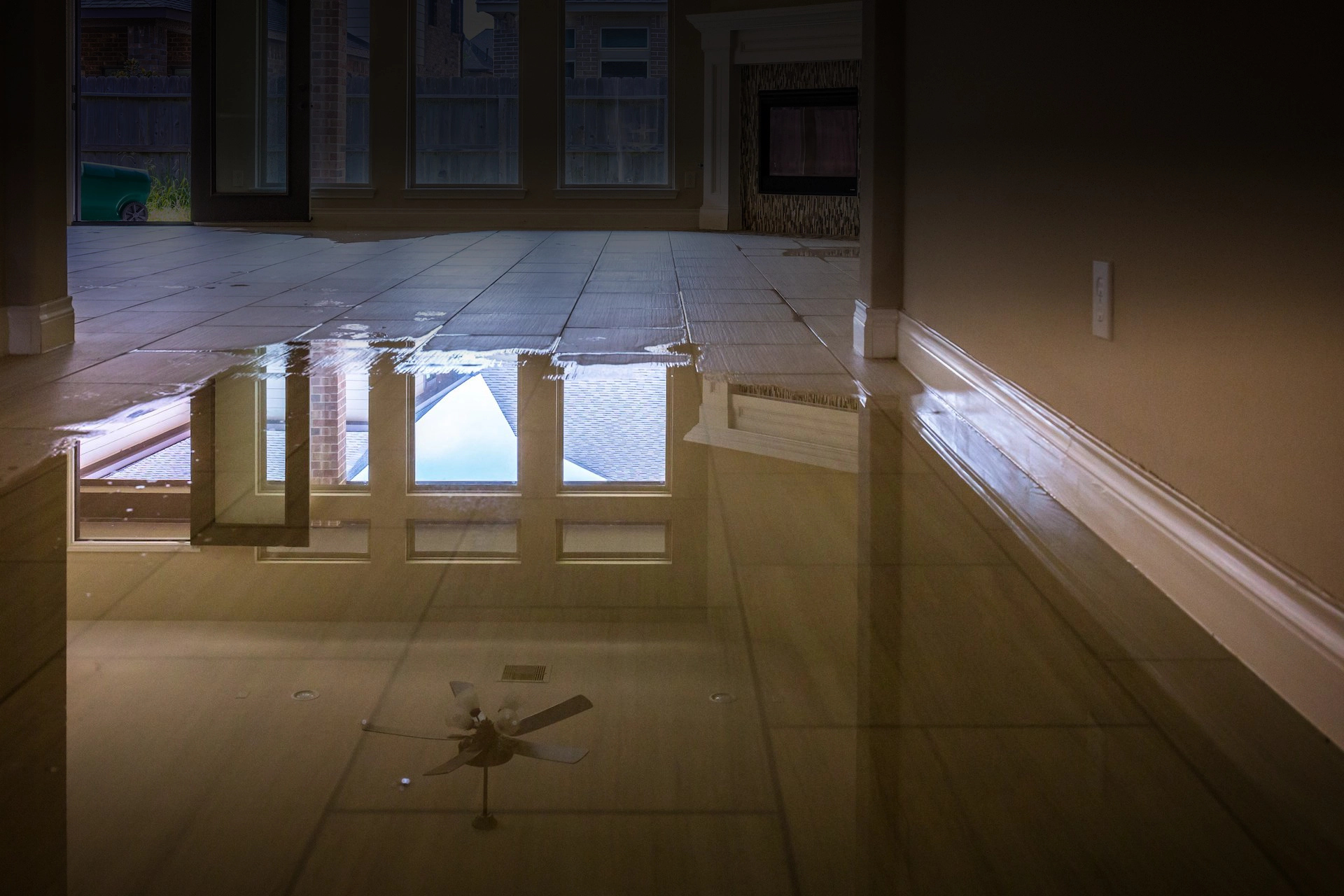
Water infiltration — the entry of water into your home through the building envelope, plumbing system, or from below grade — is the starting event in a damage chain that can ultimately require repair or replacement of a surprisingly wide range of home components. Understanding the full scope of what may need to be repaired after water has entered your home helps you ask the right questions, evaluate contractor proposals accurately, and ensure that the restoration you invest in is truly complete rather than superficially finished.
All Clean Restoration provides full-service home repair and restoration services following water infiltration events throughout Southern Illinois and the St. Louis, Missouri metro area. This article walks through the complete range of repairs that water infiltration may necessitate, from the most immediate to the structural.
Flooring Repair and Replacement
Flooring is typically the first surface to show water damage and one of the most commonly repaired systems after a water intrusion event. Hardwood flooring is particularly vulnerable — solid hardwood absorbs water, swells, and buckles, often creating highly visible raised joints and warped boards. All Clean Restoration’s specialized hardwood floor drying service uses advanced drying systems that can save hardwood floors that would otherwise require replacement, significantly reducing restoration costs. However, when hardwood has been wet for an extended period or has experienced severe cupping or buckling, replacement may be necessary.
Engineered hardwood is somewhat more moisture-resistant than solid hardwood but still susceptible to swelling, delamination, and warping when saturated. Laminate flooring virtually always requires replacement after significant water exposure — the core material absorbs water rapidly and the flooring cannot be dried in place effectively. Tile and stone flooring, while the tile itself is water-resistant, can fail at grout joints and in the setting bed after water infiltration, particularly if the water reached the subfloor and caused movement in the substrate. Vinyl and LVT/LVP flooring is the most water-resistant of common flooring types but can experience adhesive failure, edge swelling, or discoloration after significant water exposure.
Drywall Repair and Replacement
Standard drywall — gypsum board with paper facing — is not designed to withstand significant water exposure. Saturated drywall becomes soft, loses its structural integrity, and develops mold on its paper facing within 24 to 48 hours of saturation. Drywall that has been moderately wetted and dried very quickly may be salvageable with appropriate antimicrobial treatment and monitoring, but drywall that has been saturated or wet for more than 24 to 48 hours is almost always a replacement item.
Drywall replacement after water damage involves removal of damaged sections, antimicrobial treatment of framing and substrate, installation of new drywall, taping and finishing, priming, and painting. All Clean Restoration’s complete restoration services include all phases of this process, performed to match the existing finishes and return walls and ceilings to their pre-damage appearance.
Insulation Replacement
Insulation is one of the most commonly underestimated restoration items after a water damage event. Fiberglass batt insulation, when saturated, retains moisture for extended periods even after surrounding structural materials have dried. This retained moisture creates an ongoing mold risk and reduces the insulation’s thermal performance. Cellulose insulation absorbs water readily and compacts when wet, becoming both mold-prone and thermally ineffective. Spray foam insulation is the most water-resistant insulation type and can often be cleaned and retained after water exposure, depending on the situation.
After a wall or attic drying event that required opening of wall or ceiling assemblies, All Clean Restoration evaluates all existing insulation for moisture content and replaces any insulation that is found to be saturated or mold-contaminated, ensuring that new wall and ceiling assemblies are fully insulated to current standards.
Cabinetry and Millwork Repair
Kitchen and bathroom cabinetry is frequently affected by water damage from appliance leaks, plumbing failures, and flooding events. Cabinet boxes constructed of particleboard — which is the most common material in medium-grade cabinetry — absorb water rapidly, swell, and delaminate, typically requiring replacement. Plywood-box cabinets are more water-resistant and may be salvageable if dried promptly and thoroughly. All Clean Restoration’s specialized wall and cabinet drying service includes targeted drying for cabinet assemblies, reducing the number of cabinets requiring replacement in cases where prompt professional response occurred.
Structural Repair: Framing, Subfloor, and Sheathing
In severe water damage events — particularly those involving extended exposure, roof leaks, or flooding events — structural repair may be necessary. Wood framing that has been wet for extended periods and developed wood rot must be sistered or replaced to restore structural capacity. Subfloor sheathing that has been saturated and delaminated must be replaced before new flooring can be installed. Roof deck sheathing damaged by roof leaks requires replacement as part of the roofing repair process.
All Clean Restoration’s complete restoration services include all levels of structural repair required following water damage, ensuring that the property is not just cosmetically restored but genuinely structurally sound.
Starting Your Home Repair Journey
After a water infiltration event, the path to complete restoration starts with professional assessment. All Clean Restoration’s free estimate process provides property owners with a comprehensive scope of work and cost estimate based on thorough moisture assessment and damage evaluation. From that foundation, a restoration plan is developed that addresses every affected system and returns the home to its pre-loss condition.
📞 Illinois: 618-235-3202 | Missouri: 314-454-0442 | allcleanrestoration.com Complete Home Repair After Water Damage — Free Estimates — Insurance Assistance — Since 1981
Recent Blog Articles:

Flooded Carpet: Should You Save It or Replace It?

Why DIY Water Damage Cleanup Often Leads to Mold

The Homeowner’s Guide to Restoration Insurance Claims

The 24-Hour Rule: Why Immediate Water Remediation Saves Your Home
All Clean Restoration's Other Services
Whether water, mold, fire, or smoke causes damage to your home or business, the effects are heartbreaking and often life-changing. We at All Clean Restoration understand the devastation and pain these events can cause. We also understand that quick and proper action is crucial to prevent further damage, red tape, and cost.

Licensed | Bonded | Insured