LICENSED | BONDED | INSURED
618-235-3202
Household Mold: Taming Humidity to Protect Your Illinois & Missouri Property

If you've been devastated by water, mold, fire, and/or smoke damage, know that your cherished possessions, your home or business, can all be restored to pre-damage condition; bringing back your peace of mind.
Whether water, mold, fire, or smoke causes damage to your home or business, the effects are heartbreaking and often life-changing. We at All Clean Restoration understand the devastation and pain these events can cause. We also understand that quick and proper action is crucial to prevent further damage, red tape, and cost.
Call us any time, day or night:
1-800-4223944
Related Topics:
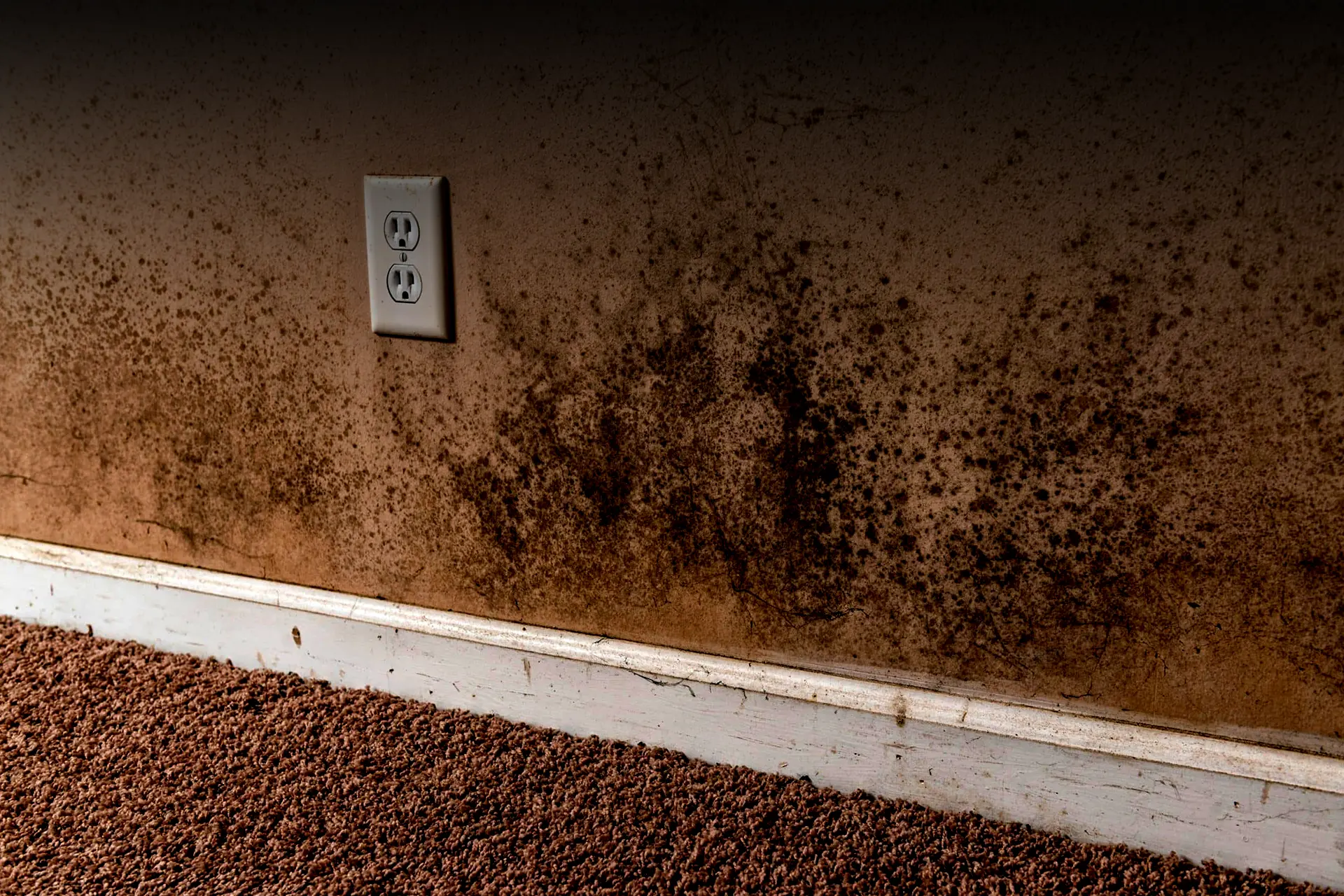
At All Clean Restoration, we understand that finding mold in your Illinois or Missouri home or business is an alarming sight. It’s unsightly, potentially unhealthy, and can be notoriously difficult to remediate on your own. If you suspect mold, contacting a professional immediately is always the best course of action. However, before you even get to that point, a significant step you can take is to control the moisture in your environment to prevent mold from growing in the first place.
Is Your Illinois or Missouri Home Too Humid?
Many of us can “feel” when a room is too humid, but for a more precise measurement, we recommend using a hygrometer. This inexpensive device will give you a clear reading of your indoor humidity levels. The ideal humidity for your Illinois or Missouri home or business should consistently fall between 30% and 50%. If your hygrometer reads near or above 50%, it’s a clear sign that you need to take action to reduce moisture.
Proper Ventilation is Your Friend
It’s common practice to use exhaust fans in bathrooms and kitchens when engaging in high-momoisture-producing activities like cooking or showering. But here’s a pro tip: leave those fans running for a little while even after you’ve finished the task. This allows the fans to more effectively pull out the excess humidity, preventing it from settling and creating damp conditions where mold thrives.
Your Air Conditioner: A Key Player in Humidity Control
Once you know your humidity levels are too high, where do you start? Your air conditioning system is naturally designed to remove both heat and humidity from the air, reintroducing cool, drier air. To ensure it’s performing optimally as a dehumidifier, regular maintenance is essential. This includes scheduling professional check-ups and consistently changing your air filter. A clogged filter can restrict airflow, making your AC less effective at managing humidity.
Showers: A Hot Spot for Humidity
Hot showers are a major contributor to indoor humidity. While a steamy shower can be relaxing, it releases a significant amount of moisture into your home. Even a small reduction in your shower water temperature can make a noticeable difference in the amount of humidity generated, thus reducing the risk of mold in your bathroom and beyond.
Don’t Overlook Leaky Pipes
Sometimes, the source of moisture isn’t obvious. A leaky pipe, hidden behind a wall or under a floor, can be a silent destroyer, steadily releasing moisture that leads to mold growth. If you notice mold forming in an unusual spot, or if you’re experiencing consistently high humidity despite your best efforts, a hidden leak might be the culprit.
Keep an eye out for these signs of water leaks:
- Unexplained stains on your walls or ceilings.
- Persistent wet spots on floors or carpets.
- An unexplained spike in your water bill without a change in usage.
If you suspect a leaky pipe, contact a professional like All Clean Restoration immediately for professional assistance and remediation.
The Power of a Dehumidifier
Beyond your HVAC system, dedicated dehumidifiers are excellent tools for controlling humidity. Whether it’s a standalone unit or one integrated into your furnace air handler, a dehumidifier actively pulls moisture from the air. By consistently maintaining lower humidity levels, you’ll not only create a less hospitable environment for mold but can also reduce the workload on your air conditioner, potentially saving on energy costs.
Time to Call All Clean Restoration for Mold Removal in Illinois & Missouri!
As soon as you begin to notice mold buildup in your Illinois or Missouri home or business, it’s time to contact a professional. Mold needs to be removed properly and completely to prevent recurrence and protect the health of occupants.
Our certified specialists at All Clean Restoration are ready to respond promptly if you are experiencing mold growth. We have the expertise and specialized equipment to safely and effectively remove mold, thoroughly dry affected areas, and restore your property to its pre-mold condition.
Don’t let mold take root in your Illinois or Missouri property. Call All Clean Restoration right now for expert mold remediation services. Our specialists will have your home or business back to normal in no time!
Recent Blog Articles:

In-Place Drying vs. Tear-Out: How Pro Drying Saves Your Home

Wet Carpet After a Flood or Leak: Can It Be Saved?

Winterizing Your Home to Prevent Frozen Pipes in the Metro East

Water Damage to Your Subfloor: The Damage You Can’t See
All Clean Restoration's Other Services
Whether water, mold, fire, or smoke causes damage to your home or business, the effects are heartbreaking and often life-changing. We at All Clean Restoration understand the devastation and pain these events can cause. We also understand that quick and proper action is crucial to prevent further damage, red tape, and cost.



Licensed | Bonded | Insured