LICENSED | BONDED | INSURED
618-235-3202
How Much Does Mold Remediation Cost in Southern Illinois?

If you've been devastated by water, mold, fire, and/or smoke damage, know that your cherished possessions, your home or business, can all be restored to pre-damage condition; bringing back your peace of mind.
Whether water, mold, fire, or smoke causes damage to your home or business, the effects are heartbreaking and often life-changing. We at All Clean Restoration understand the devastation and pain these events can cause. We also understand that quick and proper action is crucial to prevent further damage, red tape, and cost.
Call us any time, day or night:
1-800-4223944
Related Topics:
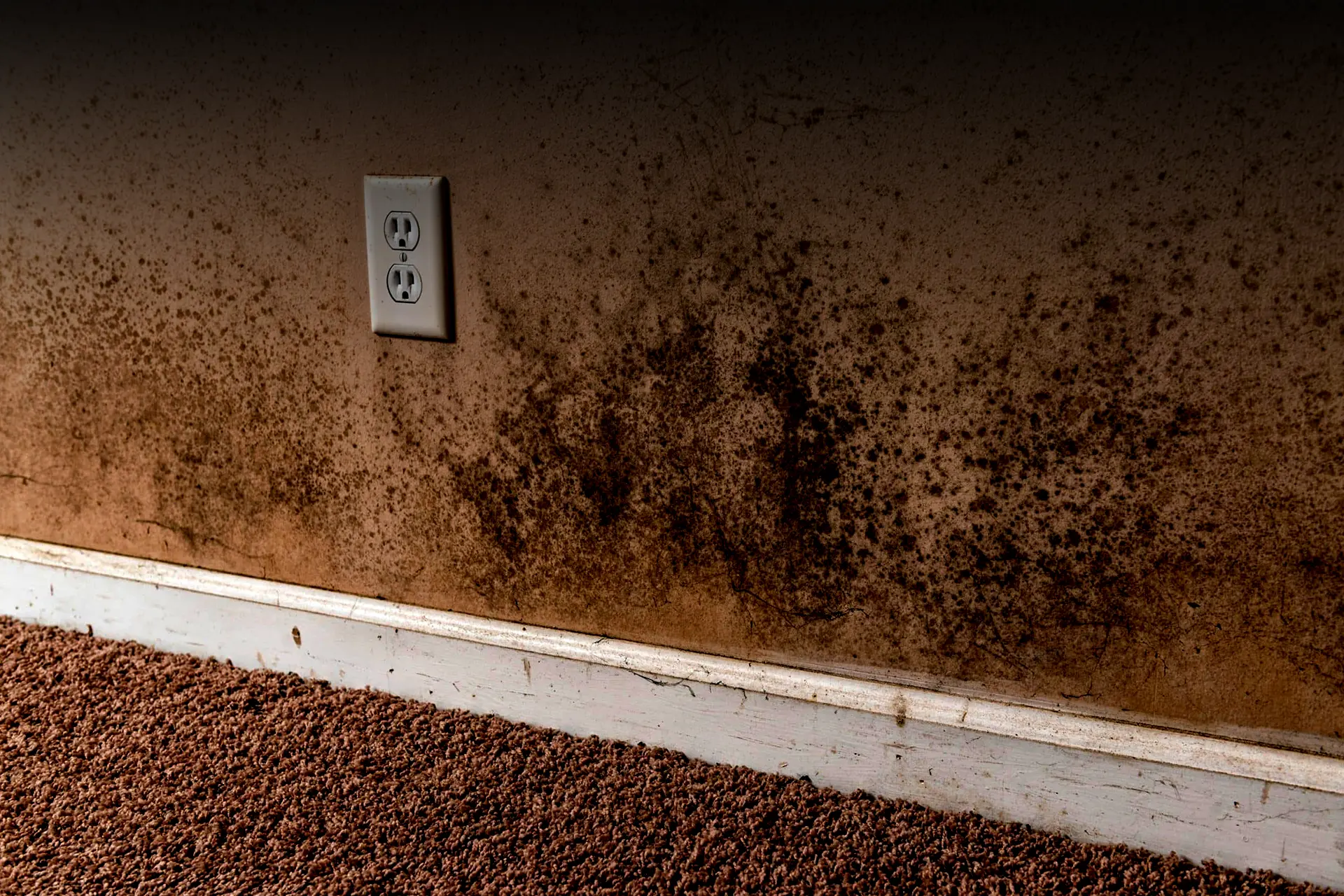
You found mold behind the drywall, and the first question isn’t “is this bad?” It’s “what is this going to cost me?”
Here’s an honest answer. Mold remediation cost depends on how much mold there is, where it’s growing, and what caused it. A small, contained area costs far less than mold spread through walls, HVAC, or a whole basement. All Clean Restoration gives free, upfront estimates across Belleville and the St. Louis Metro — no scare tactics.
What Drives the Cost of Mold Remediation?
A few factors decide the price more than anything else. Understanding them helps you read any estimate you get.
- Size of the affected area. A closet is one thing; a finished basement is another.
- Mold behind walls, under floors, or in your HVAC is harder to reach than mold on a surface.
- The cause. If a leak is still active, that has to be fixed first, or the mold comes right back.
- Materials involved. Porous materials like drywall and insulation often need removal, not just cleaning.
- Air quality work. Containment, HEPA filtration, and testing add cost but protect your health.
We measure and document all of this before we quote, so the number is real — not a guess that grows later.
Why Won’t Anyone Give a Flat Price Over the Phone?
Because no two mold jobs are the same, and an honest company won’t pretend otherwise. A phone “quote” without an inspection is a number designed to get in the door.
We tell you what you need to hear, not what’s easiest to say. That means we look first, measure the moisture, find the source, and then quote. Our approach to mold removal and remediation starts with finding the water feeding the mold.
Does Insurance Cover Mold Remediation?
Sometimes. It usually depends on what caused the mold.
If the mold grew from a sudden, covered event — like a burst pipe you addressed quickly — your policy may cover remediation. If it grew from a long-ignored leak, coverage is less likely. We document the cause and work directly with your adjuster, as described on our insurance FAQ.
Can You Save Money by Removing Mold Yourself?
For a small patch on a hard surface, maybe. For anything larger, DIY usually costs more in the end.
The EPA recommends professional help when mold covers more than about 10 square feet, or when it’s in your HVAC. Disturbing mold without containment spreads spores through the house. That turns a small job into a big one — which is exactly how DIY water cleanup often leads to more mold.
What Do You Get for the Cost?
A real remediation is more than spraying and wiping. Here’s what a professional job includes:
- Inspection and moisture mapping to find every affected area.
- Containment with barriers and negative air pressure so spores don’t spread.
- Removal of mold and unsalvageable materials.
- HEPA filtration and antimicrobial treatment to clean the air and surfaces.
- Drying to remove the moisture that started it all.
- Clearance so you know the home is safe.
We handle mold across the Metro East and St. Louis, from Fairview Heights to Highland. See our full service area or request a free estimate.
Get a real number, not a scare quote. Call All Clean Restoration for a free mold inspection and honest estimate. A real person answers 24/7, every single day of the year — weekends and holidays too. Licensed. Bonded. Insured. IICRC-certified. BBB A+. Serving Southern Illinois and the St. Louis Metro since 1981. Illinois: 618-235-3202 · Missouri: 314-454-0442 · Se Habla Español: 618-792-3633
Recent Blog Articles:

Storm Damage and Water in Your Home: What to Do When the Weather Wins

Water in Your Walls: The Silent Destroyer You Can’t Afford to Ignore

Water Damage in Your Attic: Signs, Causes, and What to Do

Water Remediation vs. Water Removal: Understanding What Your Property Actually Needs
All Clean Restoration's Other Services
Whether water, mold, fire, or smoke causes damage to your home or business, the effects are heartbreaking and often life-changing. We at All Clean Restoration understand the devastation and pain these events can cause. We also understand that quick and proper action is crucial to prevent further damage, red tape, and cost.

Licensed | Bonded | Insured