LICENSED   |   BONDED  |   INSURED

618-235-3202
How to Find a Hidden Water Leak Before It Causes Damage

November 22, 2026
A hidden water leak can rot a home for weeks unseen. Learn the warning signs and the meter test, and get fast help from All Clean Restoration in Metro East IL.

If you've been devastated by water, mold, fire, and/or smoke damage, know that your cherished possessions, your home or business, can all be restored to pre-damage condition; bringing back your peace of mind.

Whether water, mold, fire, or smoke causes damage to your home or business, the effects are heartbreaking and often life-changing. We at All Clean Restoration understand the devastation and pain these events can cause. We also understand that quick and proper action is crucial to prevent further damage, red tape, and cost.

Call us any time, day or night:

1-800-4223944

Related Topics:

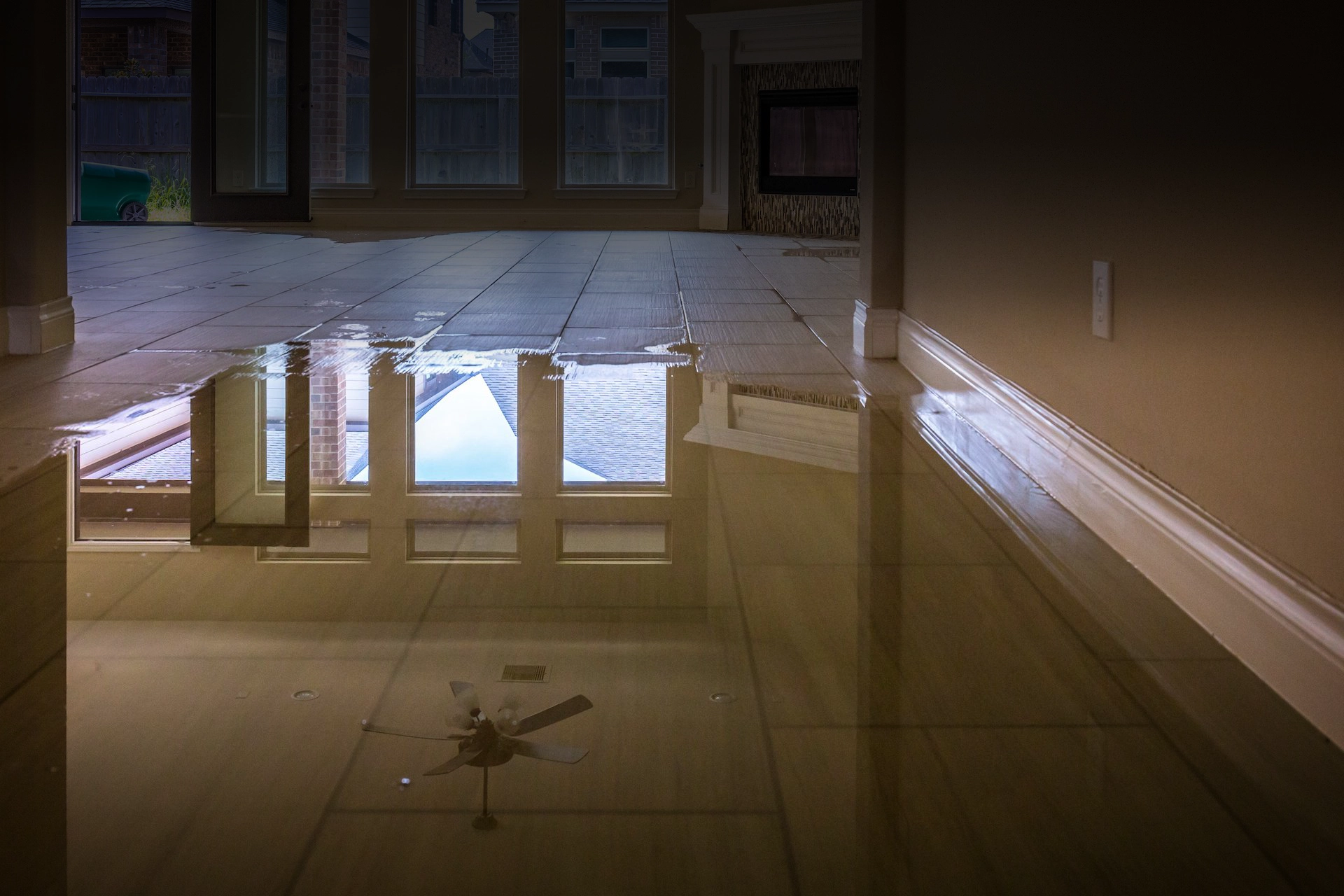
The water bill jumped, there’s a musty smell you can’t place, and one spot on the floor feels warm. These are classic signs of a hidden water leak — one running inside a wall, under the slab, or behind an appliance where you can’t see it.

A hidden leak can soak framing and insulation for weeks before anything shows. By the time a stain appears, mold has usually started.

What are the signs of a hidden leak?

Your home gives clues long before water pools on the floor.

  • A water bill that climbs with no change in use.
  • A musty smell in a specific room or closet.
  • Stains or bubbling paint on walls or ceilings.
  • A warm spot on the floor, which points to a hot-water slab leak.
  • The sound of running water when everything is off.
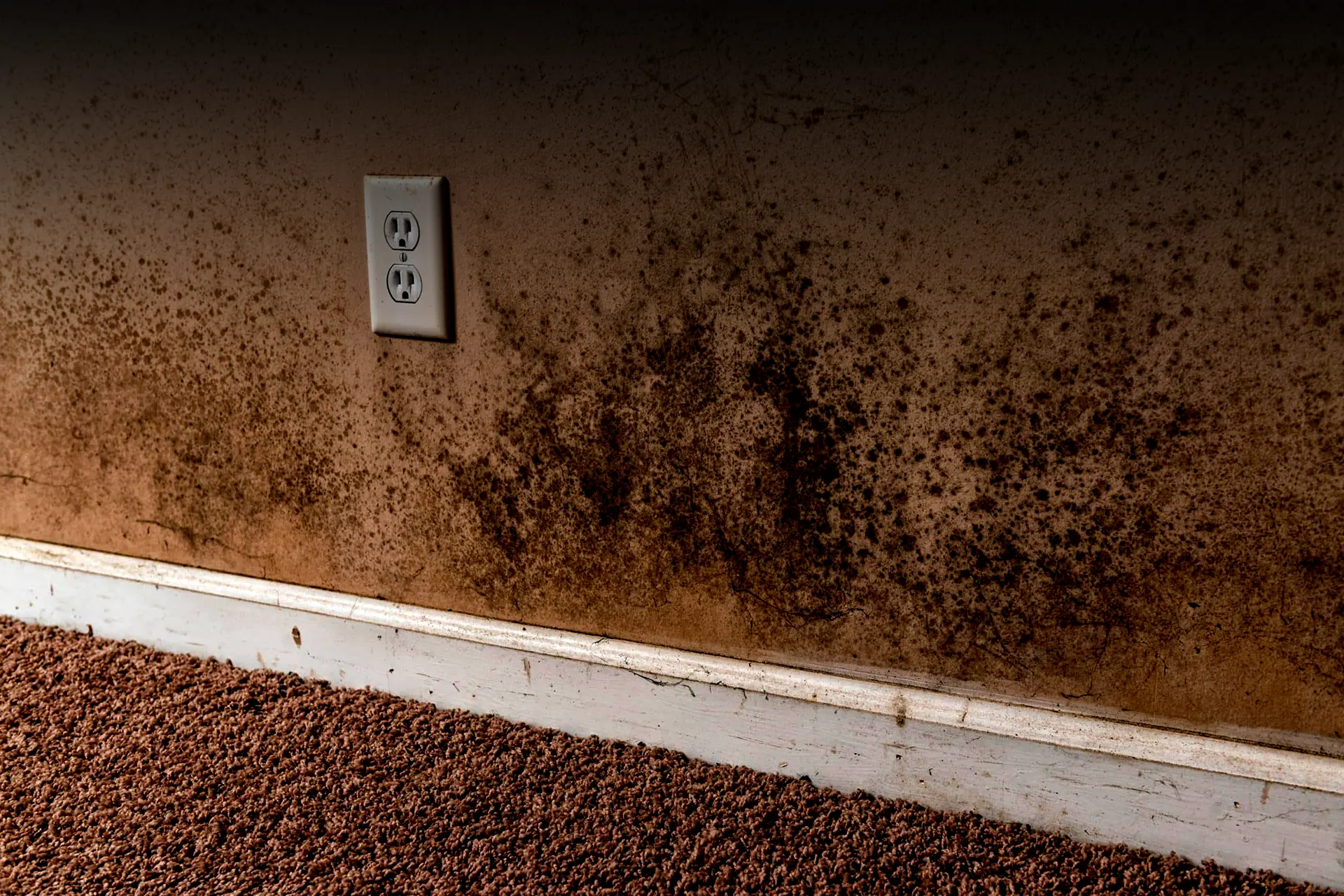
  • Mold in a spot that stays damp.

How do you test for a leak yourself?

You can confirm a leak in under an hour with the meter test from the EPA’s WaterSense program.

  1. Shut off every water fixture inside and outside the house.
  2. Read the water meter and write down the number.
  3. Wait two hours with no water used at all.
  4. Read the meter again. If it moved, water is leaking somewhere (EPA WaterSense).

For toilets, add a few drops of food coloring to the tank and wait ten minutes. Color in the bowl means a silent leak.

Where do hidden leaks usually hide?

  • Under the slab, as a slab leak.
  • Inside walls, around supply lines and old fittings.
  • Under sinks and behind the dishwasher or fridge.
  • At the water heater and toilet base.

What should you do when you find one?

Finding the leak is step one. Drying the damage is step two.

  1. Shut off the water to the fixture or the whole house.
  2. Get the leak repaired by a plumber.
  3. Call for drying. Water trapped in walls and floors needs professional structural drying, since surface drying leaves moisture behind.

That trapped moisture is exactly how a small leak turns into mold. Our wall and cabinet drying and wood floor drying teams dry the hidden spaces a leak reaches. If the smell is your first clue, read why your house smells musty.

We serve homeowners across the service area, including O’Fallon, Columbia, and Granite City.

Think water is leaking where you can’t see it? Call All Clean Restoration. We find hidden moisture and handle water removal, structural drying, and restoration across Illinois and Missouri. Someone answers 24/7, 365 days a year — weekends and holidays included. Illinois: 618-235-3202 · Missouri: 314-454-0442 · Se Habla Español: 618-792-3633

Recent Blog Articles:

Severe weather and storm damage is a fact of life in Southern Illinois and Missouri. The bi-state metro area sits in a region that experiences some of the most climatically diverse and severe weather in the United States: powerful spring and summer thunderstorms with high winds, hail, and torrential rain; periodic tornadoes; winter ice storms and blizzards; and flooding events from the Mississippi and Missouri river systems that can impact communities across the region. When severe weather strikes, homes bear the brunt of the assault — and water is almost always part of the damage.

Storm Damage and Water in Your Home: What to Do When the Weather Wins

Severe weather and storm damage is a fact of life in Southern Illinois and Missouri. The bi-state metro area sits in a region that experiences some of the most climatically diverse and severe weather in the United States: powerful spring and summer thunderstorms with high winds, hail, and torrential rain; periodic tornadoes; winter ice storms and blizzards; and flooding events from the Mississippi and Missouri river systems that can impact communities across the region. When severe weather strikes, homes bear the brunt of the assault — and water is almost always part of the damage.
Water in your walls is hidden from view, often undetected for extended periods, and silently causes progressive structural damage and mold growth that can ultimately compromise the integrity of your home and the health of everyone living in it. By the time most homeowners discover water in their walls, significant damage has already occurred — and it could have been prevented or significantly reduced with earlier detection and professional response.

Water in Your Walls: The Silent Destroyer You Can’t Afford to Ignore

Water in your walls is hidden from view, often undetected for extended periods, and silently causes progressive structural damage and mold growth that can ultimately compromise the integrity of your home and the health of everyone living in it. By the time most homeowners discover water in their walls, significant damage has already occurred — and it could have been prevented or significantly reduced with earlier detection and professional response.
Attic water damage occurs through several distinct pathways. Roof leaks are the most common and most direct: water penetrating a damaged or deteriorated roof system enters the attic at the point of failure and spreads from there. The exact failure point may be a few missing or damaged shingles, failed flashing at a chimney, pipe boot, or ridge cap, ice dam formation at the eaves during winter, or simply the accumulated deterioration of an aging roof system reaching the end of its service life.

Water Damage in Your Attic: Signs, Causes, and What to Do

Attic water damage occurs through several distinct pathways. Roof leaks are the most common and most direct: water penetrating a damaged or deteriorated roof system enters the attic at the point of failure and spreads from there. The exact failure point may be a few missing or damaged shingles, failed flashing at a chimney, pipe boot, or ridge cap, ice dam formation at the eaves during winter, or simply the accumulated deterioration of an aging roof system reaching the end of its service life.
When water damage occurs, most people's first thought is simply to get the water out. And water removal — extraction of standing and surface water — is certainly the critical first action. But water removal alone does not constitute complete water remediation, and understanding the difference between these two concepts is important for any property owner facing a water damage event.

Water Remediation vs. Water Removal: Understanding What Your Property Actually Needs

When water damage occurs, most people's first thought is simply to get the water out. And water removal — extraction of standing and surface water — is certainly the critical first action. But water removal alone does not constitute complete water remediation, and understanding the difference between these two concepts is important for any property owner facing a water damage event.

All Clean Restoration's Other Services

Whether water, mold, fire, or smoke causes damage to your home or business, the effects are heartbreaking and often life-changing. We at All Clean Restoration understand the devastation and pain these events can cause. We also understand that quick and proper action is crucial to prevent further damage, red tape, and cost.

We are honored to help in your time of need.

We are committed to delivering exceptional customer service and restoring homes and businesses to their pre-loss condition. For more than 40 years throughout Southern Illinois, we've prioritized communication with our clients, walking them through the entire restoration process from the moment we arrive to walking back into their restored homes and offices.

618-235-3202

Licensed  |  Bonded  |  Insured