LICENSED   |   BONDED  |   INSURED

618-235-3202
How to Prevent Water Damage: A Room-by-Room Checklist

November 19, 2026
Learn how to prevent water damage with a simple room-by-room checklist from All Clean Restoration, serving homeowners across Metro East IL and St. Louis.

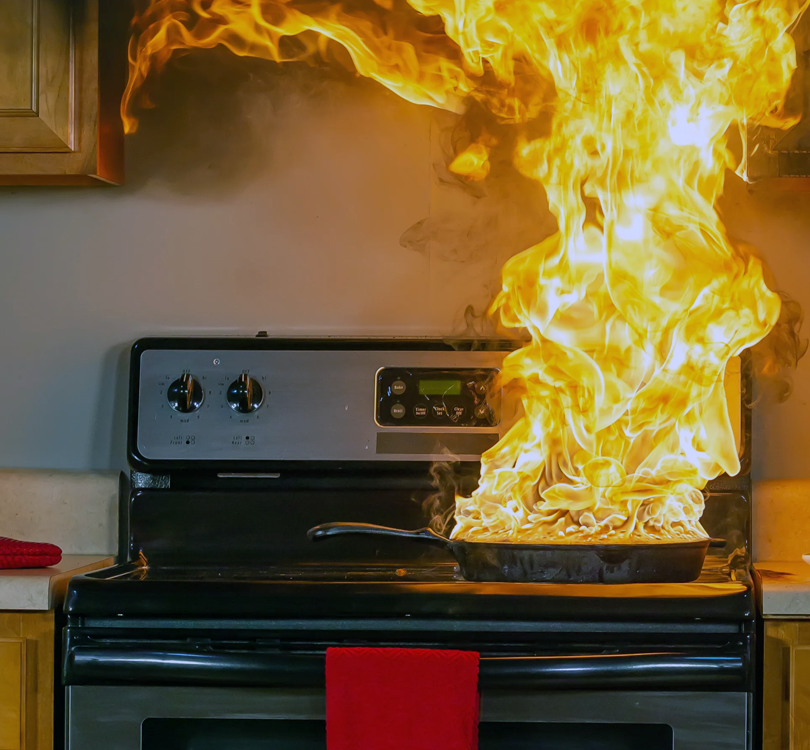
If you've been devastated by water, mold, fire, and/or smoke damage, know that your cherished possessions, your home or business, can all be restored to pre-damage condition; bringing back your peace of mind.

Whether water, mold, fire, or smoke causes damage to your home or business, the effects are heartbreaking and often life-changing. We at All Clean Restoration understand the devastation and pain these events can cause. We also understand that quick and proper action is crucial to prevent further damage, red tape, and cost.

Call us any time, day or night:

1-800-4223944

Related Topics:

Most water damage we see wasn’t bad luck. It was a worn hose, a clogged drain, or a shutoff nobody knew how to find. Learning how to prevent water damage takes an afternoon, and it’s far cheaper than the repair.

The EPA estimates that household leaks waste nearly a trillion gallons of water nationwide every year (EPA WaterSense). A lot of that is quietly damaging homes. Here’s where to look, room by room.

Which rooms are the biggest risks?

Water damage clusters around appliances and fixtures. Walk the house and check each one.

  • Laundry room: Replace rubber washing machine hoses with braided steel, and swap them every five years. Burst washer hoses are a leading cause of home flooding.
  • Kitchen: Check the supply lines under the sink and behind the dishwasher. Look for the small fridge water line — it fails slowly and hides behind the unit.
  • Bathrooms: Inspect toilet and sink supply lines, and re-caulk tubs and showers where the seal has cracked.
  • Water heater: Know its age. Most last 8 to 12 years. Put it in a drip pan with a drain, and never store valuables around its base.

What about the basement and exterior?

The outside of your home decides how much water reaches the inside.

  • Clean the gutters and extend downspouts several feet from the foundation.
  • Slope soil away from the house so rain drains off, not down the foundation.
  • Test the sump pump before storm season and add a battery backup.
  • Disconnect hoses and cover spigots before the first hard freeze.

What should every homeowner know how to do?

Two things stop a leak from becoming a disaster.

  1. Find your main water shutoff valve and make sure everyone home can reach it. In an emergency, this is the difference between a puddle and a flood.
  2. Consider a leak detector or smart shutoff. These catch a leak and cut the water while you’re away.

Even with every precaution, pipes burst and appliances fail. When they do, fast water removal and professional drying keep a small leak from turning into mold and rot. Our wall and cabinet drying crews dry what’s hidden behind surfaces, and our full water damage repair service carries a job from extraction through rebuild.

We help homeowners across the Metro East and St. Louis area, from Belleville to Edwardsville and Waterloo.

Dealing with a leak despite your best efforts? Call All Clean Restoration. We handle water damage, water removal, and full restoration across Southern Illinois and the St. Louis Metro. Our phone lines are answered 24/7, every single day of the year — weekends and holidays included. Illinois: 618-235-3202 · Missouri: 314-454-0442 · Se Habla Español: 618-792-3633

Recent Blog Articles:

Frozen pipes represent one of the most deceptive forms of water damage. The danger doesn't occur when the pipe freezes—it happens when it thaws. As water freezes inside your plumbing, it expands with tremendous force, creating microscopic cracks or even catastrophic ruptures in the pipe walls. You might not notice anything wrong until temperatures rise and water begins flowing again, only to discover it's now flooding your basement, crawlspace, or walls. The most vulnerable pipes are those in unheated areas: exterior walls, attics, basements, and crawlspaces. In older homes throughout Collinsville, Edwardsville, and O'Fallon, inadequate insulation leaves these pipes exposed to freezing conditions night after night. Modern homes aren't immune either—a single uninsulated section can lead to a broken pipe and extensive water damage.

Your Pipes May Be Freezing Right Now: The $10,000 Mistake Most Homeowners Make This Winter

Frozen pipes represent one of the most deceptive forms of water damage. The danger doesn't occur when the pipe freezes—it happens when it thaws. As water freezes inside your plumbing, it expands with tremendous force, creating microscopic cracks or even catastrophic ruptures in the pipe walls. You might not notice anything wrong until temperatures rise and water begins flowing again, only to discover it's now flooding your basement, crawlspace, or walls. The most vulnerable pipes are those in unheated areas: exterior walls, attics, basements, and crawlspaces. In older homes throughout Collinsville, Edwardsville, and O'Fallon, inadequate insulation leaves these pipes exposed to freezing conditions night after night. Modern homes aren't immune either—a single uninsulated section can lead to a broken pipe and extensive water damage.
From a tiny, rhythmic drip-drip-drip on the ceiling to a full-scale structural disaster, water damage moves with terrifying speed. What starts as a small discoloration on your drywall can evolve into a costly emergency in just a matter of hours. Here is a look at the timeline of a leak and expert advice on how to stop a disaster in its tracks. At All Clean Restoration, we have spent over 45 years helping homeowners and business owners navigate the devastation and pain these events can cause. We know that when it comes to water, every second counts. The Anatomy of a Disaster: How Fast Does Water Damage Spread? Water is the "universal solvent," and it begins destroying building materials the moment it makes contact. The First Minutes: Water saturates carpets, upholstery, and insulation. It seeps into crevices in hardwood floors and begins wicking up drywall. The First 24 Hours: Drywall begins to swell and disintegrate. Metal surfaces may start to tarnish, and furniture can begin to crack or stain. Most importantly, mold and mildew can begin to colonize in as little as 24 to 48 hours. The First Week: Structural integrity is compromised. Wood swells and warps, and the musty odor of microbial growth becomes overwhelming. At this stage, the cost of property restoration skyrockets. Expert Advice: What to Do When You Spot a Leaky Roof A roof leak is often the silent precursor to a "black water" event or massive ceiling collapse. If you notice a stain or an active drip, follow these steps immediately: 1. Contain the Flow Place a bucket or waterproof container under the drip. To prevent splashing (which can damage nearby flooring), pin a piece of string to the ceiling and let the water travel down the string into the bucket. 2. Release the Pressure If you see a "bubble" forming in your ceiling paint, the water is pooling behind the drywall. Carefully use a small pin or screwdriver to puncture the center of the bubble. This releases the weight of the water, preventing the entire ceiling section from collapsing. 3. Protect Your Assets Move furniture, electronics, and valuables to a dry area immediately. If items are too heavy to move, use plastic sheeting to cover them. 4. Call for Professional Water Extraction Don't wait for the storm to stop. All Clean Restoration provides 24/7 emergency response. Our IICRC certified technicians use state-of-the-art moisture detection tools and infrared cameras to find where the water is hiding behind your walls and under your floors. Why All Clean Restoration? We aren't just a cleanup crew; we are a full-service residential and commercial property restoration company. We specialize in: Structural Drying: Using industrial-grade air movers and dehumidifiers to save your walls and framing. Hardwood Floor Drying: Specialized equipment designed to save your expensive flooring from "cupping" or warping. Insurance Claim Assistance: As an insurance carrier preferred company, we work directly with your adjuster to document the damage and streamline the claims process, reducing your stress. Don't Let a Drip Become a Disaster If your home or business has suffered water damage, you need a team that understands the science of drying. We serve the St. Louis and Metro East areas with rapid, professional service designed to get your life back to normal. Contact All Clean Restoration today for a free estimate or call our 24/7 Emergency Hotline at 1-800-422-3944!

The Anatomy of a Disaster: How Fast Does Water Damage Spread?

Here is a look at the timeline of a leak and expert advice on how to stop a disaster in its tracks. At All Clean Restoration, we have spent over 45 years helping homeowners and business owners navigate the devastation and pain these events can cause. We know that when it comes to water, every second counts.
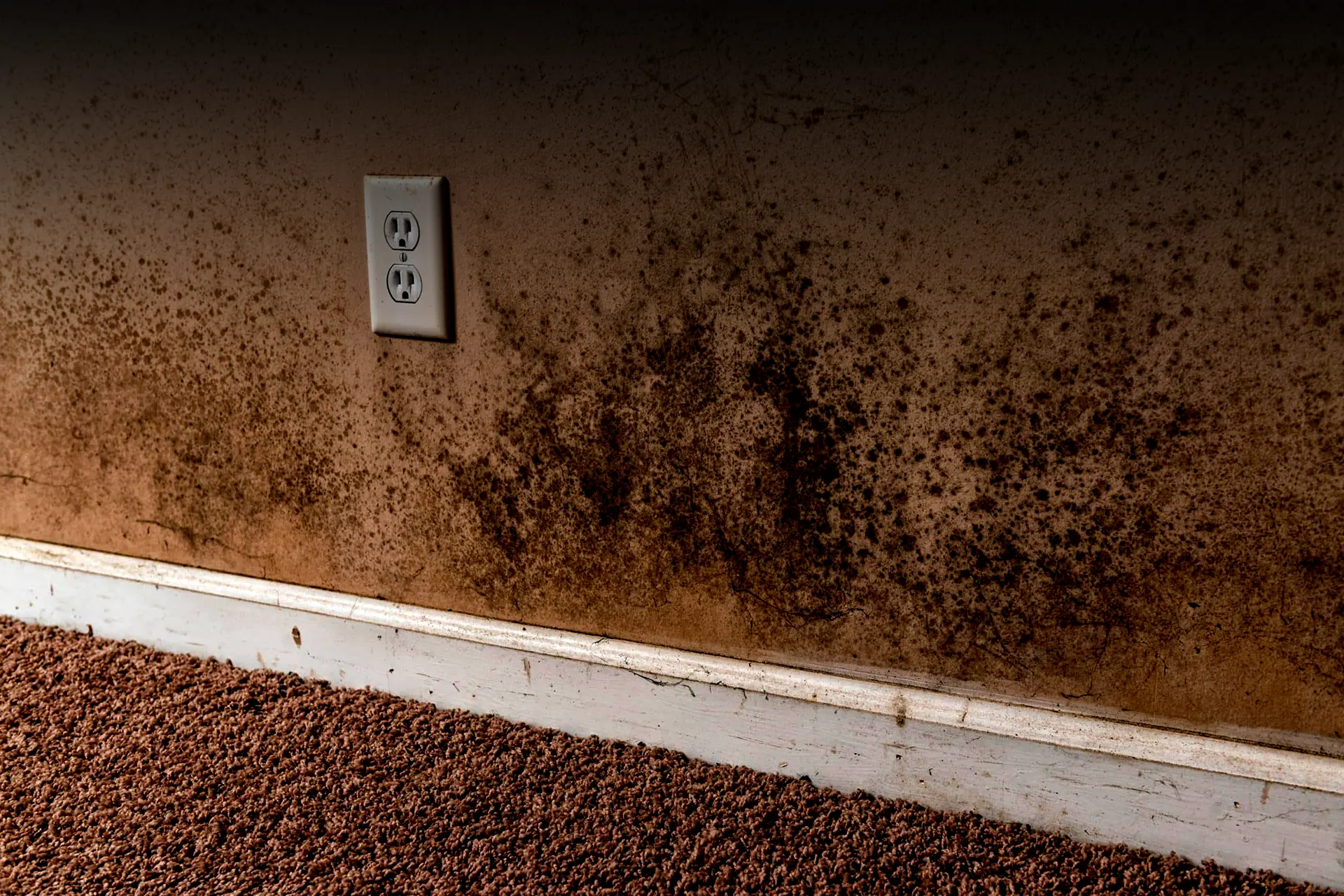
Finding a patch of mold in your home or business can be a heart-stopping moment. For many, the first instinct is to grab a bottle of bleach and a scrub brush. However, what begins as a DIY weekend project often turns into a stressful, overwhelming ordeal that can actually make the problem worse.

The Hidden Stress of DIY Mold Removal

Finding a patch of mold in your home or business can be a heart-stopping moment. For many, the first instinct is to grab a bottle of bleach and a scrub brush. However, what begins as a DIY weekend project often turns into a stressful, overwhelming ordeal that can actually make the problem worse.
Whether it’s a burst pipe in St. Louis, a sump pump failure in Belleville, or unexpected flooding from a Midwest storm, one thing is certain: water damage doesn't wait.

The Ticking Clock: Why Your Home Can’t Wait 24 Hours After Water Damage

Whether it’s a burst pipe in St. Louis, a sump pump failure in Belleville, or unexpected flooding from a Midwest storm, one thing is certain: water damage doesn't wait.

All Clean Restoration's Other Services

Whether water, mold, fire, or smoke causes damage to your home or business, the effects are heartbreaking and often life-changing. We at All Clean Restoration understand the devastation and pain these events can cause. We also understand that quick and proper action is crucial to prevent further damage, red tape, and cost.

We are honored to help in your time of need.

We are committed to delivering exceptional customer service and restoring homes and businesses to their pre-loss condition. For more than 40 years throughout Southern Illinois, we've prioritized communication with our clients, walking them through the entire restoration process from the moment we arrive to walking back into their restored homes and offices.

618-235-3202

Licensed  |  Bonded  |  Insured