LICENSED   |   BONDED  |   INSURED

618-235-3202
How to Spot Hidden Water Damage When Buying a Home in Illinois or Missouri

June 6, 2024
At All Clean Restoration, we understand that buying a home is a big decision. You want to be sure you're investing in a property that's free of hidden problems, like water damage.

If you've been devastated by watermoldfire, and/or smoke damage, know that your cherished possessions, your home or business, can all be restored to pre-damage condition; bringing back your peace of mind.

Whether water, mold, fire, or smoke causes damage to your home or business, the effects are heartbreaking and often life-changing. We at All Clean Restoration understand the devastation and pain these events can cause. We also understand that quick and proper action is crucial to prevent further damage, red tape, and cost.

Call us any time, day or night:

1-800-4223944

Related Topics:

At All Clean Restoration, we understand that buying a home is a big decision. You want to be sure you’re investing in a property that’s free of hidden problems, like water damage. While we don’t work directly with home and business owners, we can help you identify potential water damage in a potential home or business. Here in Illinois and Missouri, where basements and crawlspaces are common, being vigilant can save you a lot of money and hassle down the road.

Be a Keen Observer: Inspecting the Home Yourself

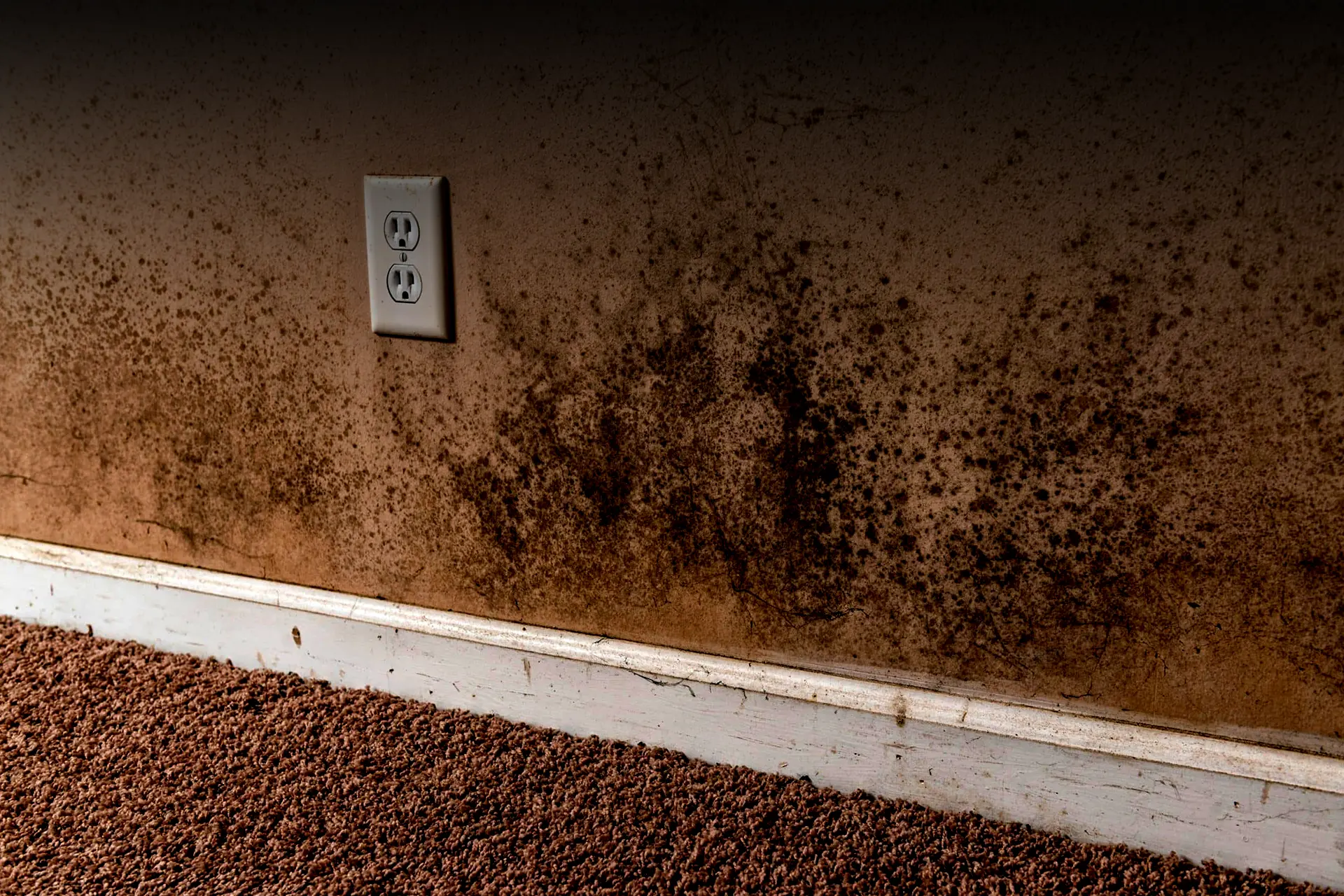
  • Interior: Look for water stains on ceilings, walls, and floors. Bubbling or peeling paint can also be a red flag. Check for warped or buckling wood floors, especially in older homes. Be on the lookout for mold or mildew growth, which can appear as dark spots and have a musty odor.
  • Exterior: Check the foundation for cracks, which can allow water infiltration. If there are cracks, look for signs of water damage in the basement or crawlspace. After rainfall, look for standing water near the foundation or uneven, soft spots in the yard, both signs of poor drainage.
  • Plumbing: Turn on sinks and faucets to check water pressure. Low pressure can indicate leaks. Inspect under sinks for warped cabinets or musty smells, which suggest prior water damage. Look for water rings around toilets, tubs, and sinks.
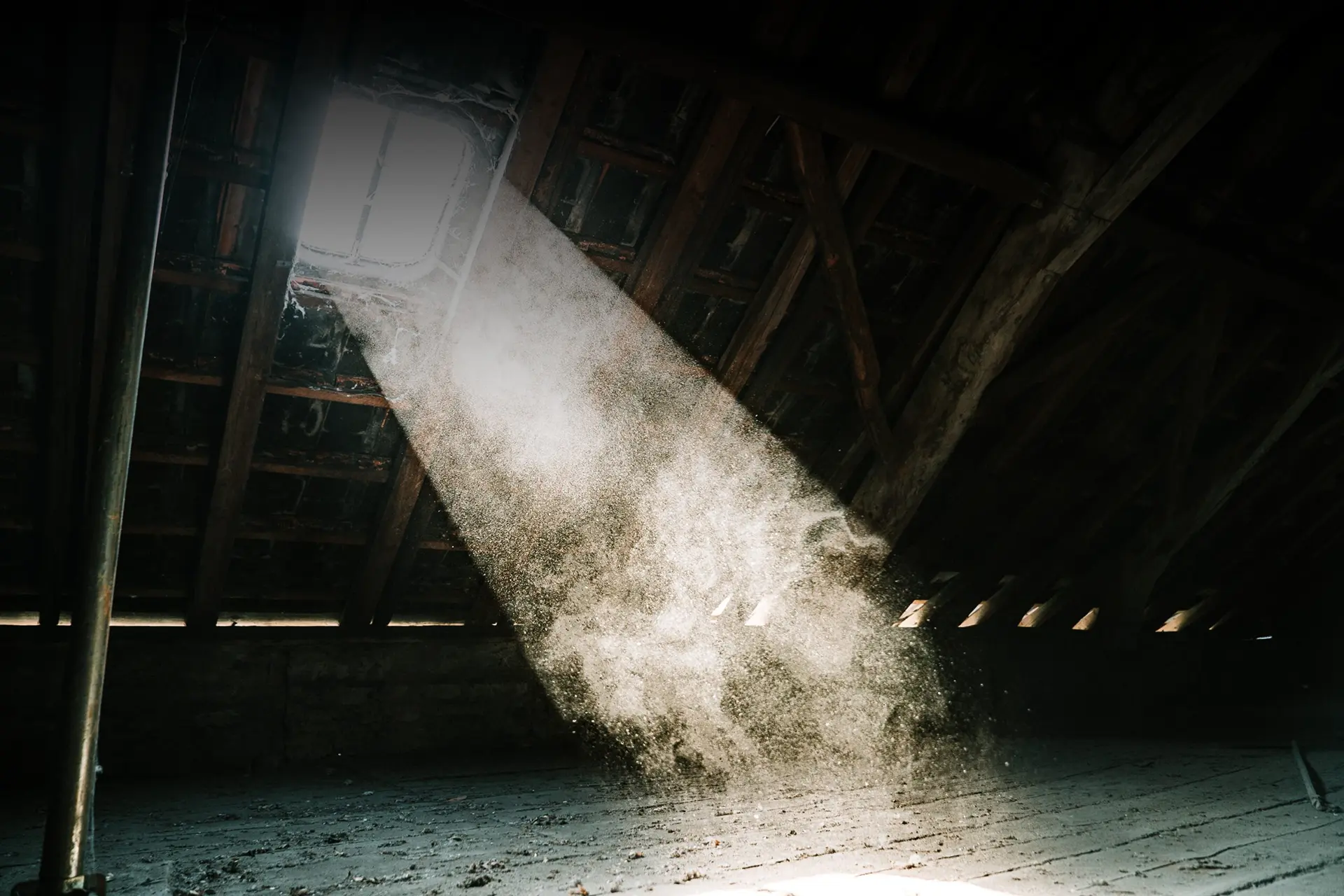
  • Roof (from the ground): Look for missing, cracked, or curled shingles. Check the attic for water stains, wet spots on the floor, or a moldy smell. Are the gutters clogged or overflowing? Clogged gutters can cause water to seep under the roof or into the foundation.

Hire a Professional Home Inspector

Once you’ve found a house you love, schedule a professional home inspection. A qualified inspector will thoroughly examine the property for water damage, both current and past. While a home inspection may be an extra expense, it can uncover major issues that could cost you significantly more in the long run.

By following these tips, you’ll be well on your way to buying a home in Illinois or Missouri that’s free of hidden water damage surprises. With a little vigilance and a professional inspection, you can move into your new home with confidence!

All Clean Restoration: Here to Help

If you discover water damage after purchasing a home, All Clean Restoration is here to help. We are experts in water damage restoration and can get your home back to good condition quickly and efficiently. Contact us today for a free consultation:

Recent Blog Articles:

Water in your walls is hidden from view, often undetected for extended periods, and silently causes progressive structural damage and mold growth that can ultimately compromise the integrity of your home and the health of everyone living in it. By the time most homeowners discover water in their walls, significant damage has already occurred — and it could have been prevented or significantly reduced with earlier detection and professional response.

Water in Your Walls: The Silent Destroyer You Can’t Afford to Ignore

Water in your walls is hidden from view, often undetected for extended periods, and silently causes progressive structural damage and mold growth that can ultimately compromise the integrity of your home and the health of everyone living in it. By the time most homeowners discover water in their walls, significant damage has already occurred — and it could have been prevented or significantly reduced with earlier detection and professional response.
Attic water damage occurs through several distinct pathways. Roof leaks are the most common and most direct: water penetrating a damaged or deteriorated roof system enters the attic at the point of failure and spreads from there. The exact failure point may be a few missing or damaged shingles, failed flashing at a chimney, pipe boot, or ridge cap, ice dam formation at the eaves during winter, or simply the accumulated deterioration of an aging roof system reaching the end of its service life.

Water Damage in Your Attic: Signs, Causes, and What to Do

Attic water damage occurs through several distinct pathways. Roof leaks are the most common and most direct: water penetrating a damaged or deteriorated roof system enters the attic at the point of failure and spreads from there. The exact failure point may be a few missing or damaged shingles, failed flashing at a chimney, pipe boot, or ridge cap, ice dam formation at the eaves during winter, or simply the accumulated deterioration of an aging roof system reaching the end of its service life.
When water damage occurs, most people's first thought is simply to get the water out. And water removal — extraction of standing and surface water — is certainly the critical first action. But water removal alone does not constitute complete water remediation, and understanding the difference between these two concepts is important for any property owner facing a water damage event.

Water Remediation vs. Water Removal: Understanding What Your Property Actually Needs

When water damage occurs, most people's first thought is simply to get the water out. And water removal — extraction of standing and surface water — is certainly the critical first action. But water removal alone does not constitute complete water remediation, and understanding the difference between these two concepts is important for any property owner facing a water damage event.
The connection between water damage and mold growth is direct, predictable, and well-documented. Understanding this connection — and why it matters so much to address water damage completely rather than just cosmetically — can save property owners in Southern Illinois and the St. Louis metro area from a second, more serious remediation project months after they thought the water damage was behind them.

The Hidden Danger: Why Water Damage Almost Always Leads to Mold

The connection between water damage and mold growth is direct, predictable, and well-documented. Understanding this connection — and why it matters so much to address water damage completely rather than just cosmetically — can save property owners in Southern Illinois and the St. Louis metro area from a second, more serious remediation project months after they thought the water damage was behind them.

All Clean Restoration's Other Services

Whether water, mold, fire, or smoke causes damage to your home or business, the effects are heartbreaking and often life-changing. We at All Clean Restoration understand the devastation and pain these events can cause. We also understand that quick and proper action is crucial to prevent further damage, red tape, and cost.

We are honored to help in your time of need.

We are committed to delivering exceptional customer service and restoring homes and businesses to their pre-loss condition. For more than 40 years throughout Southern Illinois, we've prioritized communication with our clients, walking them through the entire restoration process from the moment we arrive to walking back into their restored homes and offices.

618-235-3202

Licensed  |  Bonded  |  Insured