LICENSED | BONDED | INSURED
618-235-3202
In-Place Drying vs. Tear-Out: How Pro Drying Saves Your Home

If you've been devastated by water, mold, fire, and/or smoke damage, know that your cherished possessions, your home or business, can all be restored to pre-damage condition; bringing back your peace of mind.
Whether water, mold, fire, or smoke causes damage to your home or business, the effects are heartbreaking and often life-changing. We at All Clean Restoration understand the devastation and pain these events can cause. We also understand that quick and proper action is crucial to prevent further damage, red tape, and cost.
Call us any time, day or night:
1-800-4223944
Related Topics:
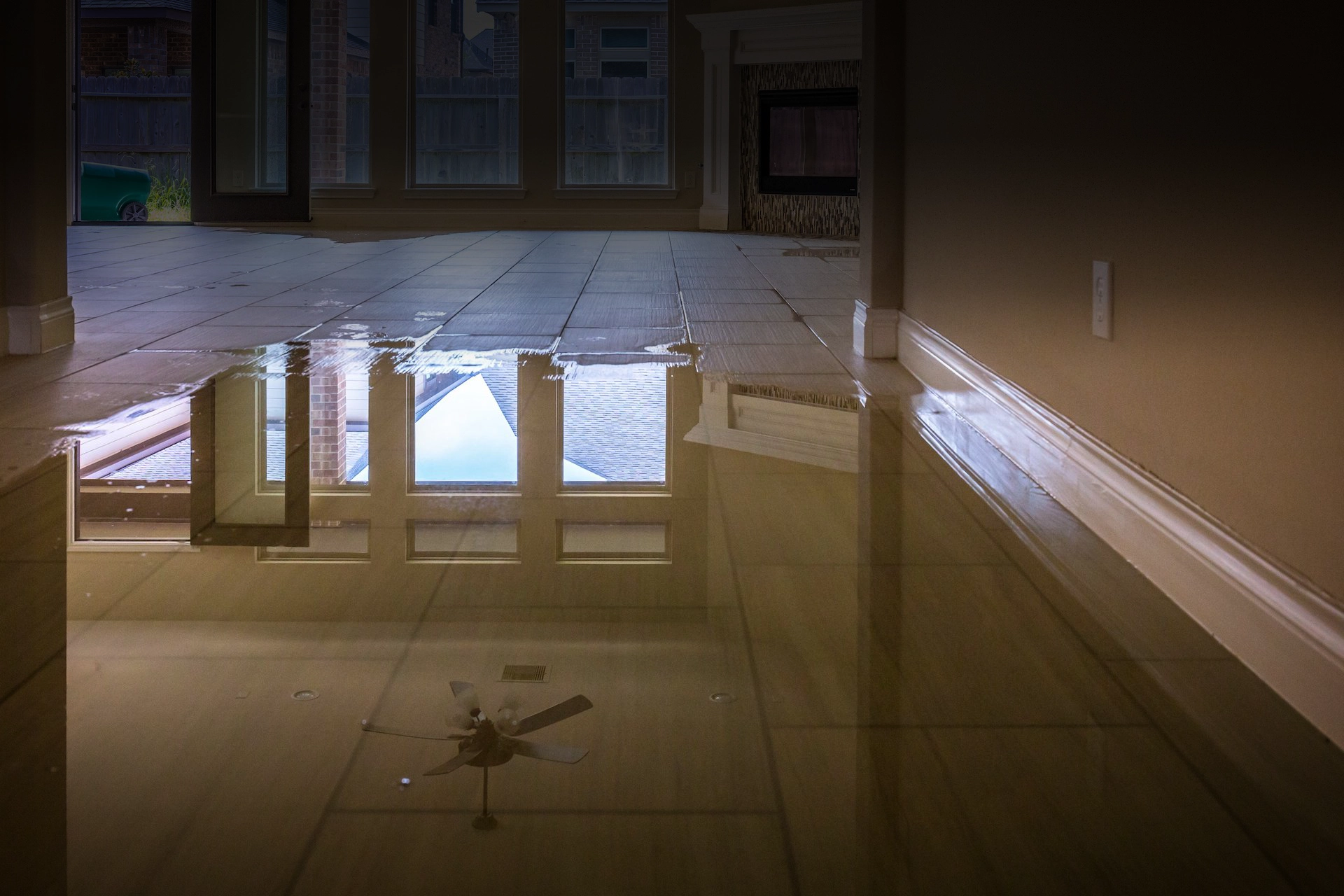
After water damage, the first fear most homeowners share is the same one: “Do I have to rip it all out?” The floors, the walls, the cabinets — the thought of tearing them apart is almost as stressful as the water itself.
Here’s the answer that surprises people. Often, no. Professional drying services can save floors, walls, and cabinets that DIY would tear out — by drying them in place to a verified standard. Whether something can be saved comes down to speed, water type, and doing the drying right. All Clean Restoration answers that question honestly across the Metro East and St. Louis.
What Is In-Place Drying?
In-place drying means drying a wet material where it sits, instead of removing it. Done correctly, it saves hardwood, drywall, cabinets, and more.
It works by controlling three things: airflow, temperature, and humidity. We push dry air across and into the wet material while dehumidifiers pull the moisture out of the space. The water leaves; the material stays.
Why Do So Many Companies Just Tear Everything Out?
Because tear-out is fast and simple — for them. Ripping out drywall and flooring takes no skill and no measurement.
But it’s expensive for you, and often unnecessary. Real drying takes equipment, knowledge, and daily monitoring. We’d rather do the harder work that saves your home than the easy work that guts it. That’s the honesty behind everything we do — we tell you what you need to hear, not what’s easiest to say.
What Can Professional Drying Actually Save?
More than most people expect, when the drying starts fast. Here’s where our Pro Drying Services come in:
- Wood floors: specialized wood floor drying can pull moisture from hardwood and the subfloor, often saving floors that look ruined.
- Carpet and rugs: carpet and rug drying saves fibers and floors when caught in time.
- Walls and cabinets: wall and cabinet drying dries inside wall cavities and behind cabinets without a full tear-out.
The common thread is reaching the hidden water — the moisture behind, beneath, and inside materials — before it does permanent damage.
When Is Tear-Out Actually Necessary?
Sometimes it is, and we’ll tell you when. Removal is the right call when:
- The water was contaminated — sewage or Category 3 water soaks porous materials that can’t be safely cleaned.
- The material is structurally gone — rotted, delaminated, or crumbling.
- Mold has already taken hold and can’t be remediated in place.
- Too much time passed before drying began.
Honesty runs both ways. If something can be saved, we save it. If it can’t, we say so and explain why.
How Do You Know It’s Really Dry?
We measure — we don’t guess. This is the heart of professional drying.
Using moisture meters and psychrometric readings, we track the moisture in your home every day until it hits the target set by the IICRC S500 standard. “Feels dry” isn’t good enough. A verified reading is. That documentation also supports your insurance claim, which you can read about on our insurance FAQ.
We save homes across Southern Illinois and the St. Louis Metro, from Edwardsville to St. Louis. See the service area or get a free estimate.
Before anyone tells you to tear it out, let us try to dry it. Call All Clean Restoration for professional drying and an honest assessment. A real person answers 24/7, 365 days a year — holidays and weekends included. Licensed. Bonded. Insured. IICRC-certified. BBB A+. Serving Southern Illinois and the St. Louis Metro since 1981. Illinois: 618-235-3202 · Missouri: 314-454-0442 · Se Habla Español: 618-792-3633
Recent Blog Articles:

Is Your Attic Hiding a Costly Secret? Water Damage

Seconds Matter: Why Fast Action is the Key to Water Damage Restoration

Basement Leakage 101: Identifying the Real Problem Before It Destroys Your Home

When That “Weird Smell” Is Actually Toxic Mold
All Clean Restoration's Other Services
Whether water, mold, fire, or smoke causes damage to your home or business, the effects are heartbreaking and often life-changing. We at All Clean Restoration understand the devastation and pain these events can cause. We also understand that quick and proper action is crucial to prevent further damage, red tape, and cost.

Licensed | Bonded | Insured