LICENSED   |   BONDED  |   INSURED

618-235-3202
Is Water Around Your Foundation Destroying Your Home?

March 13, 2026
At All Clean Restoration, we’ve seen how "just a little water" around your foundation turns into a structural nightmare. If you see pooling water near your home or damp spots in your basement, call us immediately at 618-235-3202 or 314-454-0442.

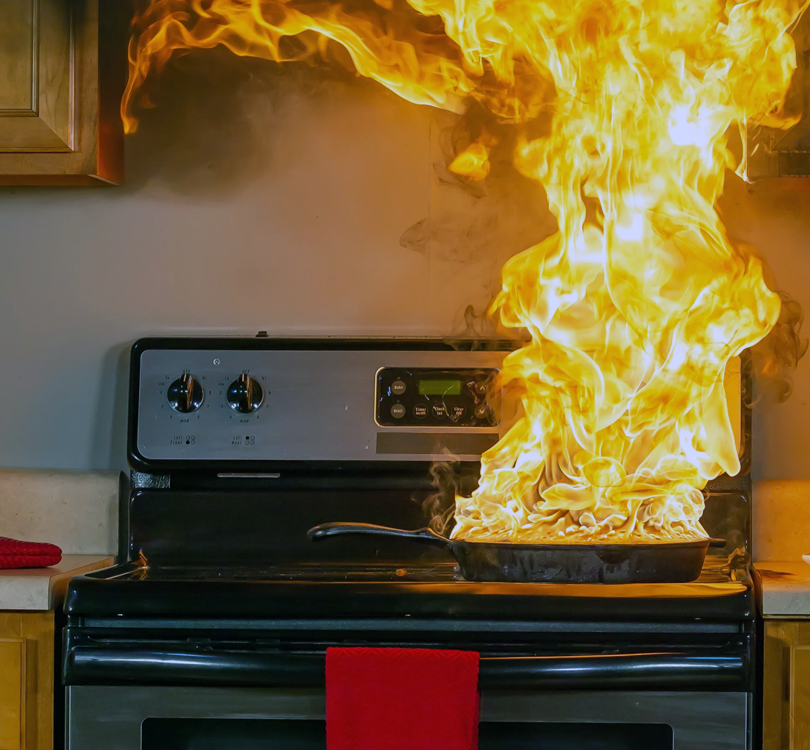
If you've been devastated by watermoldfire, and/or smoke damage, know that your cherished possessions, your home or business, can all be restored to pre-damage condition; bringing back your peace of mind.

Whether water, mold, fire, or smoke causes damage to your home or business, the effects are heartbreaking and often life-changing. We at All Clean Restoration understand the devastation and pain these events can cause. We also understand that quick and proper action is crucial to prevent further damage, red tape, and cost.

Call us any time, day or night:

1-800-4223944

Related Topics:

For homeowners in Belleville, IL, St. Louis, MO, and the surrounding Metro East area, our weather is anything but predictable. Between heavy spring downpours, rapid snowmelt, and our unique clay-rich soil, your home’s foundation is under constant attack.

At All Clean Restoration, we’ve seen how “just a little water” in the yard turns into a structural nightmare. If you see pooling water near your home or damp spots in your basement, call us immediately at 618-235-3202 or 314-454-0442.


The Midwest Foundation Threat: Hydrostatic Pressure

In the St. Louis region, our soil is packed with clay. When it rains, this clay absorbs water like a sponge and expands. This creates hydrostatic pressure—thousands of pounds of force pushing against your foundation walls.

If that water isn’t directed away, it will find the path of least resistance:

  • Cove Joint Seepage: Water forcing its way through the gap where your floor meets the wall.

  • Foundation Cracks: New or widening cracks in your concrete or masonry.

  • Sump Pump Failure: An overwhelmed system that leaves your basement vulnerable to a flooded basement disaster.

3 Red Flags Every Homeowner Should Know

  1. Efflorescence: Have you noticed a white, powdery residue on your basement walls? This is salt left behind by evaporating water—a sure sign of moisture wicking through your foundation.

  2. Sticking Doors and Windows: If your front door suddenly sticks or windows won’t slide, your foundation may be shifting due to soil erosion or saturation.

  3. Spongy Soil or “Lakes” in the Yard: If water stands within 10 feet of your home for more than 24 hours after a storm, your water mitigation strategy is failing.


Why You Need Professional Water Mitigation

True water damage restoration starts from the outside in. Simply mopping up the floor won’t stop the cycle of damage. All Clean Restoration provides the expert solutions you need to protect your investment:

  • Emergency Water Extraction: We use industrial pumps to remove standing water before it weakens your home’s structure.

  • Advanced Structural Drying: We don’t just dry the surface; we use high-powered dehumidifiers to pull moisture out of the foundation itself.

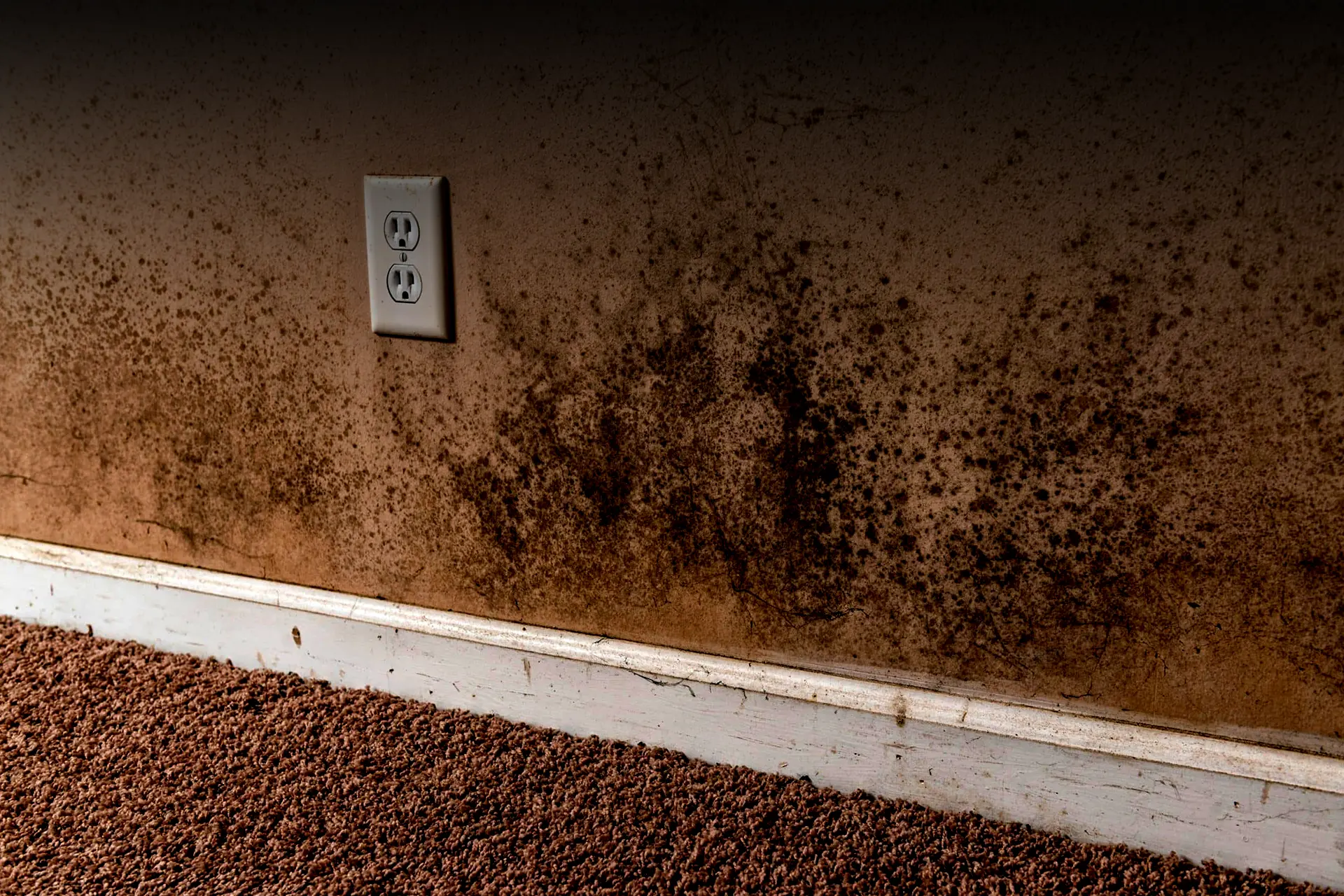
  • Mold Remediation: Mold thrives in the damp cavities of your foundation. We stop it before it affects your family’s health.

Don’t Let a Rainstorm Become a Renovation

A cracked foundation can cost tens of thousands of dollars to repair. Acting now with professional water mitigation can save your home and your bank account. Trust the local team that has been serving the Illinois and Missouri community for over 45 years.

Contact All Clean Restoration 24/7 for an Emergency Assessment: 📞 IL: 618-235-3202 📞 MO: 314-454-0442 🌐 allcleanrestoration.com

Recent Blog Articles:

Mold is a serious health risk to everyone in your home or office, particularly children, elderly family members, and anyone with respiratory conditions. What started as moisture from a leaky pipe or slow sink overflow has transformed into colonies of living organisms releasing spores into the air your family breathes every single day.

Mold: The Black Spots Behind Your Kitchen Sink: A Mother’s Worst Fear

Mold is a serious health risk to everyone in your home or office, particularly children, elderly family members, and anyone with respiratory conditions. What started as moisture from a leaky pipe or slow sink overflow has transformed into colonies of living organisms releasing spores into the air your family breathes every single day.
Water damage has no time limit. It's 2:47 AM when you hear it—that sound that doesn't belong. Water dripping. Not the gentle patter of rain on the roof, but something closer, something wrong.

When Water Damage Invades Your Safe Haven: Finding Peace in the Chaos

Water damage has no time limit. It's 2:47 AM when you hear it—that sound that doesn't belong. Water dripping. Not the gentle patter of rain on the roof, but something closer, something wrong.
Frozen pipes represent one of the most deceptive forms of water damage. The danger doesn't occur when the pipe freezes—it happens when it thaws. As water freezes inside your plumbing, it expands with tremendous force, creating microscopic cracks or even catastrophic ruptures in the pipe walls. You might not notice anything wrong until temperatures rise and water begins flowing again, only to discover it's now flooding your basement, crawlspace, or walls. The most vulnerable pipes are those in unheated areas: exterior walls, attics, basements, and crawlspaces. In older homes throughout Collinsville, Edwardsville, and O'Fallon, inadequate insulation leaves these pipes exposed to freezing conditions night after night. Modern homes aren't immune either—a single uninsulated section can lead to a broken pipe and extensive water damage.

Your Pipes May Be Freezing Right Now: The $10,000 Mistake Most Homeowners Make This Winter

Frozen pipes represent one of the most deceptive forms of water damage. The danger doesn't occur when the pipe freezes—it happens when it thaws. As water freezes inside your plumbing, it expands with tremendous force, creating microscopic cracks or even catastrophic ruptures in the pipe walls. You might not notice anything wrong until temperatures rise and water begins flowing again, only to discover it's now flooding your basement, crawlspace, or walls. The most vulnerable pipes are those in unheated areas: exterior walls, attics, basements, and crawlspaces. In older homes throughout Collinsville, Edwardsville, and O'Fallon, inadequate insulation leaves these pipes exposed to freezing conditions night after night. Modern homes aren't immune either—a single uninsulated section can lead to a broken pipe and extensive water damage.
From a tiny, rhythmic drip-drip-drip on the ceiling to a full-scale structural disaster, water damage moves with terrifying speed. What starts as a small discoloration on your drywall can evolve into a costly emergency in just a matter of hours. Here is a look at the timeline of a leak and expert advice on how to stop a disaster in its tracks. At All Clean Restoration, we have spent over 45 years helping homeowners and business owners navigate the devastation and pain these events can cause. We know that when it comes to water, every second counts. The Anatomy of a Disaster: How Fast Does Water Damage Spread? Water is the "universal solvent," and it begins destroying building materials the moment it makes contact. The First Minutes: Water saturates carpets, upholstery, and insulation. It seeps into crevices in hardwood floors and begins wicking up drywall. The First 24 Hours: Drywall begins to swell and disintegrate. Metal surfaces may start to tarnish, and furniture can begin to crack or stain. Most importantly, mold and mildew can begin to colonize in as little as 24 to 48 hours. The First Week: Structural integrity is compromised. Wood swells and warps, and the musty odor of microbial growth becomes overwhelming. At this stage, the cost of property restoration skyrockets. Expert Advice: What to Do When You Spot a Leaky Roof A roof leak is often the silent precursor to a "black water" event or massive ceiling collapse. If you notice a stain or an active drip, follow these steps immediately: 1. Contain the Flow Place a bucket or waterproof container under the drip. To prevent splashing (which can damage nearby flooring), pin a piece of string to the ceiling and let the water travel down the string into the bucket. 2. Release the Pressure If you see a "bubble" forming in your ceiling paint, the water is pooling behind the drywall. Carefully use a small pin or screwdriver to puncture the center of the bubble. This releases the weight of the water, preventing the entire ceiling section from collapsing. 3. Protect Your Assets Move furniture, electronics, and valuables to a dry area immediately. If items are too heavy to move, use plastic sheeting to cover them. 4. Call for Professional Water Extraction Don't wait for the storm to stop. All Clean Restoration provides 24/7 emergency response. Our IICRC certified technicians use state-of-the-art moisture detection tools and infrared cameras to find where the water is hiding behind your walls and under your floors. Why All Clean Restoration? We aren't just a cleanup crew; we are a full-service residential and commercial property restoration company. We specialize in: Structural Drying: Using industrial-grade air movers and dehumidifiers to save your walls and framing. Hardwood Floor Drying: Specialized equipment designed to save your expensive flooring from "cupping" or warping. Insurance Claim Assistance: As an insurance carrier preferred company, we work directly with your adjuster to document the damage and streamline the claims process, reducing your stress. Don't Let a Drip Become a Disaster If your home or business has suffered water damage, you need a team that understands the science of drying. We serve the St. Louis and Metro East areas with rapid, professional service designed to get your life back to normal. Contact All Clean Restoration today for a free estimate or call our 24/7 Emergency Hotline at 1-800-422-3944!

The Anatomy of a Disaster: How Fast Does Water Damage Spread?

Here is a look at the timeline of a leak and expert advice on how to stop a disaster in its tracks. At All Clean Restoration, we have spent over 45 years helping homeowners and business owners navigate the devastation and pain these events can cause. We know that when it comes to water, every second counts.

All Clean Restoration's Other Services

Whether water, mold, fire, or smoke causes damage to your home or business, the effects are heartbreaking and often life-changing. We at All Clean Restoration understand the devastation and pain these events can cause. We also understand that quick and proper action is crucial to prevent further damage, red tape, and cost.

We are honored to help in your time of need.

We are committed to delivering exceptional customer service and restoring homes and businesses to their pre-loss condition. For more than 40 years throughout Southern Illinois, we've prioritized communication with our clients, walking them through the entire restoration process from the moment we arrive to walking back into their restored homes and offices.

618-235-3202

Licensed  |  Bonded  |  Insured