LICENSED   |   BONDED  |   INSURED

618-235-3202
Is Your Attic Hiding a Costly Secret? Water Damage

February 28, 2026
In the St. Louis Metropolitan area, we are no strangers to heavy storms, ice dams, and humid summers and roof leaks. While most homeowners keep a close eye on their basements, there is a silent threat lurking at the highest point of your home: attic water damage. A failed roof doesn’t always result in a dramatic ceiling collapse. More often, it’s a slow, stealthy drip from a compromised shingle or damaged flashing. By the time you notice a yellow stain on your bedroom ceiling, the wood rot and mold growth in your attic may already be well underway.

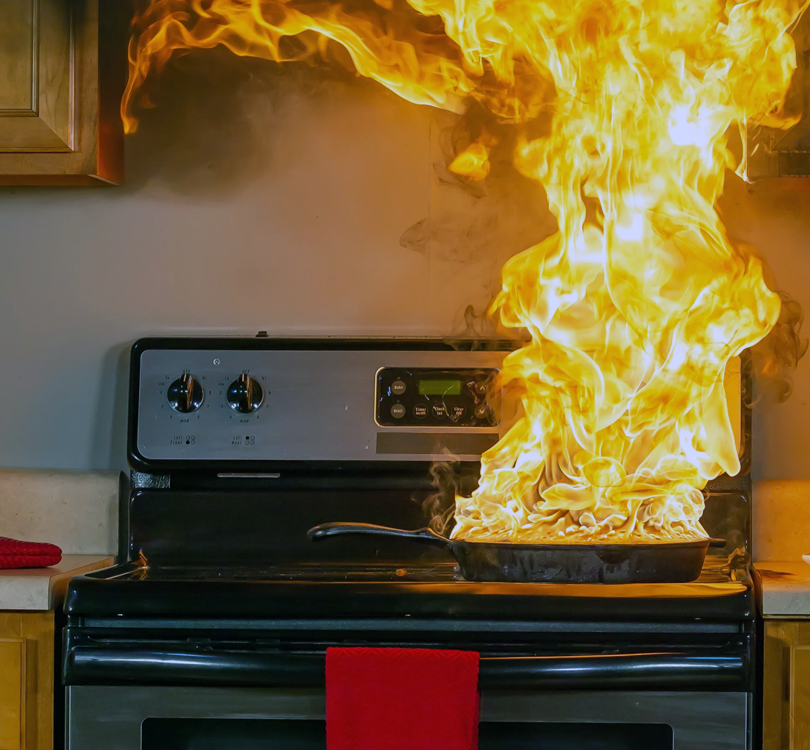
If you've been devastated by watermoldfire, and/or smoke damage, know that your cherished possessions, your home or business, can all be restored to pre-damage condition; bringing back your peace of mind.

Whether water, mold, fire, or smoke causes damage to your home or business, the effects are heartbreaking and often life-changing. We at All Clean Restoration understand the devastation and pain these events can cause. We also understand that quick and proper action is crucial to prevent further damage, red tape, and cost.

Call us any time, day or night:

1-800-4223944

Related Topics:

In the St. Louis Metropolitan area, we are no strangers to water damage from heavy storms, ice dams, and roof leaks. While most homeowners keep a close eye on their basements, there is a silent threat lurking at the highest point of your home: attic water damage.

A failed roof doesn’t always result in a dramatic ceiling collapse. More often, it’s a slow, stealthy drip from a compromised shingle or damaged flashing. By the time you notice a yellow stain on your bedroom ceiling, the wood rot and mold growth in your attic may already be well underway.

Why Attic Leaks are Urgent

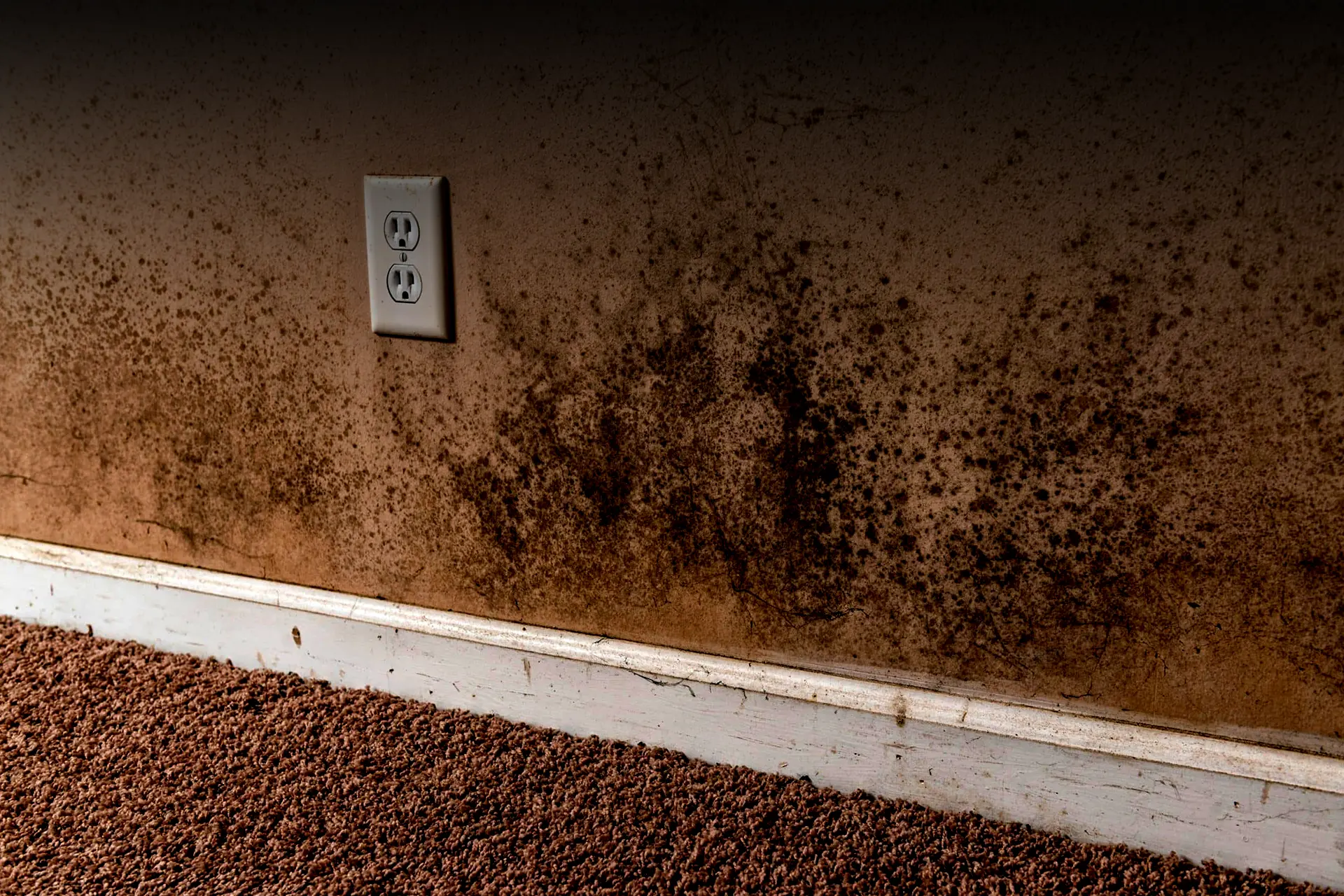
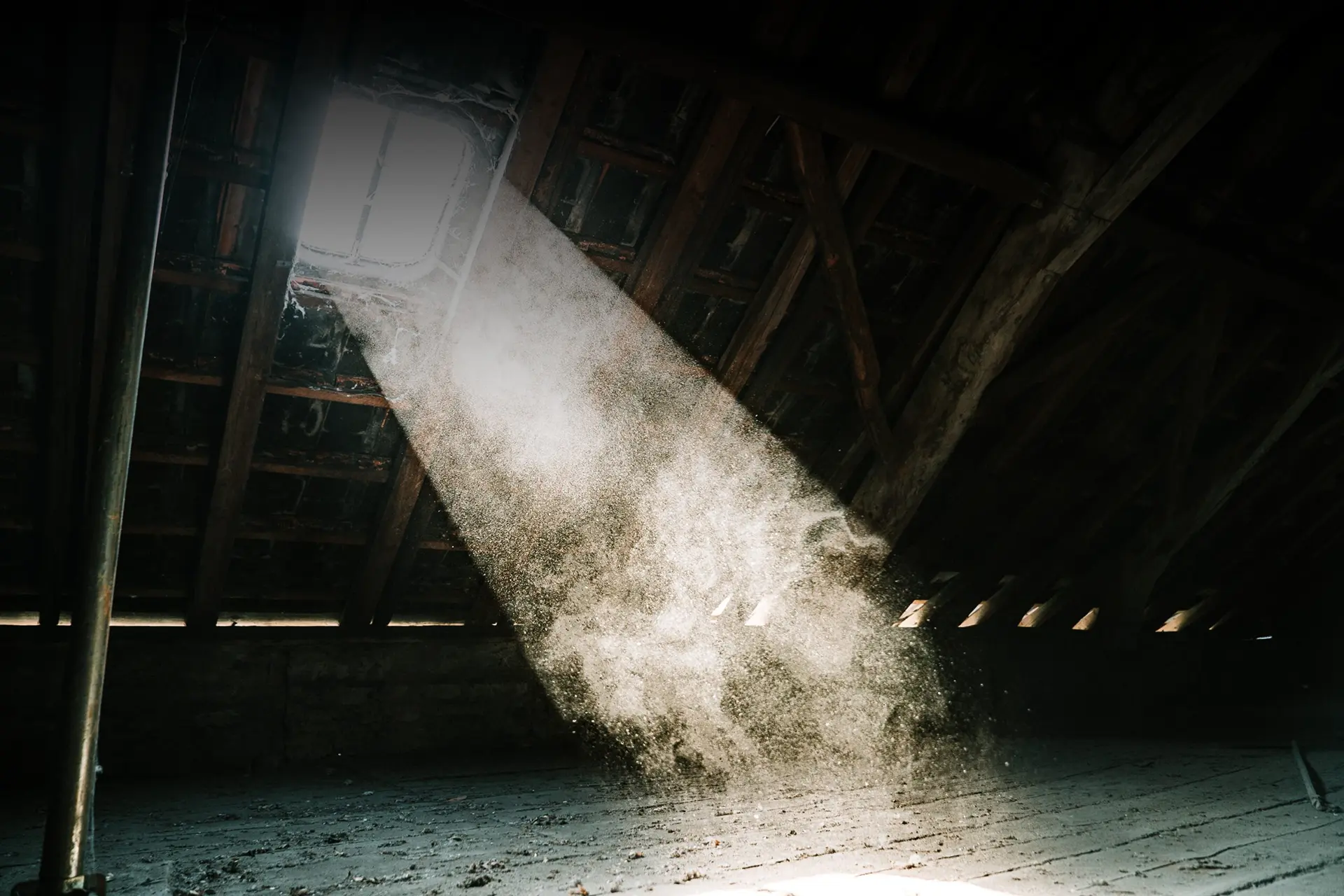
Unlike a burst pipe in the kitchen, attic leaks often go unnoticed for weeks. This creates a “greenhouse effect”—a dark, warm, and damp environment that is the perfect breeding ground for mold.

  • Compromised Insulation: Wet insulation loses its R-value, causing your energy bills to skyrocket.

  • Structural Wood Rot: Constant moisture weakens the rafters and trusses that hold up your roof.

  • Health Risks: Mold spores in the attic can easily enter your home’s HVAC system, circulating allergens throughout your living space.

Because mold can begin to colonize in as little as 24 to 48 hours, waiting to “see if it dries out” is a gamble you can’t afford to take.

The All Clean Restoration Process

At All Clean Restoration, we specialize in uncovering and remediating the damage you can’t see. Serving Belleville, Illinois, and the surrounding region, we follow a rigorous process to save your home:

  1. Thermal Imaging Inspection: We use infrared technology to trace moisture paths through your roof and walls without having to tear anything open first.

  2. Immediate Water Extraction: If there is standing water or saturated materials, we remove them quickly to stabilize the environment.

  3. Professional Dehumidification: Attics have poor natural airflow. We use industrial-grade dehumidifiers to pull moisture out of the structural wood.

  4. Mold Remediation: If a failed roof has led to fungal growth, our IICRC-certified team uses specialized HEPA filtration and antimicrobial treatments to ensure your air is safe to breathe.

  5. Full Structural Repair: From replacing damaged plywood to installing new insulation, we handle the entire reconstruction process.

24/7 Emergency Service in Belleville & St. Louis

A roof failure doesn’t wait for business hours. Whether a fallen branch has punctured your roof during a midnight storm or you’ve just discovered a major leak, All Clean Restoration is available 24/7.

We’ve spent over four decades helping our neighbors in the St. Louis Metro area protect their homes. We don’t just fix the mess; we work with your insurance provider to make the claims process as seamless as possible.

Don’t Let a Small Leak Become a Big Problem

If you suspect your roof has failed or you’ve noticed a musty smell coming from your upper floors, act now. The faster we arrive, the more of your home we can save.

Call All Clean Restoration 24/7 at 618-235-3202 for immediate assistance.

Recent Blog Articles:

Severe weather and storm damage is a fact of life in Southern Illinois and Missouri. The bi-state metro area sits in a region that experiences some of the most climatically diverse and severe weather in the United States: powerful spring and summer thunderstorms with high winds, hail, and torrential rain; periodic tornadoes; winter ice storms and blizzards; and flooding events from the Mississippi and Missouri river systems that can impact communities across the region. When severe weather strikes, homes bear the brunt of the assault — and water is almost always part of the damage.

Storm Damage and Water in Your Home: What to Do When the Weather Wins

Severe weather and storm damage is a fact of life in Southern Illinois and Missouri. The bi-state metro area sits in a region that experiences some of the most climatically diverse and severe weather in the United States: powerful spring and summer thunderstorms with high winds, hail, and torrential rain; periodic tornadoes; winter ice storms and blizzards; and flooding events from the Mississippi and Missouri river systems that can impact communities across the region. When severe weather strikes, homes bear the brunt of the assault — and water is almost always part of the damage.
Water in your walls is hidden from view, often undetected for extended periods, and silently causes progressive structural damage and mold growth that can ultimately compromise the integrity of your home and the health of everyone living in it. By the time most homeowners discover water in their walls, significant damage has already occurred — and it could have been prevented or significantly reduced with earlier detection and professional response.

Water in Your Walls: The Silent Destroyer You Can’t Afford to Ignore

Water in your walls is hidden from view, often undetected for extended periods, and silently causes progressive structural damage and mold growth that can ultimately compromise the integrity of your home and the health of everyone living in it. By the time most homeowners discover water in their walls, significant damage has already occurred — and it could have been prevented or significantly reduced with earlier detection and professional response.
Attic water damage occurs through several distinct pathways. Roof leaks are the most common and most direct: water penetrating a damaged or deteriorated roof system enters the attic at the point of failure and spreads from there. The exact failure point may be a few missing or damaged shingles, failed flashing at a chimney, pipe boot, or ridge cap, ice dam formation at the eaves during winter, or simply the accumulated deterioration of an aging roof system reaching the end of its service life.

Water Damage in Your Attic: Signs, Causes, and What to Do

Attic water damage occurs through several distinct pathways. Roof leaks are the most common and most direct: water penetrating a damaged or deteriorated roof system enters the attic at the point of failure and spreads from there. The exact failure point may be a few missing or damaged shingles, failed flashing at a chimney, pipe boot, or ridge cap, ice dam formation at the eaves during winter, or simply the accumulated deterioration of an aging roof system reaching the end of its service life.
When water damage occurs, most people's first thought is simply to get the water out. And water removal — extraction of standing and surface water — is certainly the critical first action. But water removal alone does not constitute complete water remediation, and understanding the difference between these two concepts is important for any property owner facing a water damage event.

Water Remediation vs. Water Removal: Understanding What Your Property Actually Needs

When water damage occurs, most people's first thought is simply to get the water out. And water removal — extraction of standing and surface water — is certainly the critical first action. But water removal alone does not constitute complete water remediation, and understanding the difference between these two concepts is important for any property owner facing a water damage event.

All Clean Restoration's Other Services

Whether water, mold, fire, or smoke causes damage to your home or business, the effects are heartbreaking and often life-changing. We at All Clean Restoration understand the devastation and pain these events can cause. We also understand that quick and proper action is crucial to prevent further damage, red tape, and cost.
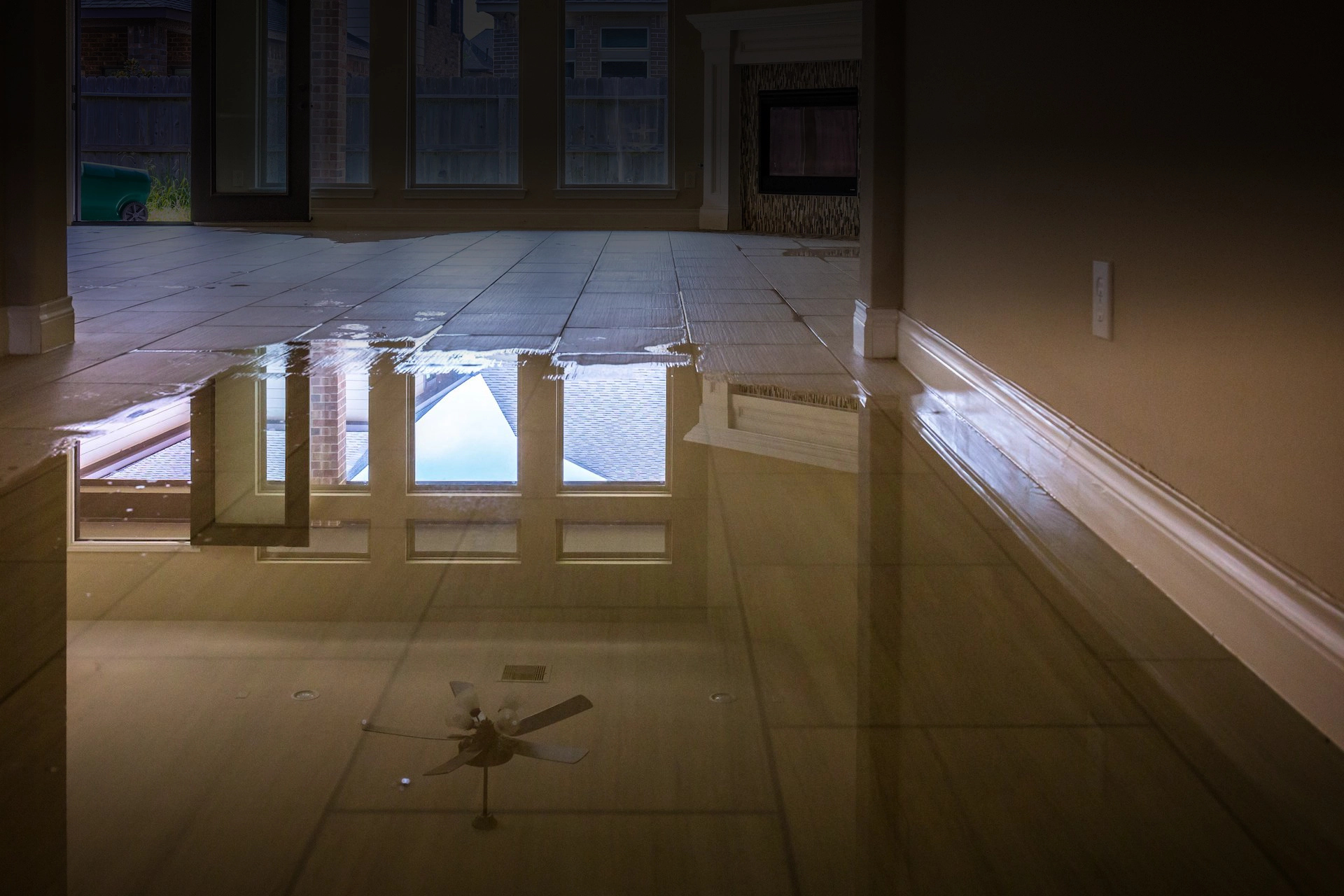

We are honored to help in your time of need.

We are committed to delivering exceptional customer service and restoring homes and businesses to their pre-loss condition. For more than 40 years throughout Southern Illinois, we've prioritized communication with our clients, walking them through the entire restoration process from the moment we arrive to walking back into their restored homes and offices.

618-235-3202

Licensed  |  Bonded  |  Insured