LICENSED   |   BONDED  |   INSURED

618-235-3202
Is Your Facility Storm-Ready? The Hidden Risks of Winter Weather Water Damage

January 15, 2026
In a standard commercial building, a burst pipe or a collapsed roof section is a construction headache. In a hospital, it’s an infection control crisis.

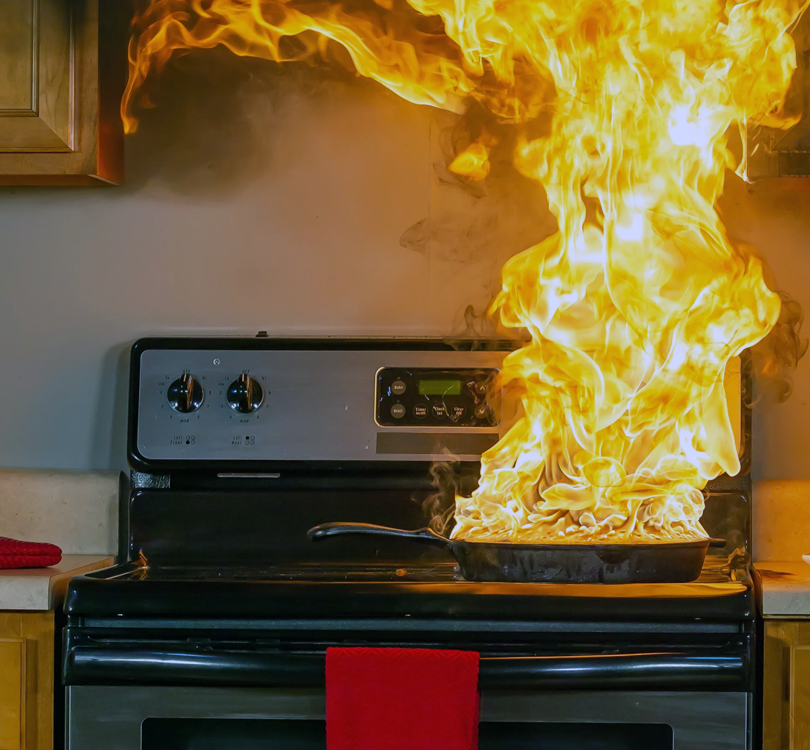
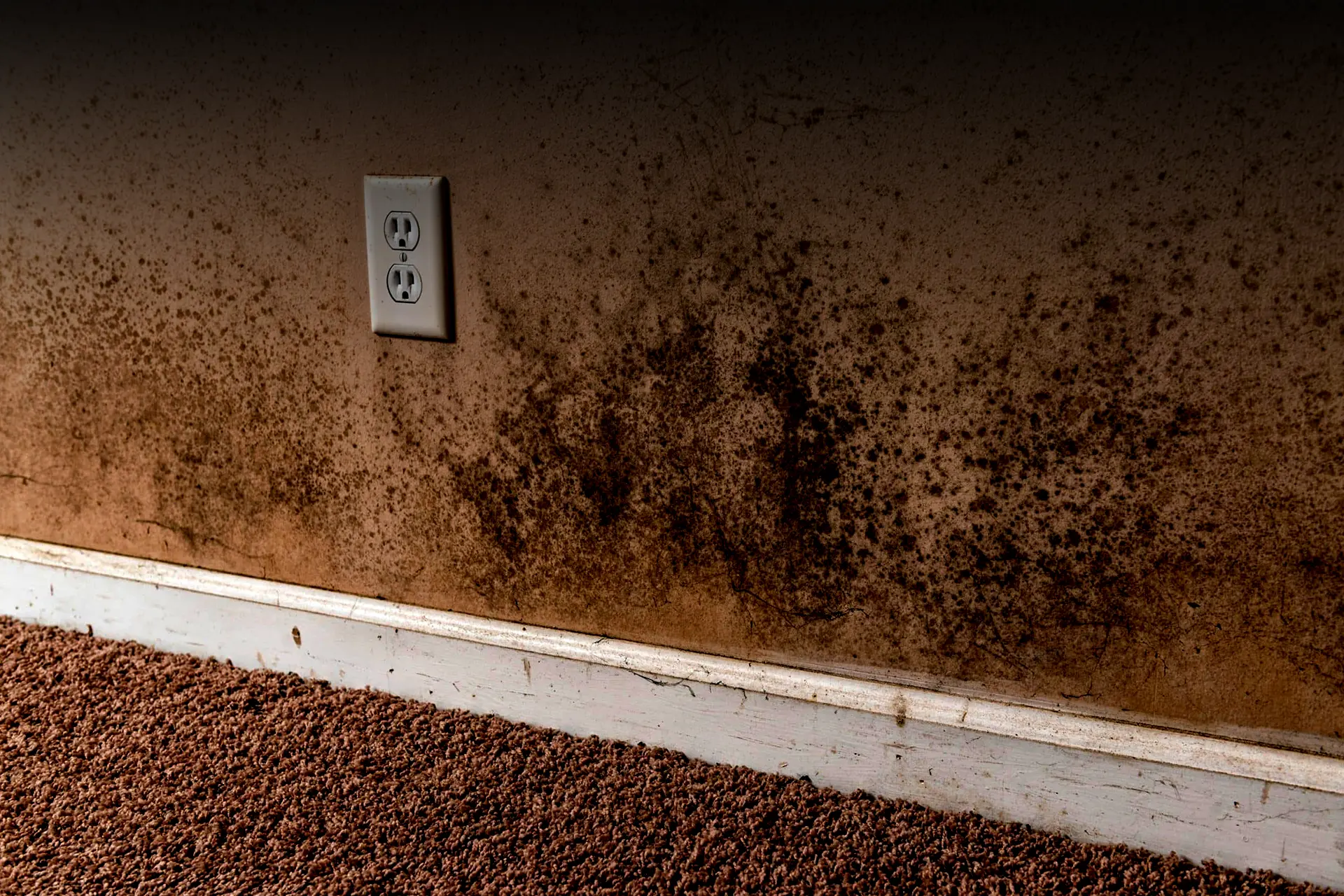
If you've been devastated by watermoldfire, and/or smoke damage, know that your cherished possessions, your home or business, can all be restored to pre-damage condition; bringing back your peace of mind.

Whether water, mold, fire, or smoke causes damage to your home or business, the effects are heartbreaking and often life-changing. We at All Clean Restoration understand the devastation and pain these events can cause. We also understand that quick and proper action is crucial to prevent further damage, red tape, and cost.

Call us any time, day or night:

1-800-4223944

Related Topics:

When the ice storms of Missouri and Illinois hit, the stakes are much higher than just a power outage or a slick parking lot. For hospitals, clinics, and long-term care facilities, winter weather isn’t just a structural threat—it’s a biological one.

At All Clean Restoration, we know that healthcare facilities are the backbone of our community. When nature strikes, “business as usual” isn’t just a goal; it’s a necessity for patient survival.


The Silent Threat: Why “Simple Repairs” Aren’t Simple

In a standard commercial building, a burst pipe or a collapsed roof section is a construction headache. In a hospital, it’s an infection control crisis.

When winter storms damage a structure, the restoration process itself can kick up dust, debris, and dormant pathogens. For immunocompromised patients, breathing in these contaminants isn’t just an inconvenience—it can lead to fatal secondary infections.

Why ICRA Training is Non-Negotiable

You wouldn’t let an untrained surgeon into your OR, and you shouldn’t let an untrained restoration crew into your facility.

Maintaining Infection Control Risk Assessment (ICRA) standards is the difference between a successful recovery and a dangerous outbreak. Our technicians are specialized in healthcare environments, understanding that containing the work area is just as important as fixing the damage.


The All Clean Advantage: Superior Containment

How do we keep your patients safe while we work? We don’t just use plastic sheeting and tape. We utilize the STARC Wall System, the gold standard in healthcare containment.

  • Dust-Tight Protection: Prevents debris from infiltrating air circulation systems.

  • Noise Reduction: Maintains a healing environment for patients.

  • Professional Aesthetics: Looks like a permanent wall, keeping your facility looking operational and clean.

  • Rapid Deployment: Crucial for emergency winter weather response.

Your Partner in Missouri and Illinois

From the urban centers of St. Louis and Chicago to our rural community clinics, All Clean Restoration is committed to keeping the Tri-State area’s healthcare infrastructure standing strong. We provide safe, effective cleaning and decontamination processes that prioritize patient well-being and facility functionality.

Don’t wait for the next ice storm to have a plan.

Recent Blog Articles:

Water in your walls is hidden from view, often undetected for extended periods, and silently causes progressive structural damage and mold growth that can ultimately compromise the integrity of your home and the health of everyone living in it. By the time most homeowners discover water in their walls, significant damage has already occurred — and it could have been prevented or significantly reduced with earlier detection and professional response.

Water in Your Walls: The Silent Destroyer You Can’t Afford to Ignore

Water in your walls is hidden from view, often undetected for extended periods, and silently causes progressive structural damage and mold growth that can ultimately compromise the integrity of your home and the health of everyone living in it. By the time most homeowners discover water in their walls, significant damage has already occurred — and it could have been prevented or significantly reduced with earlier detection and professional response.
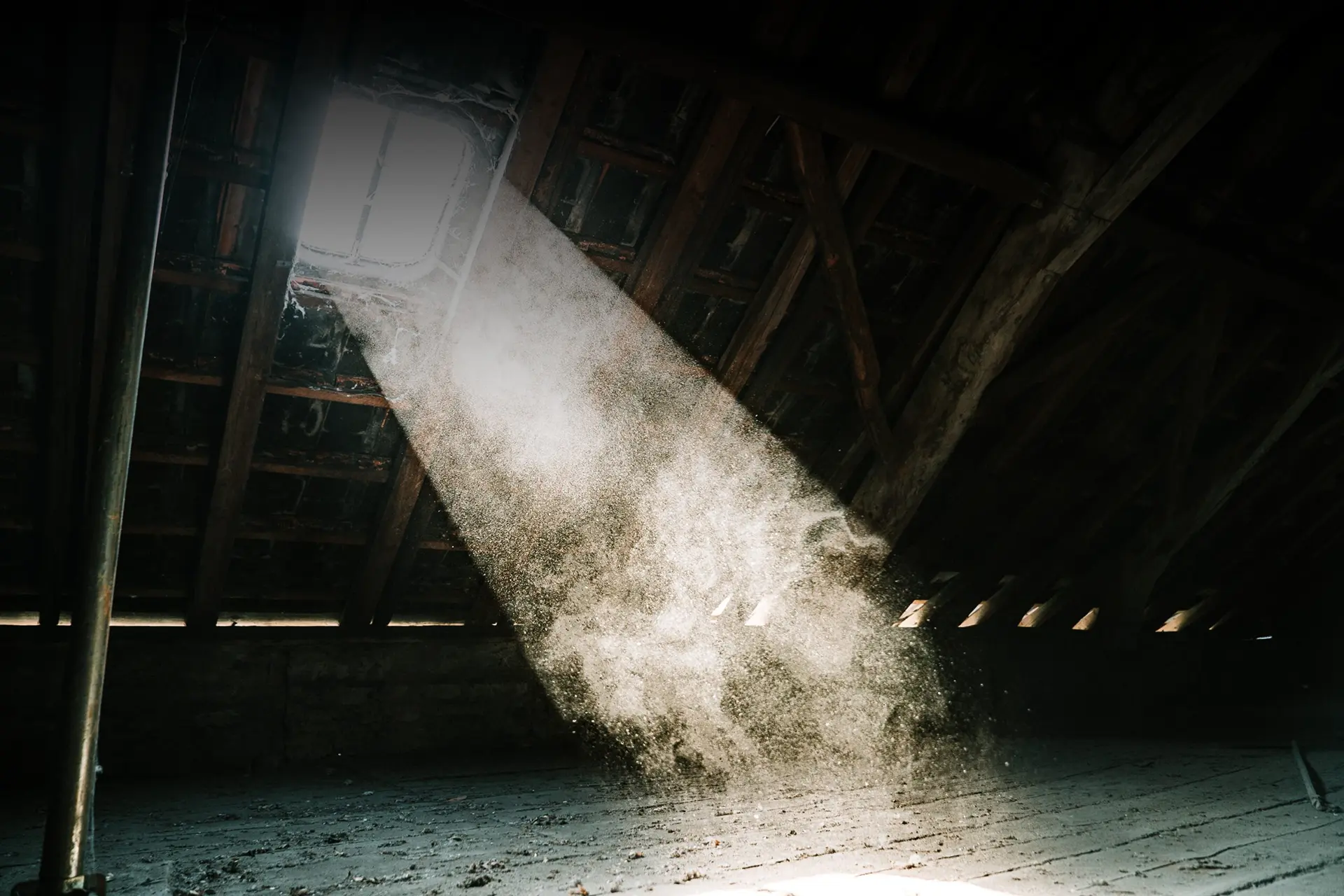
Attic water damage occurs through several distinct pathways. Roof leaks are the most common and most direct: water penetrating a damaged or deteriorated roof system enters the attic at the point of failure and spreads from there. The exact failure point may be a few missing or damaged shingles, failed flashing at a chimney, pipe boot, or ridge cap, ice dam formation at the eaves during winter, or simply the accumulated deterioration of an aging roof system reaching the end of its service life.

Water Damage in Your Attic: Signs, Causes, and What to Do

Attic water damage occurs through several distinct pathways. Roof leaks are the most common and most direct: water penetrating a damaged or deteriorated roof system enters the attic at the point of failure and spreads from there. The exact failure point may be a few missing or damaged shingles, failed flashing at a chimney, pipe boot, or ridge cap, ice dam formation at the eaves during winter, or simply the accumulated deterioration of an aging roof system reaching the end of its service life.
When water damage occurs, most people's first thought is simply to get the water out. And water removal — extraction of standing and surface water — is certainly the critical first action. But water removal alone does not constitute complete water remediation, and understanding the difference between these two concepts is important for any property owner facing a water damage event.

Water Remediation vs. Water Removal: Understanding What Your Property Actually Needs

When water damage occurs, most people's first thought is simply to get the water out. And water removal — extraction of standing and surface water — is certainly the critical first action. But water removal alone does not constitute complete water remediation, and understanding the difference between these two concepts is important for any property owner facing a water damage event.
The connection between water damage and mold growth is direct, predictable, and well-documented. Understanding this connection — and why it matters so much to address water damage completely rather than just cosmetically — can save property owners in Southern Illinois and the St. Louis metro area from a second, more serious remediation project months after they thought the water damage was behind them.

The Hidden Danger: Why Water Damage Almost Always Leads to Mold

The connection between water damage and mold growth is direct, predictable, and well-documented. Understanding this connection — and why it matters so much to address water damage completely rather than just cosmetically — can save property owners in Southern Illinois and the St. Louis metro area from a second, more serious remediation project months after they thought the water damage was behind them.

All Clean Restoration's Other Services

Whether water, mold, fire, or smoke causes damage to your home or business, the effects are heartbreaking and often life-changing. We at All Clean Restoration understand the devastation and pain these events can cause. We also understand that quick and proper action is crucial to prevent further damage, red tape, and cost.

We are honored to help in your time of need.

We are committed to delivering exceptional customer service and restoring homes and businesses to their pre-loss condition. For more than 40 years throughout Southern Illinois, we've prioritized communication with our clients, walking them through the entire restoration process from the moment we arrive to walking back into their restored homes and offices.

618-235-3202

Licensed  |  Bonded  |  Insured