LICENSED | BONDED | INSURED
618-235-3202
Is Your Water Heater Sending SOS Signals? 10 Leak Warning Signs You Can’t Afford to Ignore

If you've been devastated by water, mold, fire, and/or smoke damage, know that your cherished possessions, your home or business, can all be restored to pre-damage condition; bringing back your peace of mind.
Whether water, mold, fire, or smoke causes damage to your home or business, the effects are heartbreaking and often life-changing. We at All Clean Restoration understand the devastation and pain these events can cause. We also understand that quick and proper action is crucial to prevent further damage, red tape, and cost.
Call us any time, day or night:
1-800-4223944
Related Topics:
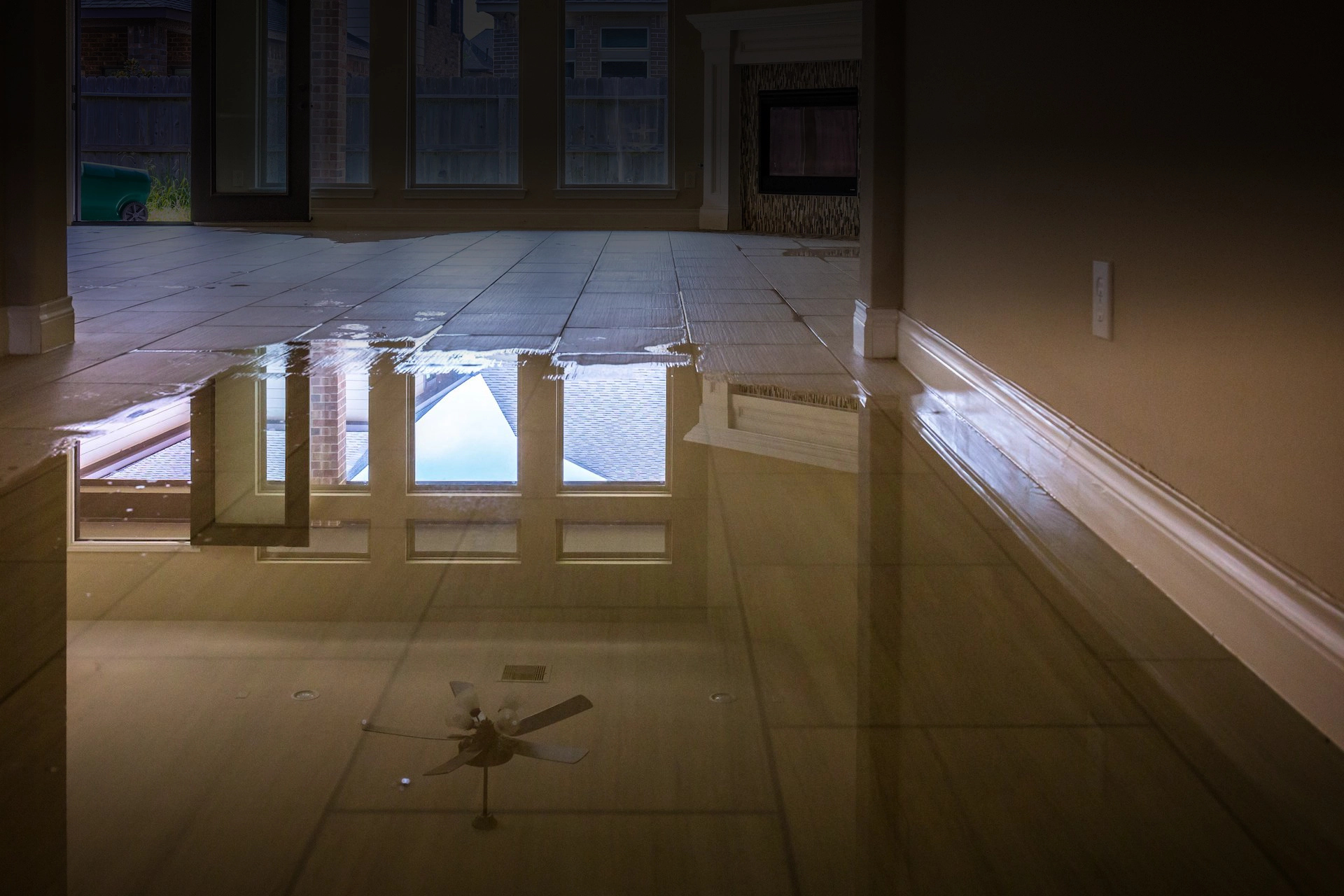
Water heaters: we rely on them daily for hot showers, clean dishes, and comfortable living. But like any appliance, they can malfunction, and a leaking water heater is a recipe for disaster. At All Clean Restoration, we know that water damage can escalate quickly, so recognizing the signs of a leaking water heater is crucial for protecting your home or business.
Don’t wait until you’re wading through puddles! Here are ten essential indicators that your water heater might be leaking, and what to do about it:
1. Pooling Water or Water Drips Around the Heater: The Obvious Culprit
This is the most straightforward sign. If you see puddles or drips around your water heater, don’t dismiss it. Even small amounts of water can indicate a serious problem. Check all connections, valves, and pipes for visible moisture. Remember, the leak might not be the tank itself; it could be a faulty fitting.
2. Condensation vs. Leak: How to Tell the Difference
Moisture doesn’t always mean a leak. Here’s how to distinguish between condensation and a genuine problem:
- For Gas Water Heaters: Wipe the area dry, turn off the gas, wait, and check again. If it’s dry, it was likely condensation.
- For Electric Water Heaters: Wipe the exterior and look for uniform moisture returning. If it does, it’s likely condensation. Also, check nearby HVAC systems or water lines as they can mimic water heater leaks.
3. Corrosion and Rust: The Silent Destroyer
Inspect your water heater for signs of corrosion or rust, especially around fittings, valves, and the tank. Rust weakens the metal and makes it prone to leaks.
4. Unusual Noises: A Cry for Help
Hissing, popping, or banging sounds can indicate pressure issues or water interacting with hot surfaces inside the tank. These noises shouldn’t be ignored.
5. Unexpected Rise in Utility Bills: The Hidden Cost
A sudden spike in your water bill could be a sign of a hidden leak, even a small one. Water wasted over time adds up!
6. Inconsistent Water Temperature: Hot and Cold Chaos
Fluctuating water temperature or sudden changes while showering can signal a leak affecting the heater’s efficiency.
7. Foul Odors: A Stinky Situation
Leaks can lead to bacterial growth, causing a musty or rotten egg smell. This is a health hazard and needs immediate attention.
8. Visible Pressure Relief Water Heater Leaks: When the Valve Fails
Check the pressure relief valve for continuous dripping. While it’s designed to release pressure, constant discharge indicates a problem. Try lowering the thermostat; if the leaking continues, the valve may need replacing.
9. Rusty Water: Internal Decay
Rusty or discolored hot water indicates corrosion inside the tank, which can lead to leaks.
10. Visible Leaks from the Tank Top or Bottom: Red Alert!
- Bottom Leaks: A leak from the bottom signifies a serious tank issue requiring immediate professional attention and likely replacement.
- Top Leaks: Top leaks can be caused by faulty connections, a bad TPR valve, or internal corrosion.
What to Do Next:
If you notice any of these signs, don’t delay. Contact a qualified plumber or water heater professional for a thorough inspection and repairs.
And if water damage has already occurred?
That’s where All Clean Restoration steps in. We’re experts in water damage restoration and can help you recover quickly and efficiently. Don’t let a leaking water heater turn into a major disaster. Contact us today for fast, reliable service if you have had water damage in your home or business.
Recent Blog Articles:

In-Place Drying vs. Tear-Out: How Pro Drying Saves Your Home

Wet Carpet After a Flood or Leak: Can It Be Saved?

Winterizing Your Home to Prevent Frozen Pipes in the Metro East

Water Damage to Your Subfloor: The Damage You Can’t See
All Clean Restoration's Other Services
Whether water, mold, fire, or smoke causes damage to your home or business, the effects are heartbreaking and often life-changing. We at All Clean Restoration understand the devastation and pain these events can cause. We also understand that quick and proper action is crucial to prevent further damage, red tape, and cost.

Licensed | Bonded | Insured