LICENSED | BONDED | INSURED
618-235-3202
Mold Damage: What It Is, What Causes It, and How to Eliminate It for Good

If you've been devastated by water, mold, fire, and/or smoke damage, know that your cherished possessions, your home or business, can all be restored to pre-damage condition; bringing back your peace of mind.
Whether water, mold, fire, or smoke causes damage to your home or business, the effects are heartbreaking and often life-changing. We at All Clean Restoration understand the devastation and pain these events can cause. We also understand that quick and proper action is crucial to prevent further damage, red tape, and cost.
Call us any time, day or night:
1-800-4223944
Related Topics:
Of all the property damage issues that homeowners and business owners in Southern Illinois and St. Louis face, mold may be the most misunderstood — and the most dangerous if handled incorrectly. Mold is not just a cosmetic problem or a musty smell. It is a living biological organism that actively degrades the materials it grows on, releases spores and mycotoxins into the air, and poses documented health risks to everyone who occupies the affected space.
All Clean Restoration has been identifying, removing, and remediating mold in homes and businesses across the bi-state metro area since 1981. In this article, we cover everything property owners need to know about mold damage: what it is, what causes it, the health risks it poses, and what professional remediation involves.
What Mold Actually Is
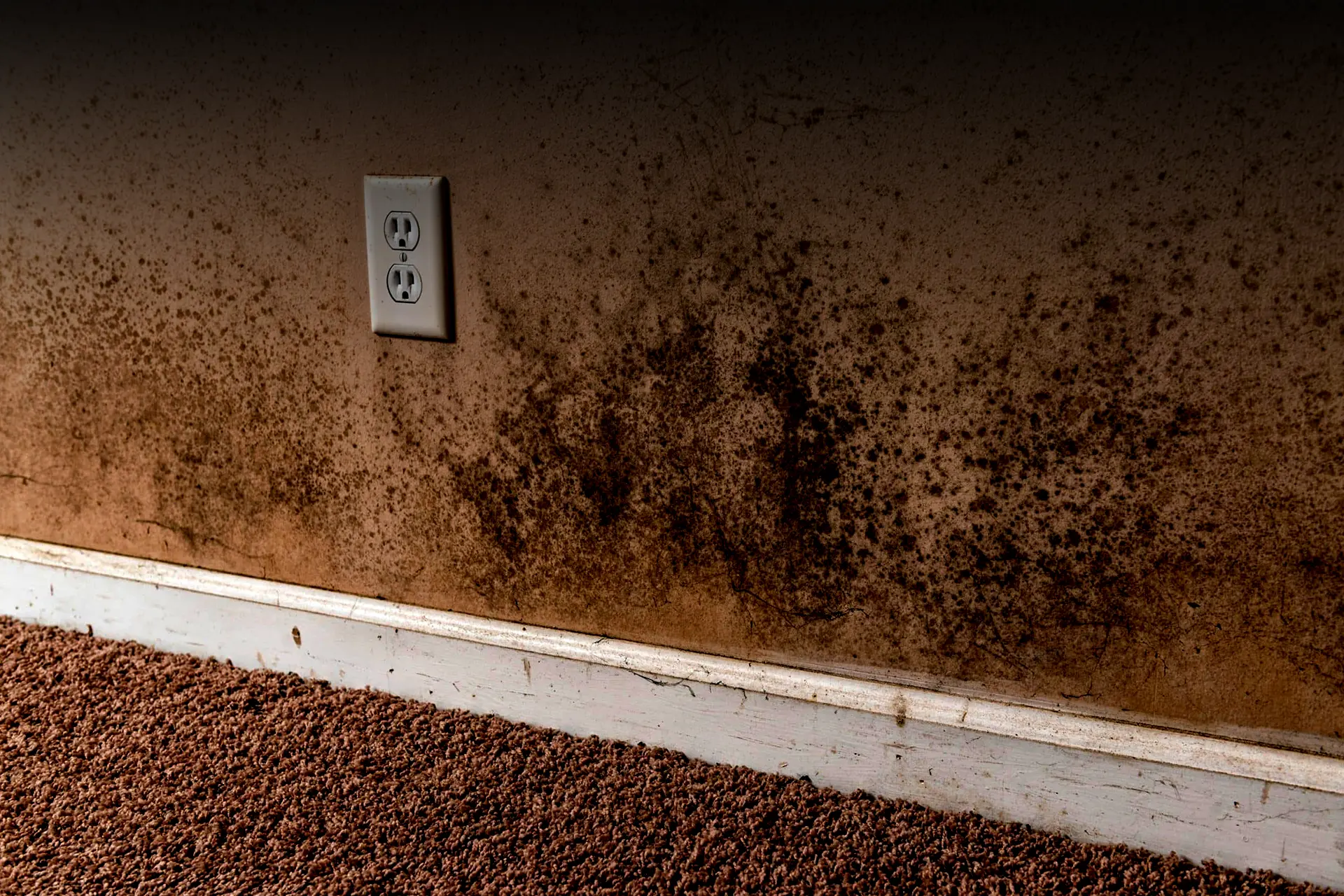
Mold is a type of fungus that reproduces by releasing microscopic spores into the air. These spores are ubiquitous — they are present in virtually every indoor environment at very low concentrations, which is normal and generally harmless. The problem begins when moisture is introduced to an organic substrate and spores land on that substrate and begin to germinate. Under the right conditions — moisture, warmth, and organic material — mold colonies can establish themselves within 24 to 48 hours and begin producing the mycotoxins and allergens that create health and property problems.
There are thousands of mold species, but those most commonly found in water-damaged buildings include Aspergillus and Alternaria — highly allergenic species that develop infections and allergic diseases; Fusarium, which grows rapidly in damp environments and can cause a range of infections in humans; Mucor, a filamentous fungus that causes the serious group of infections known as mucormycosis; and Stachybotrys chartarum, commonly known as black mold, which is typically associated with flooding and sewage events and is among the most serious mold species in terms of health impact.
What Causes Mold Growth in Buildings
Every mold problem in a building has a moisture source. Without moisture, mold cannot grow. The most common sources of the moisture that leads to mold growth in Southern Illinois and St. Louis homes and businesses include water intrusion from roof leaks, window leaks, and foundation cracks; flooding from storms, river overflow, sewer backup, and sump pump failure; plumbing failures including burst pipes, leaking supply lines, and appliance overflows; condensation from HVAC systems, particularly around improperly insulated ductwork or near poorly ventilated air handlers; and persistent high indoor humidity in areas like basements, crawlspaces, laundry rooms, and bathrooms with inadequate ventilation.
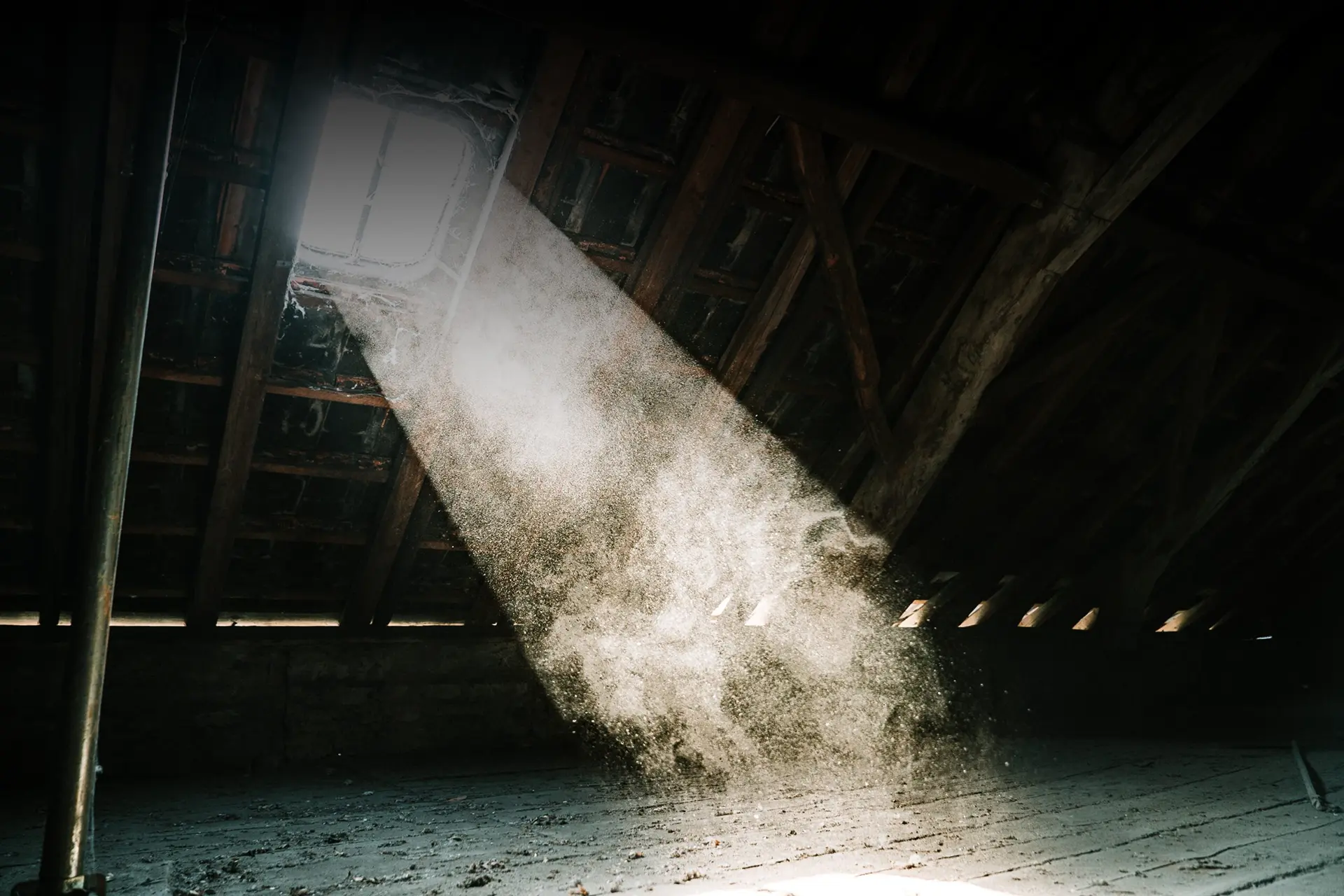
In many cases, mold is discovered long after the moisture event that caused it — sometimes weeks, months, or even years later. A slow roof leak that saturates attic insulation may not be noticed until mold has colonized a significant portion of the attic framing. A pipe that has been dripping inside a wall cavity may go undetected for months before mold becomes visible at a seam or discoloration appears on a wall surface.
Health Risks of Mold Exposure
The health risks associated with mold exposure are well-documented and serious. Mold produces allergens — substances that trigger allergic reactions in sensitive individuals — as well as mycotoxins, which are toxic compounds that can cause adverse health effects in anyone exposed, regardless of pre-existing sensitivities. Common symptoms of mold exposure include nasal congestion, sneezing, and runny nose; coughing, wheezing, and shortness of breath; eye irritation; skin rashes; headaches and fatigue; and worsening of asthma symptoms. A particularly striking statistic: research indicates that 96% of people with chronic sinus infections are attributable to overexposure to mold.
For individuals with compromised immune systems, mold exposure can lead to serious systemic infections. For children and the elderly, who are particularly vulnerable, even moderate mold exposure in a home environment represents a significant health concern. Mold damage is never a problem to simply live with or address gradually — it requires prompt, professional remediation.
Why DIY Mold Removal Is Dangerous
Consumer mold products and DIY approaches to mold removal are not appropriate for significant mold infestations — and attempting them can actually make the problem worse. Mold colonies release spores when disturbed. Scrubbing, blasting, or removing mold-infected materials without proper containment protocols causes those spores to become airborne throughout the property, potentially spreading the infestation to previously unaffected areas and exposing occupants and workers to concentrated spore levels.
Proper mold remediation requires establishing physical containment barriers using polyethylene sheeting and negative air pressure to prevent cross-contamination; wearing full personal protective equipment including N95 or P100 respirators, eye protection, and disposable coveralls; using HEPA-filtered air scrubbers to capture airborne spores; applying EPA-registered antimicrobial agents that actually kill mold rather than bleach, which kills surface mold but does not penetrate porous materials; and properly disposing of mold-contaminated materials in sealed bags.
The All Clean Restoration Mold Remediation Process
All Clean Restoration’s mold remediation process begins with a thorough assessment to identify all areas of mold growth and, critically, to identify and address the moisture source that is feeding the mold. Remediation without addressing the moisture source is ineffective — mold will return. Once the source is identified and controlled, the remediation process includes containment setup, personal protection for all workers, HEPA air scrubbing, removal of mold-contaminated materials, treatment of affected surfaces with EPA-registered antimicrobials, and post-remediation verification testing to confirm that the remediation was successful.
All Clean Restoration provides both mold removal and complete mold remediation services — addressing not just the visible mold but the underlying cause, ensuring a permanent resolution rather than a temporary fix.
📞 Illinois: 618-235-3202 | Missouri: 314-454-0442 | allcleanrestoration.com 24/7 Mold Emergency Response — Complete Remediation — Free Estimates
Recent Blog Articles:

Water Damage Under Your Cabinets, and How Pro Drying Saves Them

Can You Live in Your House During Mold Remediation?

Slab Leaks: The Hidden Water Damage Under Your Floor

How Long Does Water Damage Restoration Take?
All Clean Restoration's Other Services
Whether water, mold, fire, or smoke causes damage to your home or business, the effects are heartbreaking and often life-changing. We at All Clean Restoration understand the devastation and pain these events can cause. We also understand that quick and proper action is crucial to prevent further damage, red tape, and cost.

Licensed | Bonded | Insured