LICENSED | BONDED | INSURED
618-235-3202
More Than a Bad Smell: The Science of Smoke Damage Removal

If you've been devastated by water, mold, fire, and/or smoke damage, know that your cherished possessions, your home or business, can all be restored to pre-damage condition; bringing back your peace of mind.
Whether water, mold, fire, or smoke causes damage to your home or business, the effects are heartbreaking and often life-changing. We at All Clean Restoration understand the devastation and pain these events can cause. We also understand that quick and proper action is crucial to prevent further damage, red tape, and cost.
Call us any time, day or night:
1-800-4223944
Related Topics:
Smoke damage from a fire is perhaps the most traumatic event a property owner can experience. Even once the red trucks have pulled away and the flames are extinguished, a secondary, invisible clock begins to tick. While the fire causes the immediate destruction, it is the smoke and soot that often cause the most pervasive, long-term damage to the structure and its contents.
To the untrained eye, smoke is just a cloud of gray or black vapor. To the restoration professional, smoke is a complex, acidic chemical cocktail that requires a scientific approach to neutralize. If handled incorrectly, the “ghost” of a fire can haunt a building for years in the form of persistent odors and degrading materials.
The Chemistry of Smoke and Soot
Smoke is the result of incomplete combustion. When materials like wood, plastic, fabric, and electronics burn, they don’t just disappear; they change state into microscopic particles, gases, and aerosols. These particles are incredibly small—often between 0.1 and 4 microns. To put that in perspective, a human hair is about 70 microns wide.
Because these particles are so small, they can penetrate almost any porous surface in your home. Even more concerning is the chemical nature of soot. Because most modern homes contain a high volume of synthetic materials (plastics, foams, and treated fabrics), the smoke produced is highly acidic. When this acidic soot settles on a surface, it begins a chemical reaction that can cause permanent “etching” or yellowing within minutes.
The Four Types of Soot
Every fire is different, and the type of soot left behind dictates the cleaning method. At All Clean Restoration, we categorize smoke damage into four primary types:
- Dry Smoke: Usually the result of a fast-burning, high-oxygen wood or paper fire. The soot is powdery and relatively easy to clean if addressed quickly.
- Wet Smoke: This occurs from low-heat, smoldering fires (like a fire that starts in a couch or mattress). It is thick, black, and extremely “sticky” or greasy. It smears easily and is notoriously difficult to remove without specialized solvents.
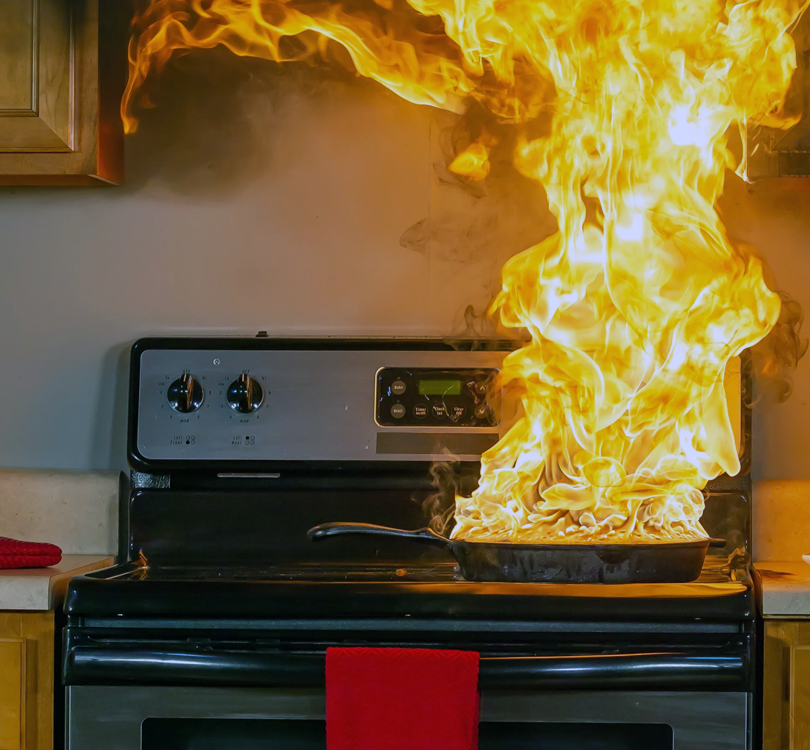
- Protein Soot: Often the result of a kitchen fire where meat or oils have burned. This soot is almost invisible, but the odor is incredibly pungent and permanent. It can discolor paints and varnishes if not treated clinically.
- Fuel Oil Soot: Specifically related to “puff-backs” from a furnace or boiler. This oily soot covers everything in a fine, black film that requires industrial-grade degreasers.
The Timeline of Corrosion
Time is your greatest enemy following a smoke event. Here is how smoke damage progresses:
- Within Minutes: Acidic soot begins to yellow plastics and discolor highly porous materials like marble or alabaster.
- Within Hours: The acid begins to etch the finish on kitchen appliances, tarnishes silver, and permanently stains grout and bathroom fixtures.
- Within Days: Wall paint begins to yellow permanently. Metal surfaces (like doorknobs and faucets) start to pit and corrode. Wood furniture may require full refinishing as the smoke oils penetrate the varnish.
- Within Weeks: The cost of restoration skyrockets. At this point, many items that could have been saved are now “total losses” because the acidic soot has caused deep structural or aesthetic failure.
Hidden Paths: Where Smoke Hides
The most common mistake people make after a fire is cleaning only what they can see. Smoke behaves like a gas; it expands into cool areas and high-pressure zones.
- The HVAC System: Your air ducts act as a highway for smoke. If the furnace or AC was running during the fire, soot has been deposited throughout your entire ductwork system. Every time you turn on your air, you are re-contaminating your home.
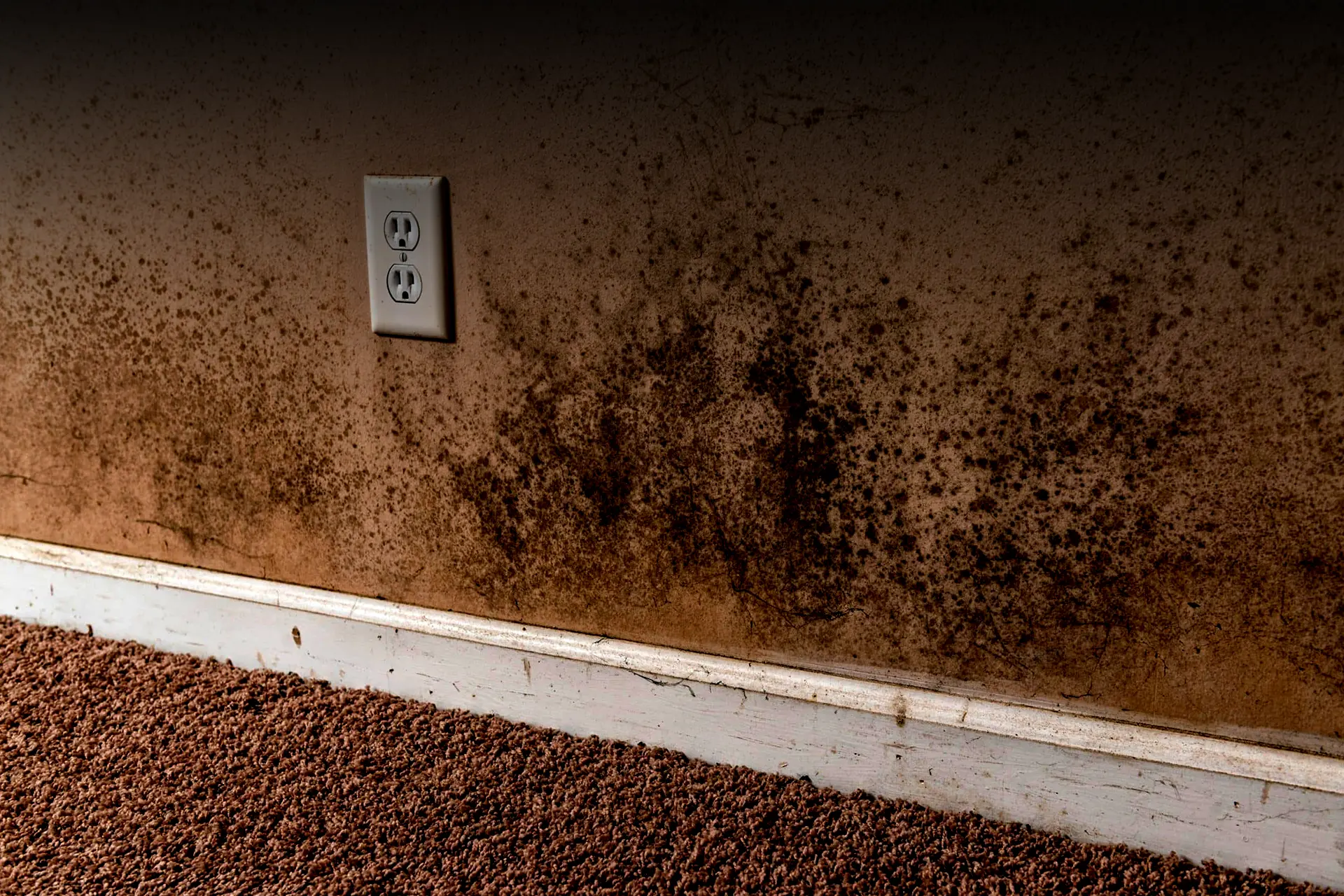
- Wall Cavities: Smoke travels through electrical outlets and light fixtures, settling inside your walls. This is why a room can smell like smoke months after it has been painted.
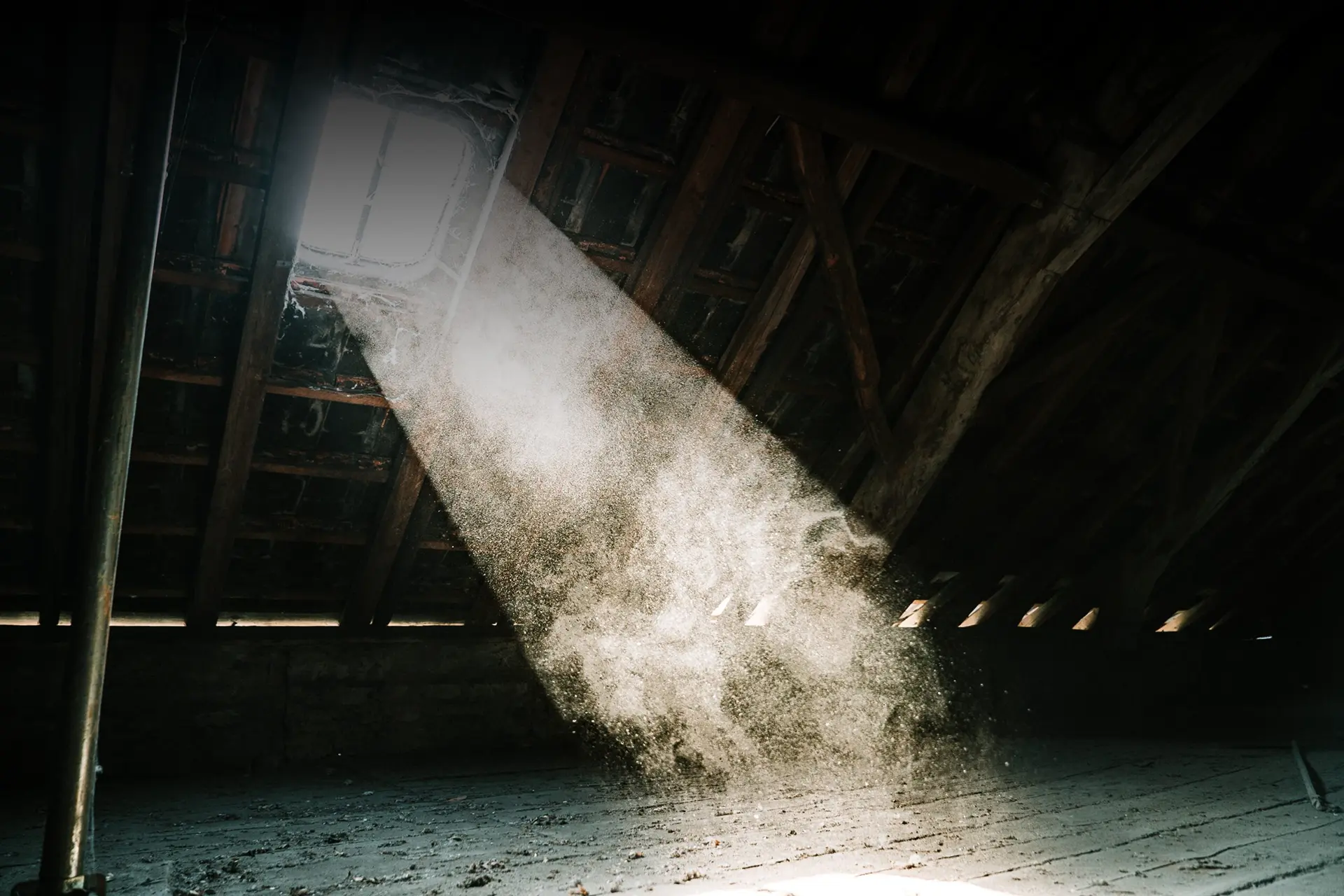
- Attic Insulation: Because heat rises, smoke often collects in the attic. Blown-in insulation acts as a giant filter, trapping smoke odors that will eventually seep back down into the living space.
The All Clean Restoration Process: Beyond the Surface
We don’t just “wipe down” walls. All Clean Restoration uses a multi-phased approach to ensure your property is clinically clean.
- HEPA Vacuuming: Before any liquid cleaners are used, we use industrial HEPA vacuums to remove “dry” soot. Using a liquid cleaner first on dry soot can actually push the particles deeper into the surface, creating a permanent stain. 2. Specialized Chemical Sponges: We use dry-cleaning sponges that lift soot off surfaces using molecular attraction rather than abrasion. 3. Ozone and Hydroxyl Technology: To tackle the odor, we use Ozone generators and Hydroxyl machines. These devices change the molecular structure of the odor-causing particles, effectively “killing” the smell rather than just masking it with perfumes. 4. Textile and Content Recovery: Through professional cleaning and deodorization, we can often save clothing, drapery, and upholstered furniture that a homeowner might assume is ruined.
Conclusion: Trust the Professionals
A fire is a trauma, but the restoration doesn’t have to be. With over 45 years of experience in Illinois and Missouri, All Clean Restoration has seen every type of fire imaginable. We provide a formal, clinical, and transparent process to help you navigate the path from “ash” to “home.”
If your home or business has suffered smoke or fire damage, don’t wait for the corrosion to set in. Call us today for a professional assessment.
- Illinois: 618-235-3202
- Missouri: 314-454-0442
Recent Blog Articles:

The Hidden Stress of DIY Mold Removal

The Ticking Clock: Why Your Home Can’t Wait 24 Hours After Water Damage

The Hidden Dangers of Winter Water Damage After the Storm

Frozen Pipes and Ice Dams: What to Do When Water Damages Your Home or Business
All Clean Restoration's Other Services
Whether water, mold, fire, or smoke causes damage to your home or business, the effects are heartbreaking and often life-changing. We at All Clean Restoration understand the devastation and pain these events can cause. We also understand that quick and proper action is crucial to prevent further damage, red tape, and cost.

Licensed | Bonded | Insured