LICENSED | BONDED | INSURED
618-235-3202
Restoration or Mitigation: What’s the Difference

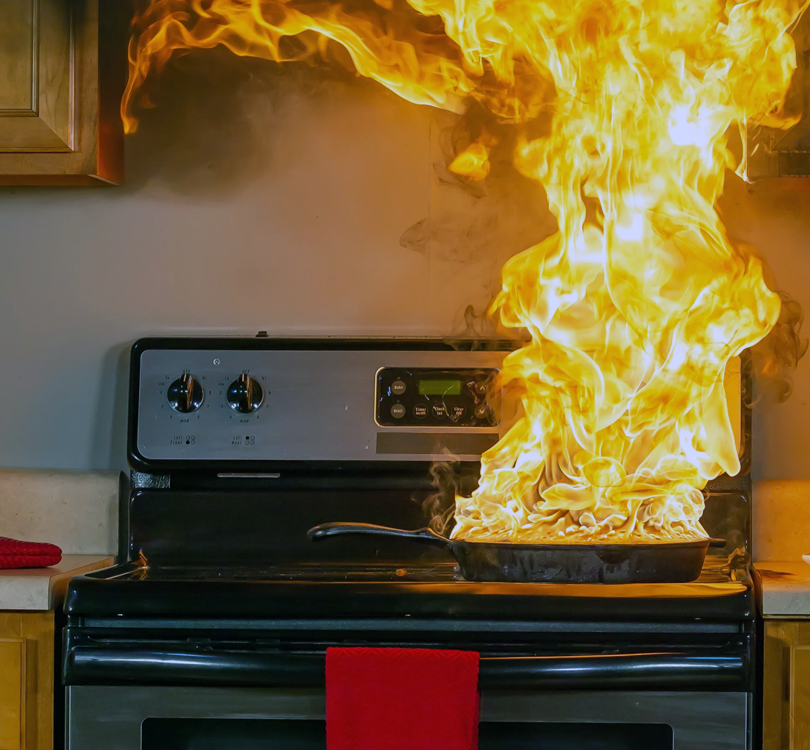
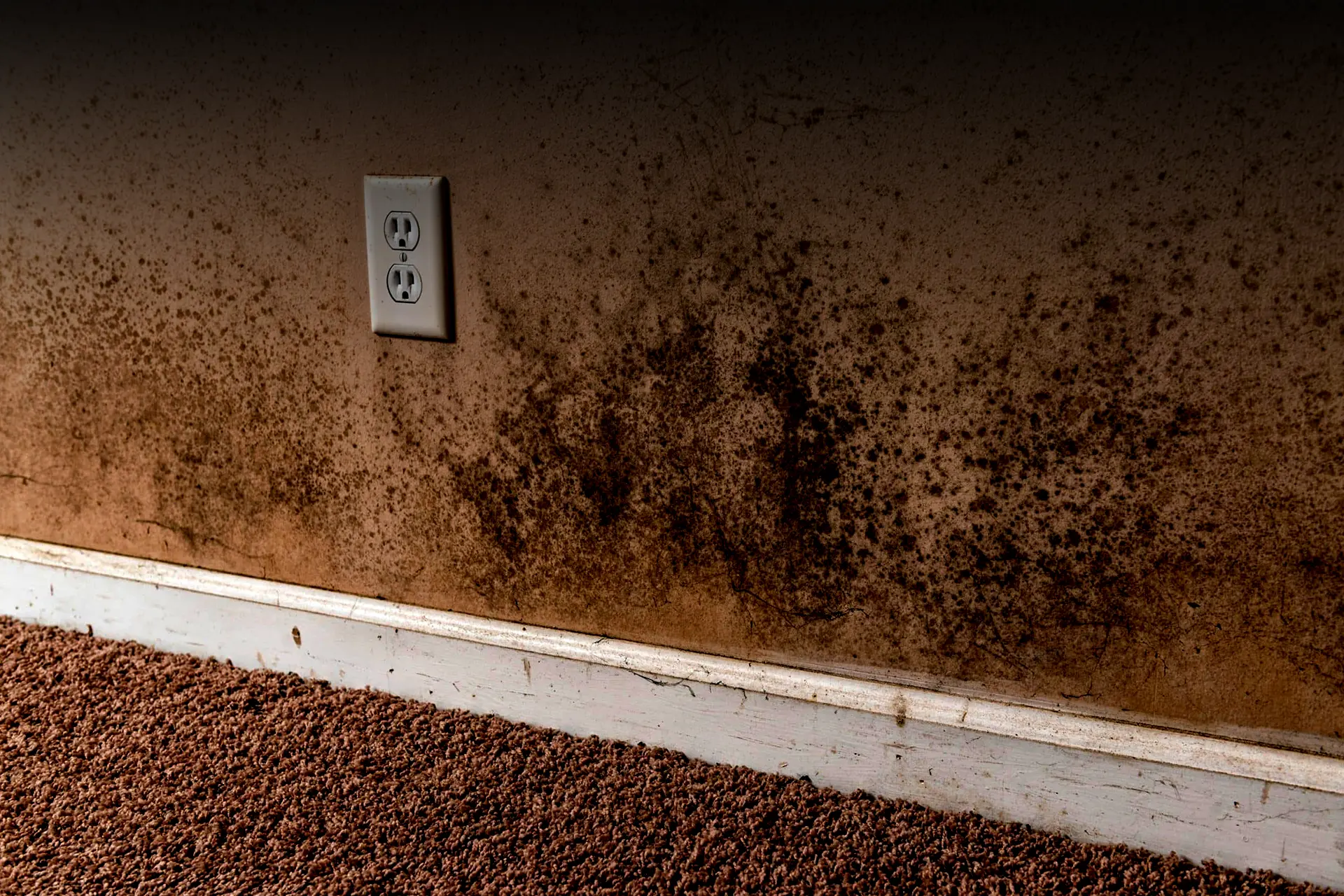
If you've been devastated by water, mold, fire, and/or smoke damage, know that your cherished possessions, your home or business, can all be restored to pre-damage condition; bringing back your peace of mind.
Whether water, mold, fire, or smoke causes damage to your home or business, the effects are heartbreaking and often life-changing. We at All Clean Restoration understand the devastation and pain these events can cause. We also understand that quick and proper action is crucial to prevent further damage, red tape, and cost.
Call us any time, day or night:
1-800-4223944
Related Topics:
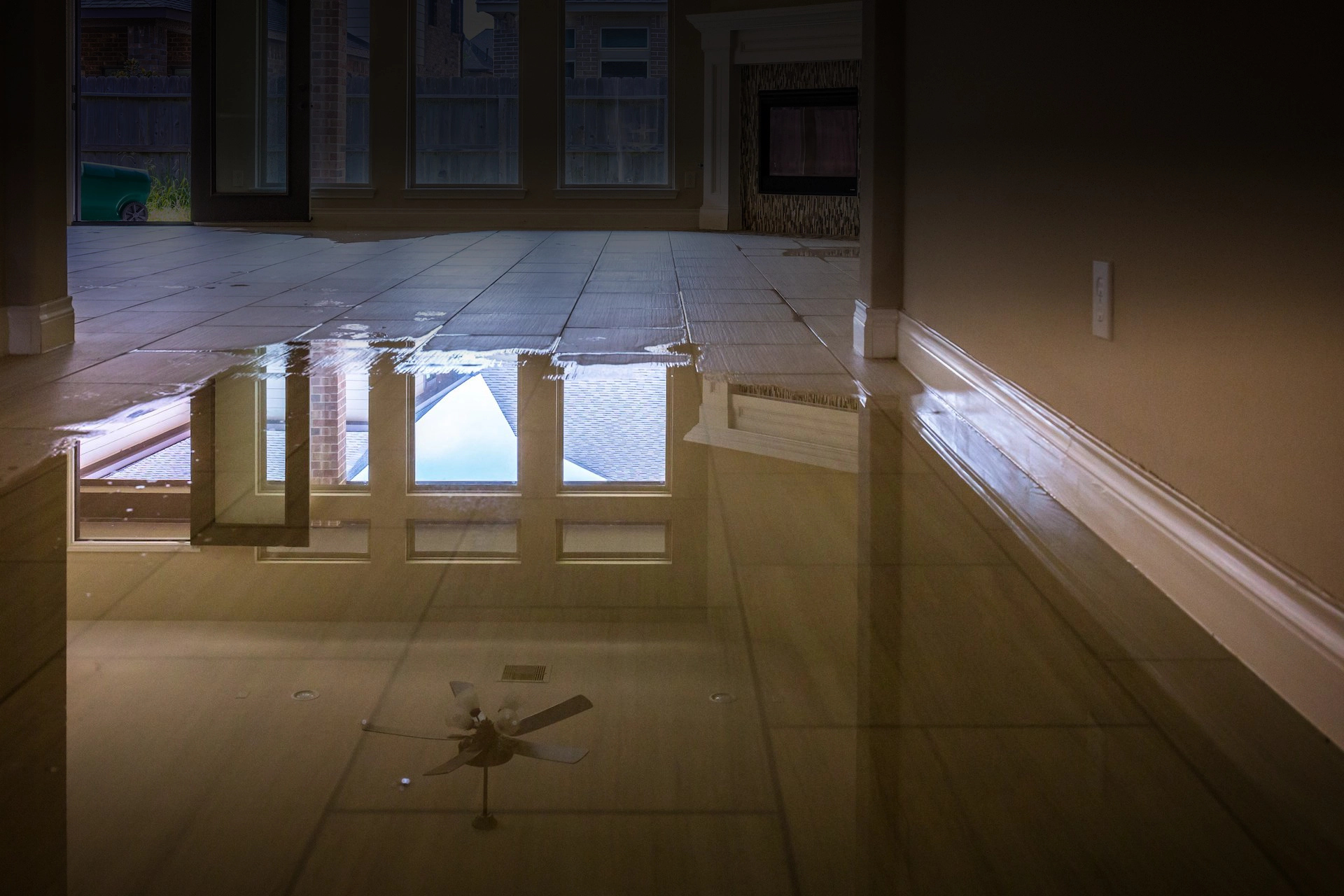
When disaster strikes your home or business, every second counts. Whether you are dealing with a burst pipe, a flash flood, or the aftermath of a fire, fast action is the key to minimizing loss.
At All Clean Restoration, we know that the recovery process hinges on two critical phases: mitigation and water restoration. While these terms are often used interchangeably, they serve very different purposes. Understanding the distinction helps you know exactly what to expect as we return your property to its original state.
What is Mitigation in Disaster Recovery?
Mitigation is the “emergency room” phase of disaster recovery. It is the first and most urgent step taken to stabilize your property and prevent further water damage from spreading.
The goal of mitigation is to stop the destruction in its tracks. If you wait too long to mitigate, a small leak can turn into a structural failure or a massive mold infestation. Our crews focus on:
-
Water Extraction: Using commercial-grade pumps and vacuums to remove standing water immediately.
-
Demolition of Saturated Materials: Removing ruined drywall, soaked insulation, and unsalvageable flooring.
-
Professional Drying: Using industrial dehumidifiers and air movers to pull moisture out of the air and structure.
-
Disinfection: Treating surfaces to prevent mold growth and bacteria buildup.
-
Securing the Site: Boarding up windows or tarping roofs to protect the interior from the elements.
What is Property Water Restoration?
Once your property is dry, stable, and safe, the water restoration phase begins. This is where we shift from “stopping the damage” to “rebuilding the beauty.”
Restoration focuses on bringing your home or business back to its pre-loss condition. This phase requires skilled craftsmanship and a keen eye for detail. Depending on the extent of the water damage, restoration may include:
-
Structural Repairs: Rebuilding walls, hanging new drywall, and repairing roof structures.
-
Finish Work: Installing new flooring, painting, and replacing ceilings.
-
Odor Neutralization: Using advanced technology to ensure no “musty” smells remain.
-
Final Testing: Confirming that moisture levels have returned to normal and the environment is healthy.
-
Content Recovery: Restoring furniture, electronics, and personal belongings to their former state.
How Mitigation and Restoration Work Together
Think of mitigation and restoration as two halves of a whole. Without immediate mitigation, the damage will continue to grow, leading to astronomical repair costs. Without professional restoration, your property remains a construction zone that is uninhabitable or unsafe.
All Clean Restoration provides a seamless transition between these two phases. We respond 24/7 to handle the emergency mitigation, then stay by your side through the final coat of paint. By managing the entire process, we ensure better communication, faster timelines, and a smoother insurance claims process.
Why Choose All Clean Restoration?
Disasters don’t stick to a schedule. A pipe can burst at midnight, or a storm can hit on a holiday. Having a trusted partner who understands the science of water restoration is essential for protecting your investment.
We are committed to more than just fixing buildings; we are committed to restoring your peace of mind. From the initial extraction to the final walkthrough, our team ensures your property is safe, dry, and beautiful once again.
Has your property suffered water damage? Contact All Clean Restoration today for 24/7 emergency service.
Recent Blog Articles:

Wet Insulation After a Leak: Repair or Replace?

How Much Does Mold Remediation Cost in Southern Illinois?

Storm Damage Emergency Board-Up and Tarping

Why Smoke Smell Keeps Coming Back After a Fire
All Clean Restoration's Other Services
Whether water, mold, fire, or smoke causes damage to your home or business, the effects are heartbreaking and often life-changing. We at All Clean Restoration understand the devastation and pain these events can cause. We also understand that quick and proper action is crucial to prevent further damage, red tape, and cost.

Licensed | Bonded | Insured