LICENSED | BONDED | INSURED
618-235-3202
Sewage Backup Cleanup: The Most Dangerous Water Damage You Can Face

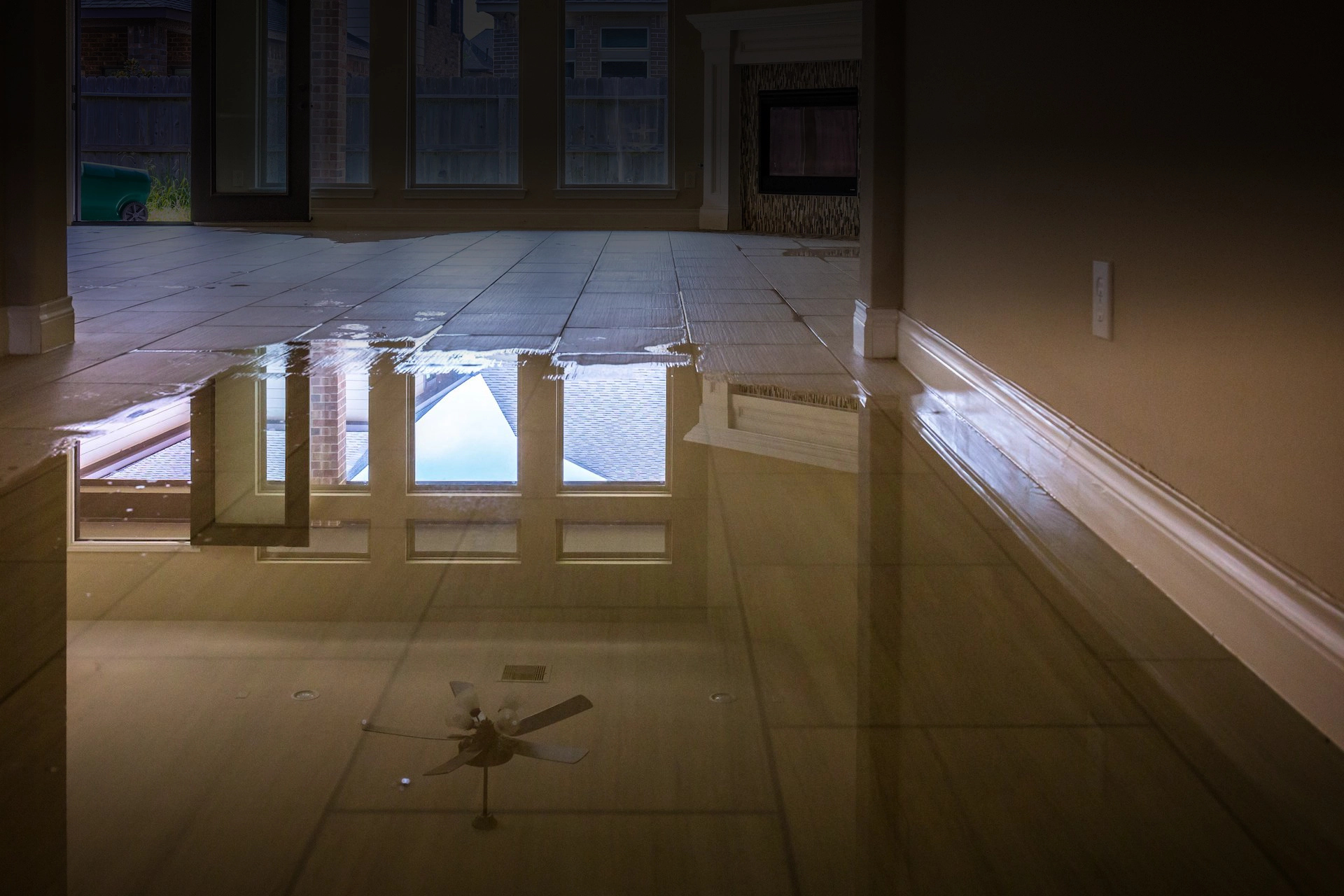
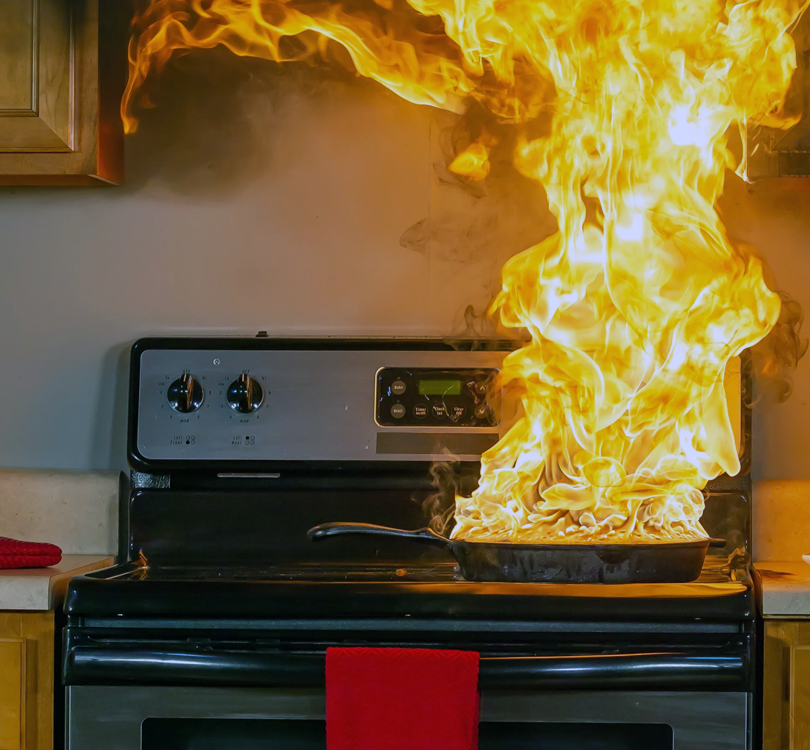
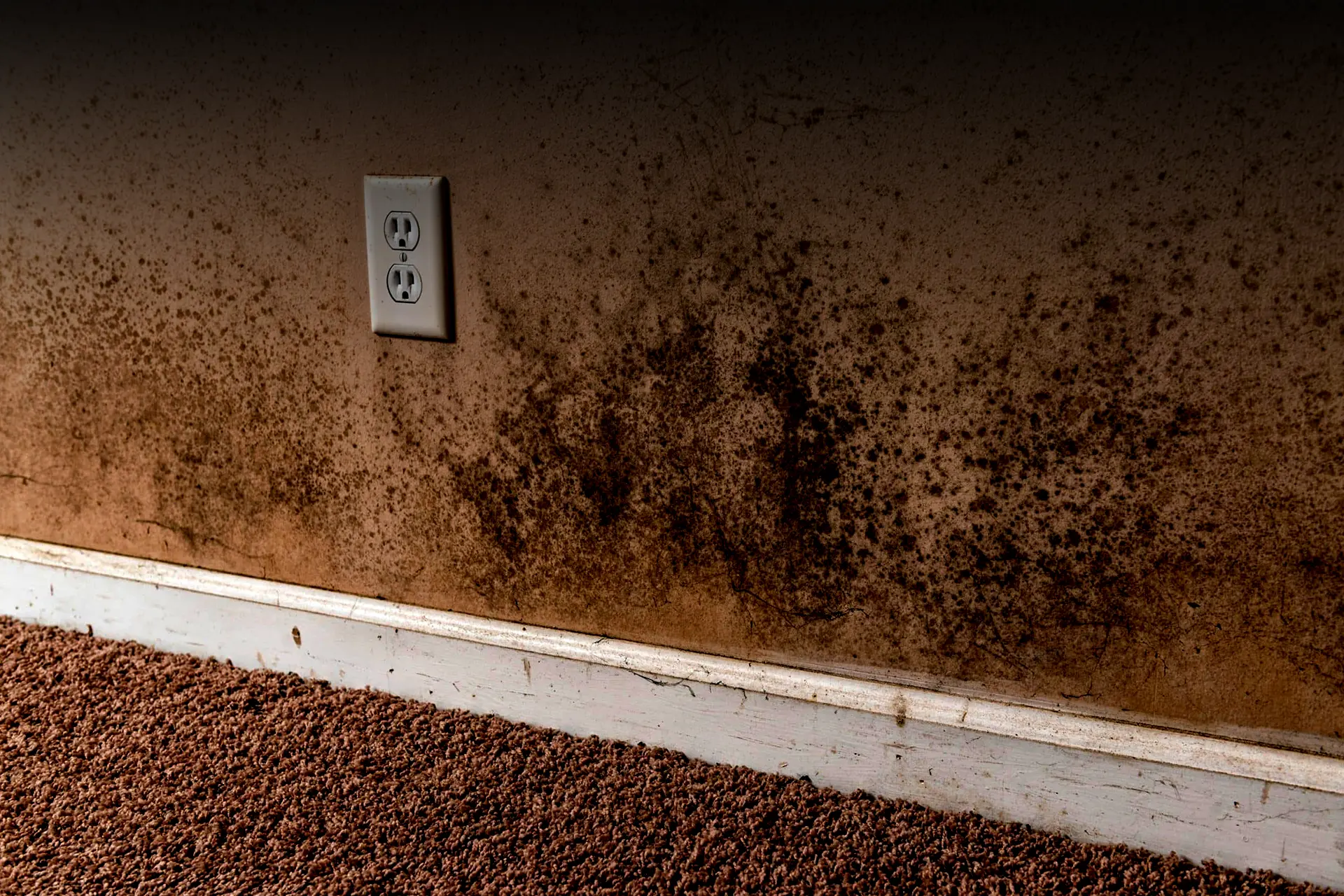
If you've been devastated by water, mold, fire, and/or smoke damage, know that your cherished possessions, your home or business, can all be restored to pre-damage condition; bringing back your peace of mind.
Whether water, mold, fire, or smoke causes damage to your home or business, the effects are heartbreaking and often life-changing. We at All Clean Restoration understand the devastation and pain these events can cause. We also understand that quick and proper action is crucial to prevent further damage, red tape, and cost.
Call us any time, day or night:
1-800-4223944
Related Topics:
Not all water damage is the same. A burst supply line that floods your kitchen with clean water is a serious emergency — but a sewer backup that floods your basement with raw sewage is in a category of danger entirely its own. Sewage backup cleanup is one of the most hazardous remediation scenarios that exists — and one of the most frequently botched when homeowners attempt to address it themselves.
At All Clean Restoration, sewage backup cleanup is handled with the full safety protocols, equipment, and training that Category 3 (black water) contamination demands. Here’s why professional handling is not optional in these situations.
What Makes Sewage Water So Dangerous
Sewage — regardless of its source — contains a mixture of pathogens that pose serious, immediate health risks. The CDC and EPA both classify sewage as a significant public health hazard due to the presence of:
- Bacteria: E. coli, Salmonella, and many other harmful bacteria can cause severe gastrointestinal illness, infection, and in some cases life-threatening complications
- Viruses: Hepatitis A, norovirus, and rotavirus can survive in sewage and on contaminated surfaces
- Parasites: Cryptosporidium and Giardia can cause serious intestinal illness, particularly in children and immunocompromised individuals
- Mold: The warmth, organic content, and moisture of sewage create exceptionally favorable conditions for rapid mold growth
- Toxic gases: Sewage environments can produce hydrogen sulfide, methane, and other gases that are hazardous or potentially explosive in confined spaces
Exposure to sewage-contaminated water — even through skin contact, inhalation of aerosols, or touching contaminated surfaces and then touching your face — can cause serious illness. This is not hyperbole. This is why the IICRC’s S500 standard mandates specific personal protective equipment, containment protocols, and disposal procedures for Category 3 water events.
Why Sewage Backups Happen in Southern Illinois
Sewer backups are particularly common in the Belleville, IL and Metro East area due to several factors:
Aging municipal infrastructure: Much of Southern Illinois’s sewer infrastructure dates to the mid-20th century or earlier. During heavy rain events, these systems can be overwhelmed, forcing sewage back up through floor drains and basement toilets.
Combined sewer overflow systems: Many municipalities in the region have older combined sewer systems that handle both stormwater and sewage in the same pipes. During heavy rains, these systems frequently surcharge — pushing sewage back into homes connected to them.
Root infiltration: Tree roots infiltrating sewer lateral lines can create blockages that cause backup into the home.
Grease accumulation: Accumulation in the sewer lateral can create blockages, particularly in older homes.
Sump pump discharge to sanitary sewer: Where this improper connection exists, heavy inflow to the sanitary system can accelerate backup events.
What NOT to Do After a Sewage Backup
- Do not enter the flooded area without proper PPE (waterproof boots, gloves, eye protection, N95 or better respirator)
- Do not run your HVAC system — this can spread contaminated aerosols throughout the entire home
- Do not use fans to try to dry the area before extraction and decontamination — fans aerosolize sewage particles and distribute them widely
- Do not clean up sewage yourself with household cleaning products — consumer disinfectants are not formulated or tested for sewage pathogen elimination
- Do not eat, drink, or touch your face in or near the affected area
- Do not allow children or pets near the affected area under any circumstances
The Professional Sewage Backup Cleanup Process
When All Clean Restoration responds to a sewage backup event, our protocol includes:
Technician Protection: Full PPE including Tyvek suits, nitrile gloves, rubber boots, and respiratory protection is worn by all technicians throughout the job.
Containment: Affected areas are isolated from the rest of the structure to prevent cross-contamination.
Extraction and Removal: All standing sewage water is extracted using enclosed extraction equipment. All contaminated materials that cannot be decontaminated — carpet, pad, drywall, insulation — are removed, bagged, and properly disposed of. No contaminated porous material is “cleaned in place.”
Surface Cleaning and Disinfection: All hard surfaces — concrete, tile, metal — are thoroughly cleaned, disinfected with EPA-registered hospital-grade disinfectants, and treated with antimicrobial agents.
Structural Drying: After decontamination, the affected area is dried using commercial equipment to prevent secondary mold growth — a near certainty in sewage scenarios if drying isn’t addressed.
Air Quality Treatment: HEPA air scrubbers remove airborne contaminants, mold spores, and sewage aerosols from the air in the affected space.
Odor Elimination: Industrial hydroxyl generators or thermal fogging are used to eliminate sewage odors from the structure — not mask them.
Don’t Wait — Sewage Backup Gets Worse By the Hour
Every hour that sewage-contaminated water remains in your home, pathogens are spreading to additional surfaces, mold is beginning to grow, and structural materials are being permanently damaged. This is not a situation where “I’ll deal with it in the morning” is a safe option.
All Clean Restoration is available 24/7 for sewage backup emergency response across Southern Illinois and the St. Louis Metro. Call 618-235-3202 immediately — our team will be on-site within 30 minutes.
Recent Blog Articles:

The Hidden Rot: Why Finding Wet Cabinets Is a Homeowner’s Emergency

Don’t Wait! 4 Hidden Dangers of Water Damage Under Your Carpet (And How to Save Your Home Today)

Is Your Attic Hiding a Costly Secret? Water Damage

Seconds Matter: Why Fast Action is the Key to Water Damage Restoration
All Clean Restoration's Other Services
Whether water, mold, fire, or smoke causes damage to your home or business, the effects are heartbreaking and often life-changing. We at All Clean Restoration understand the devastation and pain these events can cause. We also understand that quick and proper action is crucial to prevent further damage, red tape, and cost.

Licensed | Bonded | Insured