LICENSED | BONDED | INSURED
618-235-3202
Sewage Backup? Why You Need All Clean Restoration in Illinois and Missouri

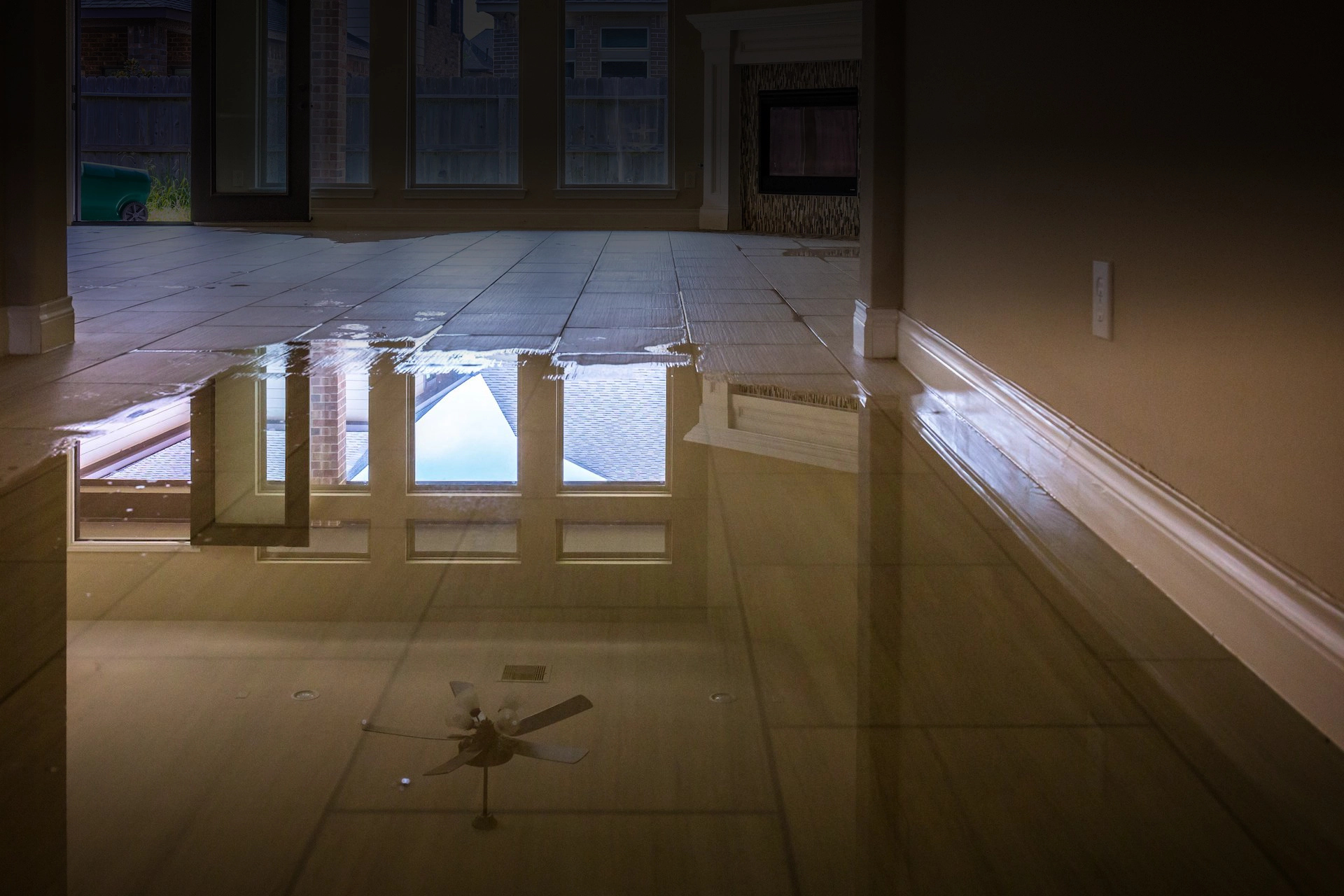
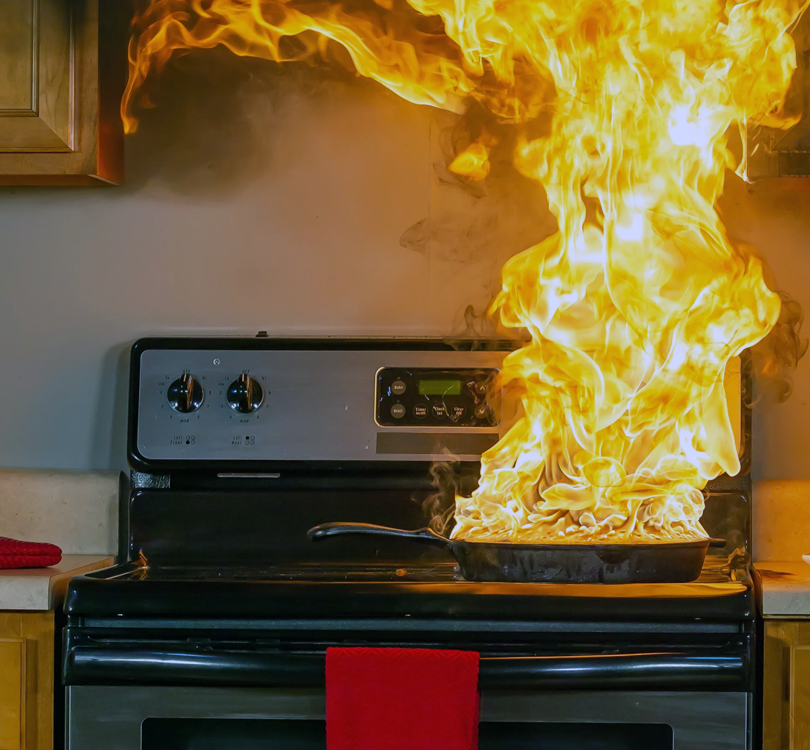
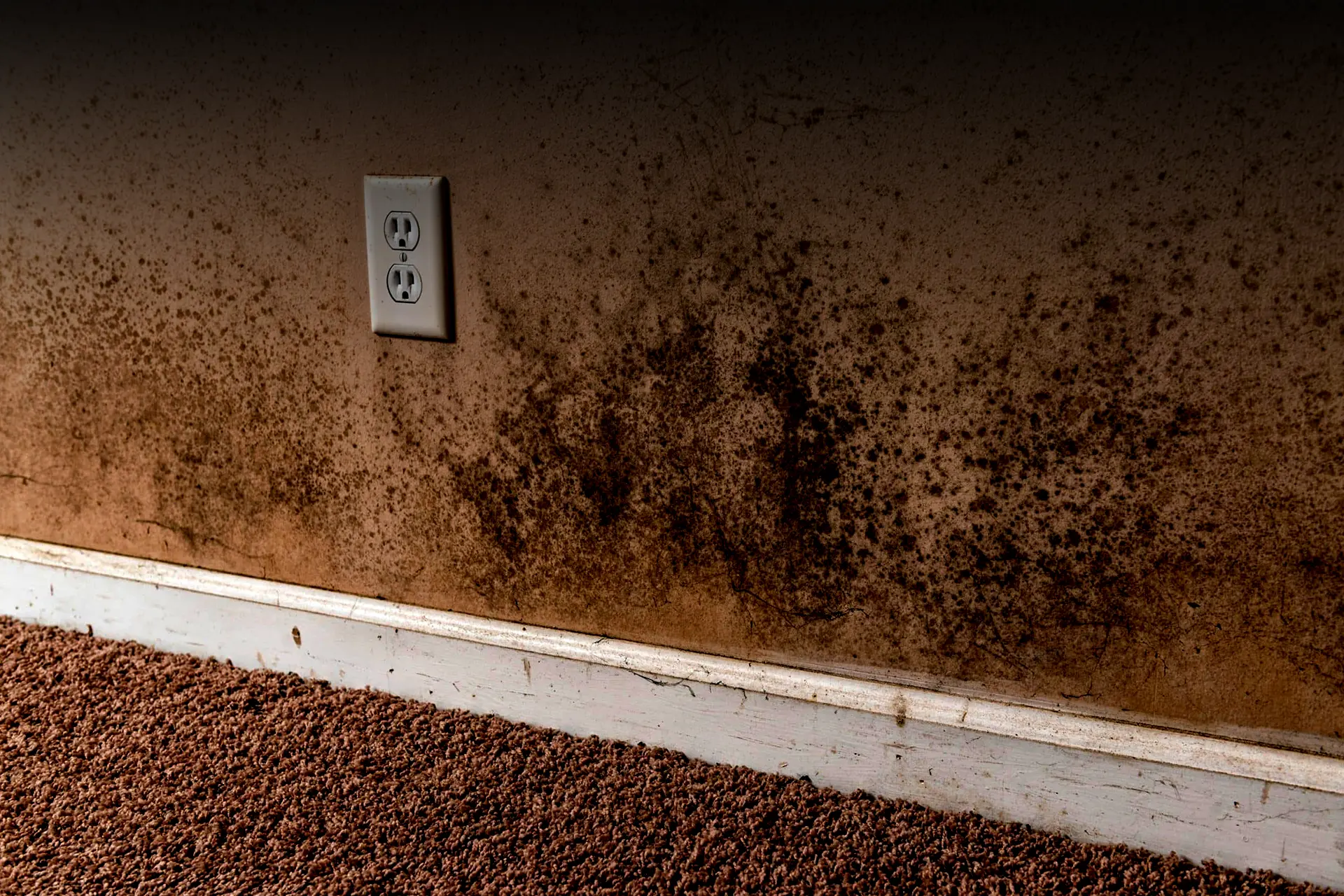
If you've been devastated by water, mold, fire, and/or smoke damage, know that your cherished possessions, your home or business, can all be restored to pre-damage condition; bringing back your peace of mind.
Whether water, mold, fire, or smoke causes damage to your home or business, the effects are heartbreaking and often life-changing. We at All Clean Restoration understand the devastation and pain these events can cause. We also understand that quick and proper action is crucial to prevent further damage, red tape, and cost.
Call us any time, day or night:
1-800-4223944
Related Topics:
Is it truly possible to effectively manage a sewage backup without professional help? For many homeowners in Illinois and Missouri, the answer is a resounding no. Many underestimate the significant health risks and complex cleanup involved. At All Clean Restoration Services, we know that improper assessment and DIY cleanup can escalate the situation quickly, leading to costly long-term repairs and dangerous health hazards.
Before you even think about cleanup, understand this: your well-being comes first. Sewage is classified as Category 3 “Black Water,” meaning it contains harmful bacteria, viruses, and pathogens. When disaster strikes, knowing the right steps is essential, but knowing when to call a professional is vital for true sewage safety and successful property restoration.
Let’s explore the essential steps—and why you should trust our certified team to handle the heavy lifting and high-risk aspects of this disaster.
Key Takeaways: Prioritizing Safety and Professional Help
- Assess and Call Quickly: The minute you discover a sewage backup, stop, ensure safety by identifying hazards (like electrical wiring), and immediately call All Clean Restoration Services to prevent further contamination.
- Protection is Non-Negotiable: Proper protective gear (respirators, specialized suits, heavy-duty gloves) is essential to safeguard against contaminants. We arrive fully equipped.
- Contaminated Materials: Sewage penetrates porous items like drywall and carpeting immediately. These items are biohazards and must be removed and disposed of following strict local regulations—a task best handled by certified cleanup experts.
- Professional Disinfection: Thorough cleaning requires commercial-grade, hospital-level disinfectants and specialized drying equipment that eliminate pathogens and severe odors that household products can’t touch.
- Prevent Future Backups: The cleanup isn’t complete without addressing the cause. We help identify the need for plumbing inspections, backflow prevention, and clear sewer lines to secure your property long-term.
1. Assess the Situation and Ensure Safety (Then Call Us)
Before you take any action, you must first assess the situation to ascertain your safety.
- Contain and Identify Hazards: The first step you can safely take is identifying the source of the backup and turning off any nearby water sources. Look for unstable flooring or exposed electrical wiring—these are immediate, life-threatening hazards. If you spot either, do not proceed and evacuate the area.
- Damage Assessment is Key: Conduct a visual assessment to gauge the extent of the problem. Check for standing water and affected materials. Document the damage with photos; this is critical for insurance claims later.
- When to Call All Clean: If the sewage involves more than a small, contained toilet overflow, or if the water has touched porous materials, the situation is hazardous and overwhelming. Do not hesitate—your well-being comes first. All Clean Restoration is equipped to safely contain and clean Category 3 biohazards.
2. Leave the Protective Gear to the Experts
Protective gear is absolutely essential for safely handling sewage backup cleanup. But household gloves and a face mask are simply not enough for Black Water.
Our certified technicians arrive in full Personal Protective Equipment (PPE), including:
- Heavy-Duty Protective Suits
- Sealed Respirators to protect lungs from aerosolized contaminants and sewage particulates.
- Safety Goggles that shield eyes from splashes.
- Specialized Boots and durable, heavy-duty gloves.
If you don’t have this level of gear, you are placing yourself at an unacceptable health risk.
3. Professional Removal of Contaminated Biohazards
Once sewage contamination occurs, the primary health risk comes from the contaminated materials themselves.
- Porous Material Disposal: Items that have absorbed sewage—like carpets, carpet padding, drywall, upholstery, baseboards, and insulation—are deemed non-salvageable biohazards. They must be removed, bagged, and disposed of properly to minimize exposure and comply with stringent local health regulations in Illinois and Missouri.
- Non-Porous Cleaning: For non-porous materials, like metal or hard plastic, a certified restorer can assess if they can be cleaned and disinfected.
- Documentation for Insurance: Our team meticulously documents all items we are discarding, which is a key step in helping you file a successful insurance claim.
4. Commercial-Grade Cleaning and Disinfection
After removing contaminated materials, the most critical step is the deep cleaning and disinfection of the affected structural elements.
- Specialized Cleaning Solutions: We use industrial-strength cleaning solutions, not just hot water and detergent. We scrub surfaces like concrete and wood subfloors to remove debris and visible contamination.
- Hospital-Grade Disinfecting Methods: To guarantee all harmful microorganisms are eradicated, we apply powerful commercial-grade disinfectants that household bleach solutions simply cannot match. Bleach can actually create harmful fumes and is often ineffective against the complex mix of pathogens found in sewage.
- Drying and Deodorization: Finally, we use industrial fans and dehumidifiers to ventilate and completely dry the area, promoting proper drying within the critical 24 to 72 hour timeline to prevent mold growth and fully reduce residual odors.
5. Prevent Future Sewage Backups
Cleaning the mess is only half the battle. All Clean Restoration can help you secure your home against future incidents.
- Sewer Maintenance and Inspection: We can recommend licensed plumbers for annual inspections to check for potential blockages, pipe damage, and tree root intrusion—a common cause of backups in our service areas.
- Backflow Prevention: We advise on the potential need for installing backflow prevention devices to stop sewage from reversing into your home.
- Daily Habits Matter: Be mindful of what goes down your drains. Never flush grease, ‘flushable’ wipes, feminine hygiene products, or paper towels, as these are the leading causes of home clogs.
Recap: Don’t DIY a Biohazard—Call All Clean
In the aftermath of a sewage backup, your first instinct may be to grab a mop, but your first call should be to All Clean Restoration Services. By prioritizing safety, letting our certified team handle the biohazard cleanup, and taking preventative steps, you can guarantee your home in Illinois or Missouri remains a safe harbor for you and your family.
Call us immediately for safe, professional sewage backup restoration.
Recent Blog Articles:

Your Pipes May Be Freezing Right Now: The $10,000 Mistake Most Homeowners Make This Winter

The Anatomy of a Disaster: How Fast Does Water Damage Spread?

The Hidden Stress of DIY Mold Removal

The Ticking Clock: Why Your Home Can’t Wait 24 Hours After Water Damage
All Clean Restoration's Other Services
Whether water, mold, fire, or smoke causes damage to your home or business, the effects are heartbreaking and often life-changing. We at All Clean Restoration understand the devastation and pain these events can cause. We also understand that quick and proper action is crucial to prevent further damage, red tape, and cost.

Licensed | Bonded | Insured