LICENSED   |   BONDED  |   INSURED

618-235-3202
Smoke and Odor Removal: Refreshing a Home After a Small Kitchen Fire

July 27, 2026
At All Clean Restoration, we specialize in the delicate process of smoke odor removal and soot cleaning. We understand that your kitchen is the center of your home, and we use a formal, clinical approach to ensure it is returned to a fresh, safe, and welcoming state.

If you've been devastated by watermoldfire, and/or smoke damage, know that your cherished possessions, your home or business, can all be restored to pre-damage condition; bringing back your peace of mind.

Whether water, mold, fire, or smoke causes damage to your home or business, the effects are heartbreaking and often life-changing. We at All Clean Restoration understand the devastation and pain these events can cause. We also understand that quick and proper action is crucial to prevent further damage, red tape, and cost.

Call us any time, day or night:

1-800-4223944

Related Topics:

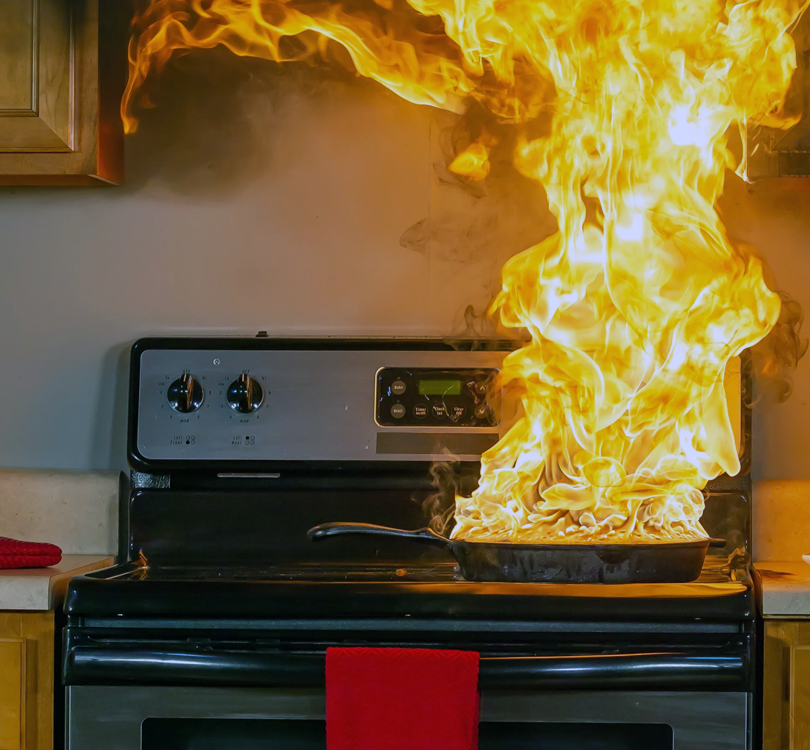
It starts with a forgotten pan on the stove or a toaster that malfunctions. Within seconds, your kitchen is filled with thick, acrid smoke. Even if the fire is small and easily extinguished with a handheld canister, the damage is far from over. A “small” kitchen fire is often a “large” odor and residue problem.

At All Clean Restoration, we specialize in the delicate process of smoke odor removal and soot cleaning. We understand that your kitchen is the center of your home, and we use a formal, clinical approach to ensure it is returned to a fresh, safe, and welcoming state.

The Sticky Nature of “Protein Fires”

Kitchen fires are unique because they often involve “protein” or “grease” fires. When meat or cooking oils burn, they release a fine, mist-like soot that is incredibly sticky. Unlike the “dry” soot from a wood fire, protein soot is almost invisible to the eye but carries a pungent, foul odor that lingers indefinitely.

This residue “grips” onto surfaces. It can hide in the tracks of your cabinets, inside your microwave’s venting system, and even on the blades of your ceiling fans. If you simply paint over it, the oils in the soot will eventually “bleed” through the paint, and the smell will return the first time the weather gets humid.

The All Clean Deodorization Strategy

We don’t believe in “scented” air. We believe in molecular neutralization. Our smoke removal process includes:

  1. Direct Surface Cleaning: We use specialized degreasers to break down the protein film on your walls, cabinets, and countertops.
  2. HVAC Sanitization: Smoke travels through your returns and settles in your ductwork. We ensure your air system is cleaned so you aren’t recirculating “burnt toast” smells every time the heat kicks on.
  3. Ozone and Hydroxyl Treatments: These machines are the gold standard for odor removal. They break apart the carbon molecules that carry the scent of smoke, effectively erasing the “memory” of the fire from your home.

Conclusion: Don’t Live with the Remnants of a Fire

Even a small fire can affect the air quality and comfort of your home. At All Clean Restoration, we bring 45 years of clinical expertise to every kitchen recovery. We’ll get the soot out, the smell gone, and your kitchen back to normal.

If you’ve had a kitchen fire, call All Clean Restoration today for a free estimate on professional deep cleaning and odor removal.

  • Illinois: 618-235-3202
  • Missouri: 314-454-0442


Recent Blog Articles:

Severe weather and storm damage is a fact of life in Southern Illinois and Missouri. The bi-state metro area sits in a region that experiences some of the most climatically diverse and severe weather in the United States: powerful spring and summer thunderstorms with high winds, hail, and torrential rain; periodic tornadoes; winter ice storms and blizzards; and flooding events from the Mississippi and Missouri river systems that can impact communities across the region. When severe weather strikes, homes bear the brunt of the assault — and water is almost always part of the damage.

Storm Damage and Water in Your Home: What to Do When the Weather Wins

Severe weather and storm damage is a fact of life in Southern Illinois and Missouri. The bi-state metro area sits in a region that experiences some of the most climatically diverse and severe weather in the United States: powerful spring and summer thunderstorms with high winds, hail, and torrential rain; periodic tornadoes; winter ice storms and blizzards; and flooding events from the Mississippi and Missouri river systems that can impact communities across the region. When severe weather strikes, homes bear the brunt of the assault — and water is almost always part of the damage.
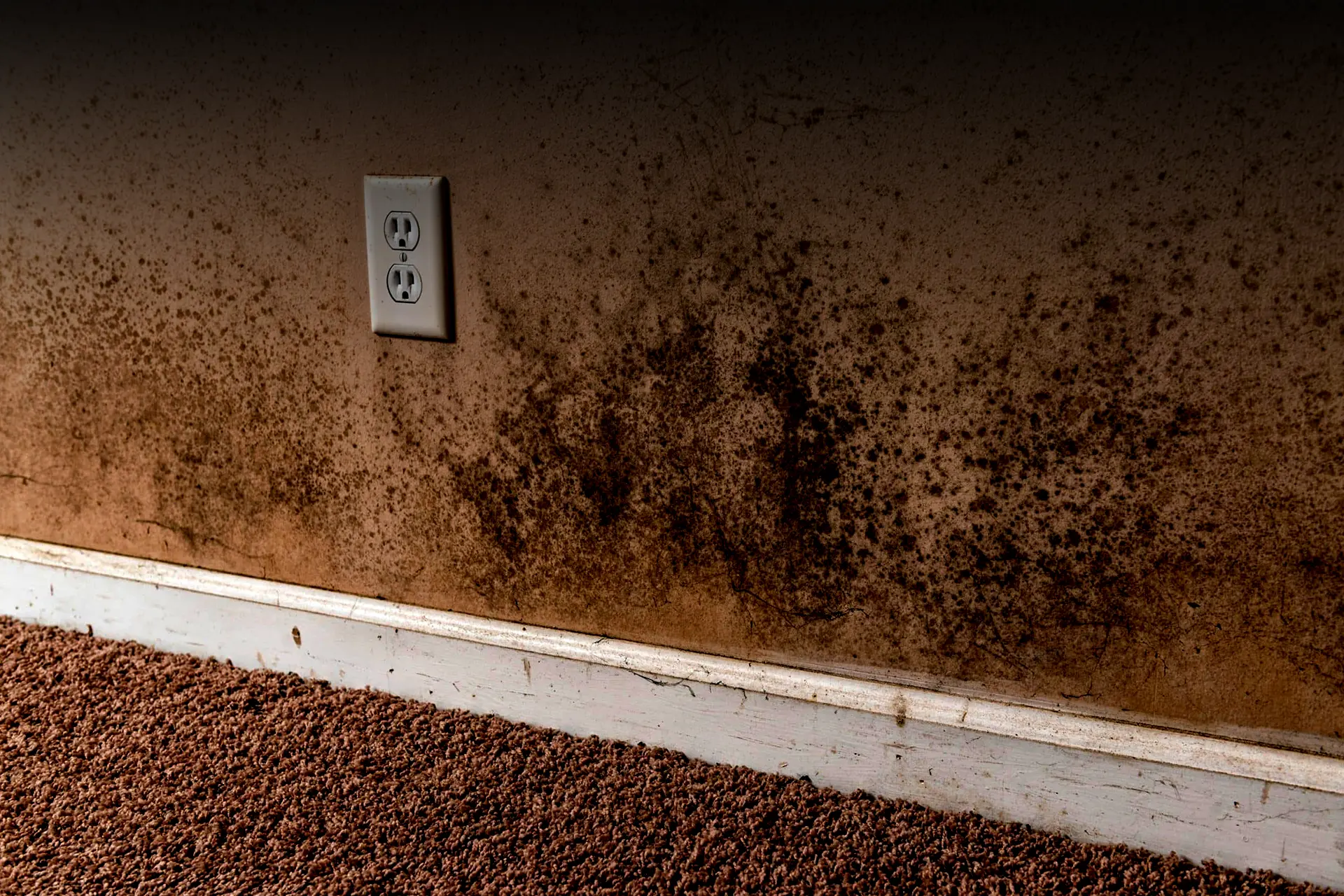
Water in your walls is hidden from view, often undetected for extended periods, and silently causes progressive structural damage and mold growth that can ultimately compromise the integrity of your home and the health of everyone living in it. By the time most homeowners discover water in their walls, significant damage has already occurred — and it could have been prevented or significantly reduced with earlier detection and professional response.

Water in Your Walls: The Silent Destroyer You Can’t Afford to Ignore

Water in your walls is hidden from view, often undetected for extended periods, and silently causes progressive structural damage and mold growth that can ultimately compromise the integrity of your home and the health of everyone living in it. By the time most homeowners discover water in their walls, significant damage has already occurred — and it could have been prevented or significantly reduced with earlier detection and professional response.
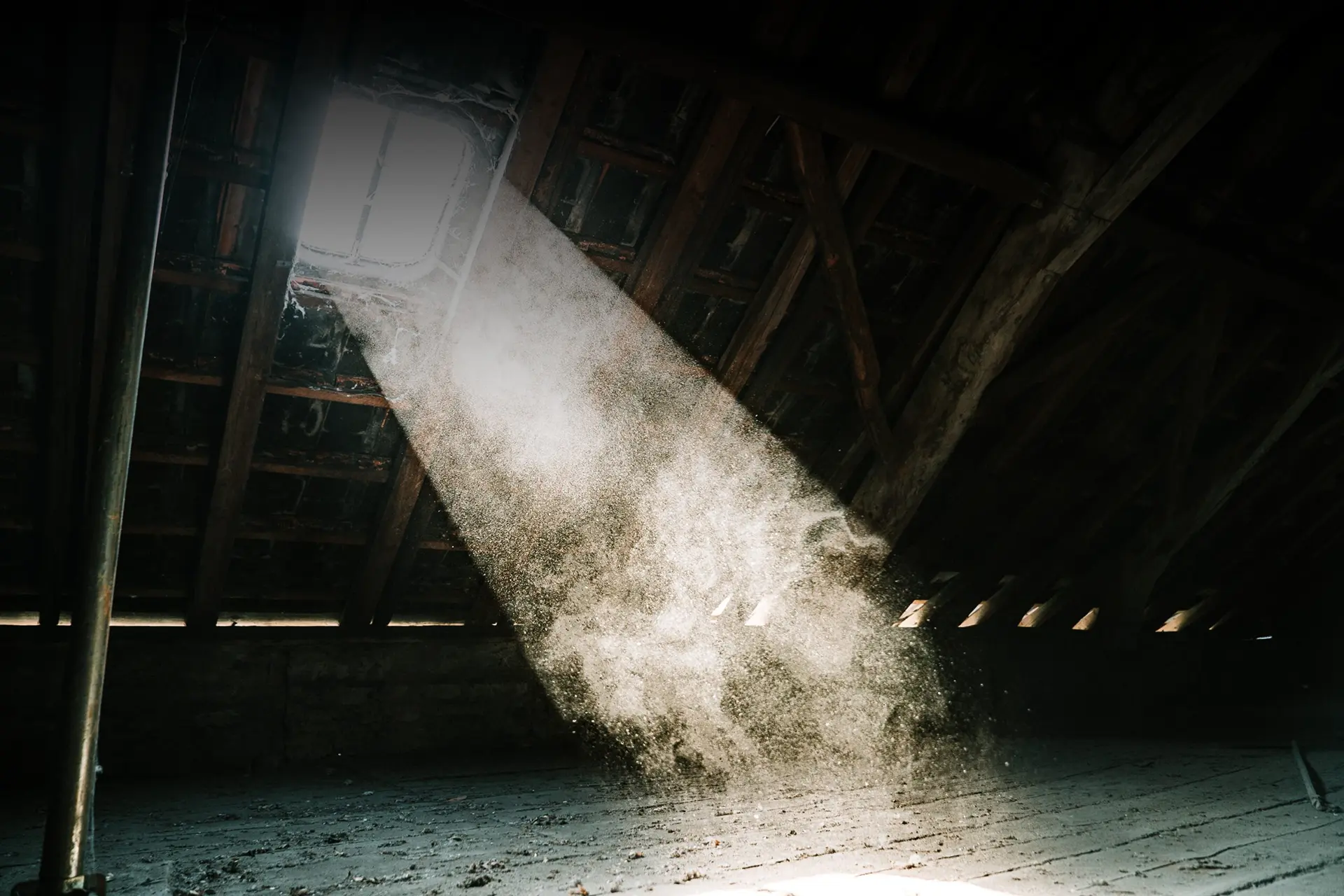
Attic water damage occurs through several distinct pathways. Roof leaks are the most common and most direct: water penetrating a damaged or deteriorated roof system enters the attic at the point of failure and spreads from there. The exact failure point may be a few missing or damaged shingles, failed flashing at a chimney, pipe boot, or ridge cap, ice dam formation at the eaves during winter, or simply the accumulated deterioration of an aging roof system reaching the end of its service life.

Water Damage in Your Attic: Signs, Causes, and What to Do

Attic water damage occurs through several distinct pathways. Roof leaks are the most common and most direct: water penetrating a damaged or deteriorated roof system enters the attic at the point of failure and spreads from there. The exact failure point may be a few missing or damaged shingles, failed flashing at a chimney, pipe boot, or ridge cap, ice dam formation at the eaves during winter, or simply the accumulated deterioration of an aging roof system reaching the end of its service life.
When water damage occurs, most people's first thought is simply to get the water out. And water removal — extraction of standing and surface water — is certainly the critical first action. But water removal alone does not constitute complete water remediation, and understanding the difference between these two concepts is important for any property owner facing a water damage event.

Water Remediation vs. Water Removal: Understanding What Your Property Actually Needs

When water damage occurs, most people's first thought is simply to get the water out. And water removal — extraction of standing and surface water — is certainly the critical first action. But water removal alone does not constitute complete water remediation, and understanding the difference between these two concepts is important for any property owner facing a water damage event.

All Clean Restoration's Other Services

Whether water, mold, fire, or smoke causes damage to your home or business, the effects are heartbreaking and often life-changing. We at All Clean Restoration understand the devastation and pain these events can cause. We also understand that quick and proper action is crucial to prevent further damage, red tape, and cost.

We are honored to help in your time of need.

We are committed to delivering exceptional customer service and restoring homes and businesses to their pre-loss condition. For more than 40 years throughout Southern Illinois, we've prioritized communication with our clients, walking them through the entire restoration process from the moment we arrive to walking back into their restored homes and offices.

618-235-3202

Licensed  |  Bonded  |  Insured