LICENSED | BONDED | INSURED
618-235-3202
Smoke Damage: Why ‘Airing It Out’ Is Never Enough

If you've been devastated by water, mold, fire, and/or smoke damage, know that your cherished possessions, your home or business, can all be restored to pre-damage condition; bringing back your peace of mind.
Whether water, mold, fire, or smoke causes damage to your home or business, the effects are heartbreaking and often life-changing. We at All Clean Restoration understand the devastation and pain these events can cause. We also understand that quick and proper action is crucial to prevent further damage, red tape, and cost.
Call us any time, day or night:
1-800-4223944
Related Topics:
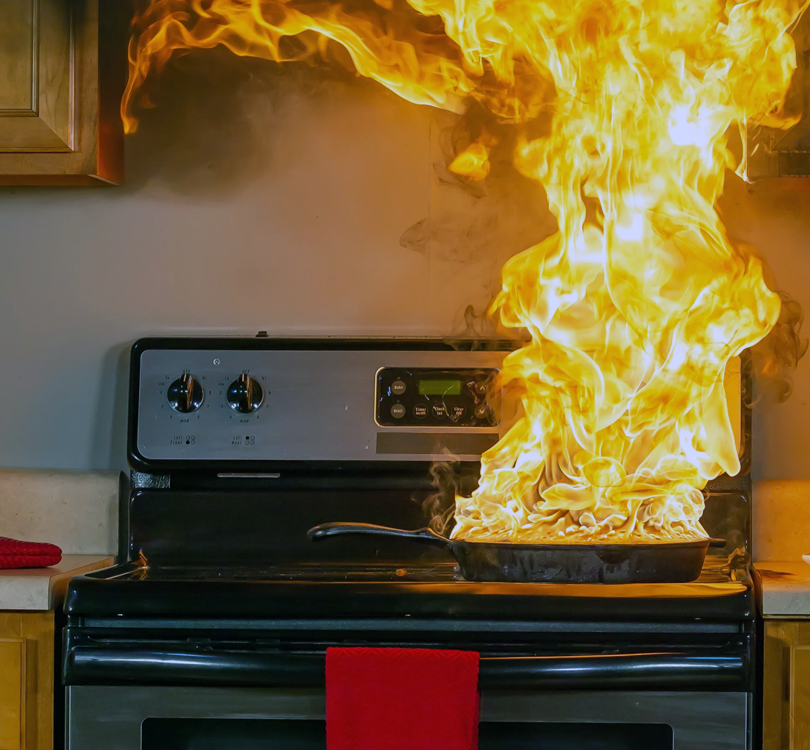
A fire in your home or business is a traumatic experience regardless of scale. Even a small kitchen fire that is quickly extinguished, a fireplace incident, or a fire contained to a single room leaves behind a type of damage that is far more pervasive, persistent, and harmful than most people realize: smoke damage. And unlike water that pools visibly on a floor, smoke damage infiltrates invisibly — permeating fabrics, penetrating walls, depositing toxic residues on every surface in a building, and permanently altering materials at a chemical level if not promptly and professionally addressed.
All Clean Restoration provides comprehensive smoke damage restoration services throughout Southern Illinois and the St. Louis metro area, 24 hours a day, 7 days a week. Understanding what smoke damage actually involves — and why it requires professional treatment — is the first step toward protecting your property and health after a fire event.
What Smoke Damage Actually Is
Smoke is not a single substance — it is a complex mixture of particles, gases, and chemical compounds produced by the incomplete combustion of materials. When a structure fire occurs, smoke consists of fine particles of carbon (soot), combustion gases including carbon monoxide, hydrogen cyanide, and volatile organic compounds, and aerosols from the specific materials that burned — which in a home or business setting can include plastics, synthetic fabrics, wood, paint, insulation, and many other materials, each of which produces its own unique and often toxic combustion byproducts.
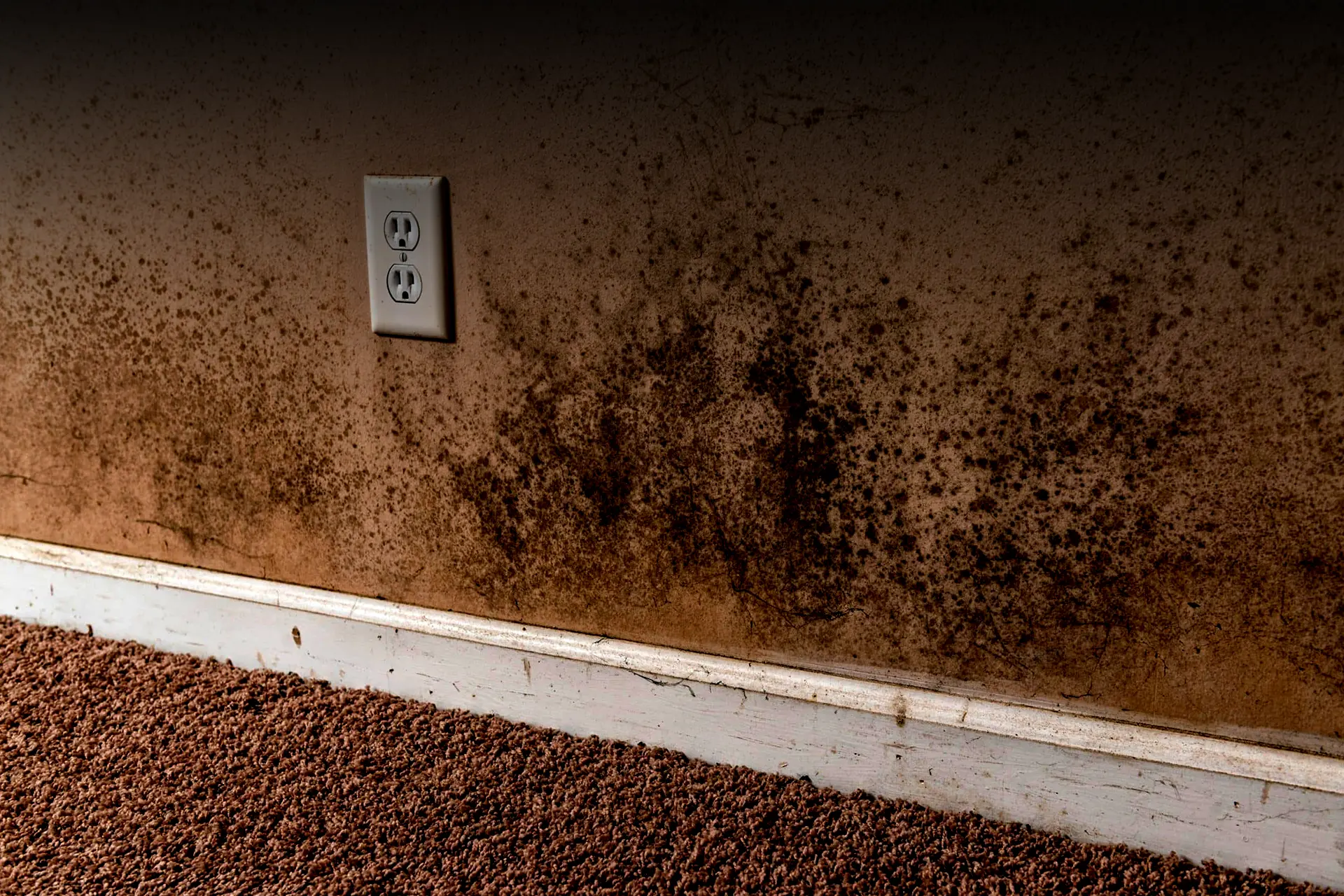
Smoke particles and residues are extremely fine — small enough to penetrate porous materials, travel through HVAC ducts, migrate through wall penetrations, and deposit on surfaces in areas far from the actual fire location. In a typical residential fire, smoke residue is found throughout the entire structure, not just in the rooms directly affected by the flames. In a commercial building, smoke from a fire in one tenant’s space can penetrate shared wall assemblies, travel through common HVAC systems, and deposit residues in adjacent spaces.
The Health Risks of Smoke Residue
Smoke residue is not an aesthetic problem — it is a toxicological one. The soot and chemical compounds deposited by smoke include known and suspected carcinogens, respiratory irritants, and toxic compounds that cause immediate and long-term health effects. Breathing air contaminated with smoke residue particles causes irritation and inflammation of the respiratory tract, exacerbation of asthma and other respiratory conditions, headaches, nausea, and eye and skin irritation. Prolonged exposure to the chemical compounds in smoke residue — particularly those from synthetic materials — carries more serious long-term health risks.
Porous materials that have absorbed smoke residue continue to off-gas these compounds for extended periods after the fire event, meaning that untreated smoke damage creates a persistently contaminated indoor air environment that affects occupants long after the smell has faded. The smell fading is not an indicator that the contamination has diminished — it simply means that you have adapted to the odor level, which remains present and harmful.
Why ‘Airing Out’ Does Not Work
The instinctive response to smoke odor is ventilation — open the windows, run fans, let fresh air in, and the smell will eventually go away. This approach is insufficient for several reasons. First, ventilation does not remove the smoke residue that has deposited on every surface, penetrated fabrics and porous materials, and been absorbed into drywall, wood, and insulation. Those deposits continue to off-gas and re-contaminate the air regardless of how much ventilation is provided. Second, the chemical compounds in smoke residue undergo ongoing reactions with water vapor, oxygen, and other compounds in the air, producing secondary contamination products that add to the health risk over time. Third, smoke residue is acidic and continues to chemically etch and damage surfaces it has deposited on, degrading finishes, corroding metals, and staining materials progressively more permanently the longer it is left untreated.
Professional Smoke Damage Restoration
All Clean Restoration’s smoke damage restoration process begins with a comprehensive assessment using thermal imaging and air quality testing to determine the full extent of smoke penetration and contamination throughout the property. This assessment drives a restoration plan that addresses every affected area and material type.
Smoke residue removal involves mechanical cleaning of all surfaces using dry chemical sponges, wet cleaning agents, and specialized cleaning compounds formulated for specific types of smoke residue. Porous materials that cannot be fully cleaned — heavily smoke-saturated drywall, soft furnishings, insulation — are removed and replaced. HVAC systems are inspected, cleaned, and if necessary, have ductwork replaced to prevent smoke residue from being redistributed throughout the building every time the system runs.
Odor elimination is addressed through thermal fogging — a process that uses the same physical behavior as smoke (fine particle penetration) to deliver deodorizing agents deep into the same materials that smoke has penetrated — and ozone treatment, which chemically neutralizes odor-causing compounds. These are professional processes that achieve results no consumer odor eliminator can approach.
All Clean Restoration’s smoke damage restoration services include complete content restoration — cleaning smoke residue from furniture, electronics, clothing, documents, photographs, and sentimental items to restore them to pre-loss condition wherever possible.
📞 Illinois: 618-235-3202 | Missouri: 314-454-0442 | allcleanrestoration.com 24/7 Smoke & Fire Damage Restoration — Free Estimates — Insurance Claim Assistance
Recent Blog Articles:

Cupping, Buckling, and Stains: Can Your Water-Damaged Hardwood Floor Be Saved?

Smoke and Odor Removal: Refreshing a Home After a Small Kitchen Fire

Water Damage Categories Explained: Why Not All Water Removal & Cleanup Is the Same

The Silent Culprits: Water Heater, Washing Machine, and Appliance Leaks
All Clean Restoration's Other Services
Whether water, mold, fire, or smoke causes damage to your home or business, the effects are heartbreaking and often life-changing. We at All Clean Restoration understand the devastation and pain these events can cause. We also understand that quick and proper action is crucial to prevent further damage, red tape, and cost.

Licensed | Bonded | Insured