LICENSED | BONDED | INSURED
618-235-3202
Sump Pump Failure and Basement Flooding: What Every Illinois Homeowner Should Know

If you've been devastated by water, mold, fire, and/or smoke damage, know that your cherished possessions, your home or business, can all be restored to pre-damage condition; bringing back your peace of mind.
Whether water, mold, fire, or smoke causes damage to your home or business, the effects are heartbreaking and often life-changing. We at All Clean Restoration understand the devastation and pain these events can cause. We also understand that quick and proper action is crucial to prevent further damage, red tape, and cost.
Call us any time, day or night:
1-800-4223944
Related Topics:
In the Midwest, the sump pump is the unsung hero of the basement. It sits quietly in its pit, year after year, and most homeowners never think about it—until the night a heavy storm rolls through, the power flickers, and that quiet little pump fails at the exact moment it’s needed most. By morning, the basement is under several inches of water.
If your basement floods, you’re not alone. Across Southern Illinois and the St. Louis metro, sump pump failures are one of the most common causes of basement water damage we respond to at All Clean Restoration. The good news: most failures are preventable, and a fast response can save your floors, walls, and belongings.
Why Sump Pumps Fail (Usually at the Worst Possible Time)
Sump pumps tend to fail for a handful of predictable reasons:
- Power outages. Storms that bring the most rain often knock out the power that runs the pump—a brutal combination.
- Overwhelmed capacity. A pump rated for normal flow can’t keep up with a flash flood or rapid snowmelt.
- Mechanical failure. Pumps have a lifespan of about 7–10 years. A stuck float switch or burned-out motor leaves the pit unprotected.
- Clogs and debris in the pit or discharge line.
- Frozen or blocked discharge pipes in winter, which send water right back into the basement.
Prevention: Protect the Pump Before the Storm
A little maintenance goes a long way:
- Test your pump regularly. Pour a bucket of water into the pit and confirm it kicks on and drains.
- Install a battery backup pump—the single best defense against power-outage flooding.
- Consider a water-powered backup as a secondary fail-safe.
- Keep the pit clear of gravel, mud, and debris.
- Check the discharge line runs well away from your foundation and isn’t clogged or frozen.
- Replace aging pumps proactively rather than waiting for them to die mid-storm.
For more whole-home protection, see our guide to 15 water-damage prevention steps.
Your Basement Just Flooded. Here’s What to Do.
- Stay safe. Never enter a flooded basement if water may be in contact with electrical outlets, appliances, or the panel. If in doubt, shut off power at the meter from a dry location or call an electrician.
- Identify the water type. Clean water from a supply line is one thing; water that’s traveled through soil or backed up from a sewer is contaminated and needs professional handling. (If it’s sewage, read our guide on sewage backup cleanup—it’s the most hazardous water damage you can face.)
- Call for emergency extraction immediately. The 24-hour clock to mold growth starts the moment water settles.
- Document everything for your insurance claim before moving items.
Why Basements Are Mold Magnets
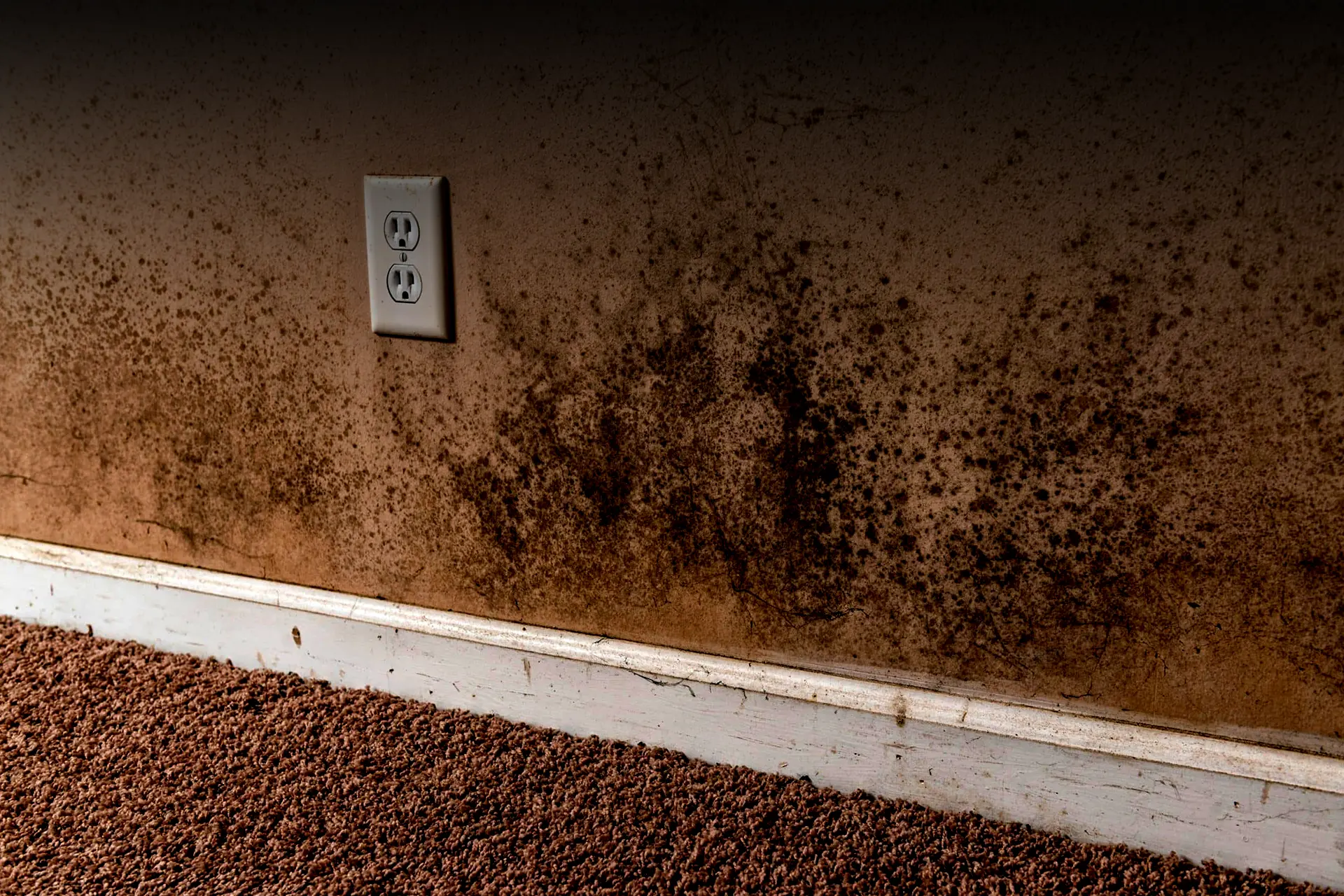
Basements are the perfect storm for microbial growth: low light, poor airflow, and naturally high humidity. When floodwater soaks into drywall, carpet padding, and stored cardboard, mold can begin colonizing within 24–48 hours. That’s why a “surface dry” basement is so deceptive—the concrete and framing can stay saturated long after the floor looks dry.
Professional water damage restoration addresses this with truck-mounted extraction, industrial LGR dehumidifiers that pull moisture from the air and the concrete, and hospital-grade antimicrobials. If your carpet was soaked, our carpet and rug drying service can often save it. And if mold has already taken hold, our mold removal and remediation team will contain and eliminate it safely—protecting your family’s health.
Don’t Let a Flooded Basement Become a Bigger Problem
From Collinsville and Granite City to Belleville, Columbia, and across to St. Louis, All Clean Restoration responds to basement flooding 24/7 with a 30-minute response time. Check our service area to confirm we cover your community.
Call All Clean Restoration when your basement floods:
- Illinois: 618-235-3202
- Missouri: 314-454-0442
- Se Habla Español: 618-792-3633
Or contact us online for a free estimate. The faster we extract, the more we can save.
Recent Blog Articles:

Emergency Water Removal: The 30-Minute Window That Determines Everything

What Is Water Remediation — And Why It’s Not the Same as Just Drying Things Out

Hardwood Floor Water Damage: Can Your Floors Be Saved?

Attic Mold: The Result of Failed Roof Repairs and Poor Venting
All Clean Restoration's Other Services
Whether water, mold, fire, or smoke causes damage to your home or business, the effects are heartbreaking and often life-changing. We at All Clean Restoration understand the devastation and pain these events can cause. We also understand that quick and proper action is crucial to prevent further damage, red tape, and cost.



Licensed | Bonded | Insured