LICENSED | BONDED | INSURED
618-235-3202
The 24-Hour Rule: Why Immediate Water Remediation Saves Your Home

If you've been devastated by water, mold, fire, and/or smoke damage, know that your cherished possessions, your home or business, can all be restored to pre-damage condition; bringing back your peace of mind.
Whether water, mold, fire, or smoke causes damage to your home or business, the effects are heartbreaking and often life-changing. We at All Clean Restoration understand the devastation and pain these events can cause. We also understand that quick and proper action is crucial to prevent further damage, red tape, and cost.
Call us any time, day or night:
1-800-4223944
Related Topics:
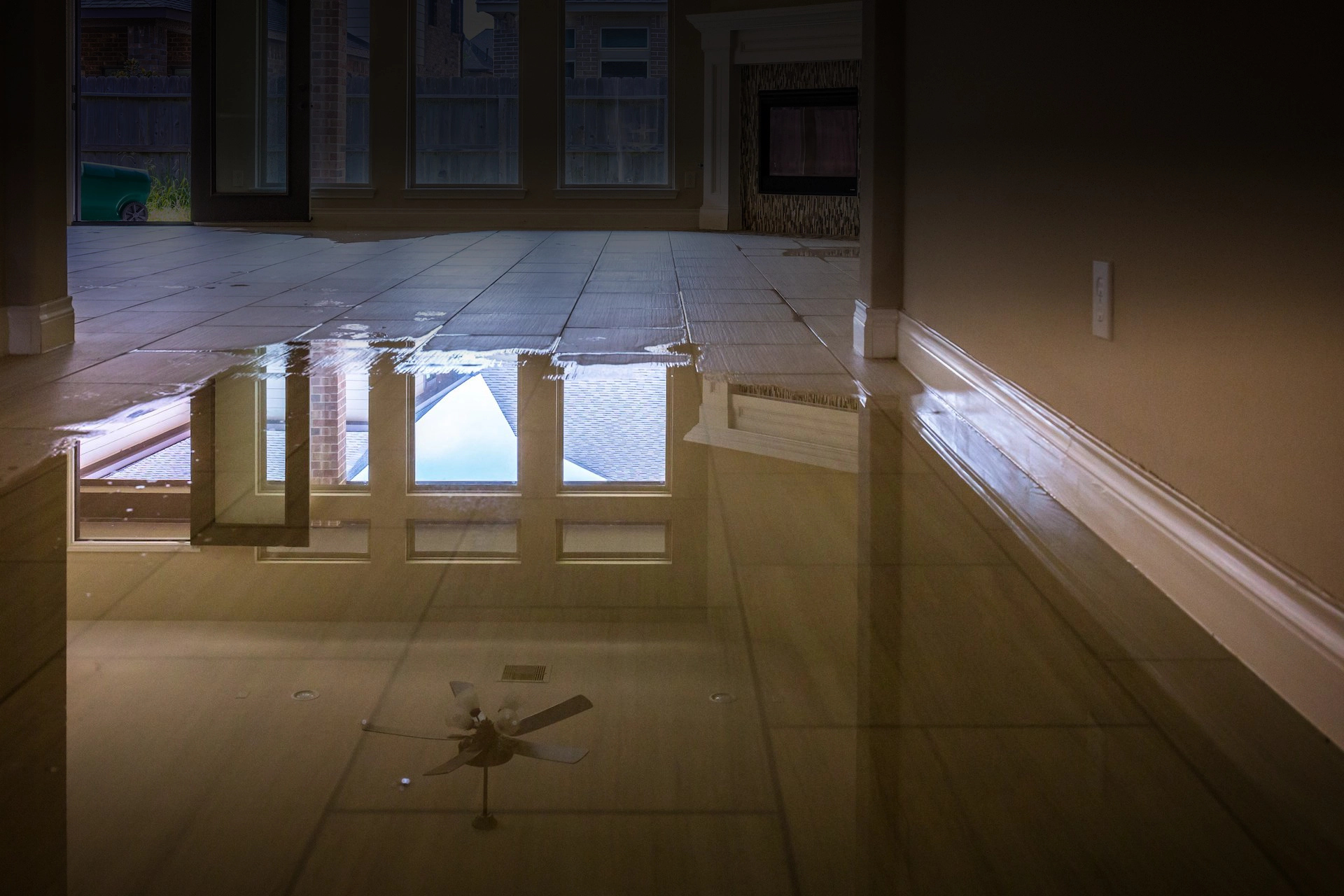
The sound of rushing water where there shouldn’t be any is a sound that every homeowner dreads. Whether it’s the sudden burst of a washing machine hose, a sump pump failure during a Missouri thunderstorm, or a frozen pipe that finally gives way in the dead of an Illinois winter, the immediate reaction is usually a mix of panic and frustration. However, once the initial shock wears off, a much more dangerous element comes into play: time.
In the restoration industry, we live by the “24-Hour Rule.” This isn’t just a marketing slogan; it is a biological and structural deadline. The decisions you make in the first day following a water intrusion will determine whether your home requires a simple dry-out or a massive, five-figure reconstruction project involving mold remediation and structural repairs.
The Immediate Response: The First 60 Minutes
Before we even get to the 24-hour mark, the “Golden Hour” of water damage is about safety and containment. Water and electricity are a lethal combination. If you can safely access your circuit breaker without standing in water, shut off power to the affected areas. Next, locate the main water shut-off valve. Every member of a household should know where this is located—usually in the basement near the water meter or in a crawlspace.
Once the “flow” has stopped, the clock starts. Water is not a static threat; it is a solvent and a vehicle. It immediately begins to dissolve adhesives in flooring, swell the pressed wood in your furniture, and saturate the gypsum in your drywall.
The Science of the 24-Hour Threshold
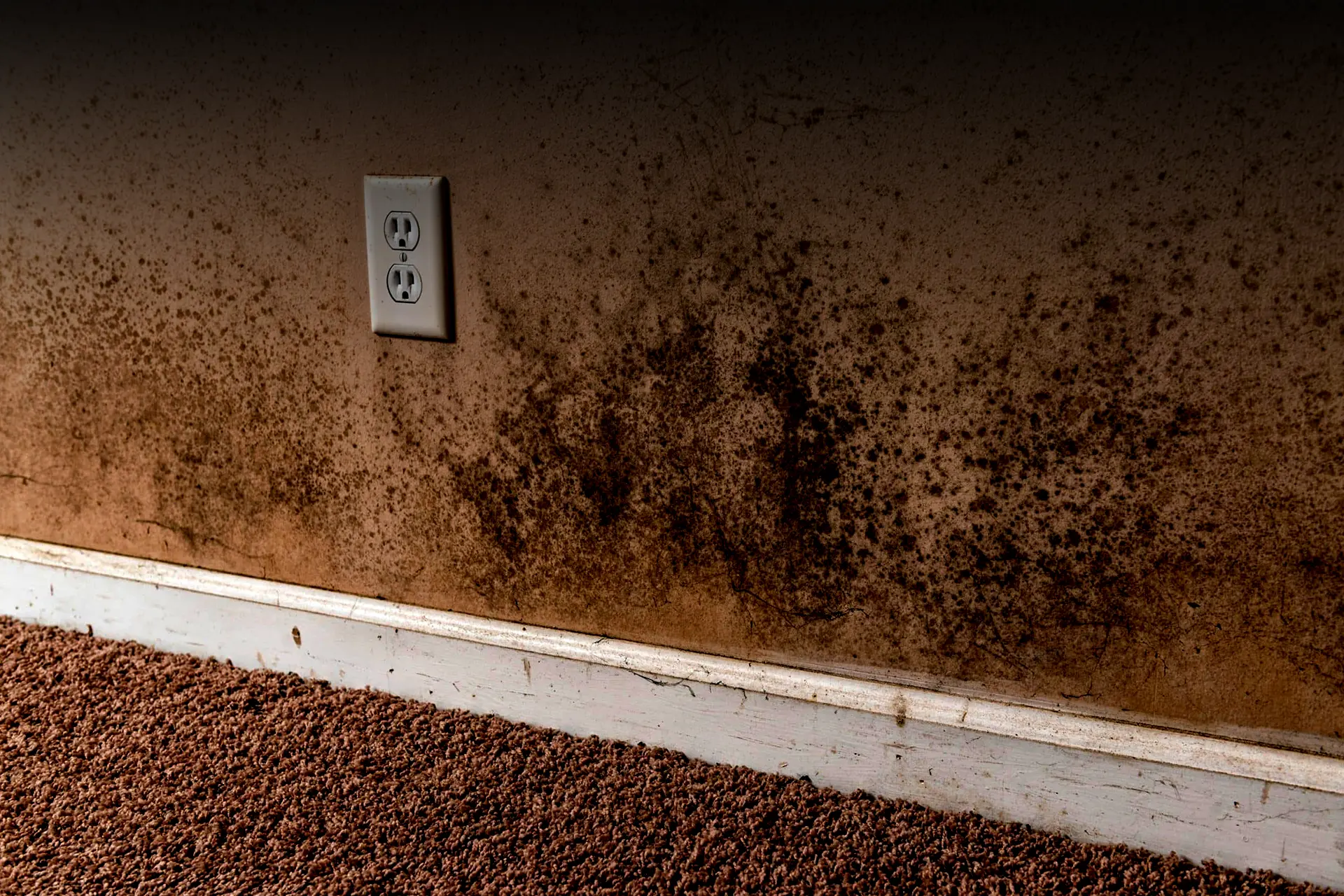
Why is 24 hours the magic number? Because that is the window in which microbial growth—specifically mold—typically begins its incubation cycle. Mold spores are omnipresent; they exist in the air and on surfaces in every home. They only lack one ingredient to begin colonies: consistent moisture.
By the time 24 hours have passed, the organic materials in your home (paper backing on drywall, wood studs, carpet padding) have absorbed enough water to provide a buffet for mold. If professional water extraction hasn’t begun by this point, you are no longer just dealing with a “water claim”; you are potentially dealing with a “mold claim,” which is significantly more complex and expensive.
The Physics of Water Migration: “Wicking”
One of the most common mistakes homeowners make is assuming that if the floor looks dry, the problem is solved. Physics says otherwise. Through a process known as capillary action or “wicking,” water travels upward against gravity.
Think of a sponge sitting in a shallow puddle. The top of the sponge eventually gets wet even if the water level hasn’t risen. Your home acts the same way. Water on a basement floor will wick up into the drywall and the insulation behind it. In 24 hours, water can climb several inches or even a foot up a wall. If that water is not extracted and the air is not dehumidified, that moisture remains trapped in the wall cavity, rotting the wooden studs and creating a hidden mold factory that you won’t see until it’s far too late.
Structural Integrity and “Pre-Loss Condition”
Your home’s structural components—joists, subfloors, and wall studs—are designed to handle a certain amount of ambient humidity. They are not designed to be submerged. When wood absorbs water, it swells and warps. If the drying process doesn’t begin within the first day, these changes can become permanent.
Hardwood floors are particularly sensitive. Within 24 hours of water exposure, “cupping” can occur, where the edges of the planks rise higher than the center. If caught early, professional restoration teams using specialized Injectidry systems can often “save” these floors. If left for 48 or 72 hours, the wood often reaches a point of “permanent set,” meaning the only solution is to tear it out and replace it.
The Financial Impact: Insurance and Secondary Damage
From an insurance perspective, homeowners have a “duty to mitigate.” This means that insurance policies often require you to take reasonable steps to prevent further damage after a loss. If you wait three days to call a professional like All Clean Restoration, and a small leak has turned into a massive mold problem, your insurance company may argue that the “secondary damage” (the mold) was preventable and therefore not covered.
By calling for emergency water removal within that first 24-hour window, you are documenting your proactivity. Professional restoration companies provide “dry-out logs” and moisture readings that prove to the insurance adjuster that you took the necessary steps to protect the property.
The All Clean Difference: 45 Years of Emergency Response
When you call All Clean Restoration, we don’t just show up with a couple of mops. We arrive with a 24/7 emergency response team equipped with industrial-grade tools designed to beat the clock.
- Industrial Extraction: We use truck-mounted vacuum systems that can pull hundreds of gallons of water out of carpets and pads in minutes—something a consumer-grade Shop-Vac simply cannot do.
- Psychrometrics (The Science of Drying): We don’t just blow air around. We manage the “Triple Threat” of drying: Temperature, Airflow, and Dehumidification. We use LGR (Low Grain Refrigerant) dehumidifiers that pull moisture out of the air even in the most humid Missouri summers.
- Moisture Mapping: Using infrared cameras and moisture probes, we find the water that is hidden behind your baseboards and under your cabinets, ensuring that when we leave, your home is truly dry to the bone.
Conclusion: Don’t Wait
Water damage is a progressive disaster. What starts as a puddle at 8:00 AM is a structural threat by 8:00 PM and a mold colony by the following morning. If you are standing in water, you don’t have the luxury of “sleeping on it.”
All Clean Restoration Services has been serving Illinois and Missouri for over 45 years. We know the architecture of local homes, we know the local climate, and we know exactly how to stop the clock.
If you have a water-related emergency, call us right now. Our teams are standing by 24/7.
- Illinois: 618-235-3202
Missouri: 314-454-0442
Recent Blog Articles:

Attic Mold: The Result of Failed Roof Repairs and Poor Venting

Home Repair After Water Infiltration: A Complete Roadmap to Restoration

Water Removal: The Critical First Step After a Flood or Leak

Water Damage Repair: From Emergency Extraction to Full Property Restoration
All Clean Restoration's Other Services
Whether water, mold, fire, or smoke causes damage to your home or business, the effects are heartbreaking and often life-changing. We at All Clean Restoration understand the devastation and pain these events can cause. We also understand that quick and proper action is crucial to prevent further damage, red tape, and cost.

Licensed | Bonded | Insured