LICENSED | BONDED | INSURED
618-235-3202
The Fire Damage Restoration Process, Step by Step

If you've been devastated by water, mold, fire, and/or smoke damage, know that your cherished possessions, your home or business, can all be restored to pre-damage condition; bringing back your peace of mind.
Whether water, mold, fire, or smoke causes damage to your home or business, the effects are heartbreaking and often life-changing. We at All Clean Restoration understand the devastation and pain these events can cause. We also understand that quick and proper action is crucial to prevent further damage, red tape, and cost.
Call us any time, day or night:
1-800-4223944
Related Topics:
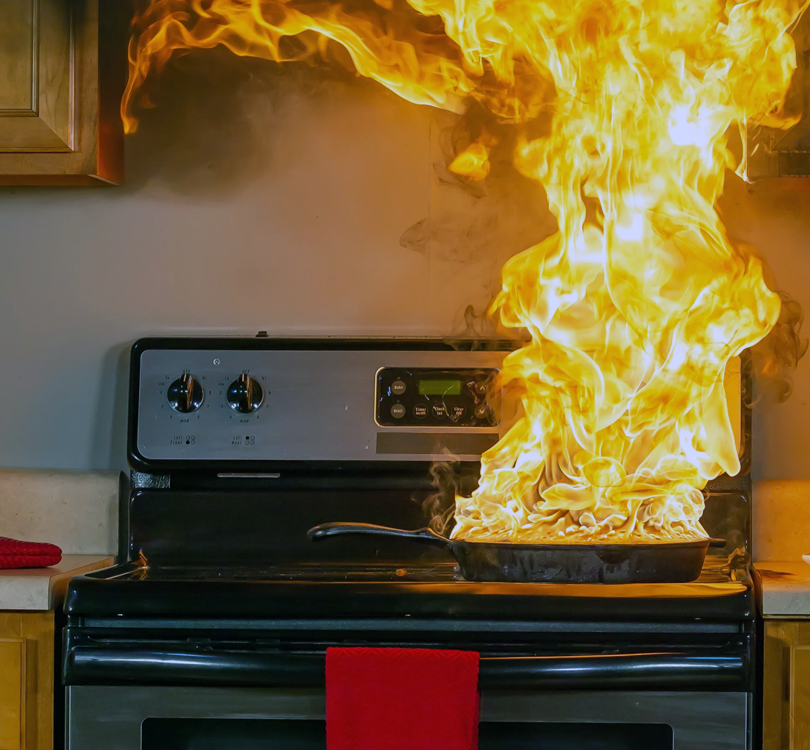
The fire is out. The trucks are gone. You’re standing in a home that smells like smoke, with soot on the walls and water pooling on the floor — and no idea what happens next.
Here’s the short answer. Fire damage restoration is the step-by-step process of securing your home, removing soot and smoke odor, drying the water left by firefighting, and rebuilding what was lost. Done right, it returns your home to its pre-loss condition. All Clean Restoration has handled this work across Belleville and the St. Louis Metro since 1981.
What Should You Do in the First 24 Hours?
The first day sets up everything that follows. A few moves protect your health and your claim.
- Wait for clearance. Don’t re-enter until the fire department says it’s safe.
- Call your insurance company. Start the claim and ask about coverage for temporary housing.
- Don’t touch the soot. Wiping walls or fabric grinds soot deeper and can set stains permanently.
- Don’t run the HVAC. It spreads soot and smoke through every room.
- Call a restoration crew. The sooner drying and cleaning start, the more we can save.
Soot is acidic. Within hours it begins etching metal, glass, and finishes. That’s why speed matters.
What Are the Steps in Fire Damage Restoration?
Every job is different, but the process follows a clear order.
- Inspection and assessment. We document the damage with photos and readings for your adjuster.
- Board-up and tarping. We secure broken windows, doors, and roof openings to stop weather and intruders.
- Water removal and drying. Firefighting leaves gallons behind. We extract it and dry the structure.
- Soot and smoke cleanup. We clean surfaces with the right method for each type of residue.
- Odor removal. We neutralize smoke odor at the source, not just cover it.
- Contents cleaning. We clean, deodorize, and restore belongings we can save.
- We rebuild drywall, flooring, and finishes to pre-loss condition.
One team runs all of it — from the first board-up to the final coat of paint. Our crew is IICRC-certified and follows industry standards on every step.
Why Is There Water Damage After a Fire?
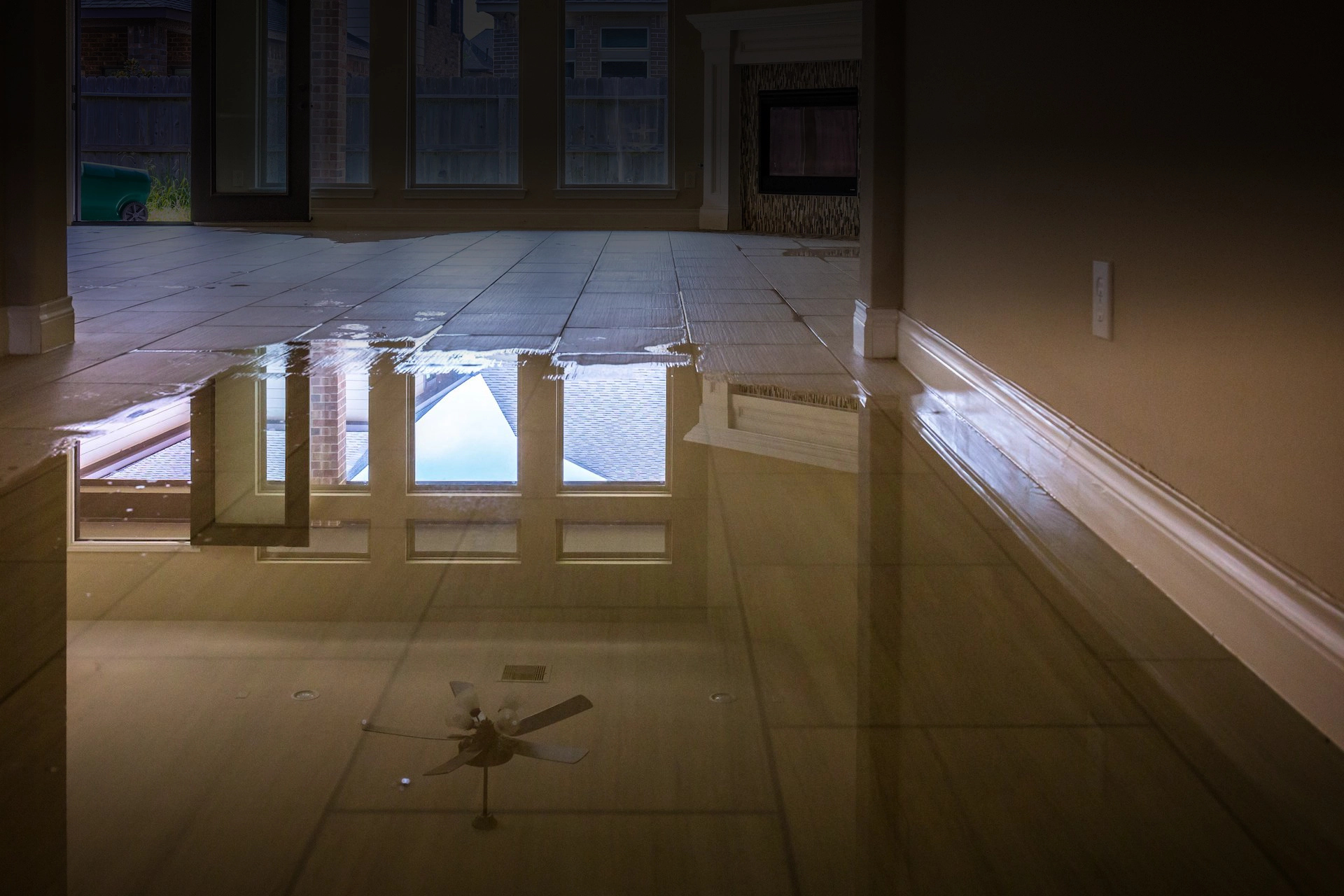
Because putting out the fire uses a lot of water. A single fire can leave hundreds of gallons soaked into floors, walls, and insulation.
That water becomes the next problem. Left alone, it feeds mold within 24 to 48 hours. So fire restoration always includes real drying — the same structural drying process we use on any water loss, with moisture meters and commercial dehumidifiers. Our water damage restoration team and fire crew work the job together.
Can Smoke-Damaged Belongings Be Saved?
Often, yes — more than people expect. Furniture, clothing, electronics, and even documents can frequently be cleaned and deodorized.
We sort your contents into what’s salvageable and what isn’t, then clean the rest off-site if needed. You can see how that decision works in our guide on saving belongings after damage. We tell you honestly what can come back and what can’t.
How Long Does Fire Damage Restoration Take?
It depends on the size of the loss. A small kitchen fire may take a week or two. A larger structural fire with reconstruction can run several weeks to a few months.
We give you a realistic timeline up front and daily updates as we go. No guessing, no surprises.
Who Handles the Insurance Claim?
We do most of the heavy lifting. We document every step, log every reading, and coordinate directly with your adjuster.
That documentation is what gets claims paid faster. You can read how the process works on our insurance FAQ.
We handle fire and smoke losses across the Metro East and St. Louis — from O’Fallon to Alton and beyond. See our full service area or learn more about fire and smoke damage restoration.
A house fire can’t wait, and neither can we. Call All Clean Restoration for immediate fire and smoke restoration or a free estimate. Our phones are answered by a real person 24/7, 365 days a year — nights, weekends, and holidays included. Licensed. Bonded. Insured. IICRC-certified. BBB A+. Serving Southern Illinois and the St. Louis Metro since 1981. Illinois: 618-235-3202 · Missouri: 314-454-0442 · Se Habla Español: 618-792-3633
Recent Blog Articles:

The Invisible Threat: Is Mold Hiding Inside Your Walls?

The Hidden Rot: Why Finding Wet Cabinets Is a Homeowner’s Emergency

Don’t Wait! 4 Hidden Dangers of Water Damage Under Your Carpet (And How to Save Your Home Today)

Is Your Attic Hiding a Costly Secret? Water Damage
All Clean Restoration's Other Services
Whether water, mold, fire, or smoke causes damage to your home or business, the effects are heartbreaking and often life-changing. We at All Clean Restoration understand the devastation and pain these events can cause. We also understand that quick and proper action is crucial to prevent further damage, red tape, and cost.

Licensed | Bonded | Insured