LICENSED | BONDED | INSURED
618-235-3202
The First 24 Hours: Your Survival Guide to Home Flooding in Missouri & Illinois

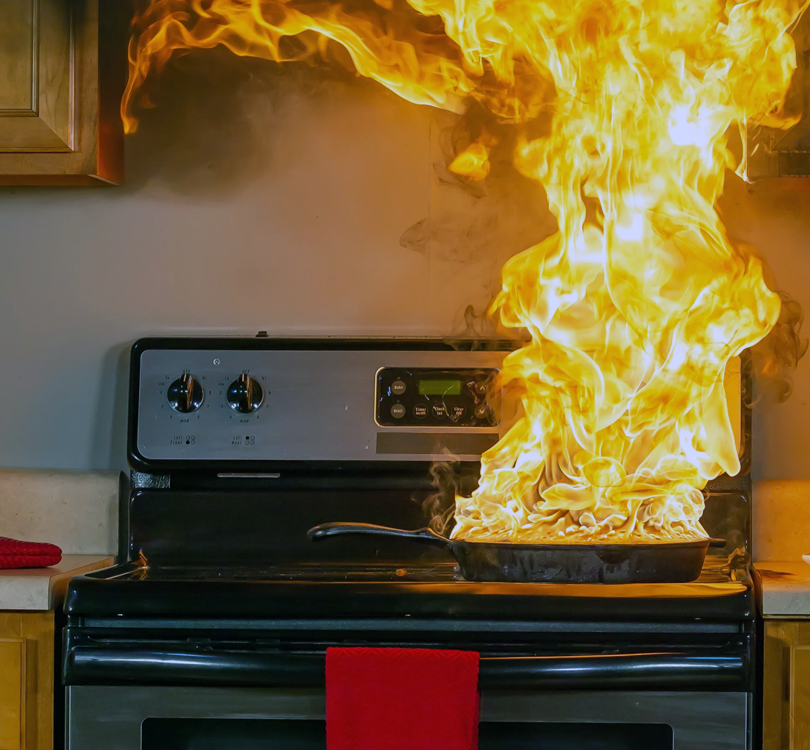
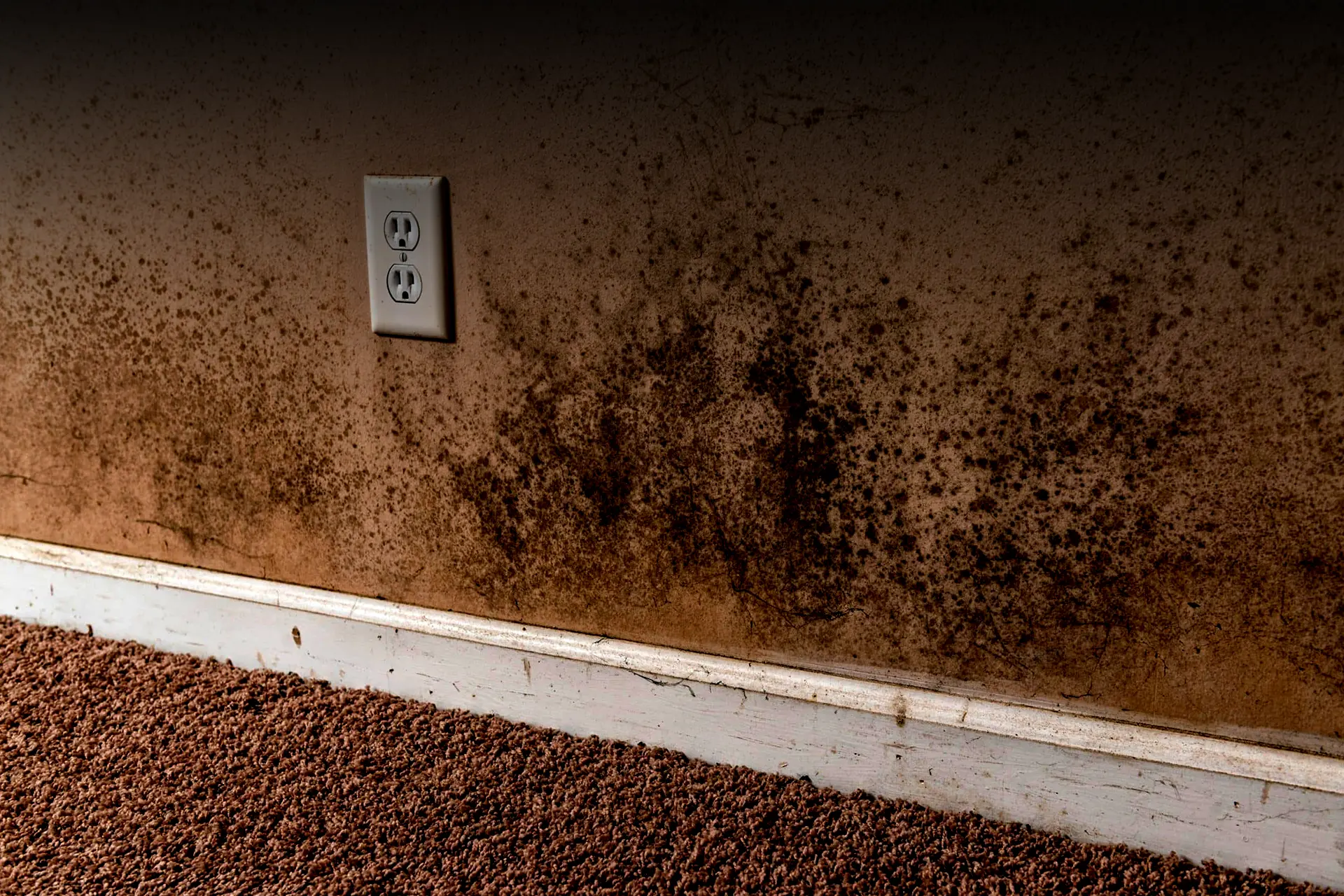
If you've been devastated by water, mold, fire, and/or smoke damage, know that your cherished possessions, your home or business, can all be restored to pre-damage condition; bringing back your peace of mind.
Whether water, mold, fire, or smoke causes damage to your home or business, the effects are heartbreaking and often life-changing. We at All Clean Restoration understand the devastation and pain these events can cause. We also understand that quick and proper action is crucial to prevent further damage, red tape, and cost.
Call us any time, day or night:
1-800-4223944
Related Topics:
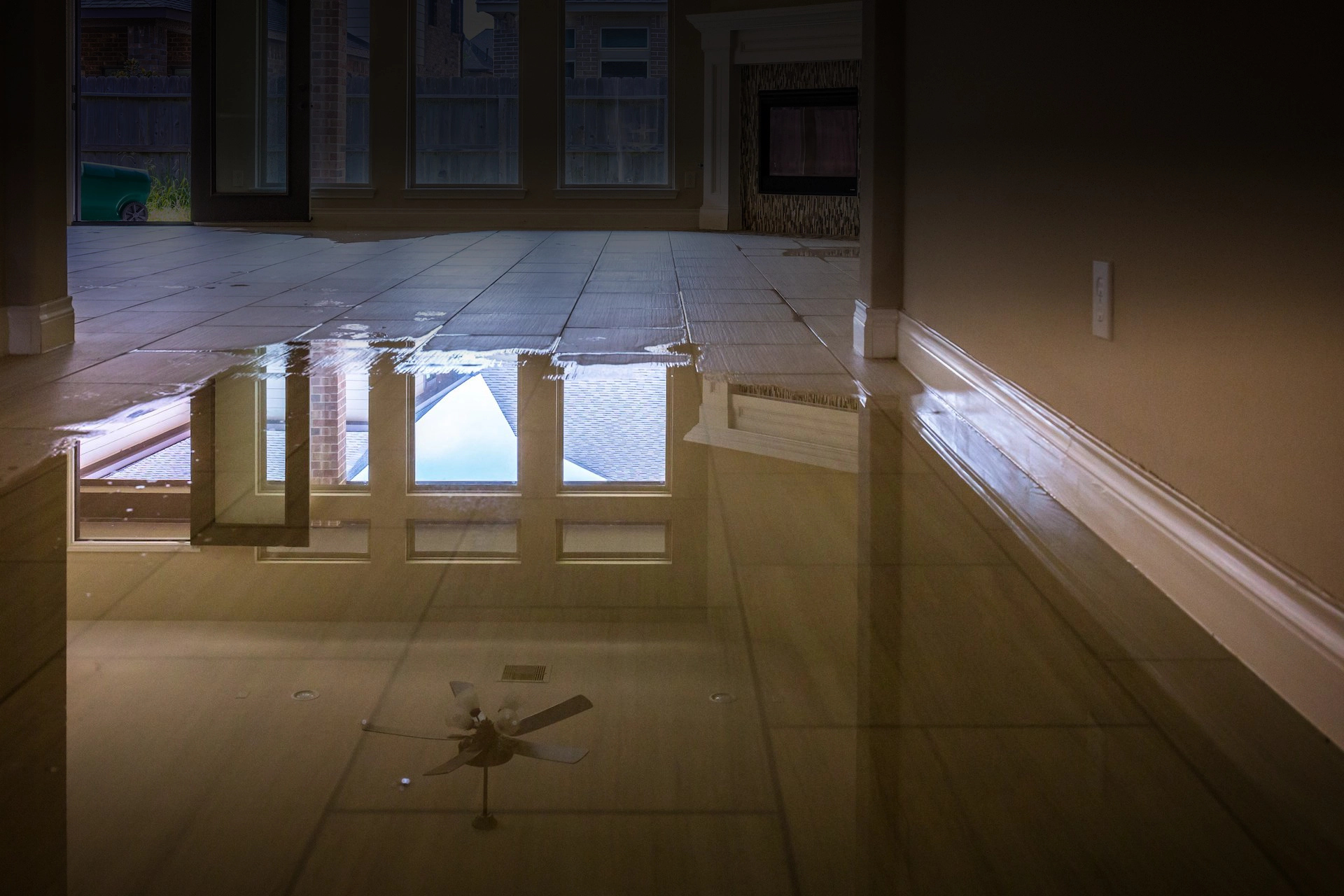
When flooding strikes your home, the clock doesn’t just tick—it races. Whether it’s a burst pipe in St. Louis or flash flooding in Belleville, the first 24 hours are the “Golden Hours” of disaster recovery.
Acting fast (and safely) can save you thousands in repair costs and prevent the silent threat of toxic mold growth. Here is your step-by-step emergency playbook for navigating a home flood.
1. Safety First (No Exceptions)
Before you rush in to save your belongings, you must ensure the environment is safe. Floodwater isn’t just “wet”—it’s often hazardous.
-
Kill the Power: If you can reach your breaker box without standing in water, shut off the electricity and gas.
-
Beware of “Black Water”: Floodwater often contains sewage, chemicals, or sharp debris. Wear waterproof boots, gloves, and a mask if you must enter the area.
-
Look Up: Check for sagging ceilings or warped floors. If the structure looks compromised, stay out until a professional clears it.
2. Document Everything for Your Insurance
Before you lift a single rug, grab your phone. You need a digital paper trail to ensure your insurance claim is processed smoothly.
-
Photos & Video: Take wide shots of the rooms and close-ups of specific damage to walls, baseboards, and personal items.
-
Don’t Toss It Yet: Keep damaged items until an adjuster sees them, or at least document them thoroughly before disposal.
-
Start a Log: Note the time the flood started and every step you’ve taken since.
3. Start the Claims Process
Call your insurance provider immediately. Ask specifically about your coverage for water mitigation and what their documentation requirements are. Keep your claim number in your phone’s notes for easy access.
4. Why You Need Professional Mitigation Now
While a shop-vac might seem like enough, it rarely is. Water hides in “blind spots”—behind drywall, under subfloors, and inside insulation.
All Clean Restoration uses IICRC-certified techniques that go beyond the surface:
-
Industrial Dehumidification: We use high-capacity equipment to pull moisture out of the air and structure.
-
Moisture Detection: Our thermal imaging tools find hidden pockets of water that cause rot and mold.
-
Sanitization: We don’t just dry; we disinfect to ensure your home is safe for your family.
Pro Tip: Mold can begin to colonize in as little as 24 to 48 hours. Professional drying is the only way to stop it before it starts.
5. Safe Preparation (While You Wait)
If—and only if—it is safe to be in the home, you can take these steps to minimize damage:
-
Ventilate: If the weather is dry, open windows to get air moving.
-
Lift Furniture: Place aluminum foil or wood blocks under furniture legs to prevent “wicking” (water pulling up into the wood).
-
Clear the Way: Move dry, high-value items (like electronics or photos) to a higher floor.
Every Minute Counts – Call All Clean Restoration
Floods don’t wait for business hours, and neither do we. Whether you are in Missouri or Illinois, our emergency response teams are available 24/7 to start the extraction and drying process immediately.
Don’t let a leak become a total loss. Call us right now to get your home—and your life—back to normal.
Recent Blog Articles:

In-Place Drying vs. Tear-Out: How Pro Drying Saves Your Home

Wet Carpet After a Flood or Leak: Can It Be Saved?

Winterizing Your Home to Prevent Frozen Pipes in the Metro East

Water Damage to Your Subfloor: The Damage You Can’t See
All Clean Restoration's Other Services
Whether water, mold, fire, or smoke causes damage to your home or business, the effects are heartbreaking and often life-changing. We at All Clean Restoration understand the devastation and pain these events can cause. We also understand that quick and proper action is crucial to prevent further damage, red tape, and cost.

Licensed | Bonded | Insured