LICENSED | BONDED | INSURED
618-235-3202
The Hidden Danger: Why Water Damage Almost Always Leads to Mold

If you've been devastated by water, mold, fire, and/or smoke damage, know that your cherished possessions, your home or business, can all be restored to pre-damage condition; bringing back your peace of mind.
Whether water, mold, fire, or smoke causes damage to your home or business, the effects are heartbreaking and often life-changing. We at All Clean Restoration understand the devastation and pain these events can cause. We also understand that quick and proper action is crucial to prevent further damage, red tape, and cost.
Call us any time, day or night:
1-800-4223944
Related Topics:
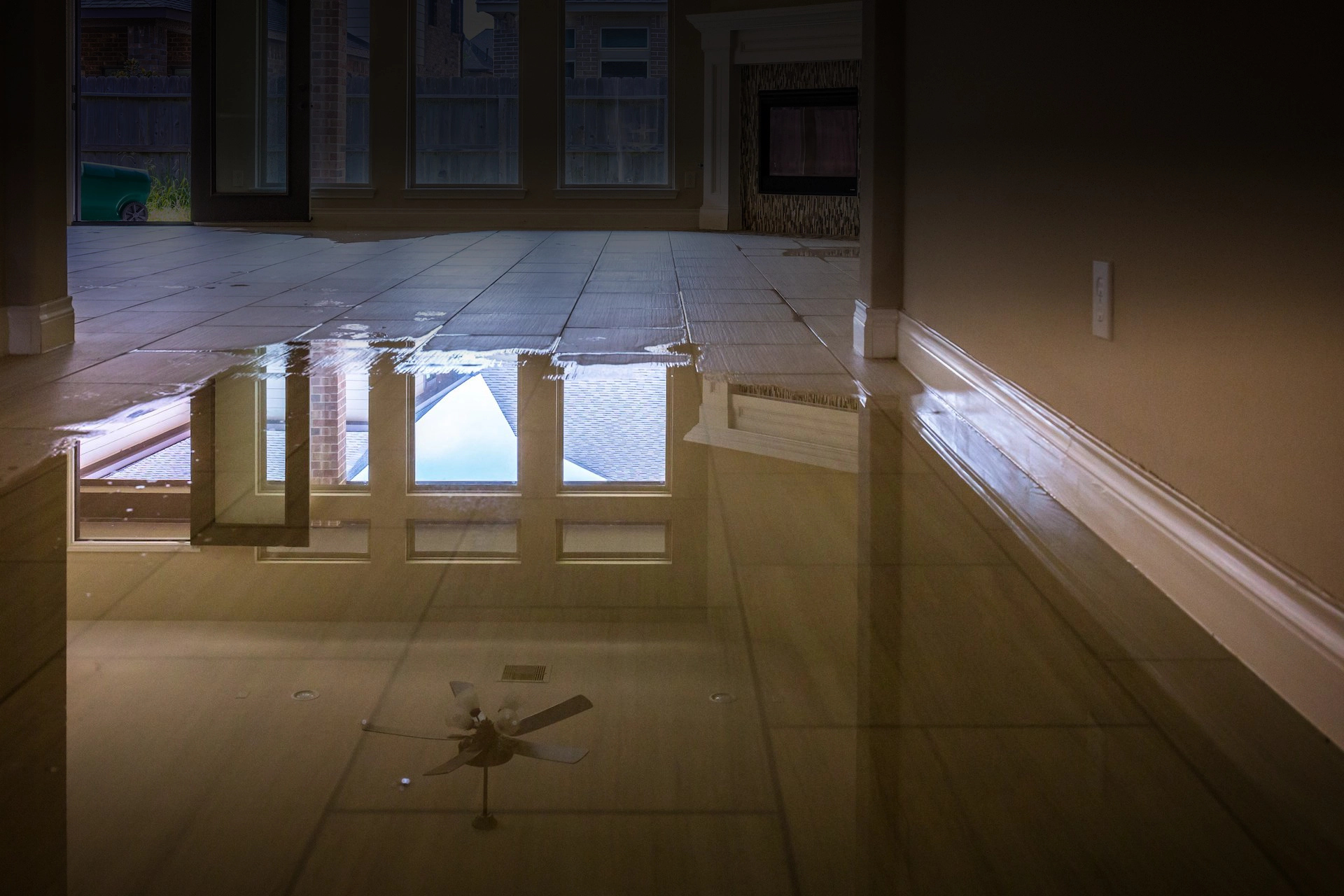
When water enters your home or business, most people’s attention goes to the visible damage — soaked floors, wet walls, ruined furniture. What is far less visible, but often far more dangerous and costly, is what happens in the days and weeks that follow if that water damage is not completely and professionally addressed: mold.
The connection between water damage and mold growth is direct, predictable, and well-documented. Understanding this connection — and why it matters so much to address water damage completely rather than just cosmetically — can save property owners in Southern Illinois and the St. Louis metro area from a second, more serious remediation project months after they thought the water damage was behind them.
The 24-to-48-Hour Window
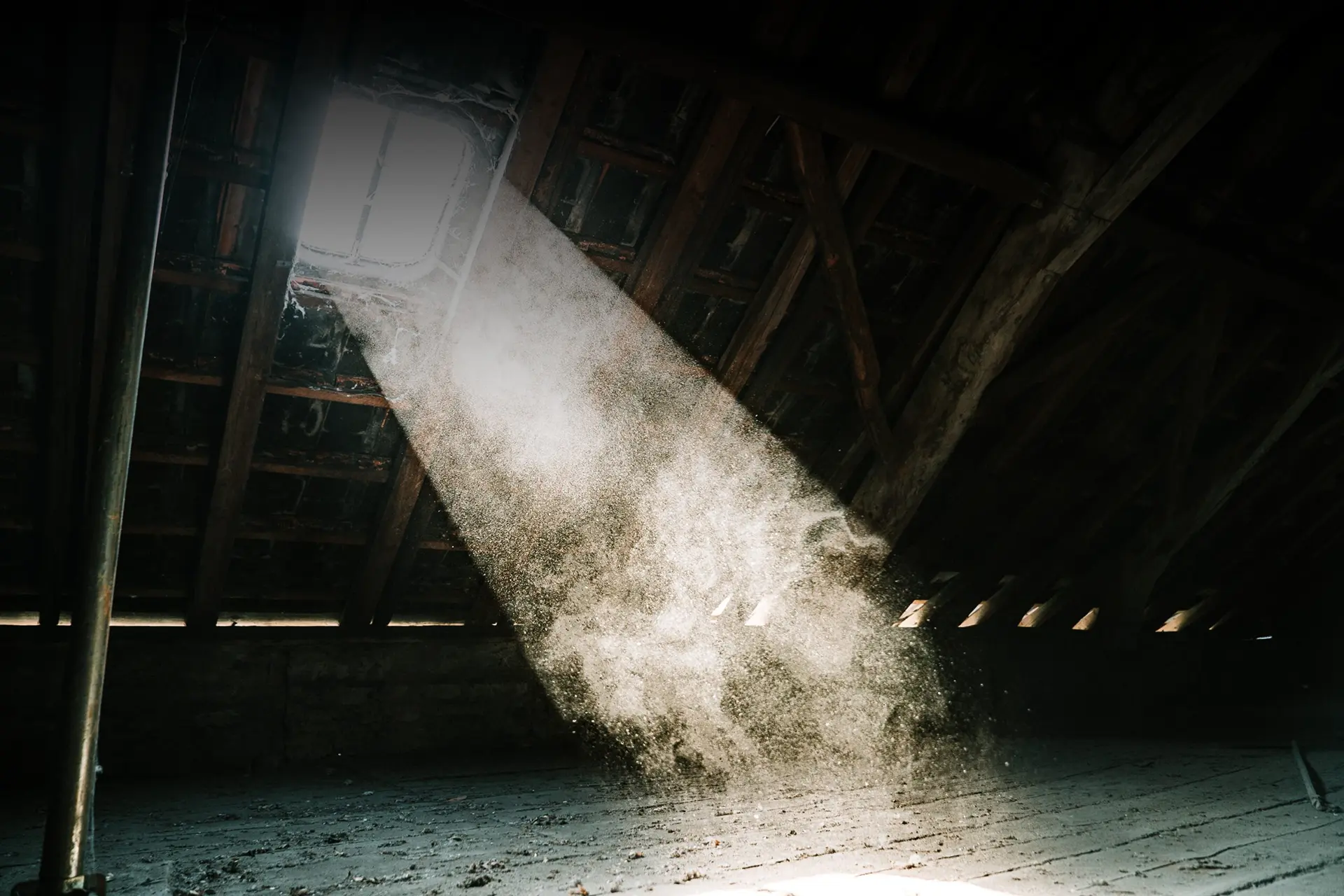
Mold spores are present in every indoor environment. They are microscopic, lightweight, and airborne — constantly settling on surfaces throughout any building. Under normal dry conditions, these spores lie dormant and cause no problems. But introduce moisture — and specifically, saturated organic materials like drywall, wood, insulation, or carpet padding — and those dormant spores spring to life.
Research in the building science field consistently demonstrates that mold can begin to germinate on wet organic materials within 24 to 48 hours of water intrusion. This is not a theoretical window — it is the observed real-world onset time for mold colony formation in flood-damaged buildings. Given that many water damage events are not discovered for hours or even days after they begin, and that professional response sometimes takes additional time, a significant percentage of water damage events arrive at the 24-to-48-hour threshold before professional drying is fully underway.
Where Mold Hides After Water Damage
Mold that develops after water damage does not announce itself. It grows where the moisture is — and that is often inside wall cavities, beneath flooring, in ceiling assemblies, and in crawlspaces. These are all areas that may appear completely normal during a visual inspection but harbor active mold colonies that are producing spores, mycotoxins, and allergens that circulate throughout the building’s air.
Drywall is a particularly common mold substrate after water damage. The paper facing on standard drywall is an excellent growth medium for mold, and even after the surface appears dry, the paper backing can retain moisture content sufficient to support mold growth for extended periods. Insulation — particularly fiberglass batt insulation — retains water for a very long time and often needs to be replaced after significant water intrusion because it cannot be reliably dried and poses an ongoing mold risk. Wood framing, when it reaches and maintains moisture content above approximately 19%, is susceptible to mold and, over longer periods, wood rot.
Signs That Water Damage Has Led to Mold
The telltale sign of mold growth is a musty, earthy odor — a smell that many homeowners describe as similar to old books or a damp basement. This odor is caused by microbial volatile organic compounds (MVOCs) produced by active mold colonies, and it is detectable even when the mold itself is not visible. If you smell this odor in a room or area of your home that has previously experienced water damage, mold is almost certainly present, even if you cannot see it.
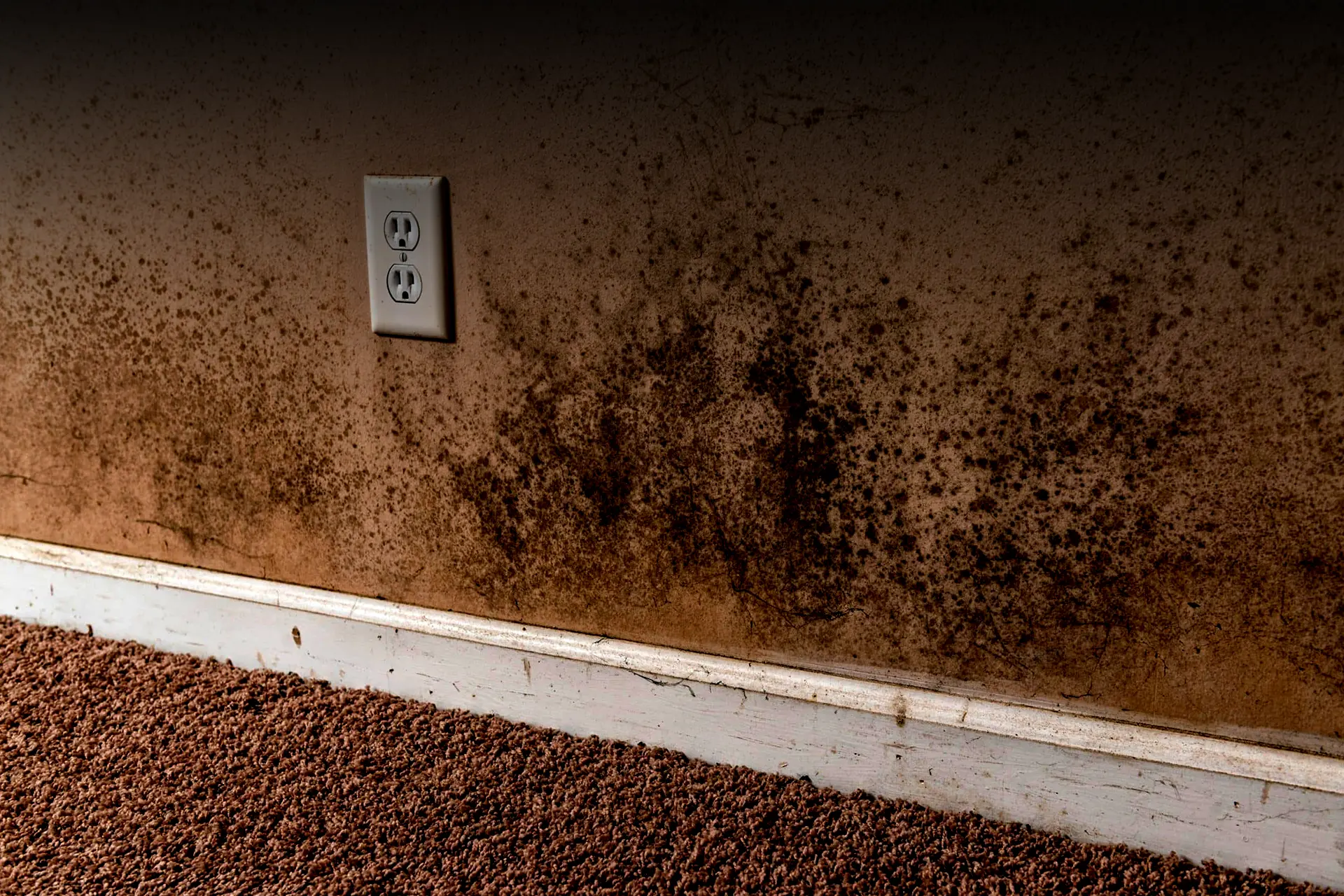
Visible mold growth is the other obvious indicator. Mold commonly appears as black, gray, green, or white discoloration on walls, ceilings, grout lines, around window frames, or in corners and behind large furniture. Discoloration of drywall, ceiling tiles, or wood that does not look like a simple water stain may indicate mold growth. Health symptoms — unexplained respiratory issues, frequent headaches, persistent fatigue, or worsening allergy symptoms — in building occupants can also signal hidden mold.
Why Partial Drying Is Not Enough
One of the most common scenarios All Clean Restoration encounters is a property that had water damage that appeared to be dried out — surface materials feel dry, standing water was removed — but where incomplete drying left hidden pockets of moisture that became the seedbed for mold. This happens when drying is done without professional moisture-mapping equipment, when drying systems are removed before structural materials have actually reached their target moisture content, or when wall cavities and other concealed spaces are not addressed.
Professional water damage remediation is specifically designed to prevent this outcome. All Clean Restoration’s moisture-mapping process identifies every area of water intrusion, and structural drying continues until every affected material is verified to have reached its target moisture content. This complete drying process is the most effective mold prevention measure available — far more effective than antimicrobial treatments alone.
What to Do If You Suspect Mold After Water Damage
If you have had water damage — whether recently or in the past — and you are experiencing musty odors, visible discoloration, or unexplained health symptoms, call All Clean Restoration immediately. The sooner a mold assessment is completed and remediation begins, the less the mold will have spread, the less damage it will have caused to your building materials, and the lower the total cost of remediation. All Clean Restoration provides 24/7 emergency response for both water damage and mold events throughout Southern Illinois and the St. Louis metro area.
📞 Illinois: 618-235-3202 | Missouri: 314-454-0442 | allcleanrestoration.com Mold Inspection & Remediation — 24/7 Emergency Response — Free Estimates
Recent Blog Articles:

Cupping, Buckling, and Stains: Can Your Water-Damaged Hardwood Floor Be Saved?

Smoke and Odor Removal: Refreshing a Home After a Small Kitchen Fire

Water Damage Categories Explained: Why Not All Water Removal & Cleanup Is the Same

The Silent Culprits: Water Heater, Washing Machine, and Appliance Leaks
All Clean Restoration's Other Services
Whether water, mold, fire, or smoke causes damage to your home or business, the effects are heartbreaking and often life-changing. We at All Clean Restoration understand the devastation and pain these events can cause. We also understand that quick and proper action is crucial to prevent further damage, red tape, and cost.

Licensed | Bonded | Insured